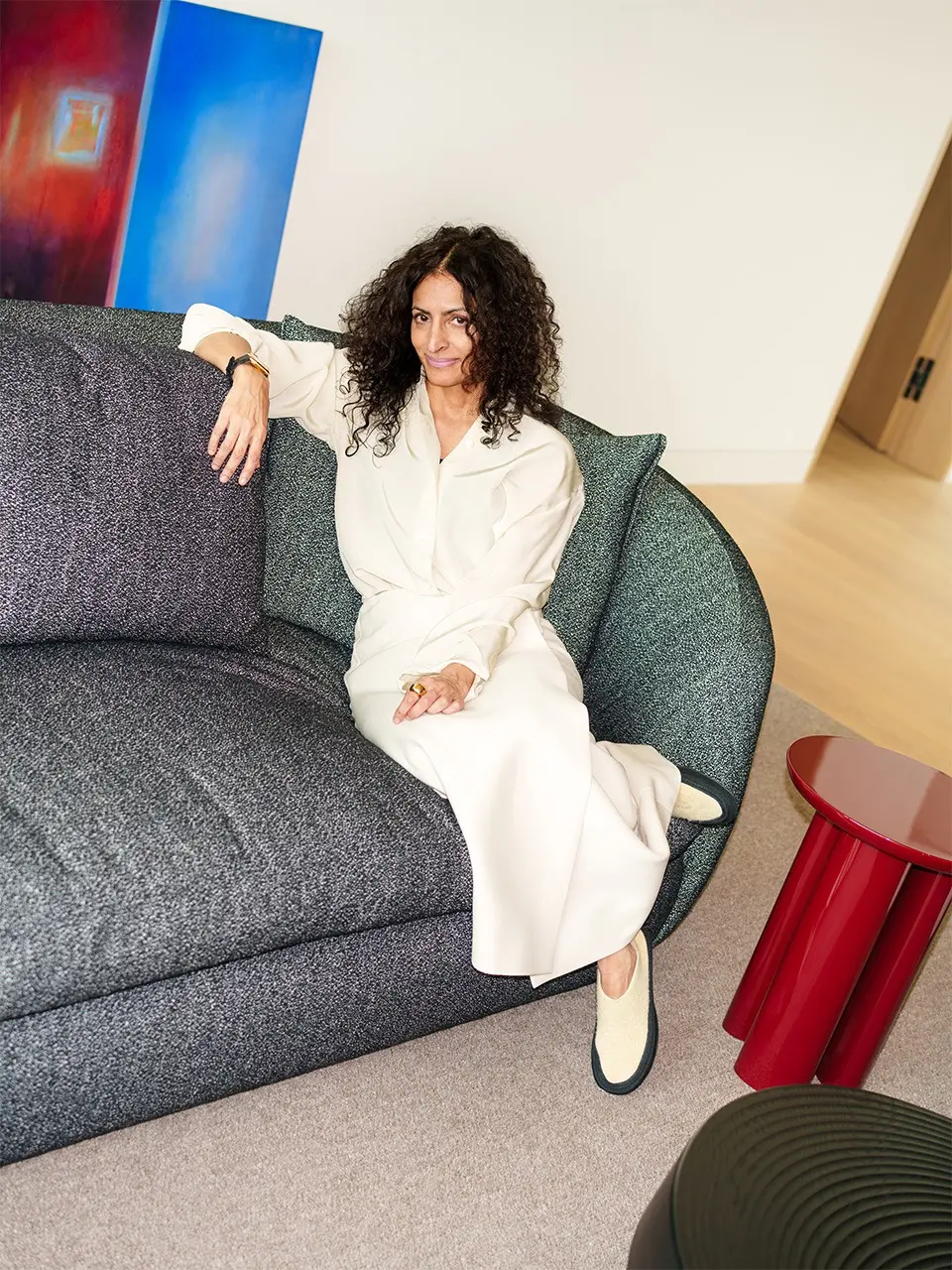
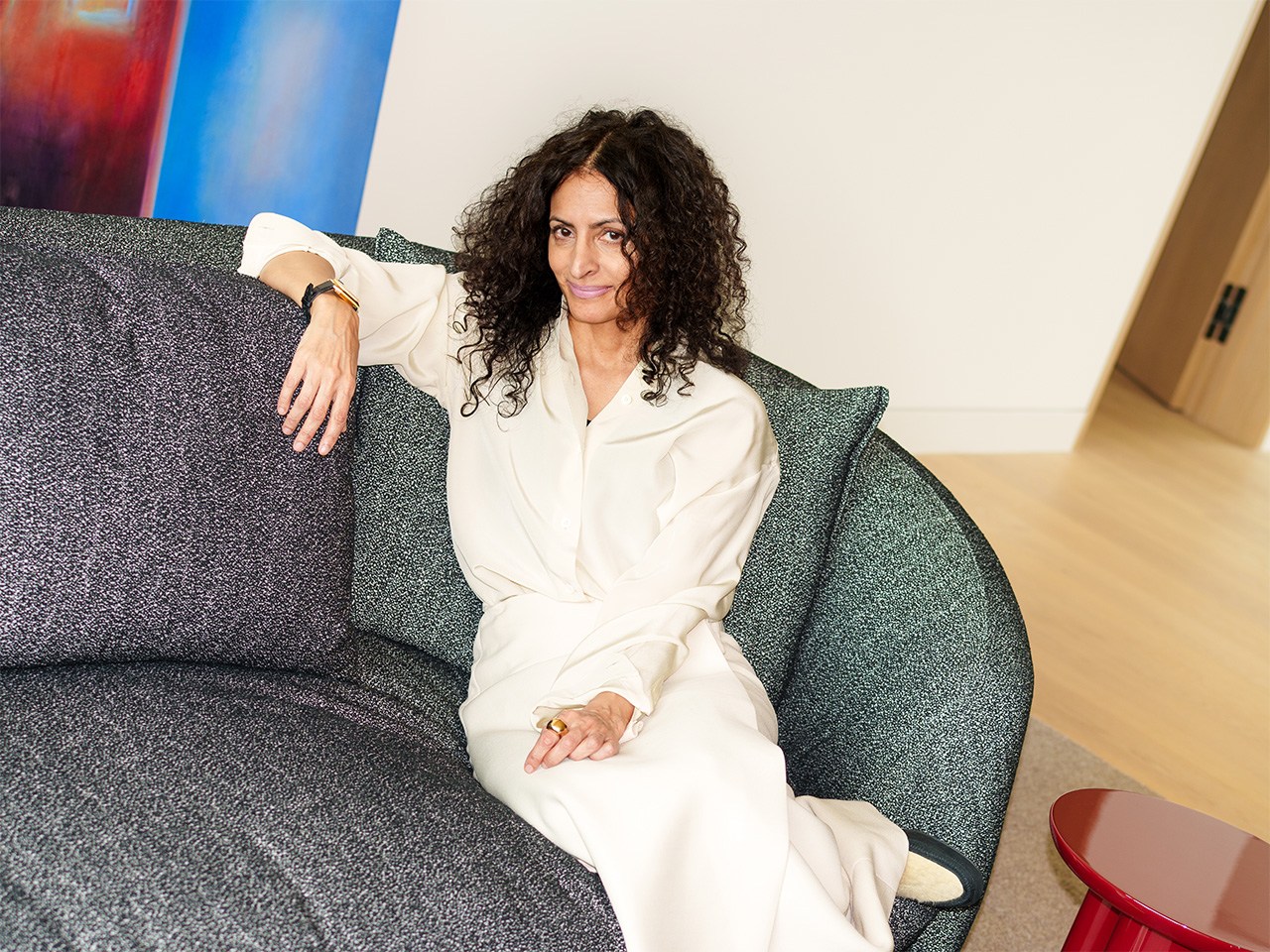
When considering the heavily discussed and often elusive concepts of personal style and refined taste in modern fashion, the name Neelam Ahooja invariably springs to mind. The Toronto-based accountant-turned-stylist has cultivated a dedicated and loyal audience across digital platforms entirely through her distinct ability to cut through the relentless noise of the contemporary garment industry and dress exclusively for herself. Operating as a steadfast proponent of minimalism, Ahooja frequently draws her sartorial inspiration from the clean, understated silhouettes of the 1990s. Yet, she manages to infuse every ensemble with a deeply personal signature, seamlessly incorporating one-of-a-kind vintage pieces or heavily embellished accessories that subtly honor her East Indian heritage.
In a wide-ranging discussion on her approach to clothing, Ahooja recently broke down the evolution of her signature look—achieved through decades of thoughtful collecting and hard-won confidence—and offered practical perspective on how individuals can navigate their own journeys toward discovering a genuine personal aesthetic.
Developing a Signature Sense of Style
Reflecting on how her distinctive look came to be, Ahooja notes that she was never truly conventional in her sartorial choices, a reality she attributes in large part to her physical appearance and natural features. For years, she felt she could never project a traditional, aristocratic elegance due to her voluminous, curly hair, which seemed to possess a vibrant life of its own on most days.
For a considerable portion of her life, Ahooja spent a great deal of energy fighting what nature had given her, desperately trying to tame or alter her natural texture. However, a pivotal shift occurred when she finally decided to stop fighting her biology and instead work around it. After years of internal negotiation, she fully embraced her natural hair, allowing it to become an integral extension of her overall personality and style. Today, she regards her hair as just as important—if not more important—than the actual clothes she wears. Depending on the nature of her hair on any given morning, that single factor frequently dictates the direction of her outfit for the day.
From Maximalist Heritage to 1990s Minimalism
Despite her current preference for pared-back aesthetics, Ahooja was not always a minimalist. For a long time, her personal style was significantly busier, characterized by a heavy rotation of intricate patterns, bold prints, and vibrant colors. Her wardrobe heavily featured statement pieces by designers such as Dries Van Noten, alongside Victorian-inspired jackets and voluminous skirts.
Much of that inclination stemmed from her rich East Indian heritage, a culture deeply rooted in elaborate details, intricate collars, fine beading, and lavish ornamentation. However, around the time of the global coronavirus pandemic, Ahooja experienced a distinct sense of fatigue from wearing garments that demanded so much physical presence. As she grew older, her priorities shifted toward ease and comfort, diminishing her desire to load up on excessive accessories. Furthermore, her foundational aesthetic sensibilities had always been anchored in minimalism; she came of age during the 1990s, absorbing the iconic, effortless imagery of figures like Kate Moss and Carolyn Bessette.
The Enduring Relevance of the 1990s
Ahooja spent many formative years during the 1990s working as an accountant, commuting to a corporate office every single day dressed in traditional suiting. In fact, one of the primary reasons she initially entered the field of finance was simply because she possessed a strong desire to wear tailored suits and carry a briefcase on a daily basis.
While she has never harbored any desire to return to her former profession as an accountant, the period following the coronavirus pandemic triggered a powerful nostalgia, inspiring her to dress much like she did back then. When she looks back at the decade during which she felt truly good, deeply empowered, and profoundly confident—whether she was sitting at her office desk or meeting friends at a local bar—it was unequivocally the 1990s. In returning to those foundational silhouettes, she feels she has come full circle, embodying the truest version of her personal identity.
Navigating Homogeneity in the Age of Algorithms
In contemporary culture, personal style has increasingly drifted toward homogenization, driven largely by the unprecedented, universal access that everyone maintains to social media and algorithmic feeds. When addressing how she manages to avoid falling into this ubiquitous stylistic trap, Ahooja points out that human beings are naturally influenced by one another across every industry and in every corner of daily life.
She recalls how her father influenced her during her youth to be a good person and dedicate more time to reading, while noting that her own children now teach her to live a lighter, more unburdened life through their eyes. The fashion industry operates on a similar dynamic, where everyone is inevitably influenced to a certain degree simply by being exposed to the same constant stream of imagery. Nevertheless, Ahooja emphasizes that with age and maturity, it becomes significantly easier to filter out the background noise.
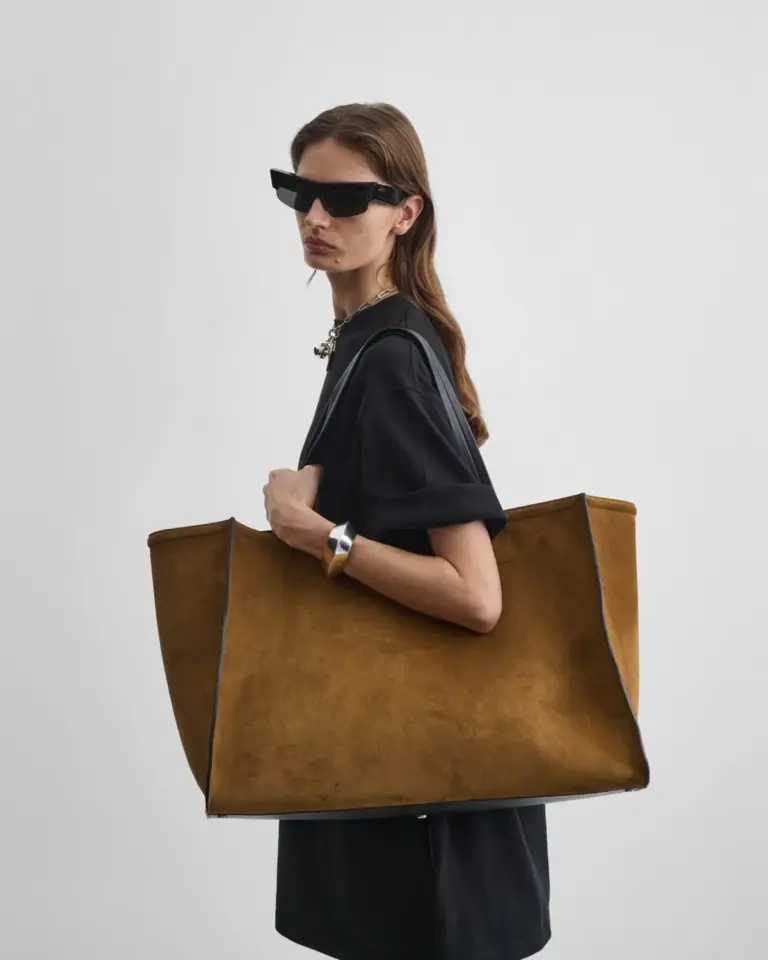
While consumers can easily follow the broad trend of any given decade—such as the oversized blazers and relaxed suiting that dominate the current moment—she stresses that within that large stylistic framework, individuals retain the absolute liberty to make the look entirely their own. For Ahooja, this might mean pairing a contemporary outfit with a vintage Prada bag, ensuring the final result is never a mere replica of a runway presentation.
Practical Advice for Cultivating Individuality
For those attempting to break free from cyclical micro-trends and dress in a manner that feels genuinely individualistic, Ahooja advises strictly adhering to what objectively works for one’s unique physical proportions. For example, she notes that high-waisted trousers simply do not function well on someone with her specific height and proportions, making self-awareness essential.
Furthermore, she advocates for choosing comfort above all other considerations. Observers will rarely, if ever, catch Ahooja wearing high heels. If a garment feels itchy or restrictive against her skin, she simply refuses to wear it. Her preference leans heavily toward silhouettes that are oversized and intentionally relaxed, ensuring she has the physical ease required to sit comfortably in her car and navigate her daily life without hindrance.
When discussing the specific labels she continually returns to, Ahooja highlights a select handful of brands whose core aesthetic genuinely resonates with her values. Among them is La Collection, an Amsterdam-based label designed by Florence Cools. Ahooja virtually lives in Cools’ designs, deeply appreciating how closely connected the designer remains to her audience—a trait she attributes to Cools starting the business small alongside her husband and keeping her feet firmly on the ground as the brand grew. Meanwhile, when she feels the urge to experiment with texture and embellishment, she turns to her extensive personal archive of Dries Van Noten scarves, a collection she cherishes deeply.
Redefining Dress Codes and Personal Expression
Addressing the broader societal fixation on dress codes and expected attire, Ahooja maintains a remarkably relaxed perspective, stating plainly that she cares very little about what anyone else is doing. She recalls attending a recent event dressed in a classic white shirt paired with a simple black maxi skirt and boots, while a companion arrived wearing a remarkably vibrant, bright floral tunic, and another guest opted for casual denim. In her view, society must actively allow others the freedom to express themselves authentically in their own unique ways.
Ultimately, Ahooja believes that approaching fashion requires shedding rigid rules and embracing whatever genuinely feels right in the moment. In her estimation, one cannot afford to be dogmatic about getting dressed, as clothing is fundamentally a form of personal expression that should remain fluid and ever-changing.