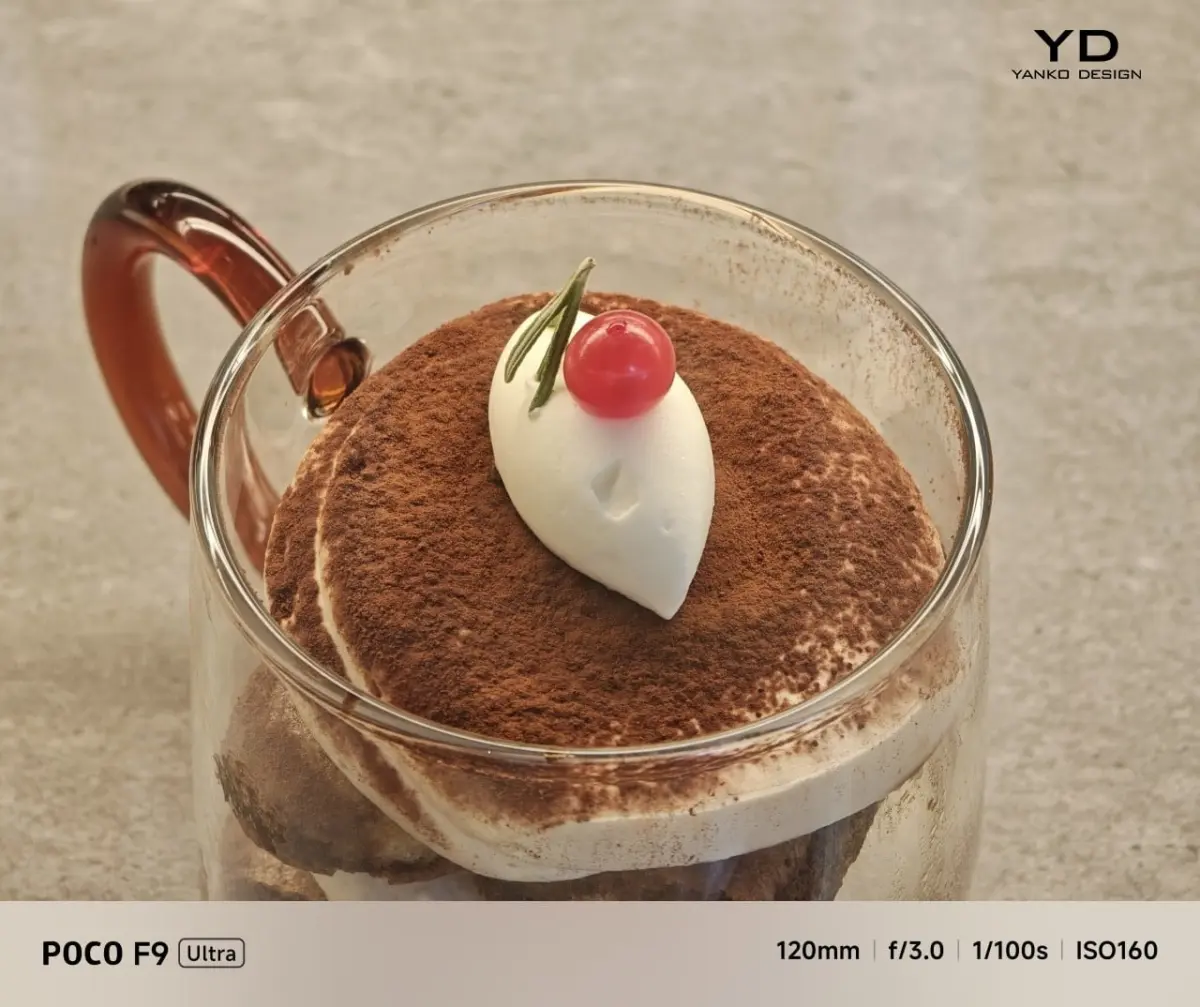
The introduction of the Poco F8 Ultra marked a definitive turning point for the brand. Up to that point, Poco was easily understood by consumers worldwide: you bought a Poco device primarily for raw speed, highly aggressive pricing, and a distinct aesthetic swagger. However, the F8 series introduced a new dimension to that familiar formula by incorporating Bose-tuned speakers. This collaboration changed the fundamental feel and character of the phone in a way that a faster processor or a brighter screen typically cannot achieve on its own.
It was never merely about raw volume or basic clarity. Instead, the entire hardware experience felt intentionally built around immersive entertainment. Mobile games possessed noticeably more punch, cinematic viewing experiences felt like they had more room to breathe, and everyday audio cues felt deliberate rather than like an afterthought. While the denim-inspired rear panel of the F8 series added a tactile identity—even if the finish was more denim-adjacent than true fabric—the standout element that resonated with users was undeniably the audio engineering.
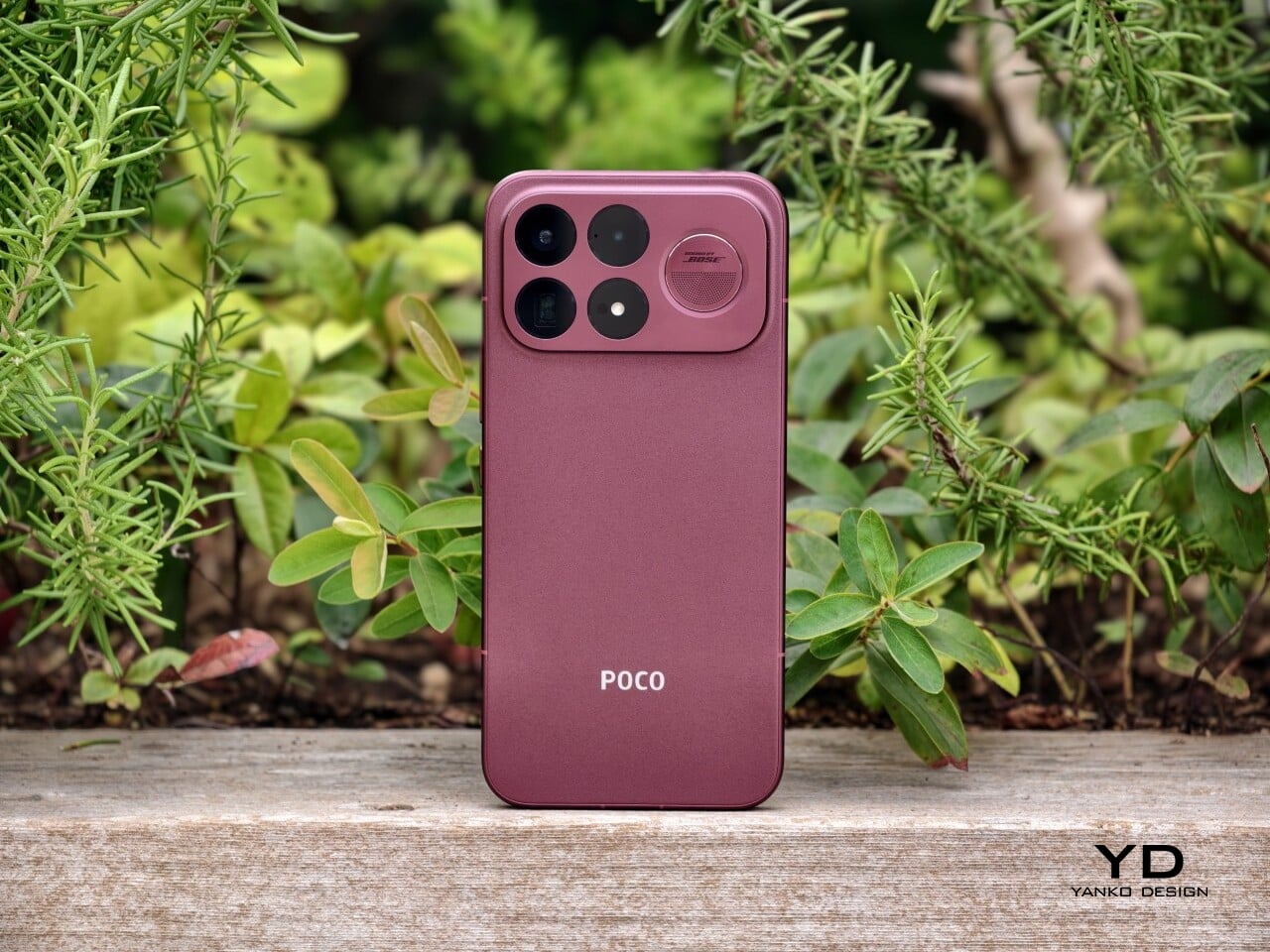
The newly released Poco F9 Ultra takes that foundational idea and pushes it significantly further. Rather than treating the Bose-tuned acoustic system as a one-off marketing flourish, Poco is leaning into the partnership with renewed confidence. The company has wrapped its sound-first philosophy into a physical package that feels substantially larger, more polished, and structurally ambitious. If the F8 Ultra introduced an entirely new side to the Poco brand, the F9 Ultra is the device designed to ensure that transformation sticks for the long haul.
Aesthetics
If the Poco F8 Ultra leaned heavily toward a youthful and fashionable demographic, the Poco F9 Ultra shifts its focus firmly toward sophistication. It retains the brand’s innate taste for visual confidence, but expresses it through a far more restrained lens. The playful tactile experiments of the past have been swapped out for cleaner lines, flatter surfaces, and a much more controlled aesthetic language.
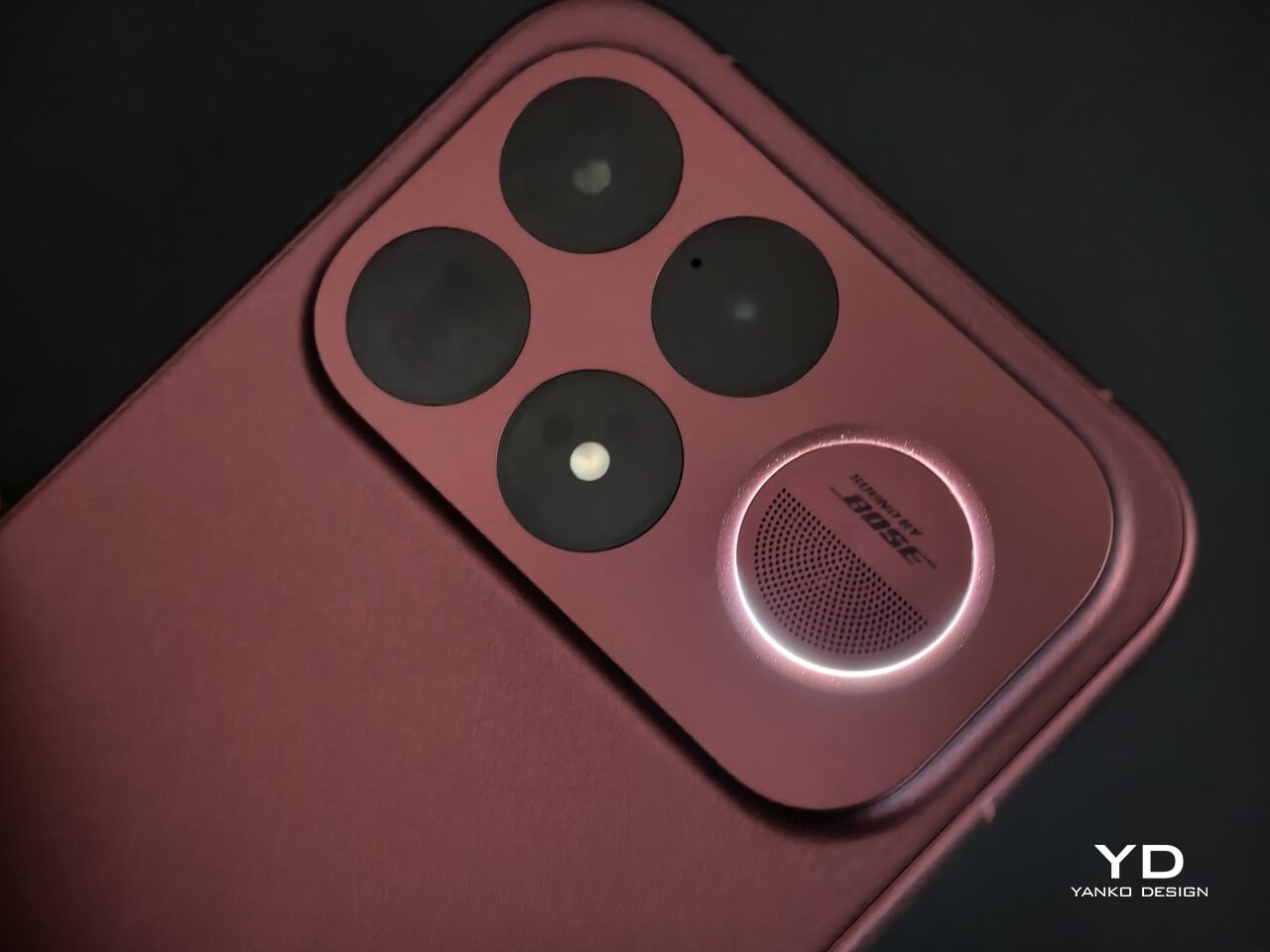
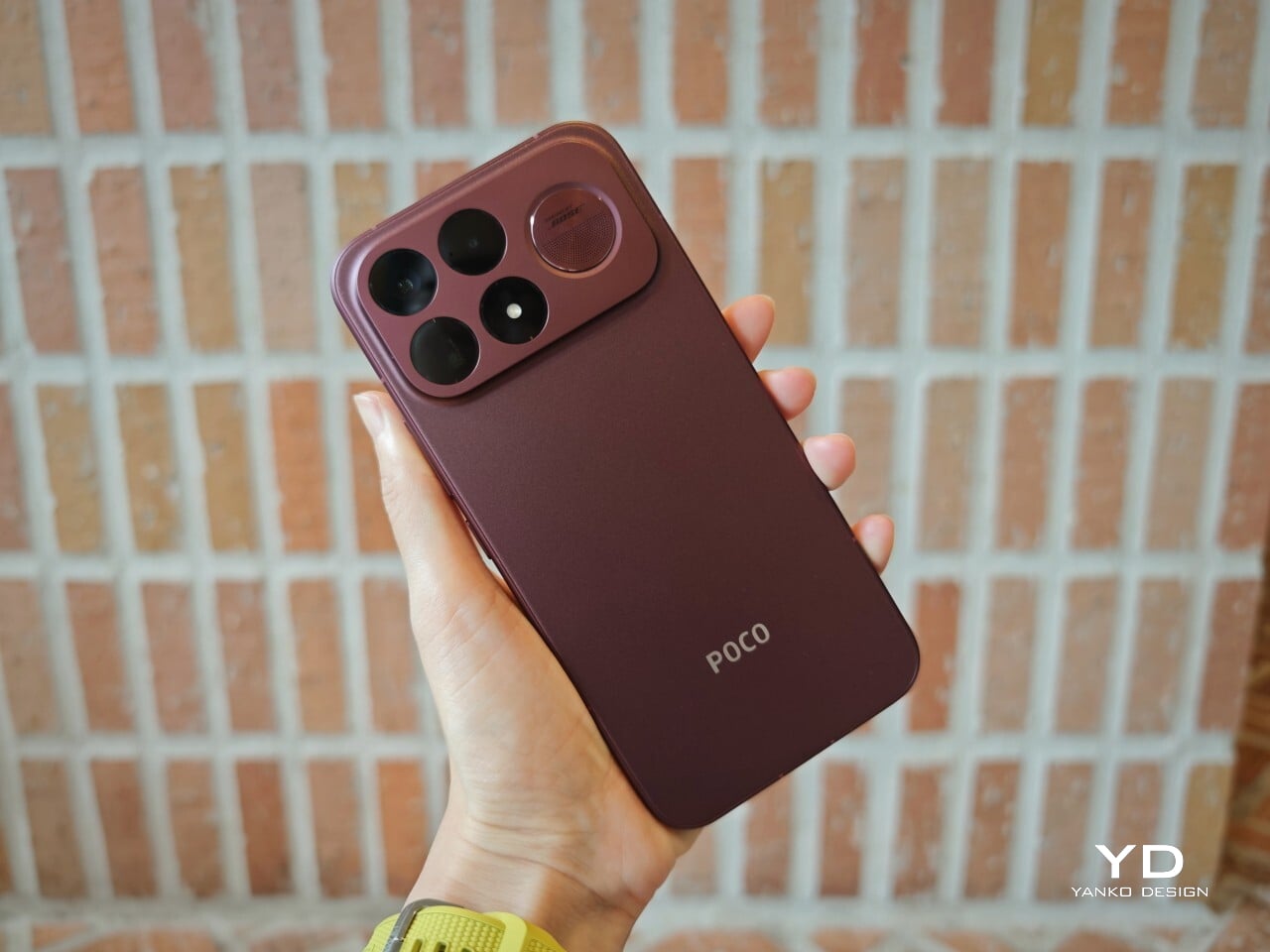
This evolution is immediately apparent upon inspecting the rear panel. The denim-inspired treatment of the previous generation has been completely retired, replaced instead by a finish that reads as more metallic and architectural. The overall silhouette is decidedly simpler, yet it avoids coming across as plain or boring. Rather, Poco appears to have traded pure novelty for a sense of composure, allowing shape, proportion, and material finish to do the heavy lifting.
The prominent camera island layout remains largely consistent with its predecessor, but the execution feels considerably more resolved. A large rectangular module sits squarely across the upper portion of the device, housing three distinct camera sensors alongside an LED flash in a neat two-by-two arrangement. The speaker grille is thoughtfully positioned off to the right. While it remains a bold and visually striking layout, it now feels less like an experimental design choice and more like a defining cornerstone of the phone’s corporate and product identity.
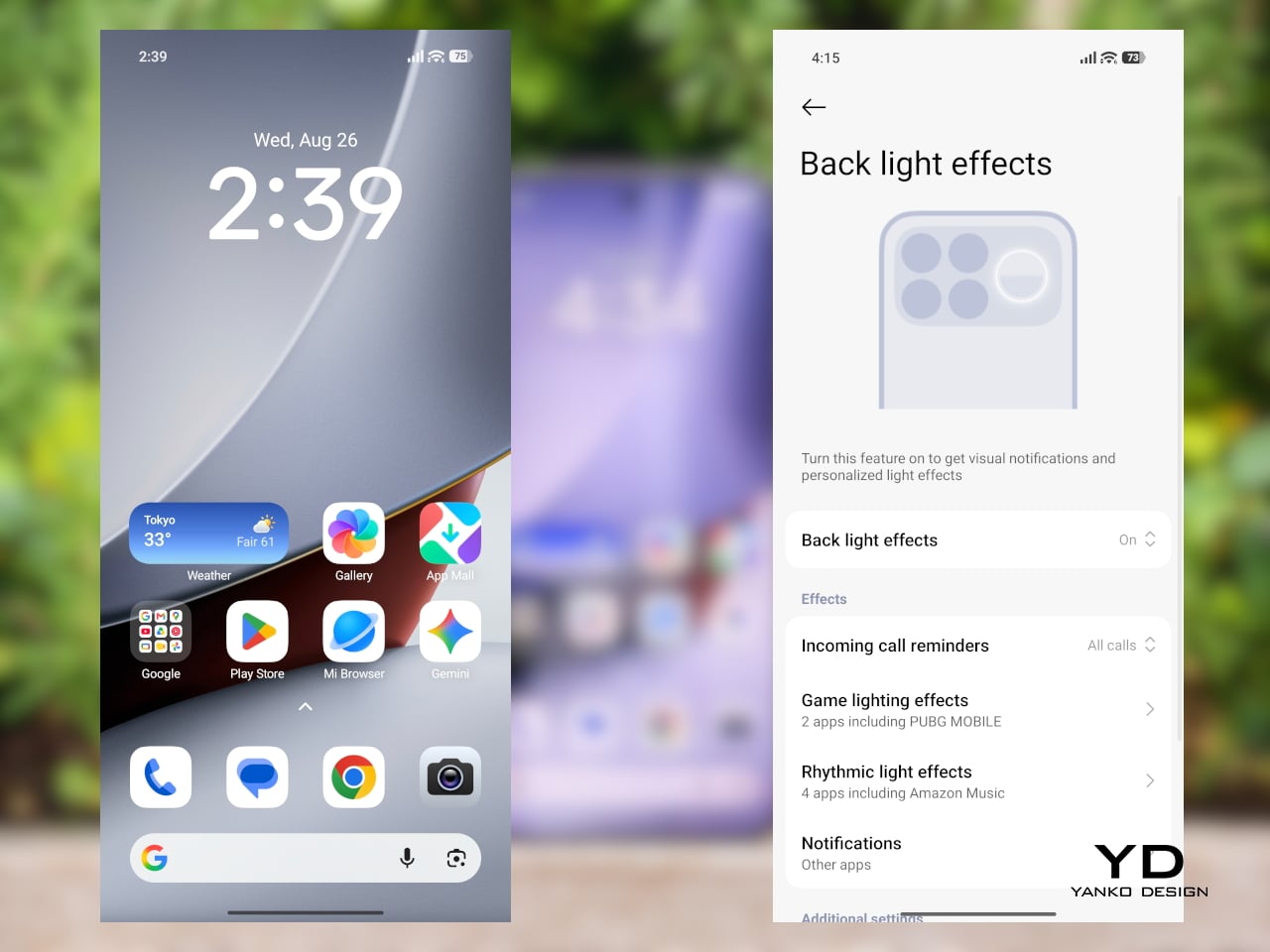
A notable addition to the F9 Ultra is a dynamic light ring built directly around the speaker grille. This feature supports personalized visual effects for incoming phone calls, active gaming sessions, and media playback. The effect itself remains clean and understated—resembling a subtle white LED accent rather than an overly flashy gaming-phone gimmick. This inclusion likely serves as Poco’s calculated way of keeping a touch of its gaming heritage alive without overwhelming the sophisticated, mature direction of the hardware design.
The available colorways tell distinct stories as well. The Dark Cherry finish serves as the more expressive option, introducing warmth and theatrical depth without crossing into gaudiness. Conversely, the Black version feels significantly more understated and technical, highlighted by a red physical side-button accent that provides a small yet effective point of contrast. Both options succeed, catering to different moods and user preferences.
Ergonomics
This more sophisticated physical presentation naturally comes with a heavier and more substantial footprint. Tipping the scales at 235 grams, the Poco F9 Ultra is approximately 15 grams heavier than the F8 Ultra, and that additional mass is felt immediately upon pickup. It sits firmly on the heavier end of modern smartphones, presenting challenges during prolonged one-time use where its size and weight are difficult to ignore.
Measuring 163.49 by 77.94 by 8.74 millimeters, its dimensions align closely with its predecessor, meaning the general footprint will feel instantly familiar to anyone upgrading from the older model. Nevertheless, it remains a wide device that is not easily managed with a single hand. The subtly curved edges do manage to soften the grip and make the handset feel slightly less severe than its raw numerical dimensions imply, though it remains a smartphone that is unquestionably optimized for two-handed handling.
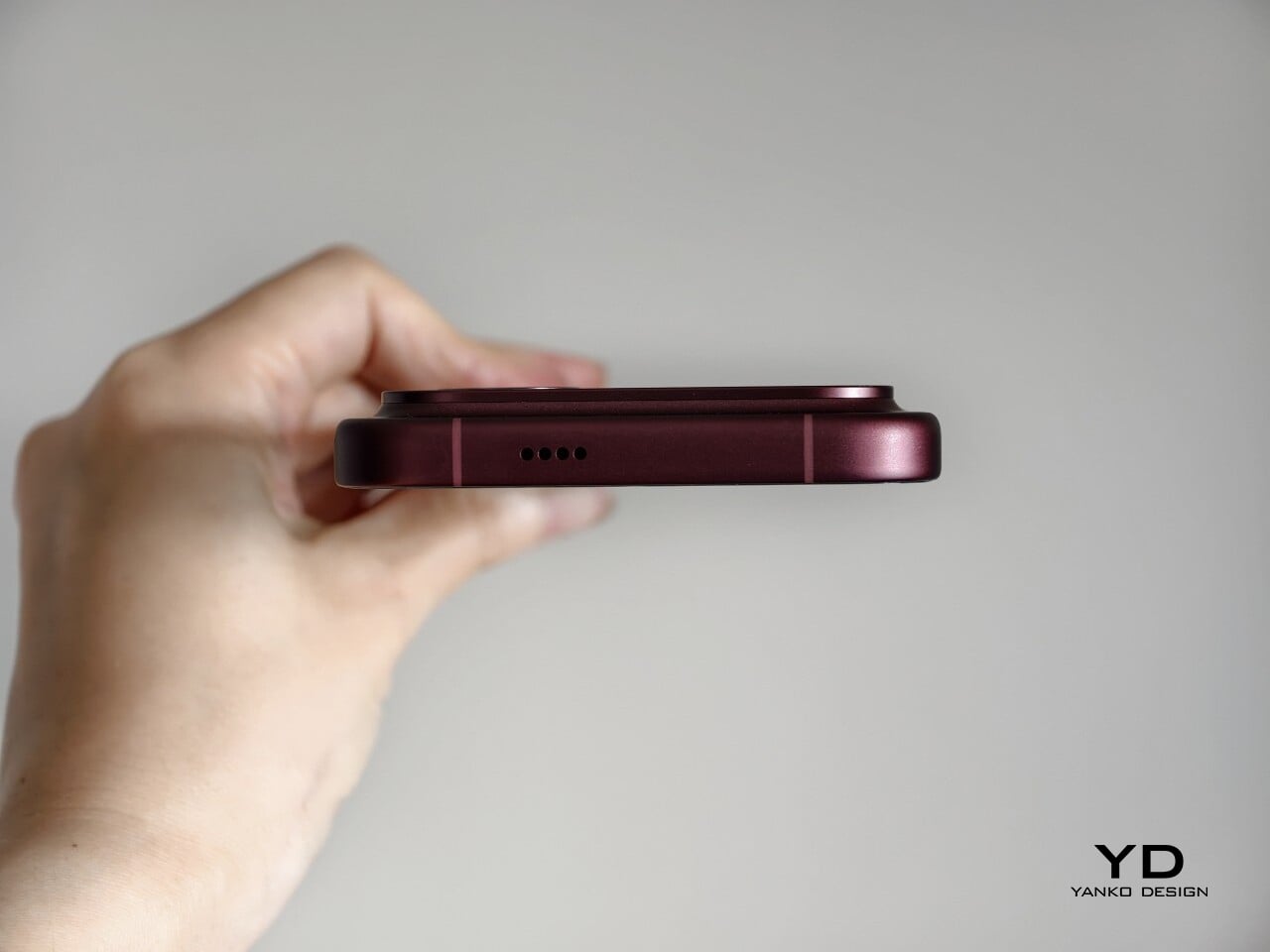
The matte finish also plays an important functional role. It feels premium and pleasant against the skin while proving notably superior at masking fingerprint smudges compared to glossier alternatives. Combined with familiar button placements and a reliable in-display fingerprint scanner, the F9 Ultra avoids requiring a steep learning curve, feeling instead like a device you simply need to adapt to carrying day-to-day.
Performance
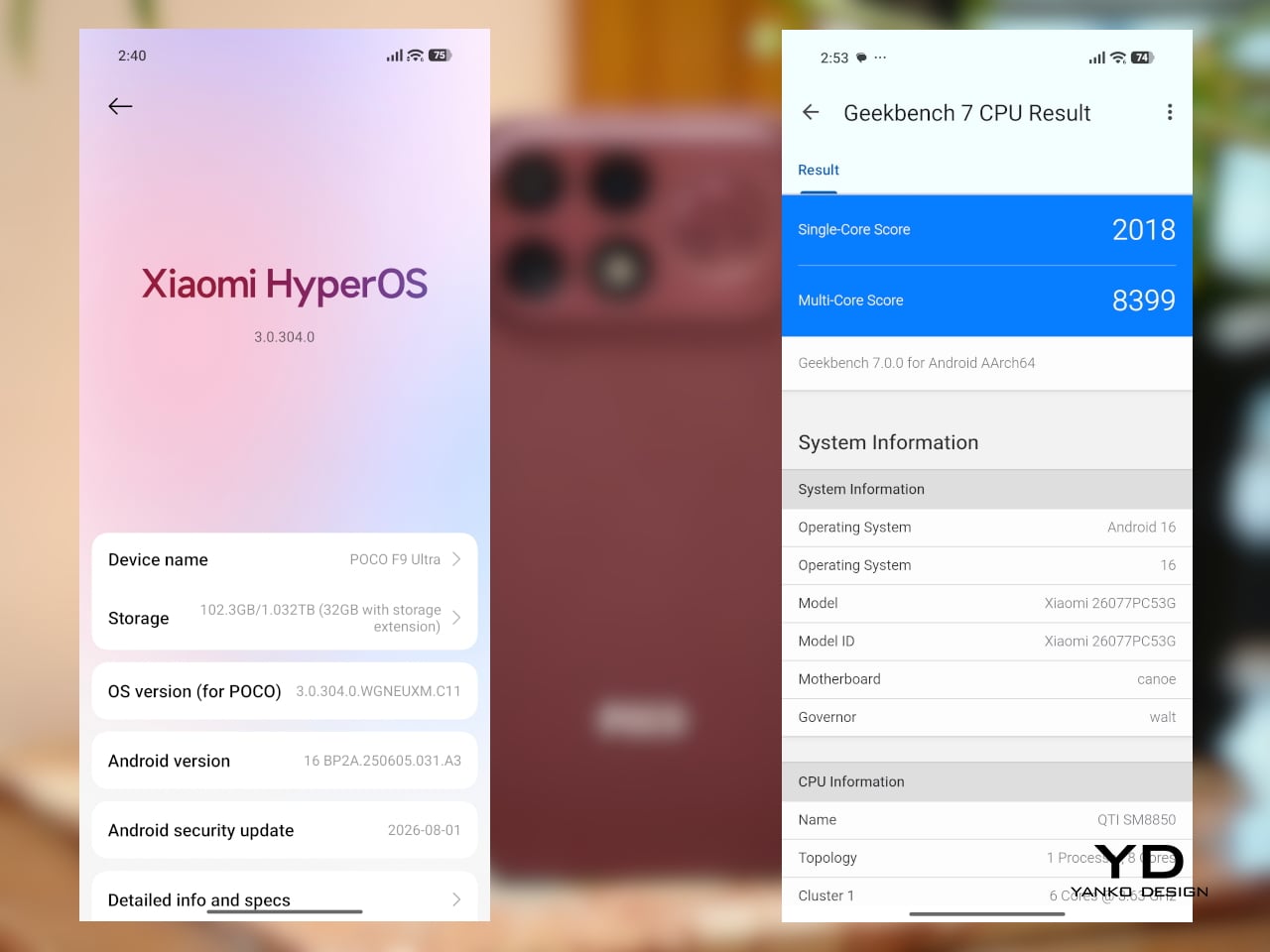
Underneath the hood, the F9 Ultra is powered by Qualcomm’s Snapdragon 8 Elite Gen 5, matching the flagship platform found in the F8 Ultra. Furthermore, Poco has retained the VisionBoost D8, a specialized secondary chip engineered specifically to enhance gaming and video rendering performance. In practical application, this means the F9 Ultra represents less of a quantum leap in raw processing power and more of a meticulous refinement of an already formidable performance architecture.
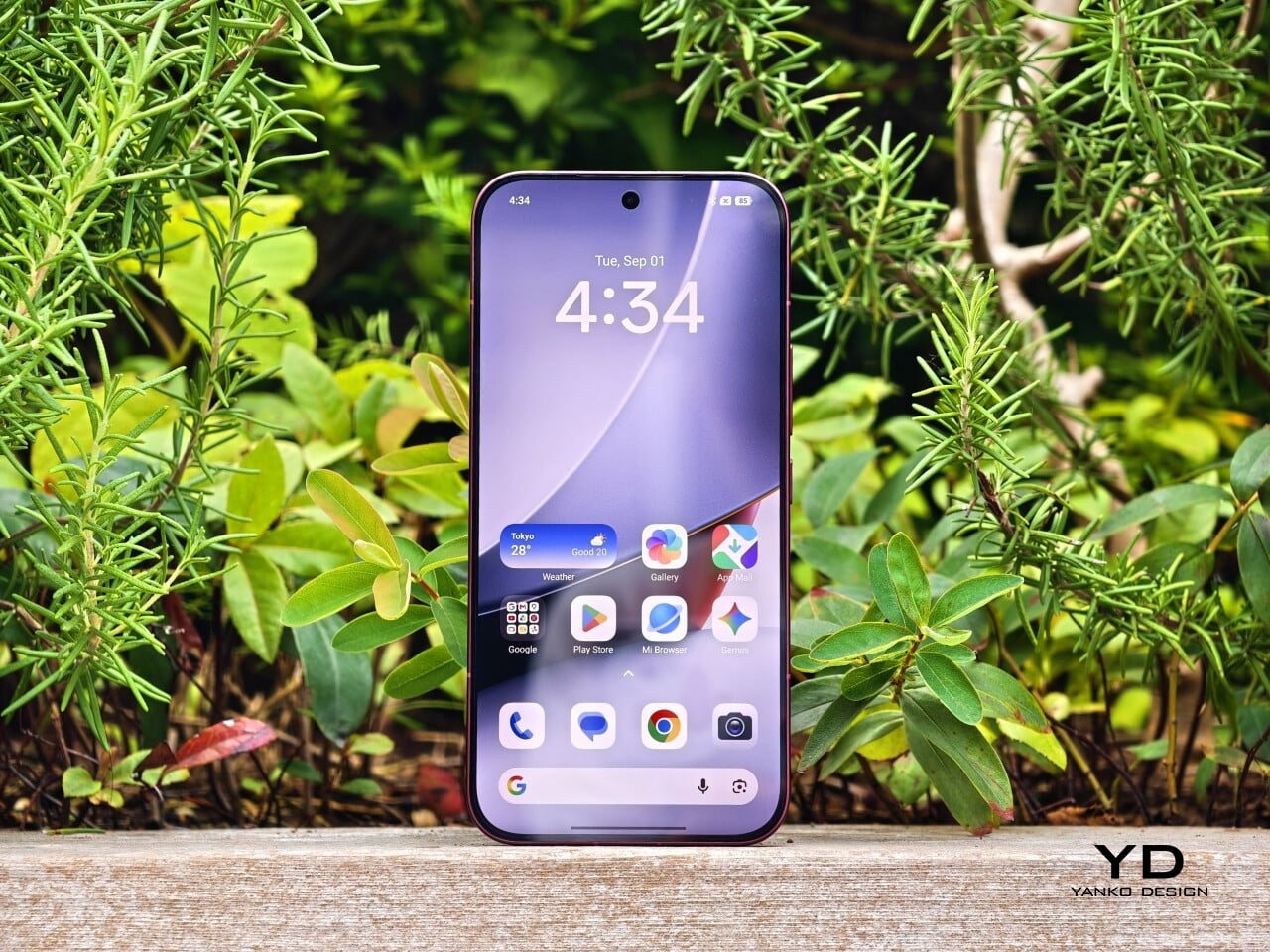
This processing muscle is paired with a sprawling 6.9-inch 1.5K AMOLED display, providing precisely the kind of immersive panel required for a device centered around media consumption. The screen is remarkably large, sharp, and vibrant, featuring a high refresh rate that grants the phone a distinct fluidity in supported applications. Beyond gaming, this smoothness carries effortlessly into system scrolling, UI animations, and general navigation.
Panel brightness represents another major selling point. Poco highlights that this is the first global product lineup to utilize new M11 luminescent materials, enabling the screen to reach an astonishing peak brightness of 4,500 nits, with HDR highlights pushing as high as 10,000 nits. While these figures are extreme, the practical takeaway is that the display remains exceptionally legible under harsh sunlight, injecting bright visual scenes with notable contrast and punch without sacrificing shadow detail.
The F9 series also pushes boundaries by supporting a 185Hz refresh rate, with optimization tailored for 24 specific mobile games capable of running at a native 185 frames per second. While the specification sounds dramatic, the real-world advantage depends heavily on the genre of the title being played. In fast-paced action games like Blood Strike, Crossfire: Legends, and Brawl Stars, the ultra-high refresh rate delivers tangible benefits. Motion appears remarkably fluid, visual updates register instantly, and inputs feel highly responsive. Conversely, in slower titles like Clash of Clans, Clash Royale, or Hearthstone, the performance gains are largely restricted to smoother UI transitions and animations rather than a distinct competitive advantage.
During a rigorous one-hour gaming session of Blood Strike running at maximum graphical settings, the F9 Ultra successfully maintained a steady 185fps without exhibiting noticeable thermal throttling or frame drops. Just as importantly, surface temperatures remained controlled at approximately 40 degrees Celsius. The internal cooling architecture clearly possesses the capacity to sustain long periods of heavy graphical load without sacrificing performance consistency.
The partnership with Bose continues to yield impressive results, with the F9 Ultra marking the second collaboration between the two brands. The Bose-tuned acoustic system stands out as one of the most distinctive features of the device, offering a marked improvement over standard mobile audio setups. Poco has redesigned the acoustic port structure and upgraded the stereo dual speakers to deliver cleaner audio fidelity and deeper bass response. Additionally, the device retains the specialized sound profile presets and a 10-band equalizer introduced on the previous generation, granting users extensive control over their audio preferences.
In everyday scenarios, the speakers deliver an expansive, rich soundstage that outperforms the vast majority of competing smartphones. Games, films, and music tracks benefit from added body and warmth, while spoken dialogue remains crisp and intelligible, avoiding the compressed audio profile typical of mobile hardware.
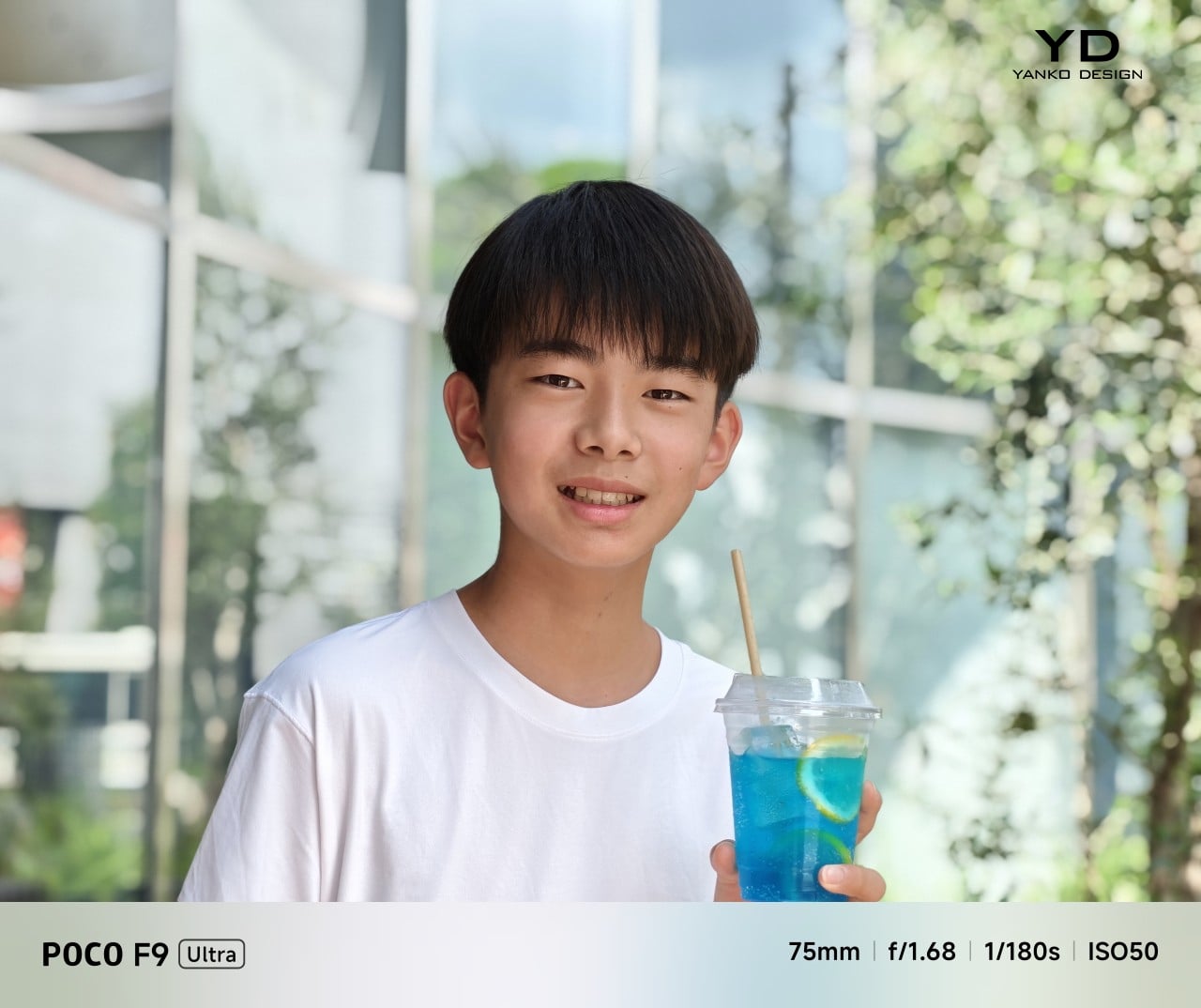
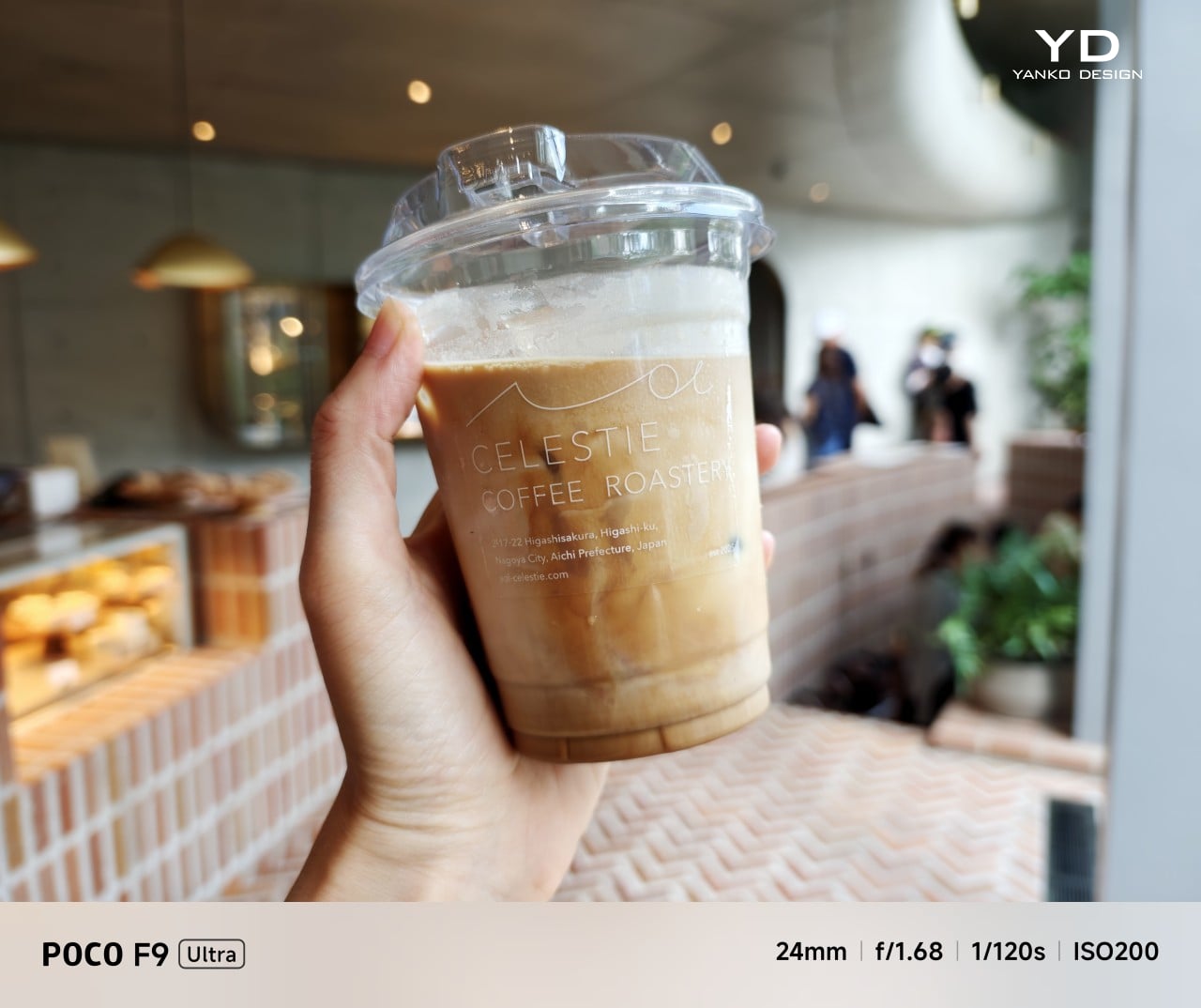
In the imaging department, the F9 Ultra shifts from a 50MP primary sensor on the F8 Ultra to a 200MP sensor, though the physical sensor size is slightly reduced from 1/1.31-inch to 1/1.56-inch. This adjustment represents a strategic trade-off rather than a straightforward generational leap. The remainder of the hardware array remains consistent, featuring a 50MP 5x telephoto lens, a 50MP ultrawide lens, and a 32MP front-facing camera.
Poco has also introduced subtle focal length adjustments, equipping the F9 Ultra with a 24mm-equivalent main camera and a 17mm-equivalent ultrawide lens, compared to the 23mm and 18mm equivalents on the F8 model. While the shift is incremental, the increased physical separation between the lenses provides a more logical transition when moving between focal lengths.
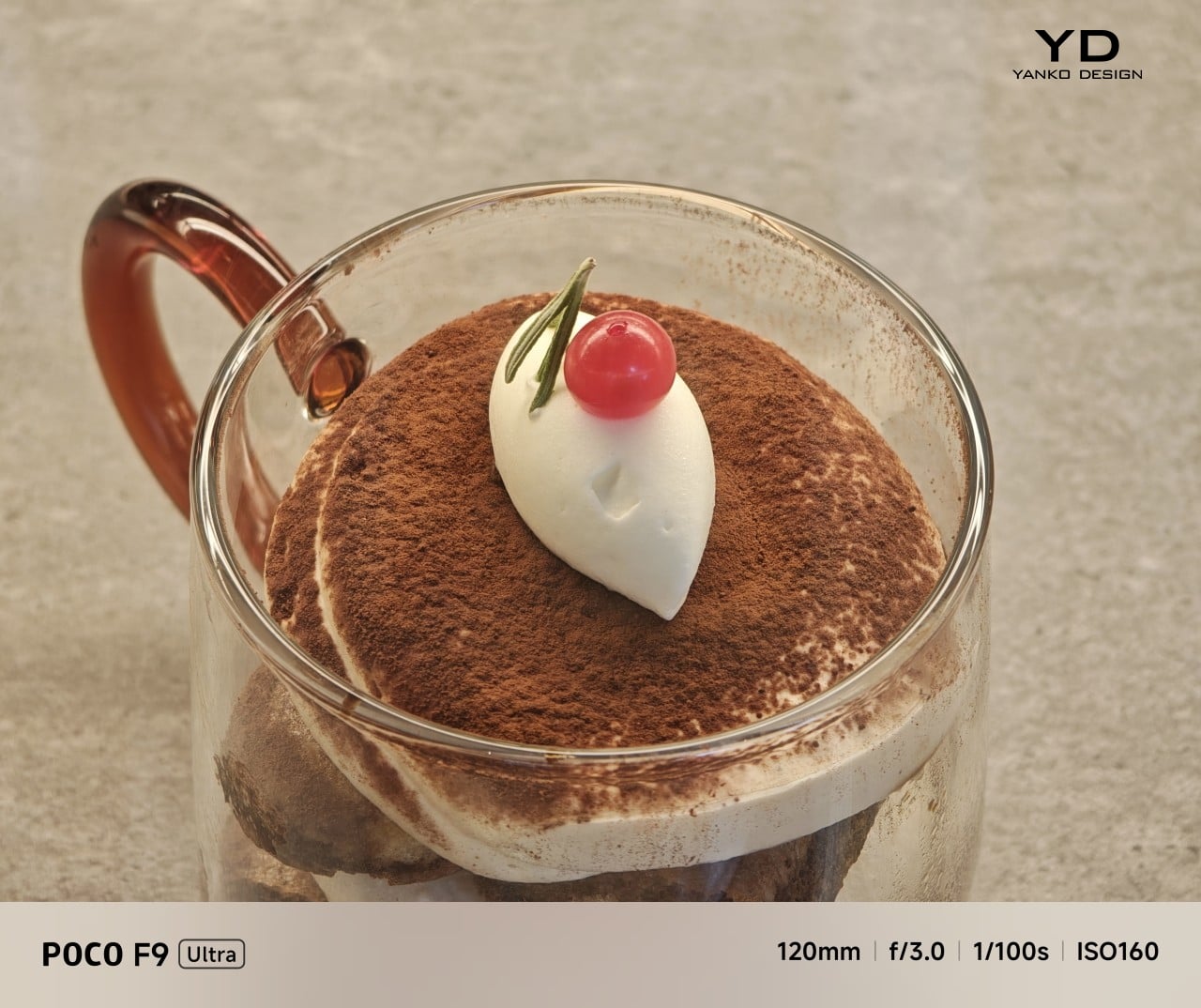
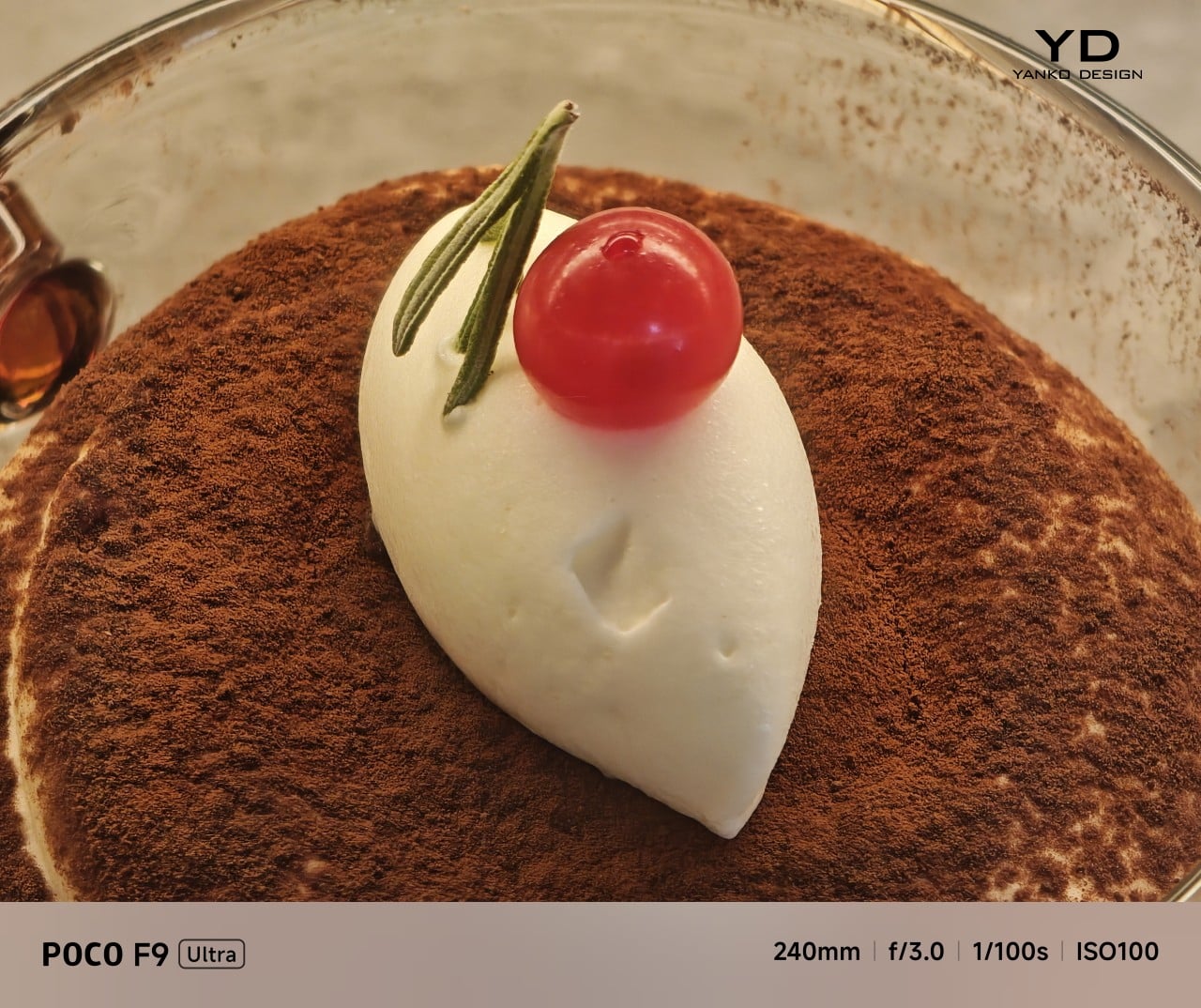
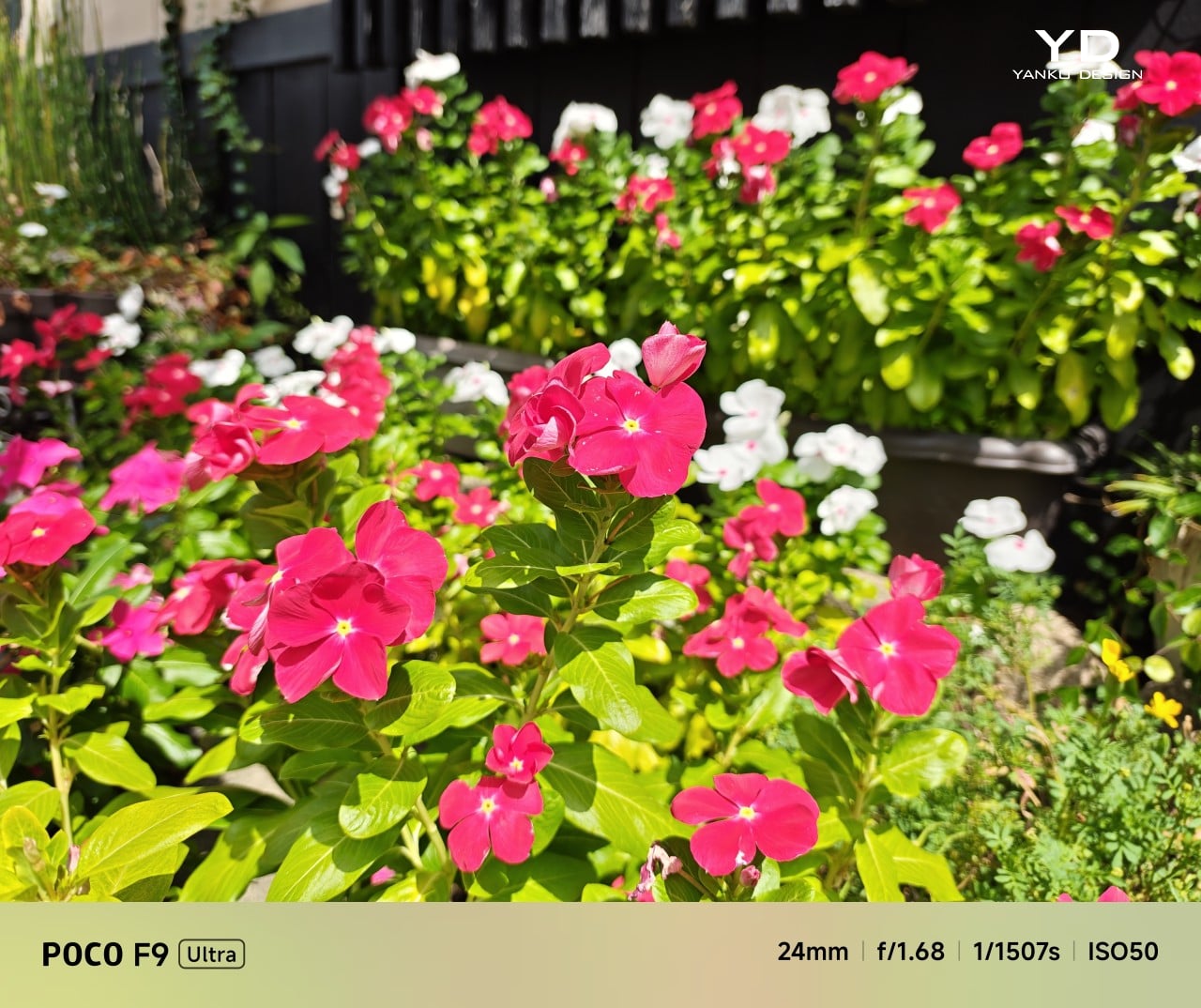
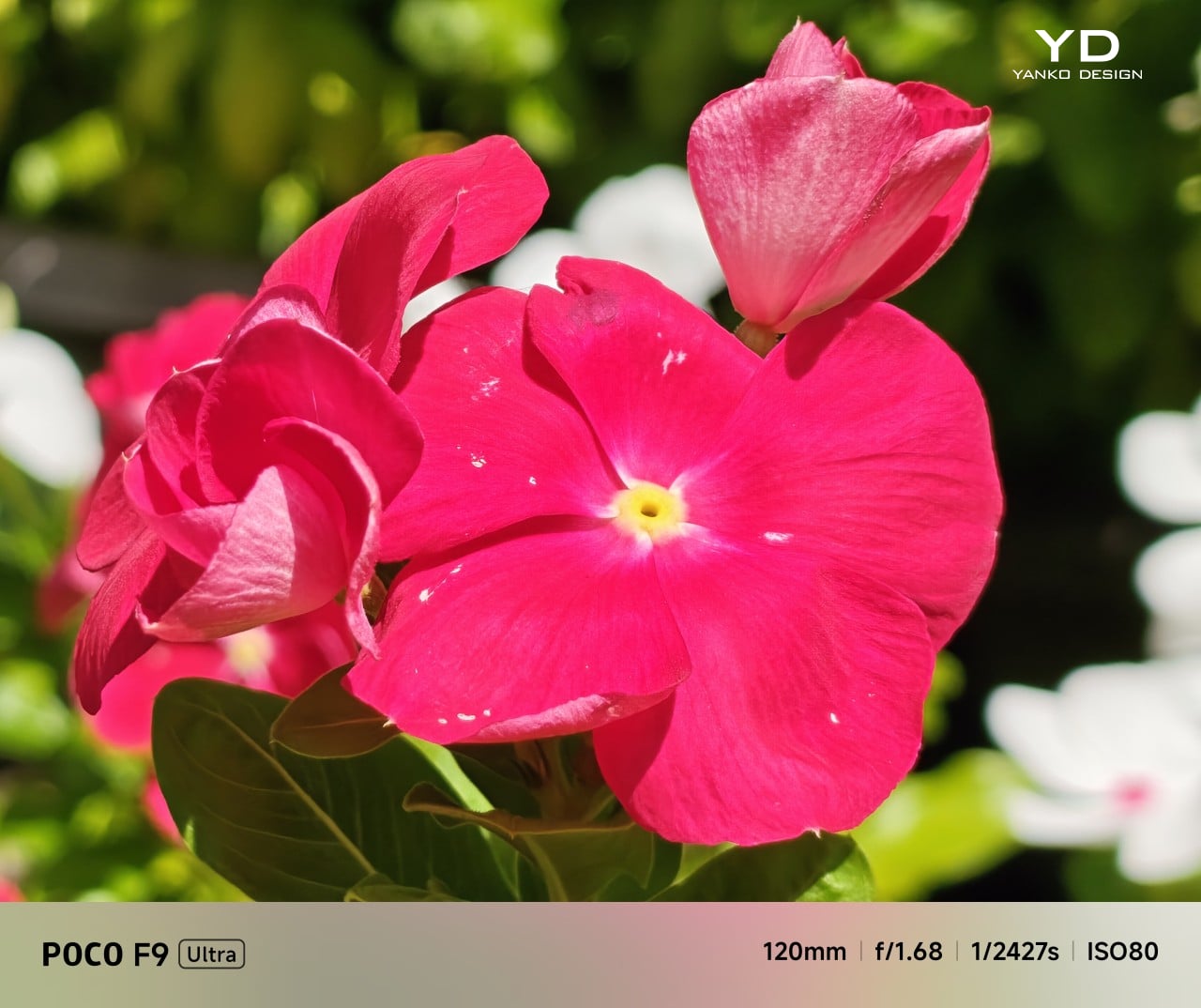
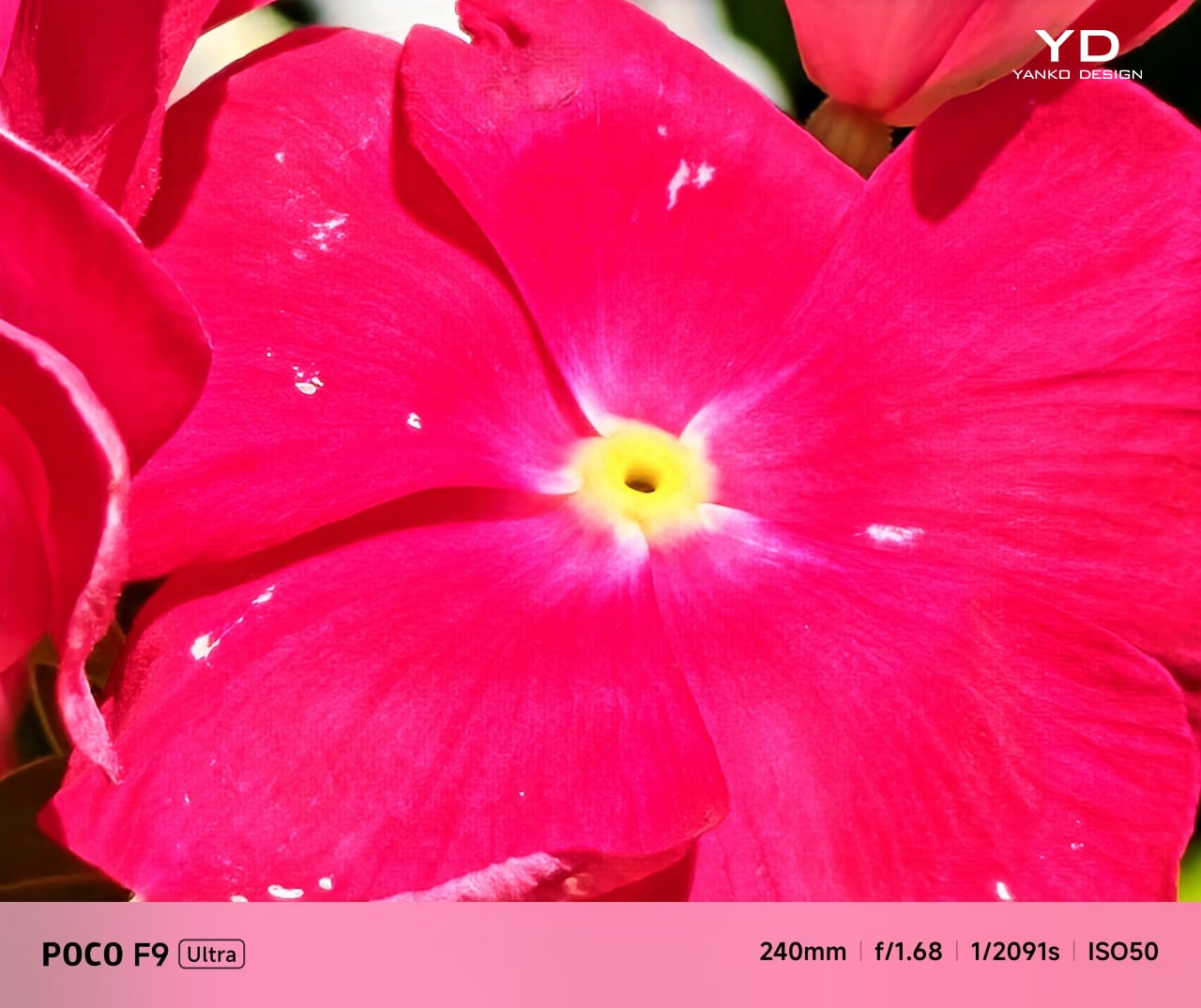
In practice, the main camera captures photographs characterized by strong detail, solid dynamic range, and vibrant color saturation. The 5x telephoto camera is equally capable, though it occasionally yields imagery with heavier contrast and boosted saturation. Video recording remains stable and sharp, ensuring the overall imaging package functions reliably for everyday documentation.
Battery endurance represents a cornerstone of the F9 Ultra experience. Equipped with an exceptionally massive 8,050mAh battery, the device easily outpaces conventional flagship standards, providing a clear advantage for heavy multimedia users and gamers. In daily use, comfortably stretching a single charge across two full days proved entirely feasible, matching the media-heavy identity of the hardware.
Charging capabilities match this capacity, supporting 100W wired charging and 50W wireless charging, alongside 27W wired reverse charging and 22.5W wireless reverse charging, rounding out a comprehensive power ecosystem.
Sustainability
While the Poco F9 Ultra does not heavily market itself around recycled materials or avant-garde eco-friendly manufacturing processes, it constructs a credible argument centered on hardware longevity. The inclusion of an IP68 dust and water resistance rating alongside Corning Gorilla Glass 7i ensures the device is well-equipped to withstand the rigors of daily wear and tear, representing a vital prerequisite for extending a phone’s usable lifecycle.
Furthermore, Poco commits to providing four major Android operating system upgrades and six years of comprehensive security patches. This software support roadmap gives the F9 Ultra a solid long-term outlook, addressing one of the most critical factors determining whether a consumer keeps a smartphone for years. While Poco may not lead the industry narrative regarding recycled component sourcing, the fundamental pillars of physical durability and software longevity are firmly established.
Value
Starting at $799 for the base configuration featuring 12GB of RAM and 256GB of internal storage, the F9 Ultra commands a $70 price increase over its predecessor. While representing a minor markup, it remains relatively restrained within the current market landscape, where many rival flagships have experienced price hikes approaching $100. This fiscal restraint is likely attributable to Poco retaining the Snapdragon 8 Elite Gen 5 platform, helping offset rising component costs in other areas like memory manufacturing.
However, as a direct upgrade for existing owners, the economic justification is less compelling. Consumers currently utilizing the F8 Ultra will find little urgent reason to transition unless they specifically desire the revised architectural design, the 185Hz display panel, or the updated 200MP main sensor. Conversely, for buyers entering the market fresh, the F9 Ultra remains one of the most compelling affordable flagship alternatives available, continuing Poco’s tradition of delivering substantial hardware value for the price.
Verdict
The Poco F9 Ultra reflects a brand successfully settling into a winning product formula. The exterior design has matured significantly, the gaming performance remains formidable, and the Bose-tuned acoustic system stands out as a genuine differentiator in a crowded marketplace. Bolstered by an enormous battery capacity and an ultra-smooth display, the F9 Ultra presents a cohesive device with a clear sense of identity.
For current F8 Ultra owners, skipping this generational release is entirely sensible, as the differences remain iterative rather than revolutionary. Yet for new buyers seeking an entertainment-focused device that prioritizes robust audio engineering and sustained gaming performance alongside flagship specifications, the Poco F9 Ultra firmly holds its ground as a top-tier contender in the affordable flagship segment.