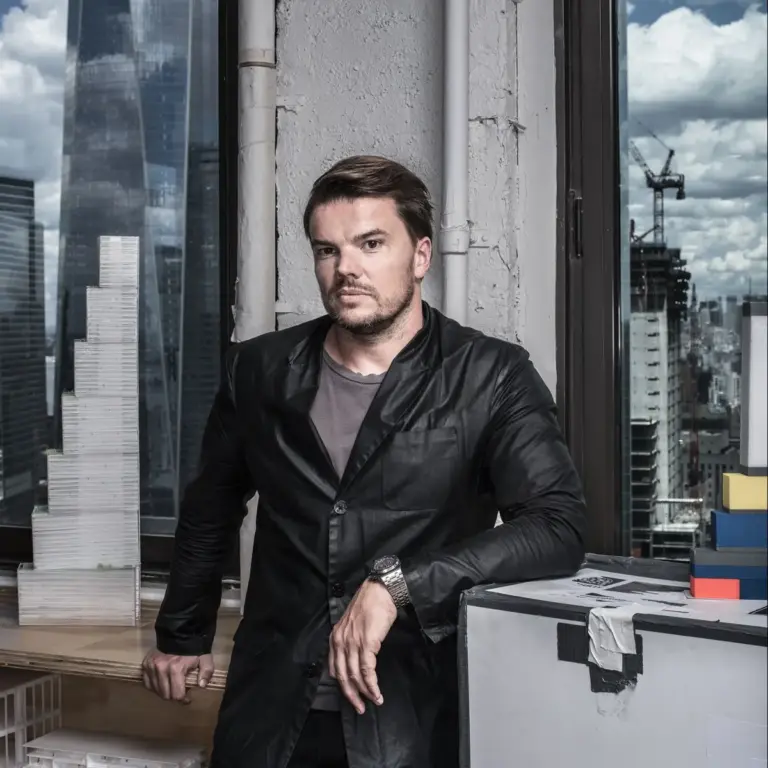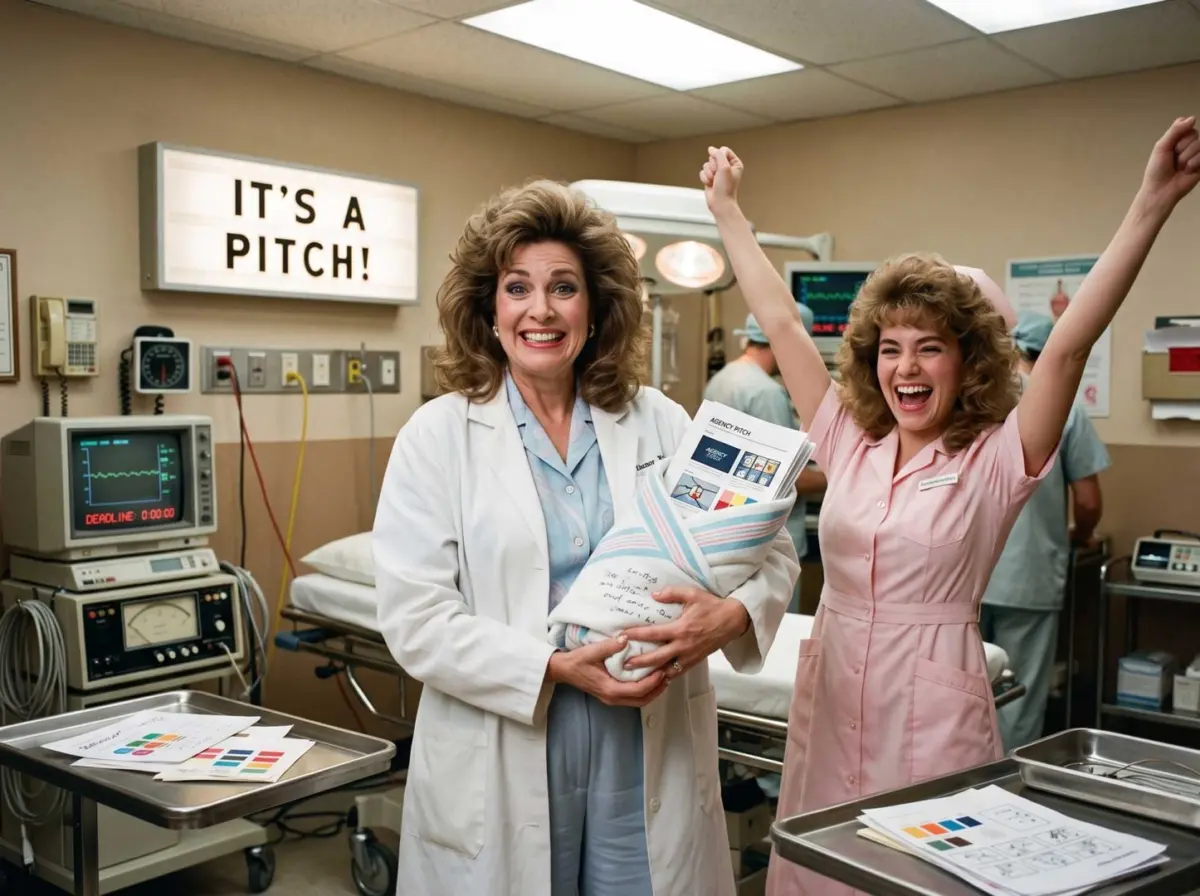
In the latest installment of his ongoing Stash editorial series analyzing the ecosystem of creative pitching, Nerdo Executive Creative Director Claus Cibils has turned his critical eye toward a pervasive industry phenomenon: the tendency of the pitching process to operate in a perpetual state of emergency.
Published on Saturday, September 12, 2026, Part 16 of the series—titled “We Keep Running Part I: If This Is a Real Emergency, Dial 911”—dissects the psychological and operational mechanics that turn standard creative requests into frantic, high-anxiety ordeals for design studios, animation houses, and production companies worldwide.
Cibils opens the editorial by reflecting on his childhood in Venezuela, recalling how he used to watch genuine surgical procedures on the television program Diagnóstico on VTV Channel 8. Watching real doctors and patients in actual operating rooms with high stakes somehow left him unfazed. Yet, despite those early exposures to high-stakes medicine, he chose a career in the creative industries, which at the time seemed like the calmer, safer professional path.
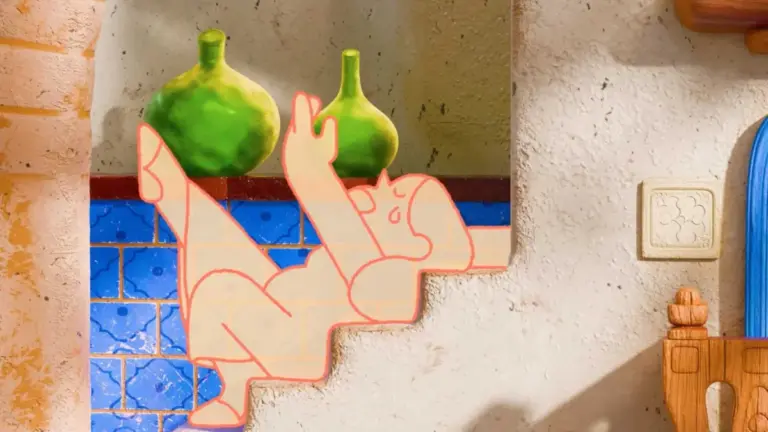
Looking back, Cibils notes the irony of that choice, observing that pitching creative work can frequently feel less like a modern design studio and more like a "Fisher-Price trauma center for a PDF."
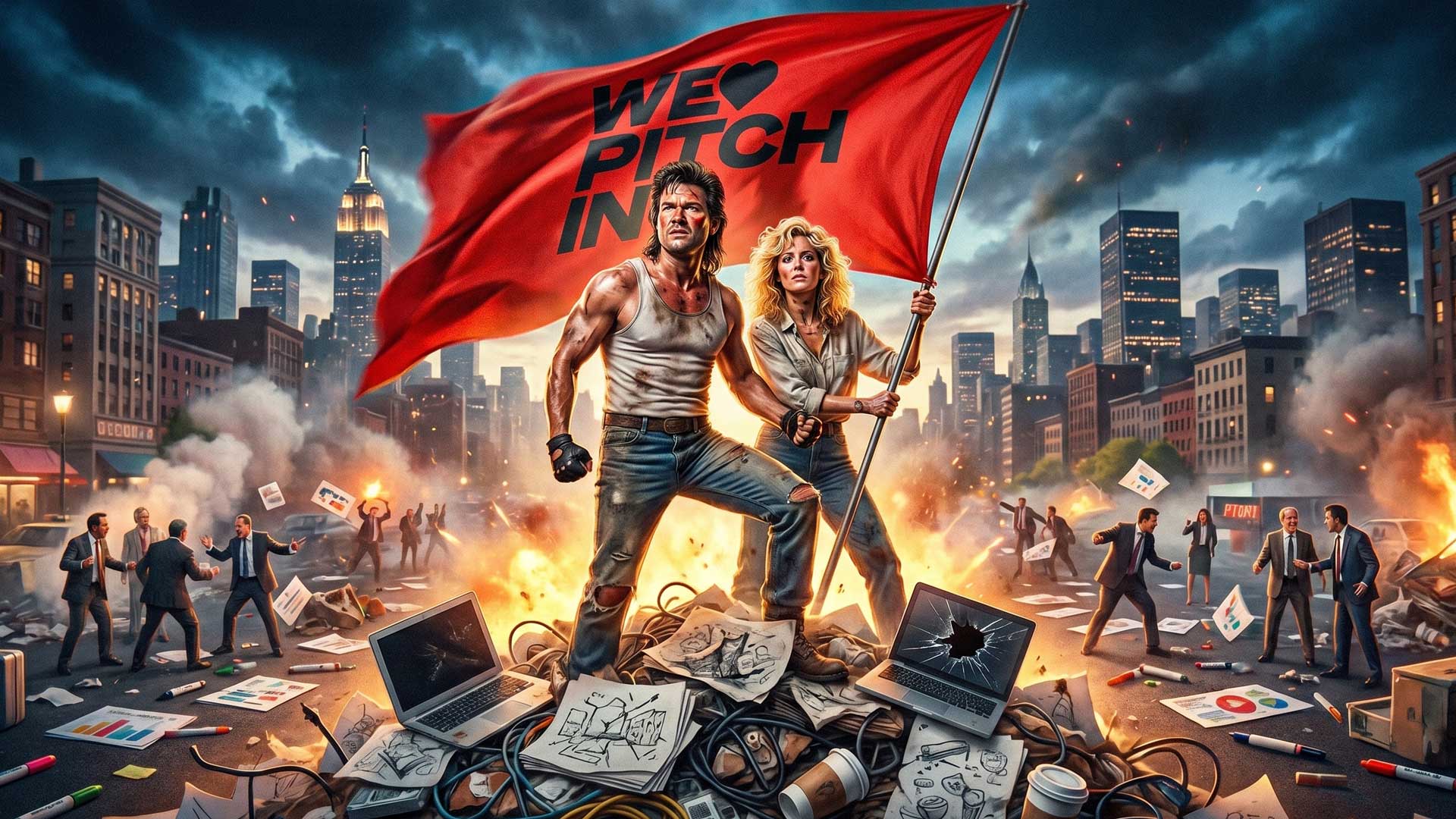
According to the Nerdo ECD, the typical trigger for this frantic dynamic is deceptively routine. A reel request arrives, and an entire team instantly springs into action. A four-day pitch lands on a desk, and calendars are thrown into immediate disarray. A vague, poorly defined brief enters the room, prompting team members to behave as though an entire family of raccoons needs urgent rescue before sunset. Pitching, by its very nature, is creative work conducted under pressure.
However, Cibils draws a sharp distinction between productive pressure and manufactured emergency. At its absolute best, pressure can serve a useful purpose within a creative environment. It sharpens focus, generates vital momentum, and compels teams to make decisive choices. Good creative teams move fluidly, strong partners respond with agility, and compelling ideas often benefit from a bit of constructive heat.
Yet, Cibils stresses, pressure is fundamentally different from an emergency. No one in the creative pitching process is actively coding blue. No one is physically running into a burning building, and no one is losing a patient on an operating table. The industry is engaged in making films, crafting advertising campaigns, producing animations, building decks, designing treatments, gathering references, and conceptualizing visual worlds and ideas. While this work is undeniably important to the businesses and clients involved, it is ultimately not a matter of life and death, nor is it world-ending.
This raises a central, troubling question for the industry: Why does pitching so frequently feel as though an alarm has already been pulled before a project has even officially begun?

Cibils identifies this disconnect as a strange emotional equation embedded deep within the modern pitching system. The current framework systematically converts ordinary pressure into a manufactured emergency. It frames absolute urgency as concrete proof of creative commitment, treats incomplete and ambiguous information as a punishing test of endurance, and views participation in a chaotic cycle as a basic professional reflex.
The mechanics of this system are familiar to anyone working in the creative sector. A pitch comes in carrying a problematic timeline. The project brief is partial, the budget parameters remain entirely unclear, and the review path is foggy at best. Meanwhile, the studio’s internal team is already heavily burdened with existing production work. Despite these glaring warning signs, someone invariably speaks up and utters the fateful words: "Let’s take a look."
That single phrase serves as the ignition point for the entire machine. In practice, Cibils notes, "let’s take a look" rarely means a casual, passive observation. Instead, it triggers an immediate cascade of operational stress. It means checking staff availability, scrambling to pull references, texting directors, calling freelance producers, attempting to estimate costs for an undefined project scope, asking busy professionals to hold dates on their calendars, and opening up a blank design deck long before anyone has reached a consensus on what the actual opportunity entails.
More often than not, studios dive into this vortex before they possess sufficient information to make an informed choice. They do it because the opportunity might turn out to be real. They do it because the prospective client could be a great partner, because maintaining the relationship with the agency matters, or because they operate under the persistent fear that a competing studio will say yes if they decline. They do it because this particular pitch might finally be worth the immense effort. It is a long list of justifications for a process that continues to offer very few concrete answers.
This ongoing cycle explains how emergency culture manages to sustain itself indefinitely. The phenomenon is not driven by a single villain, a uniquely bad client, a uniquely chaotic agency, or a desperate studio. Rather, it persists because every participant across the industry has learned and internalized the exact same survival reflex: move first, ask questions later, fiercely protect every possible opportunity, and stay in the game at all costs. Over time, this behavior has calcified into institutional survival memory.
Cibils acknowledges that genuine emergencies do occur within the industry. Product launches shift, market conditions change rapidly, and clients face authentic, external pressures. Agencies frequently inherit tight timelines that they had no hand in designing, just as studios receive late briefs simply because someone else received them late further up the chain. These logistical realities are an unavoidable part of the business.
Nevertheless, Cibils argues that the current baseline is unsustainable. It defies logic that every incoming reel request is needed in less than 24 hours, only to be followed by three days of total silence, culminating in shortlisted teams being given a meager four days to build a complete pitch, followed by yet another period of radio silence. It is unreasonable that every brief arrives fundamentally incomplete and that vital answers invariably arrive too late to meaningfully shape the creative work.
Eventually, this pattern ceases to be an occasional exception and hardens into the permanent operating condition. When everything is treated as a critical emergency, true urgency loses all meaning. This is no longer merely a planning or scheduling oversight; it represents a fundamental system design failure.
Because every request feels urgent, critical questions are routinely postponed. Studios forward the reel, sign the non-disclosure agreements, ask too few questions, and ask them too late. They learn to treat missing information and structural chaos as standard weather patterns. In an environment where everyone is constantly running on fumes, no one has the time or bandwidth to step back and question the systemic flaws of the process itself.
Pitching has eagerly adopted the outward behaviors of an emergency without any of the actual stakes. In nearly every other professional industry, operational urgency commands a financial premium. In creative pitching, however, extreme urgency is treated as the standard baseline and is routinely assumed to be entirely free of charge.
As part of the ongoing We Love Pitching initiative, Cibils continues to advocate for a fundamental reevaluation of how the industry plays the game, urging creators, producers, and agencies to rethink the unsustainable dynamics that govern their daily work.