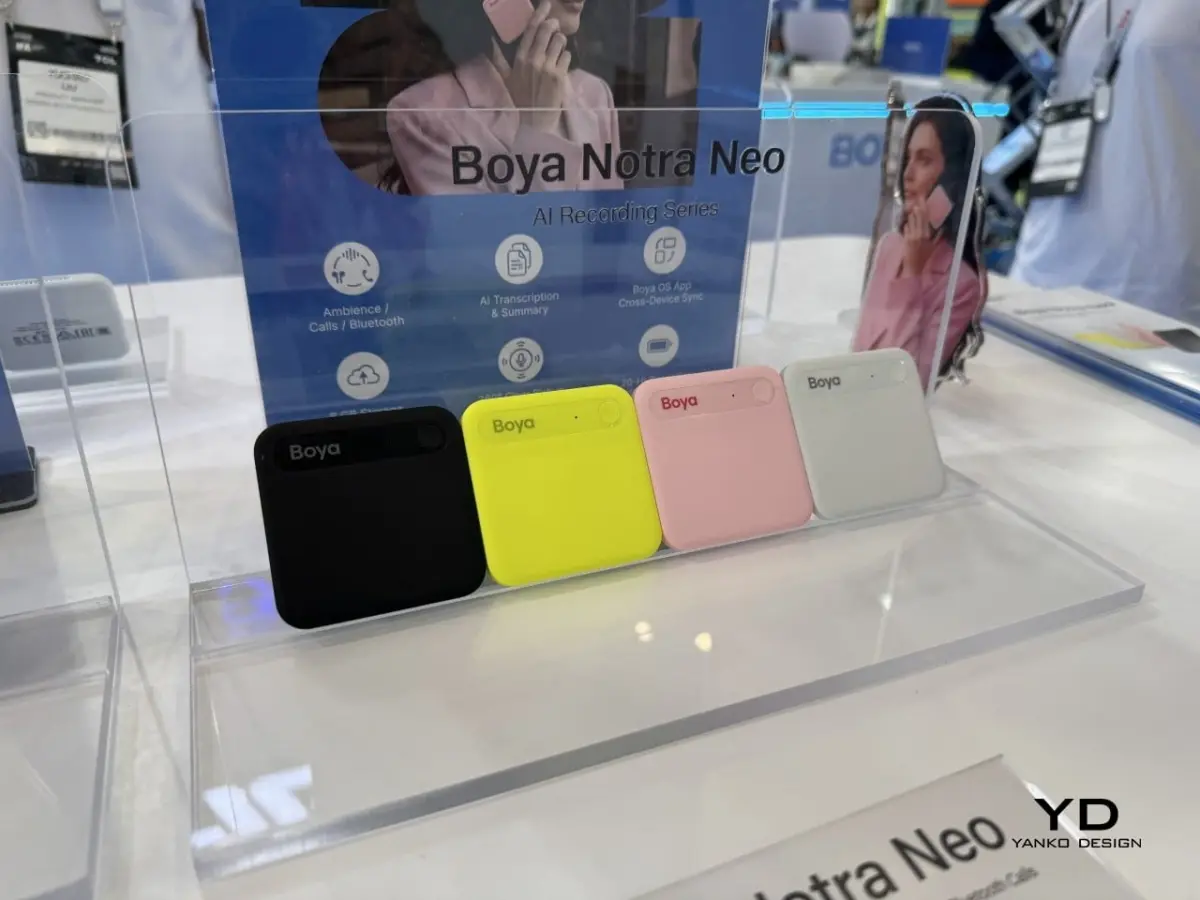
In the modern professional and academic landscape, conversations rarely stay confined to a single physical space or medium. A university lecture can easily bleed into a collaborative study session over Bluetooth earbuds, just as a morning work call can rapidly transition into a complex video meeting minutes later. In the shuffle of shifting environments and communication channels, crucial details, action items, and insights frequently slip through the cracks. Addressing this modern friction, audio specialist Boya has introduced the Notra Neo, its second-generation AI note-taker engineered specifically to bridge the gap between fragmented audio environments without requiring manual user intervention.
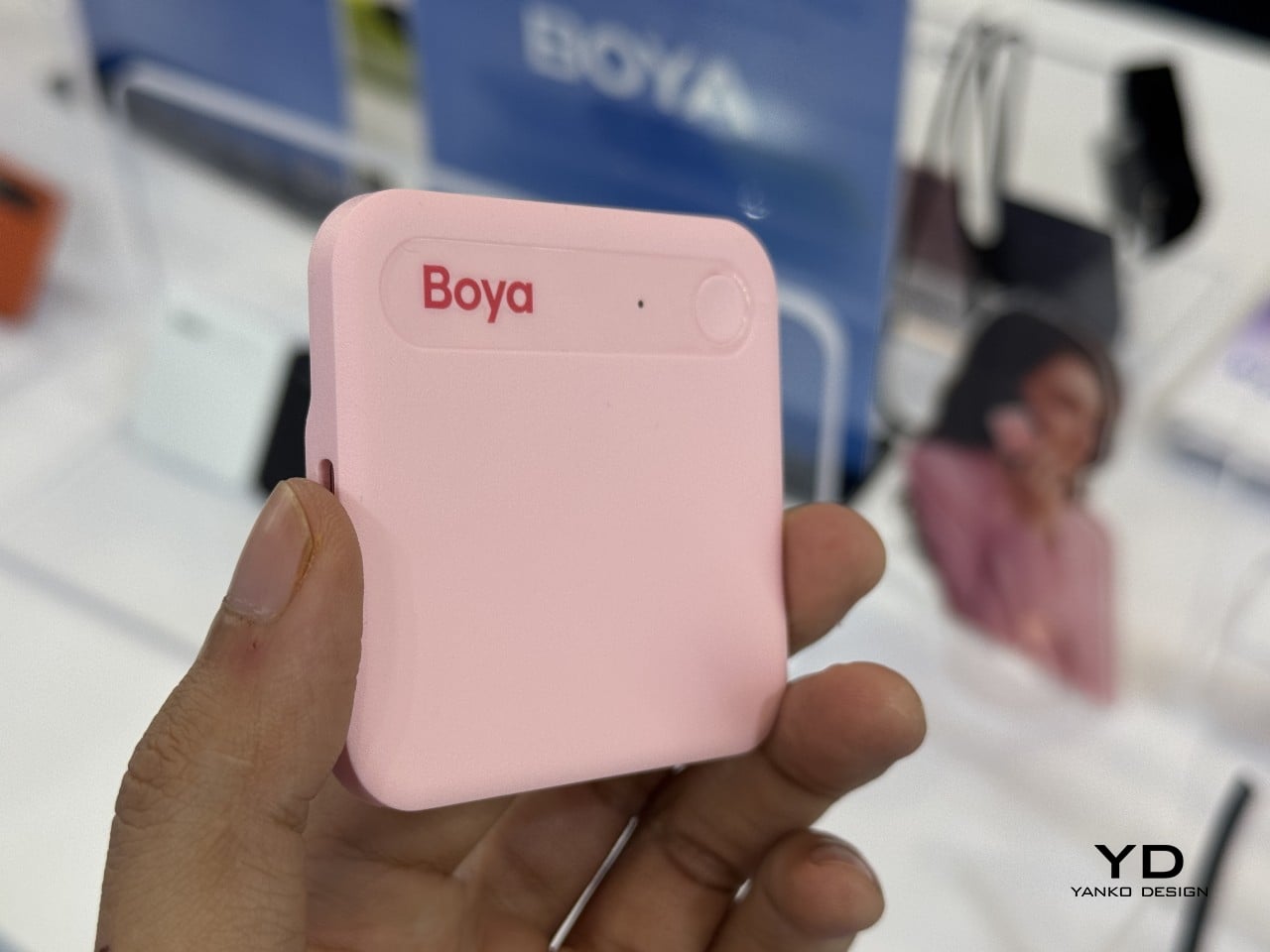
Scheduled for an official debut at IFA 2026 in Berlin this September, the Boya Notra Neo centers its design philosophy around intuitive adaptability. The device is built to automatically sense whether a user is sitting in a physical classroom, speaking on a phone call, or listening through a wireless headset, instantly adjusting its recording parameters without forcing the user to touch a single button or toggle a setting.
That high degree of adaptability forms the core design narrative of the Notra Neo. While many multi-mode audio gadgets and AI recorders on the market place the burden of choice back onto the user—requiring manual switching between modes for different scenarios—that friction ultimately defeats the primary convenience of having automated options in the first place. Boya’s engineering approach removes this extra administrative step entirely, allowing the hardware to intelligently read the room and adapt on the fly.
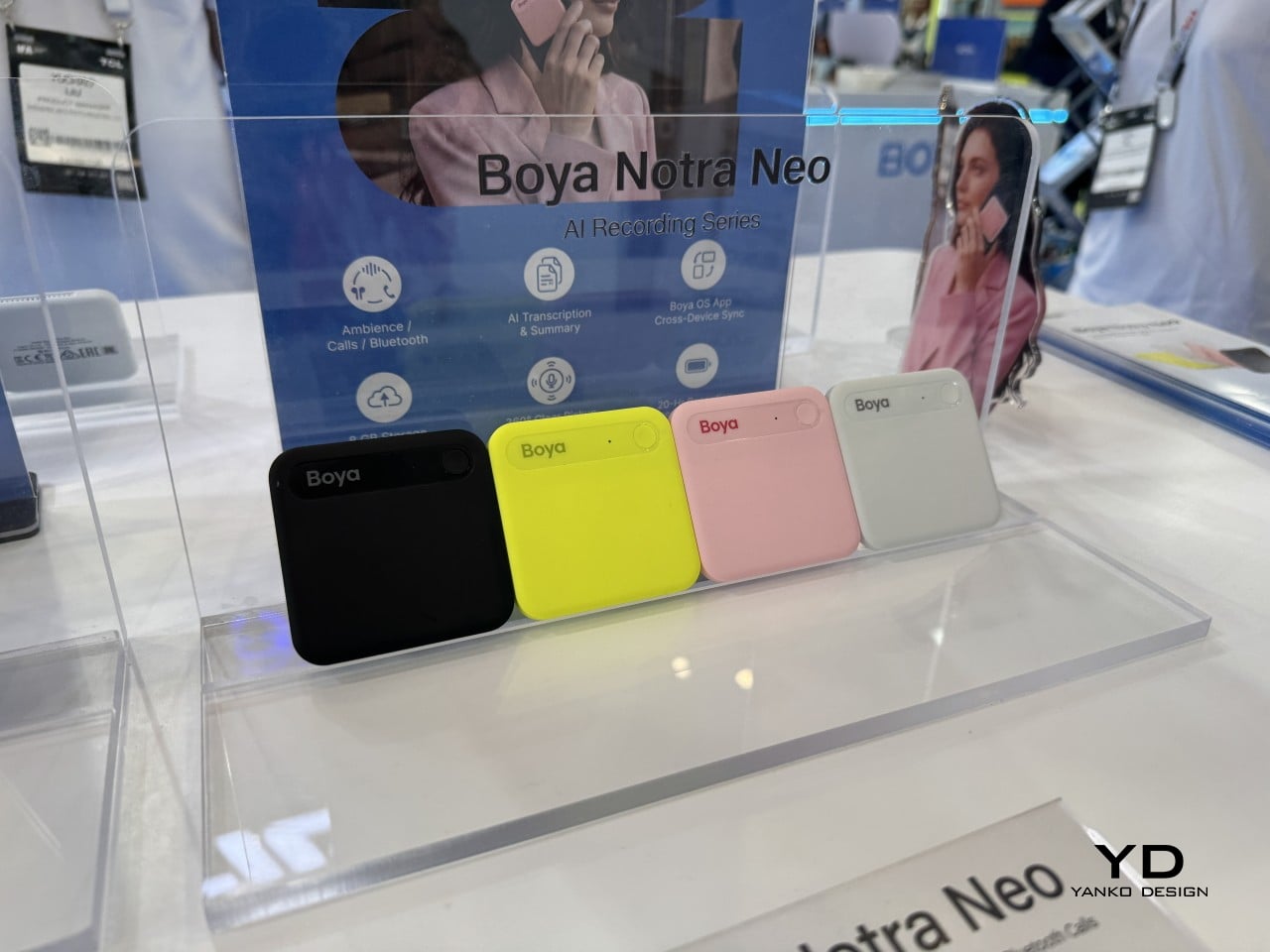
To achieve this seamless transition, the Notra Neo operates across three distinct recording modes: Ambient, Phone Call, and Bluetooth. Each mode is tailored to a specific communicative paradigm, ensuring that regardless of how a conversation unfolds, the audio capture remains pristine and contextualized.
Ambient Recording is designed to handle face-to-face interactions, such as university lectures, corporate board meetings, in-person interviews, and dynamic group discussions. In these environments, a microphone needs to capture an entire room rather than just the individual holding the device. To solve this, Boya has integrated a 16-foot, or 5-meter, clear 360-degree audio pickup range. This extended reach ensures that whether a student is sitting at the very back of a sprawling seminar hall or a professional is positioned at the far end of a large conference table, every spoken word is caught with crystal clarity.
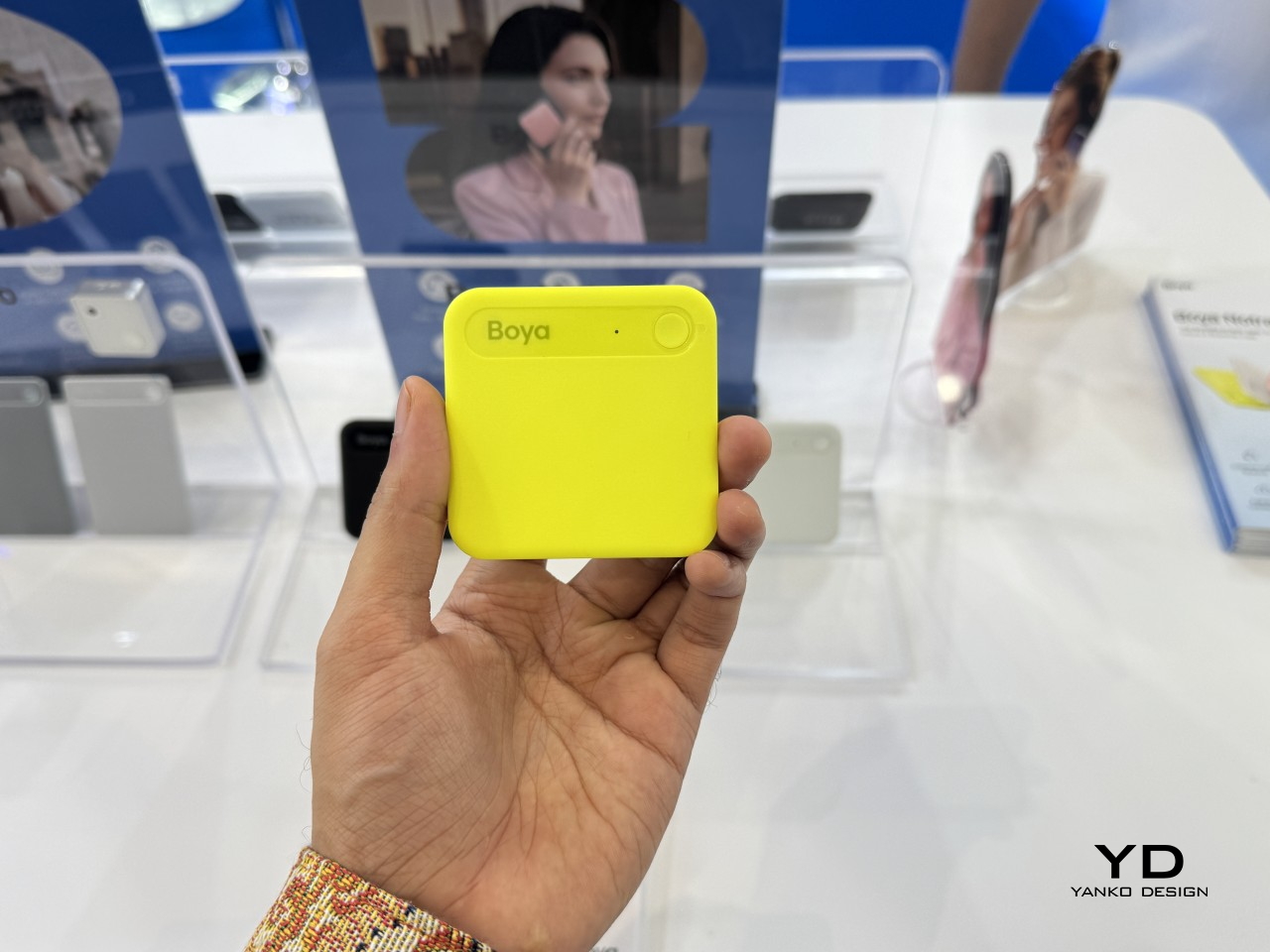
Phone Call Recording handles traditional cellular voice communication seamlessly, capturing standard calls without requiring complex routing or auxiliary setup procedures. Meanwhile, Bluetooth Recording addresses the increasingly dominant format of virtual communication. This mode captures audio flowing directly through connected devices rather than traveling through open air. It covers online classes, virtual conferencing platforms, and remote video interviews—the kinds of interactions that happen entirely through a headset or wireless earbuds. By incorporating this dedicated Bluetooth capture layer, the Notra Neo explicitly acknowledges how much of modern professional and academic communication now occurs through personal audio peripherals rather than traditional acoustic spaces.
Once a conversation has been successfully captured, the Notra Neo moves past simple audio storage into comprehensive transcription. The device processes recordings into written text across more than 140 languages and dialects, utilizing advanced speaker labeling to tag precisely who said what during the exchange. This speaker attribution feature holds significant practical value for anyone who has ever attempted to manually transcribe a multi-party discussion, only to find the notes degrading into an amorphous wall of unattributed text. For multilingual classrooms, international academic programs, and globally distributed corporate teams, this robust transcription framework ensures that reviewing a complex conversation does not depend entirely on catching every nuance during the live exchange.
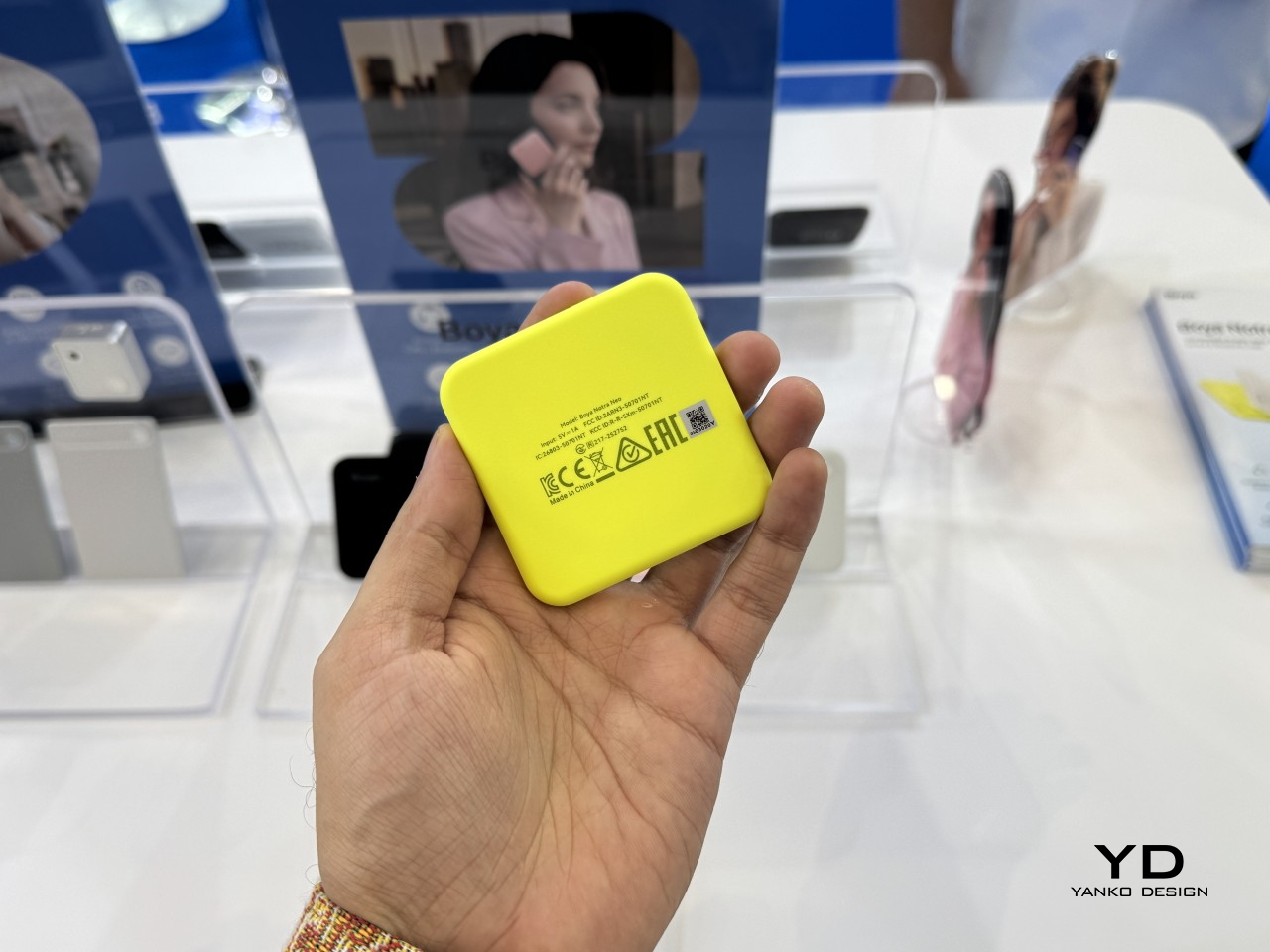
However, raw transcripts are treated merely as foundational material within the Notra Neo ecosystem. The device’s accompanying artificial intelligence engine transforms these textual records into structured summaries, actionable to-do lists, complex mind maps, and high-level conceptual insights. Users can choose from more than 60 specialized templates tailored to different types of conversations. A sprawling university lecture is systematically distilled into a structured set of revision notes rather than leaving the student to sift through hours of raw audio files. A corporate meeting is automatically organized into a concise list of definitive decisions and assigned follow-up actions, while a customer discovery call becomes an easily searchable repository of client requirements and feedback.
Complementing these generation tools is an AI Search function, designed to eliminate the tedious process of scrubbing through hours of recorded audio to find a specific piece of information. Users can simply query the system for a particular topic, allowing them to instantly surface a critical decision made during a meeting weeks prior or pull an exact quote from an archived interview. All of this content is centralized within the proprietary Boya OS application and its accompanying web platform, ensuring that data remains seamlessly synchronized across multiple devices. Furthermore, transcripts and generated summaries can be exported in a variety of standard formats, including audio files, text documents, and visual mind maps, ensuring the information integrates smoothly into whatever digital workflow a user already relies upon.
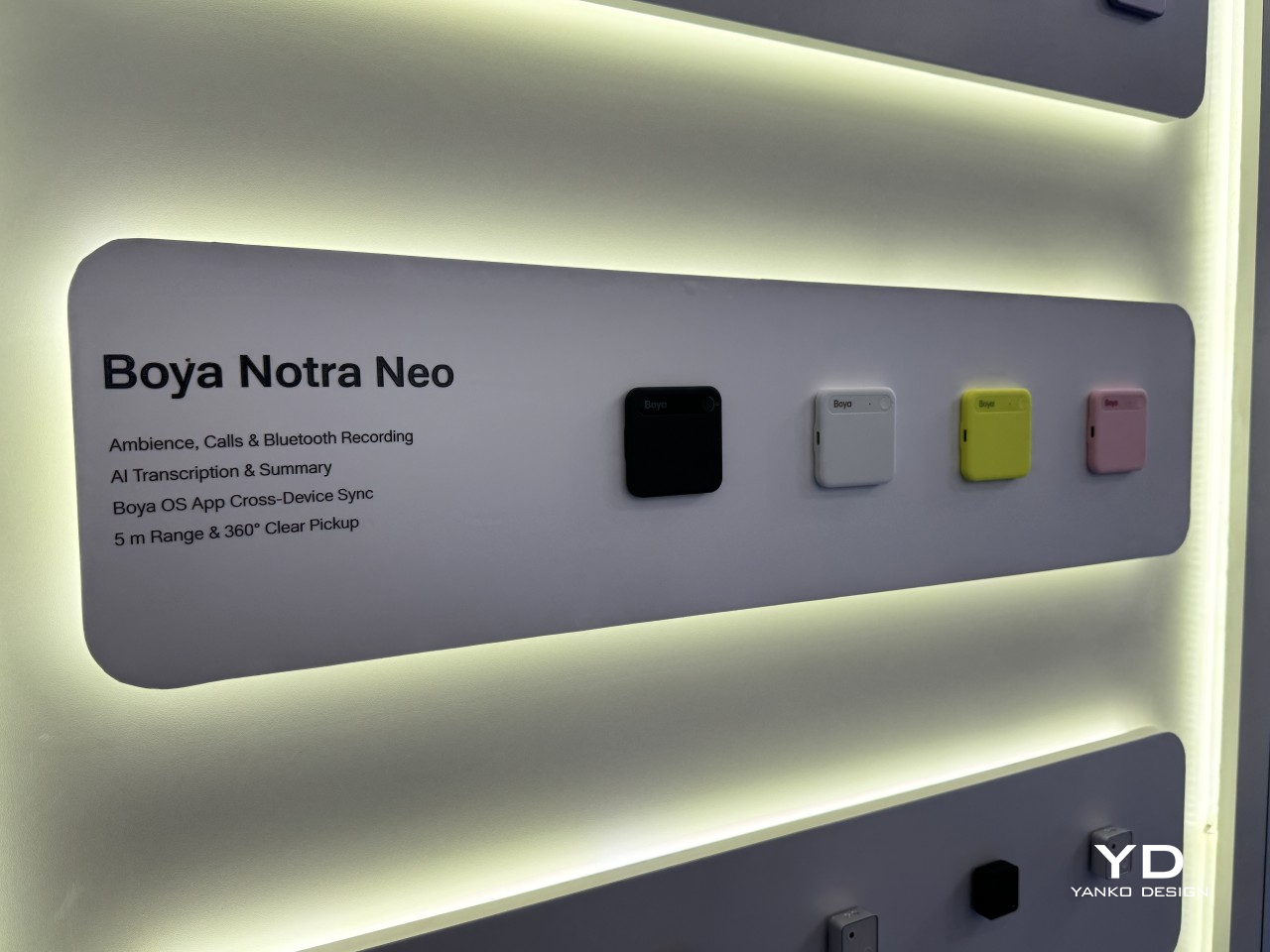
Underpinning these software capabilities is a hardware architecture built to endure intensive day-to-day use. The Notra Neo provides up to 20 hours of continuous recording on a single charge and features 8GB of built-in local storage. This capacity is more than sufficient to carry a student through a full academic semester of lectures or a professional through a multi-day industry conference without the constant need to hunt for an available electrical outlet. Despite this robust endurance, the physical body of the device remains remarkably compact, designed to slip effortlessly into a pocket, a minimalist pouch, or a pencil case, allowing it to be carried anywhere without a second thought.
Ultimately, what distinguishes the Boya Notra Neo in an increasingly crowded market of AI-powered productivity tools is not a single isolated specification, but rather its deliberate commitment to building a recorder around natural human habits rather than demanding that users alter their behaviors to suit the technology. By streamlining complexity and automating the technical management of multi-mode recording, Boya’s second-generation device leaves users with fewer settings to manage and more attention to dedicate to the actual conversation—fulfilling the fundamental promise of productivity hardware from the very start.