An RTS is only as good as its campaign. Sure, it is the competitive multiplayer side of things that gives these games their long tail—StarCraft 2 has been the dominant real-time strategy game for 16 years precisely for this reason—but the bulk of initial players will first be seduced by the promise of a killer singleplayer romp. In this regard, Warhammer 40,000: Dawn of War 4 has the juice.
After spending a couple of weeks playing through two of the four available campaigns—focusing on the Orks and the Adeptus Mechanicus, along with the shorter, two-mission prologue featuring the Astra Militarum—the initial anxieties regarding a potential repeat of Dawn of War 3’s controversial design choices have largely evaporated. The early builds suggest that developer King Art is crafting something special for strategy fans looking for a narrative-driven experience.
Lads, lads, lads
Out of the prologue, the natural starting point is the Orks. The greenskins serve as an ideal introduction, not simply because their campaign occupies the first chronological slot, but because they represent the most straightforward faction in the game. Their units and buildings are the cheapest available, and it takes only a few minutes to assemble a basic fighting force right out of the gate. For players who simply want to dive in and smash things up, the Orks are the definitive choice.
This accessibility does not mean players will simply steamroll everything in their path. An army can be lost even faster than it was recruited if commanders charge in blind. While Orks might not be the brightest xenos in the universe, their raw ruthlessness and unbridled rage are tempered by a cunning, street-smart survival instinct—a trait that the campaign narrative leans into heavily.
Maximizing the potential of this green tide of devastation requires reconnoitering enemy positions to understand what tools opponents are fielding. This reconnaissance dictates not only which units to recruit, but also the wargear upgrades assigned to them. Mirroring the tabletop game, players are given a high degree of versatility, including the ability to swap out weapons on individual units to handle specific battlefield threats more effectively.
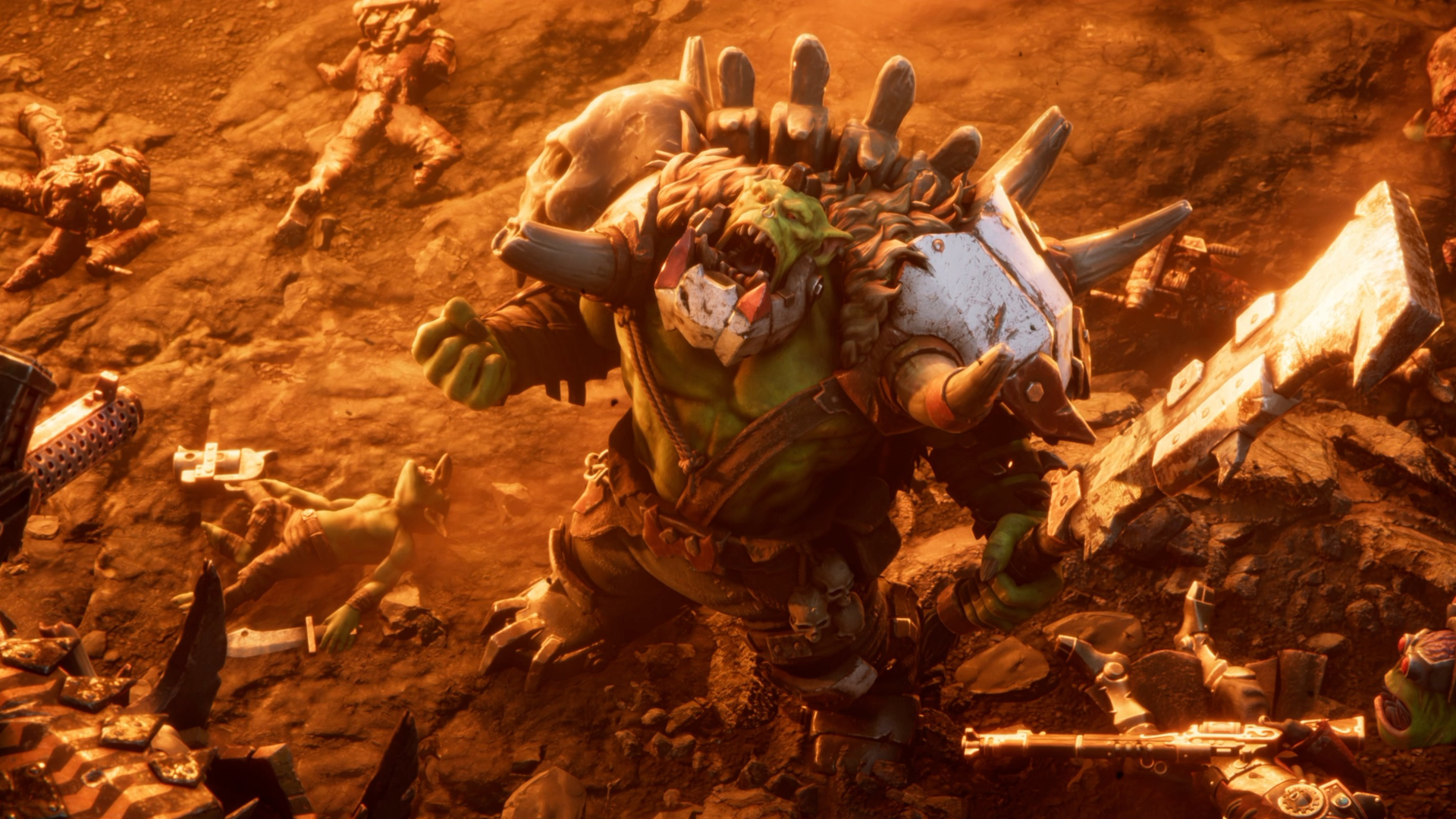
The Ork campaign is an entertaining romp filled with large green combatants posturing, backstabbing, and working themselves into a frenzy over the prospect of crushing humans. Players begin as the boss of a local band of angry lads, only for spacefaring Orks to literally fall from the sky. Their leader—a familiar face for long-time Dawn of War veterans—quickly declares the world of Kronos as his own, a claim that the native Orks find deeply objectionable.
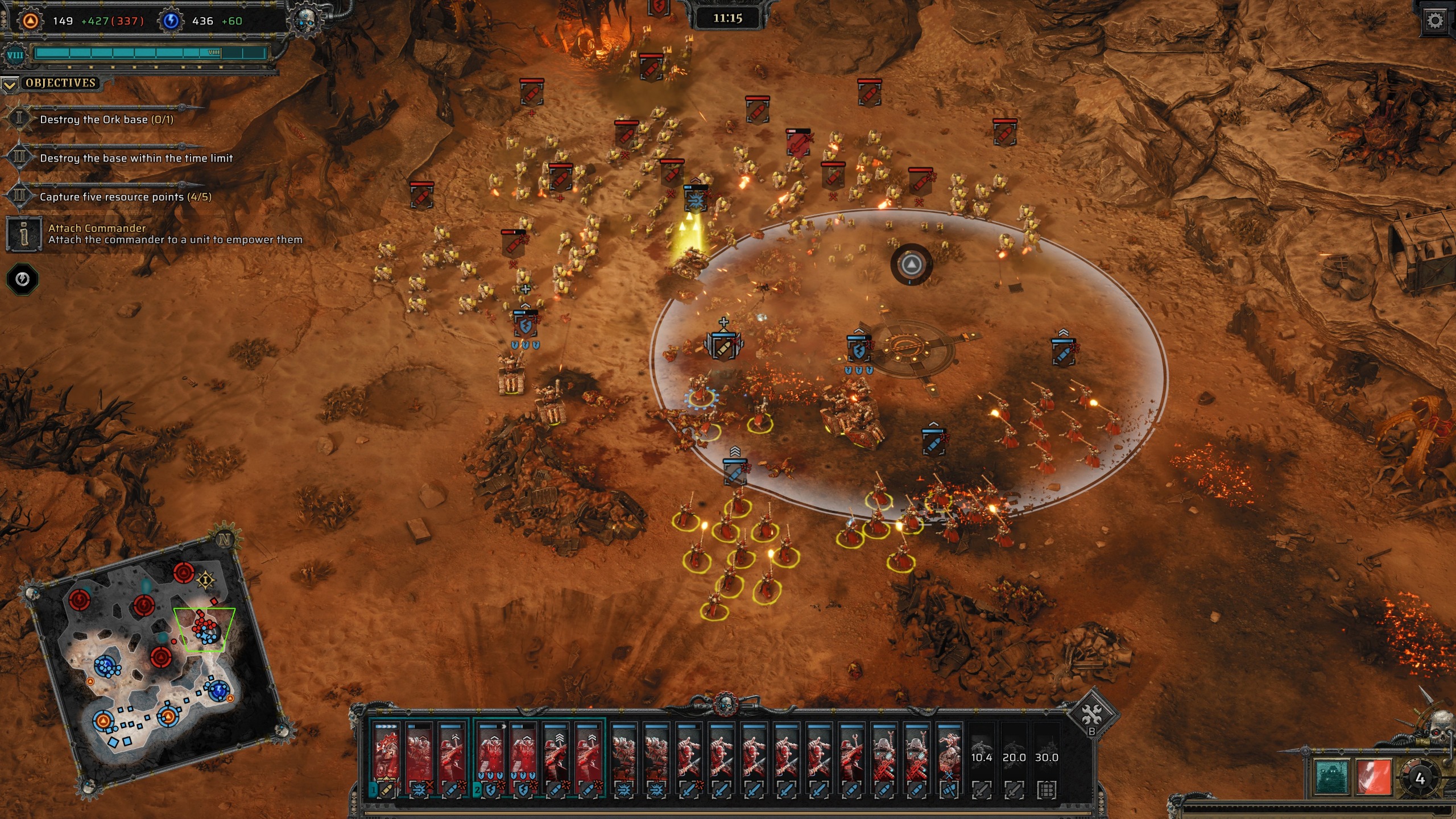
Much of the campaign centers on this intense competition between the two factions. A particularly brilliant mission features a direct race against this Ork interloper. The first side to smash through and destroy the opposing Adeptus Mechanicus base wins the race and claims supreme command, though Orks are hardly renowned for sportsmanship or honoring agreements.
The opposing armies are separated on the map and must push up their respective paths, with the user interface tracking who is winning the race. It is a brilliantly designed battlefield featuring a slight multiplayer online battle arena vibe due to its lane setup, balanced by spacious areas for large-scale fights, base building, choke points, and elevated positions that require specialized units like Stormboyz to overcome.
Across most of the map, the two Ork factions remain separated while still being able to see each other’s progress, creating a compelling sense of urgency. At the top and bottom of the map, however, the paths link up, inspiring plenty of treacherous backstabbing. The rival forces begin sending small raiding parties to harass bases, keeping players on edge before the main armies inevitably clash near the Adeptus Mechanicus stronghold.
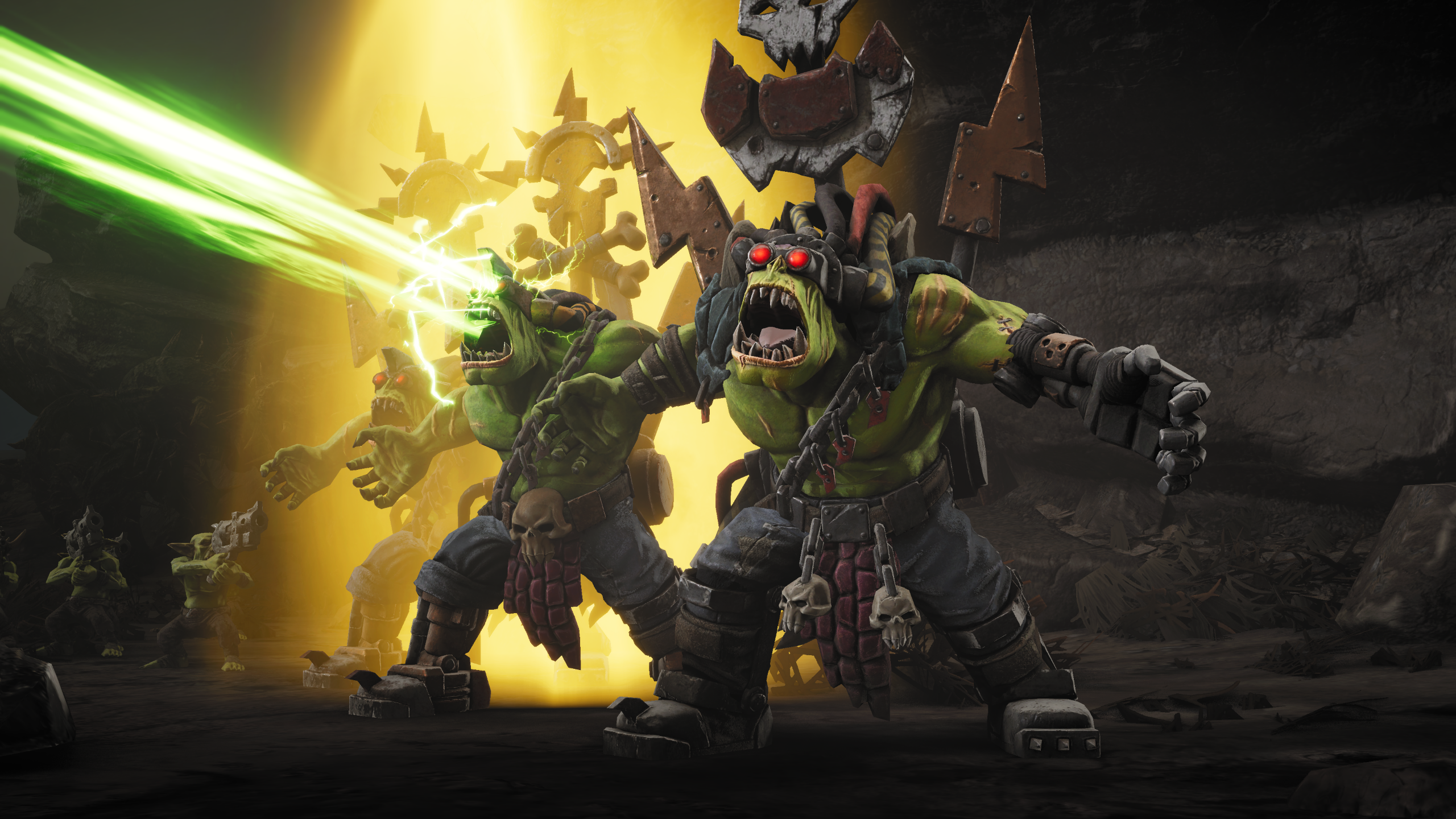
After completing the race, players choose a side—either the local boyz or the cosmic invaders—for the remainder of the campaign. While some maps and objectives are shared between both paths, players also encounter unique missions, distinct story moments, and entirely different commander units. It is an intelligent solution to the traditionally one-and-done nature of RTS campaigns, ensuring that players must experience the game twice to see everything it has to offer. Even within a single path, branching decisions occasionally force choices that ripple through subsequent missions.
As a tabletop enthusiast, the attention to detail in Dawn of War 4 feels exceptionally rewarding. While a real-time strategy game naturally differs from a methodical turn-based tabletop match, the adaptation feels authentic. The wargear system translation is joined by faithful adaptations of stratagems and command points pulled straight from the tabletop ruleset.
Command points are earned by fighting and capturing strategic points across the map, which can then be spent on activating powerful stratagems. Whether summoning explosive squigs, calling down a reinforcement drop pod that obliterates anything in the landing zone, or psychically buffing an entire army by triggering a WAAAGH!, stratagems consistently deliver impactful tactical moments.
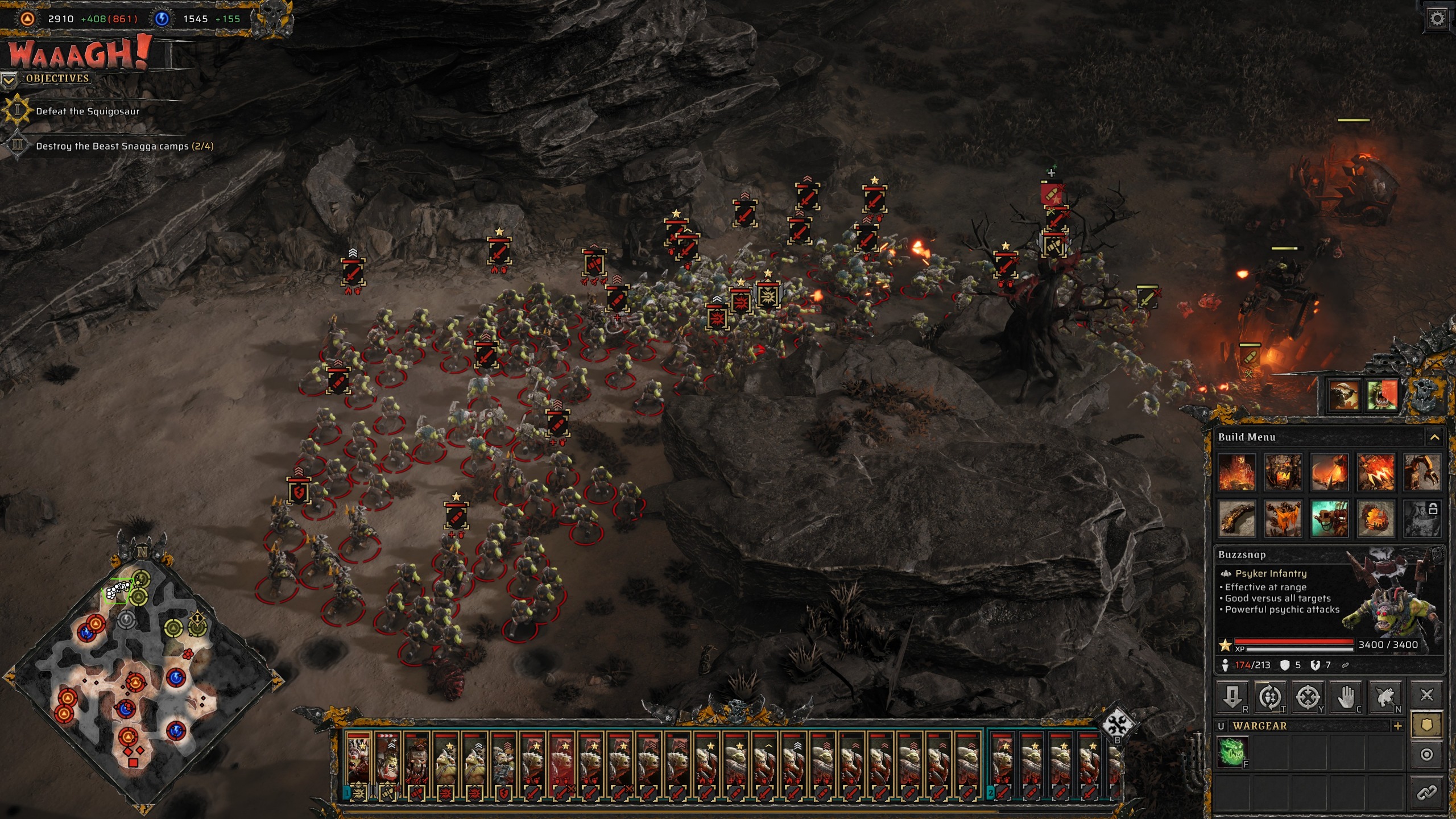
The Orks are also visually delightful to watch, with exaggerated animations and colorful model designs that seamlessly evoke the tabletop miniatures. Zooming in to watch a melee scrum play out is well worth any temporary sacrifice of overall battlefield visibility, particularly thanks to synchronized combat animations. King Art has expanded this system beyond simple finishing moves to feature more dynamic physical interactions.
While synchronized animations do not always connect perfectly—resulting in occasional instances of units flailing around without hitting targets—the game also showcases flashy duels and a high level of physical impact. Clashes between forces feel tangible and tactile, leaving room for visual polish as development approaches its final stages.
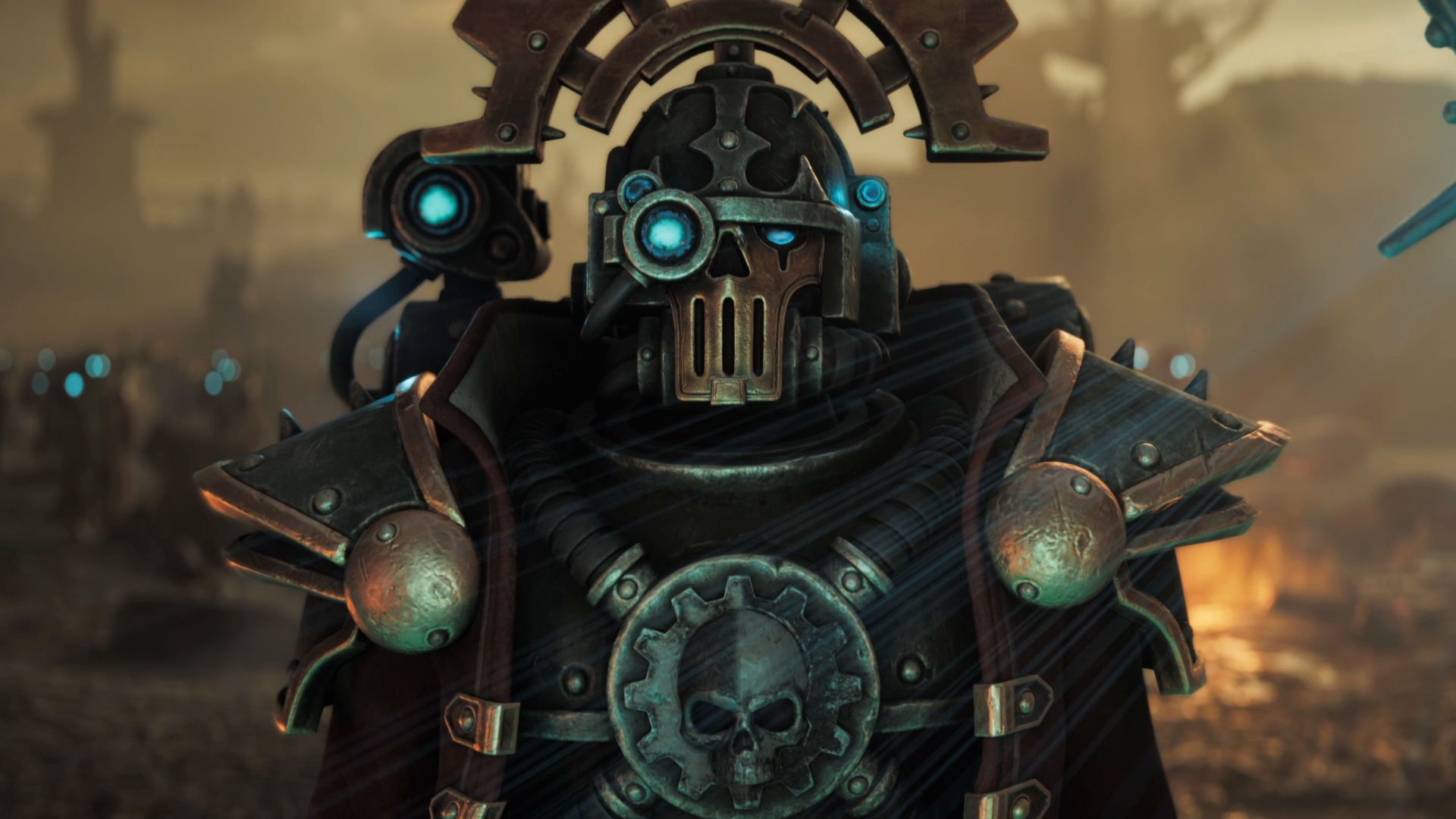
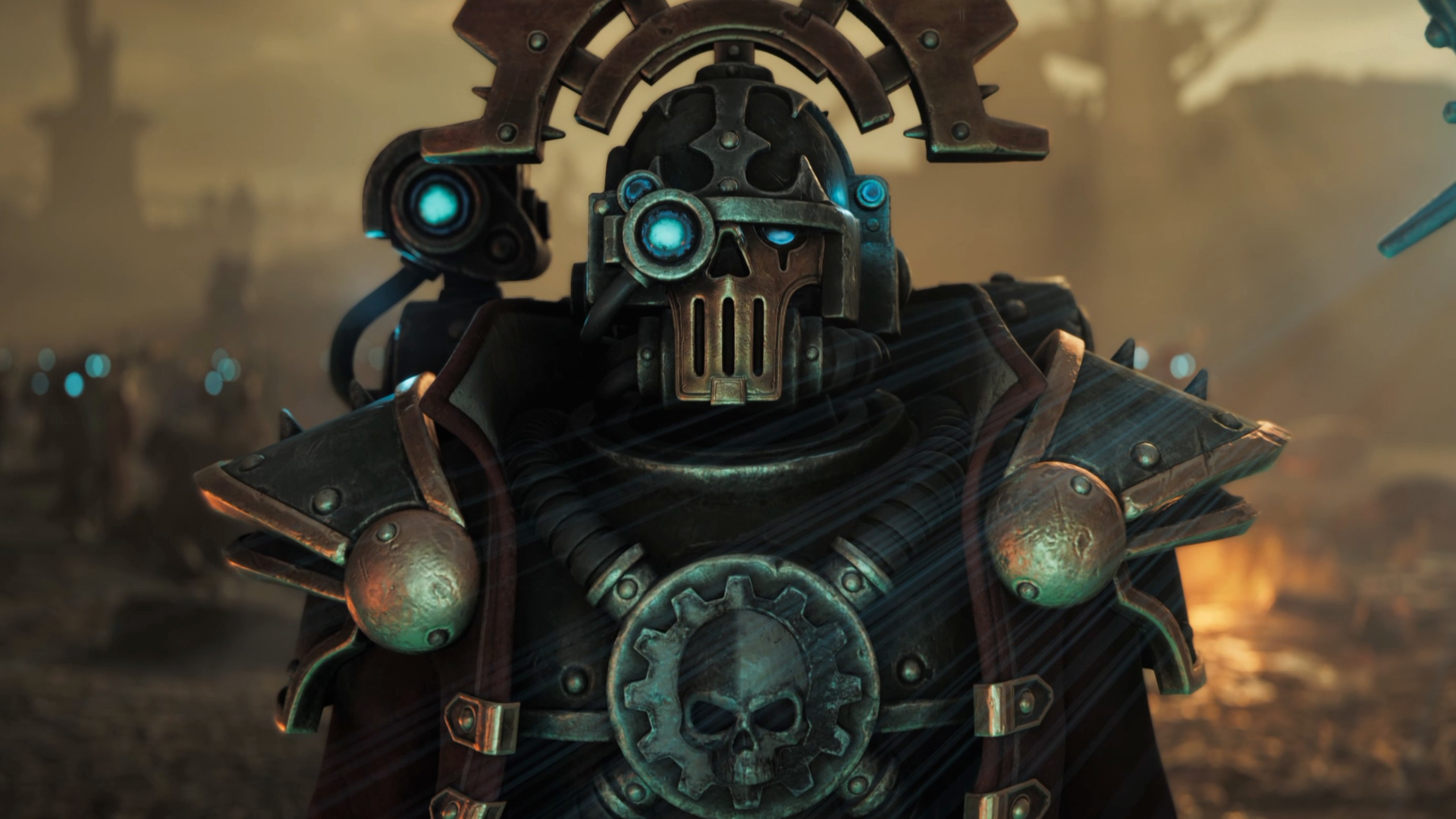
Following the Ork campaign, transitioning to the Adeptus Mechanicus provides a significant change of pace. Marking the first time these technological zealots have taken a starring role in the Dawn of War series, their introduction offers a refined, precise counterpoint to the brutal simplicity of the Orks.
The structure mirrors the Ork campaign by incorporating a major narrative rivalry that allows players to choose between two paths and distinct commanders after a certain point. Despite sharing structural frameworks, the factions and their respective paths feel suitably distinct, featuring bespoke missions and unique characters that establish a powerful, individual flavor.
Focused on technoarchaeology and immortal machines, the Adeptus Mechanicus campaign tasks the Imperium’s dogmatic tinkerers with thwarting awakened Necron forces on Kronos. The faction boasts immense variety, novel mission objectives, and a strategic rhythm distinct from its greenskin counterpart.
The Tech-Priests serve as a ranged powerhouse compared to the Orks, though players immediately gain access to stealthy melee units capable of locking down ranged enemy formations or cutting down foes hunkering down behind cover.
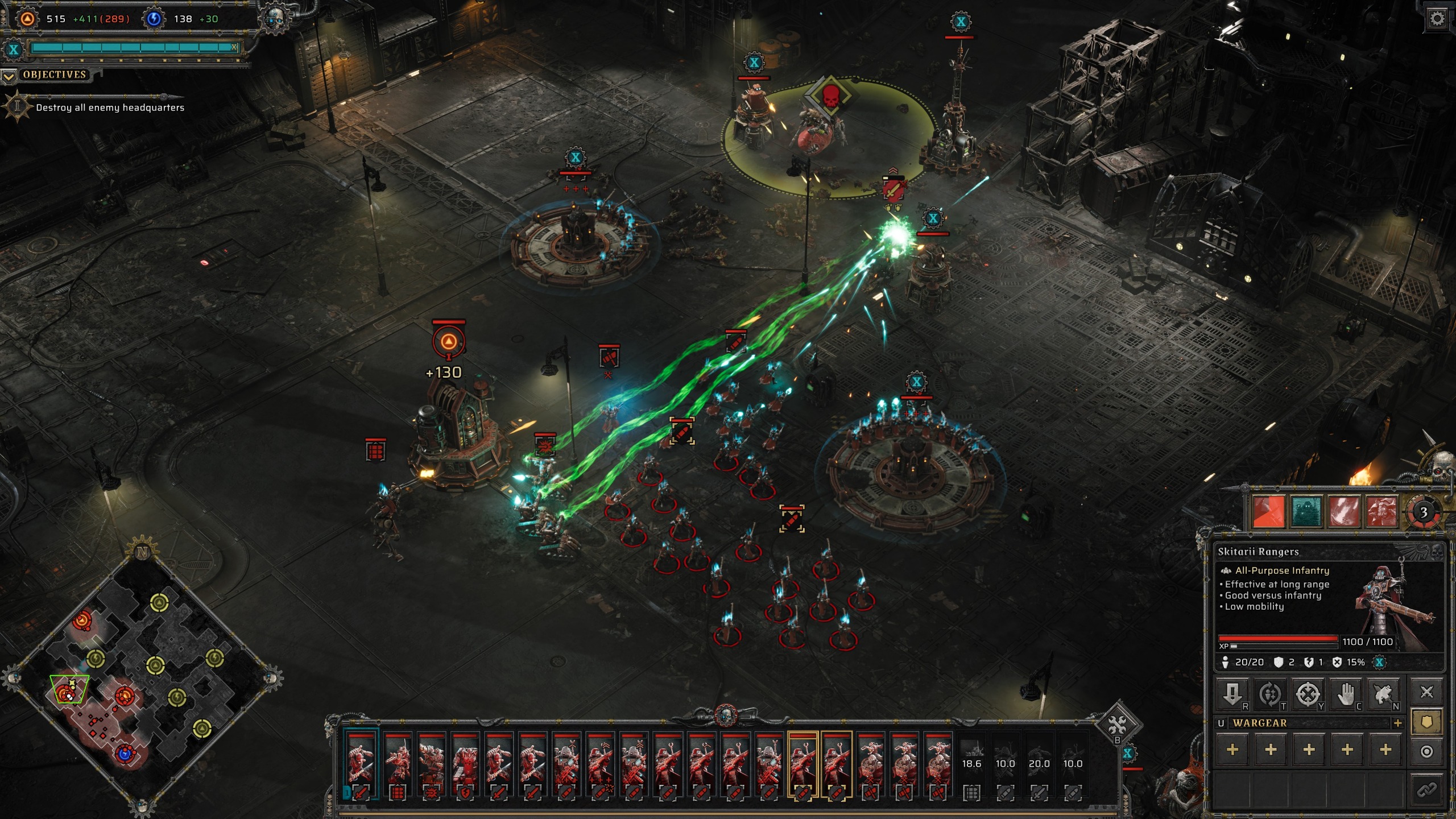
Cover has triumphantly returned to the franchise. While cover systems were a foundational element of the first two games, they were largely sidelined in Dawn of War 3 in favor of static, captured shield zones that felt disconnected from fluid RTS gameplay. Dawn of War 4 adopts a much more sensible approach. Every map features sensible barricades that serve as vital defensive positions or telegraph incoming enemy assaults during scripted missions. While vulnerable to melee units and flanking maneuvers, these barricades significantly extend the lifespan of ranged units.
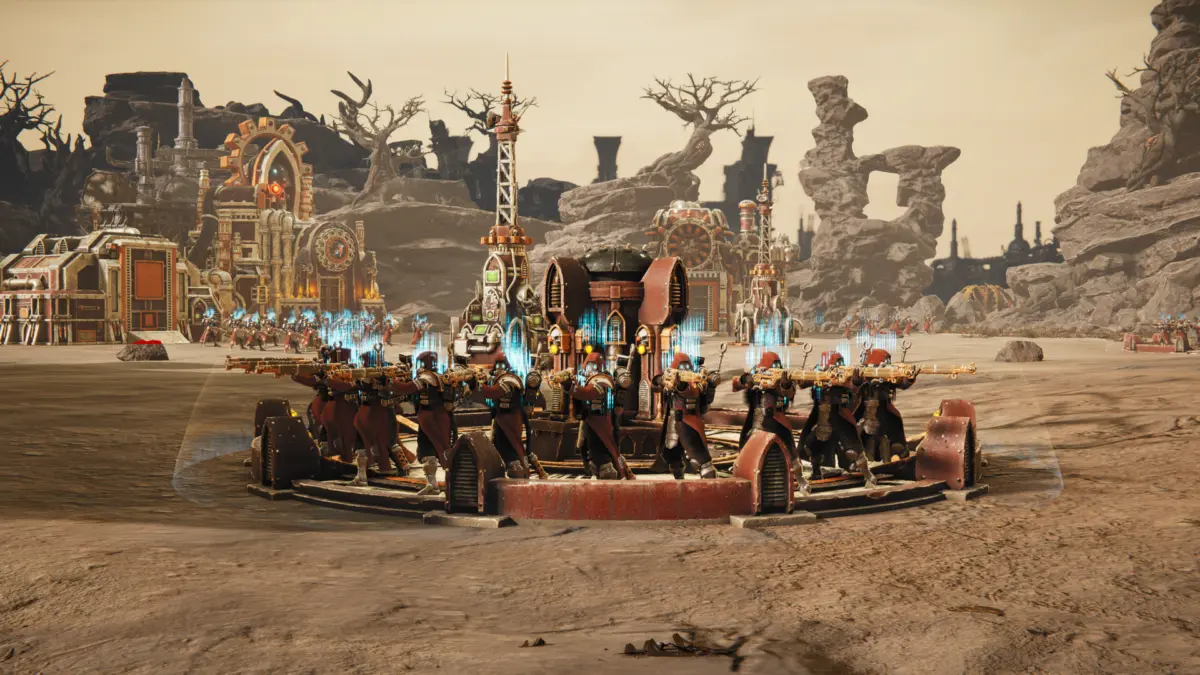
Different factions interact with cover in unique ways. Orks can construct basic barricades anywhere on the map. The Adeptus Mechanicus deploy more advanced technology known as Emanatus Field Generators, which provide 360-degree protection, absorb melee damage, and shield garrisoned units from incoming ranged attacks.
Cover dramatically alters the flow of combat and assigns critical roles to specific units, though it does not grant invincibility. Both barricades and generators can be destroyed, and clever commanders can bypass them entirely using tactical grenades or rapid melee units like the Adeptus Mechanicus Sicarian Ruststalkers or Ork Squighog Boyz to neutralize entrenched positions.
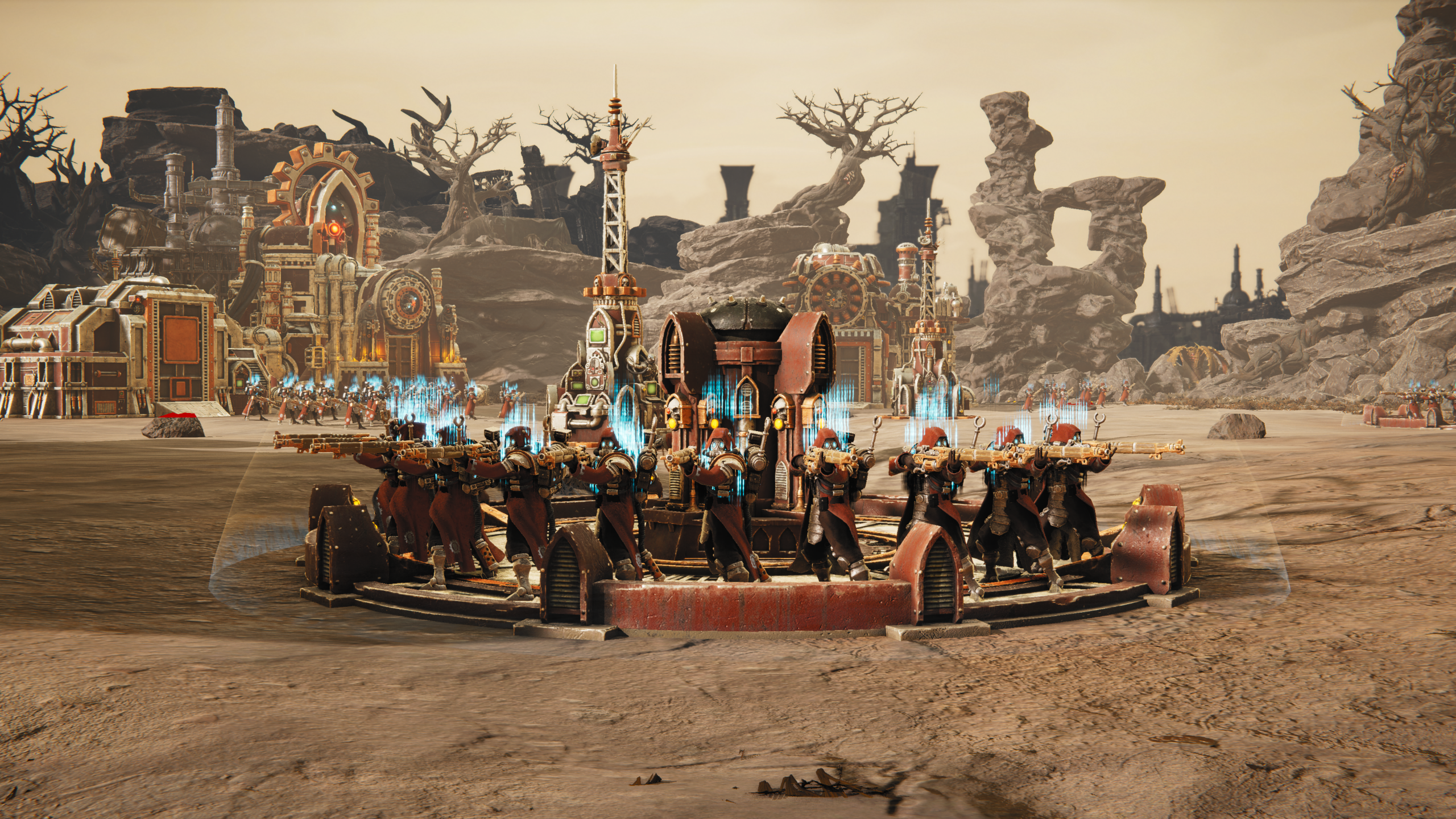
Beyond physical cover, defensive options extend to massive technological installations like the Void Shield deployed by the Adeptus Mechanicus. This barrier prevents incoming ranged fire entirely, forcing enemy attackers to step directly inside the base perimeter to inflict damage.
While Dawn of War 4 maintains a rapid pace, the Adeptus Mechanicus operate with a slightly more deliberate tempo compared to the Orks. Their warmachine relies on the Noosphere Network, an infrastructural system linking buildings, turrets, and field generators to confer widespread efficiency buffs across bases and armies. Spreading relays across the map extends this network to distant outposts, though these relay points remain vulnerable and require dedicated defensive investments.
Expanding the Noosphere Network unlocks powerful end-game units, advanced research, and high-tier upgrades, creating compelling strategic friction. To become overwhelmingly powerful, players must expose themselves to tactical vulnerabilities, as the destruction of a critical relay can cripple an entire operational grid.
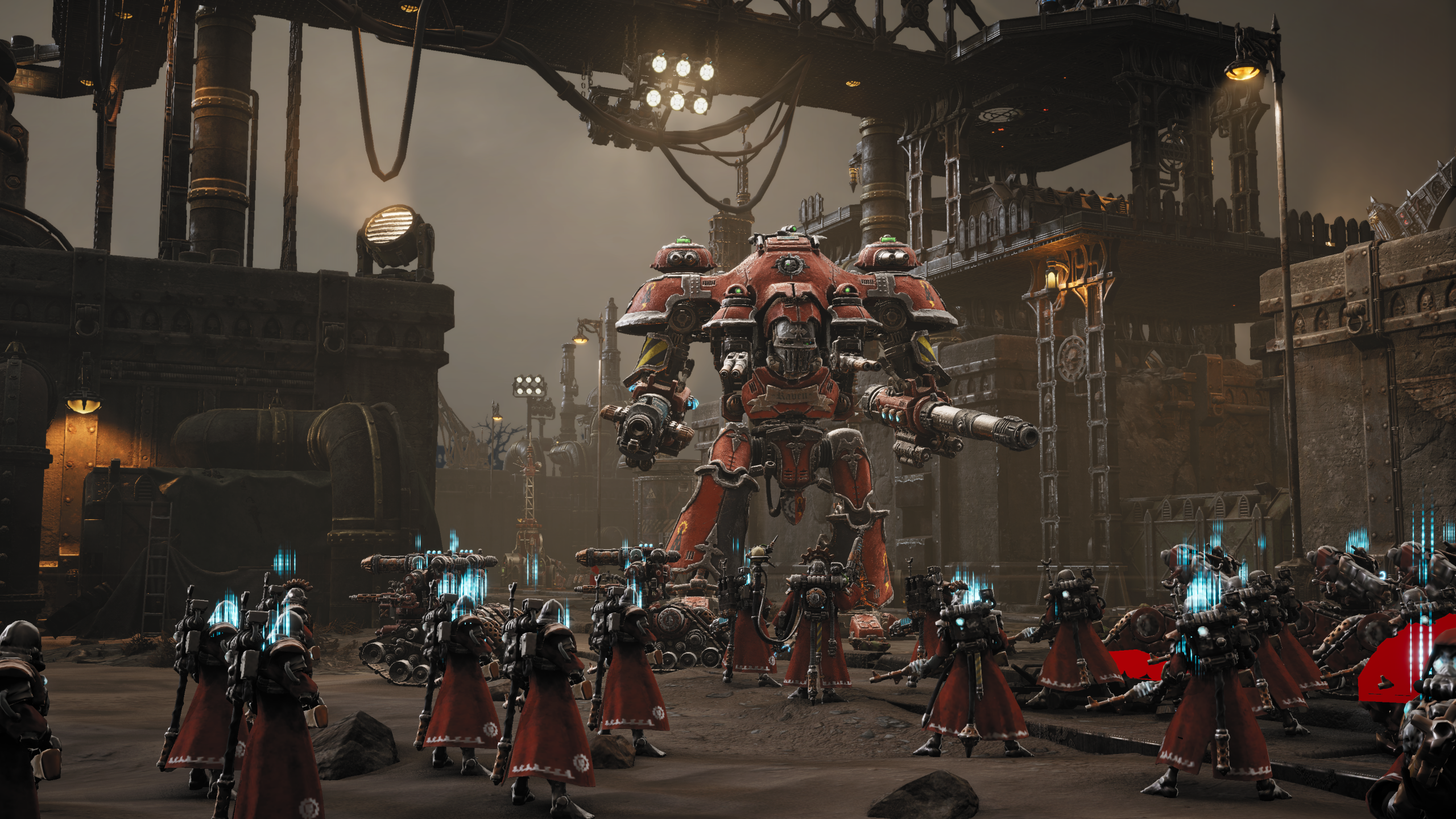
The faction also features iconic heavy machinery, including the towering Imperial Knight, alongside devastating late-game stratagems capable of clearing entire enemy armies with precise timing.
Room for everyone
As a fan of Iron Harvest, which drew heavy inspiration from original Dawn of War developer Relic, expectations for King Art’s new project were high. However, a successful RTS campaign is never guaranteed, even for a proven studio, as demonstrated by previous missteps that nearly derailed the franchise. From what has been shown so far, King Art appears to have struck gold.
Addressing the broader strategy landscape, the looming presence of Total War: Warhammer 40,000 has led some to speculate that Creative Assembly’s upcoming title might overshadow Dawn of War 4. Such concerns overlook the fundamental differences between the two projects. Dawn of War 4 is arriving in the near future with a focused release window, whereas the Total War adaptation remains without a firm launch date. More importantly, they are fundamentally different genres of strategy games.
Dawn of War 4 represents a classic, pure real-time strategy experience built around mostly linear, narrative-driven campaigns on a tighter, more intimate scale. In contrast, Creative Assembly’s Total War formula leans toward grand strategy combined with massive, open-ended tactical sandbox battles, omitting traditional base building entirely.
These distinct experiences cater to different desires, proving that there is ample room in the market for both styles of gameplay. For strategy enthusiasts, having both a dedicated RTS and a grand strategy adaptation of the same universe to look forward to highlights an exceptional era for fans of the setting.