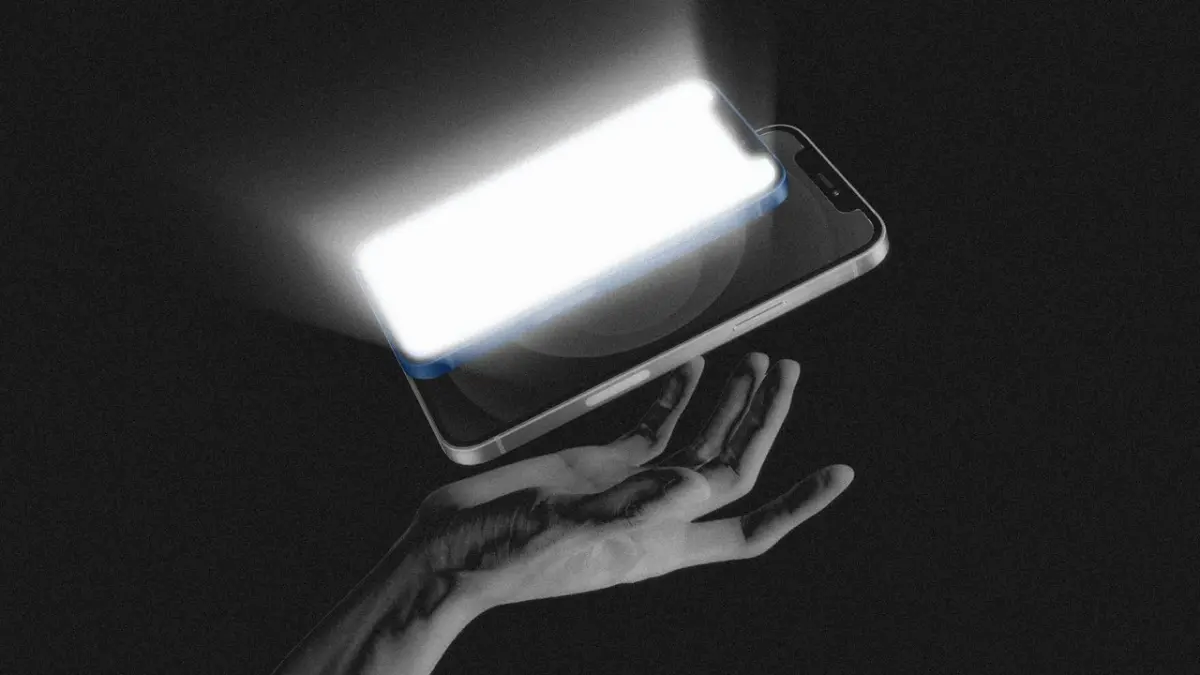
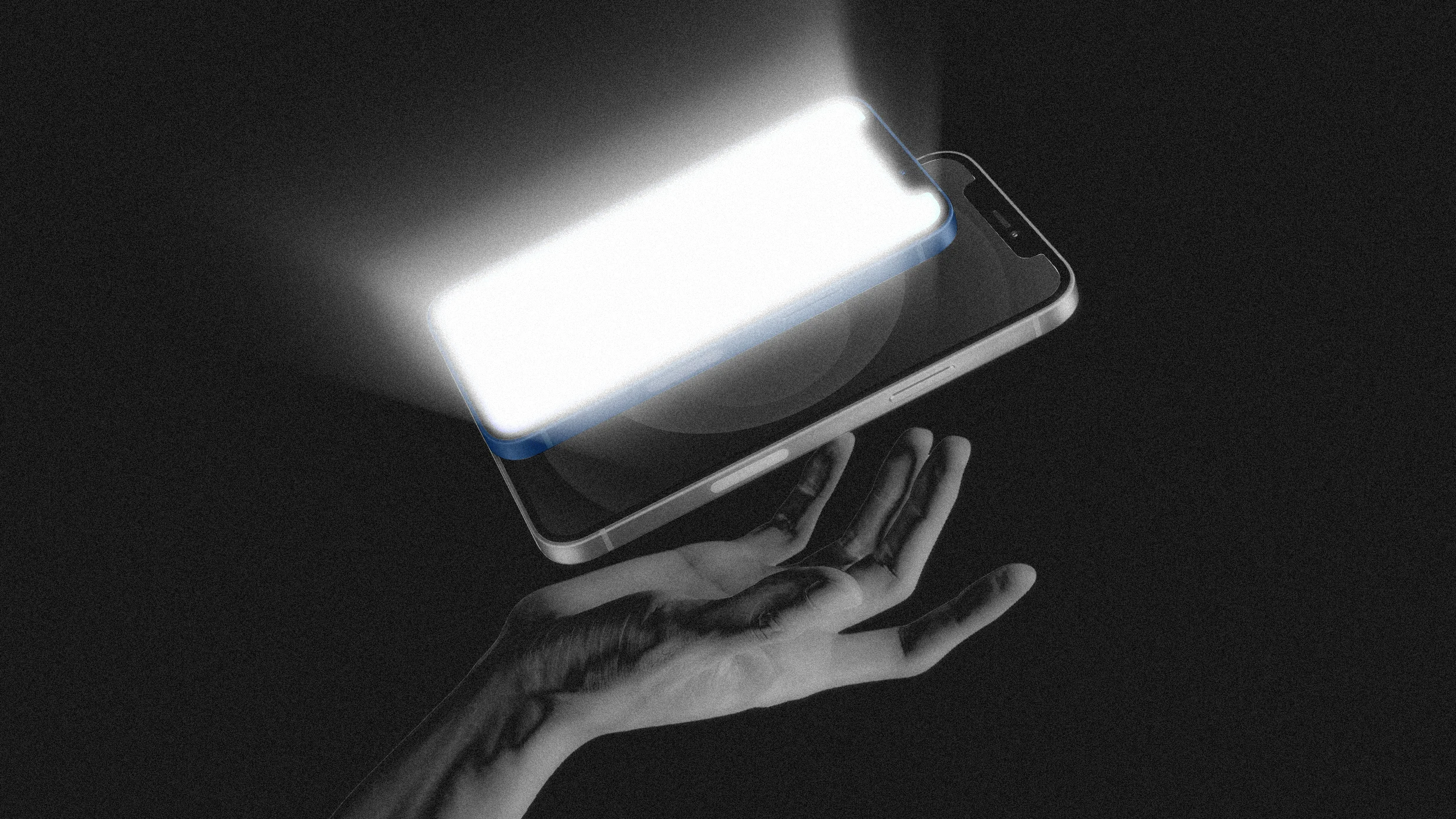
My phone has some existential problems. It is nearly out of storage, the battery lasts roughly half a day, and every so often, when it thinks a little too hard, it heats up like a brick fresh from the kiln.
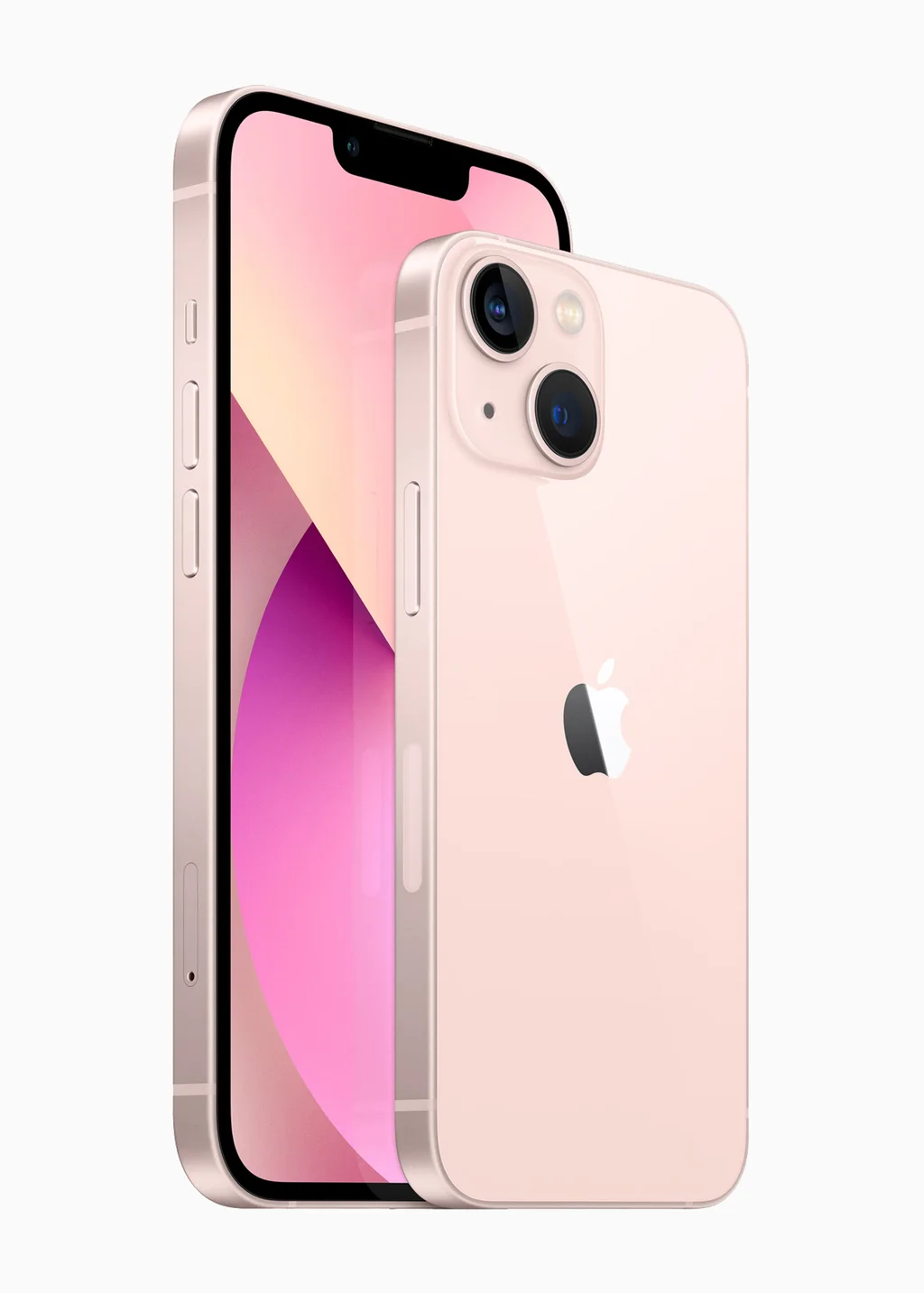
I should probably get a new phone, but I can’t bring myself to do it. Not until the experience of using my iPhone 13 mini becomes so miserable that I have no other choice but to trade it in for a bigger, better model. This reluctance is not merely a matter of procrastination or thriftiness; it is a conscious, if stubborn, act of technological resistance.
I am far from alone in this sentiment. There is a small but deeply passionate group of like-minded people who refuse to let go of their mini devices. They gather in online forums, trading advice on how to keep an iPhone mini running smoothly after years of heavy daily use. They smugly set their beat-up hardware on the table next to a friend’s PopSocket-ed phablet, secure in the knowledge that their device actually fits comfortably in a pocket. Often, they can be found digging frantically in their bags for a portable charger because their phone is, inevitably, almost dead.
The cult of the iPhone mini is alive and well, and why shouldn’t it be? It has increasingly come to feel like the perfect phone for our particular cultural moment. Holding on to an older, smaller phone represents an intriguing and deliberate path forward at a time when consumers are constantly experiencing whiplash between the promises of rapid tech advancements and an earnest, growing desire to reclaim their lives from the digital grip of their devices.
iPhone mini devotees are not naive dumbphone Luddites, nor are they the type to eagerly pick up the iPhone Duo at launch. Instead, they sit comfortably somewhere in the middle of those two extremes, acknowledging a quiet truth that most Silicon Valley companies can simply no longer afford to accept: that sometimes, it is entirely okay for technology to just be good enough.
A compact history of growing phones
“We’ve designed something wonderful for your hand, just wonderful,” Steve Jobs told a rapt crowd in 2007, holding up the first-generation Apple iPhone. “It’s got a 3-and-a-half-inch screen on it. It’s really big.”
Jobs was hardly exaggerating for dramatic effect at the time. Measuring 4.5 by 2.4 inches with its 3.5-inch screen, the original iPhone was a dramatic departure from the compact, low-resolution screens typical of BlackBerry devices and Palm Pilots of the era. Instead of relying on a physical keyboard, a trackwheel, or a plastic stylus like its smartphone predecessors, Apple introduced a totally new mode of interaction for the iPhone known as multitouch.
For years following that introduction, the industry marched steadily toward more expansive displays, driven by consumer demand for immersive media consumption, mobile gaming, and web browsing. Yet, as screens expanded into massive, pocket-straining phablets, a dedicated counter-movement of users quietly emerged, cherishing the ergonomics of a device that could be operated effortlessly with a single hand.
Today, the users who cling to their aging mini models find themselves embodying a unique philosophical stance in the modern consumer landscape. They are navigating the friction between hardware obsolescence and personal preference, enduring degrading batteries and dwindling storage capacities simply because the alternative—surrendering to the oversized standard of the modern smartphone market—feels like a compromise they are not yet ready to make.