If you have been watching the National Football League this season, you have probably noticed that a few dozen players appear to have remarkably large heads. This is not meant in the figurative, diva sense of an inflated ego, but quite literally.
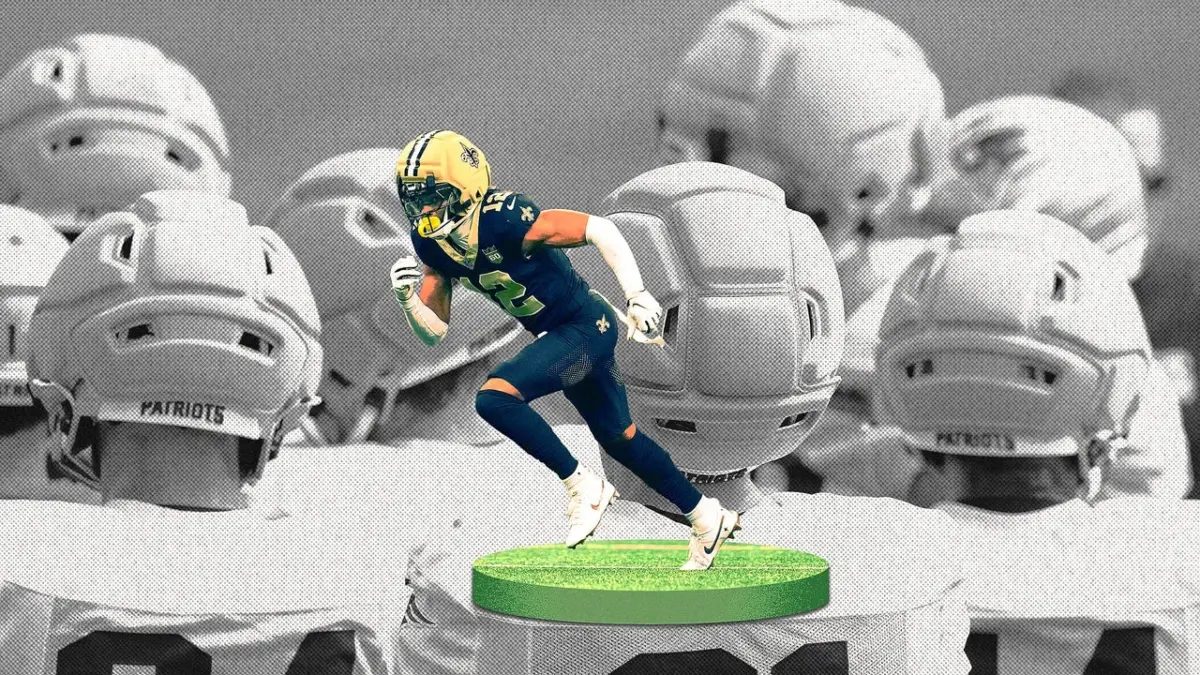
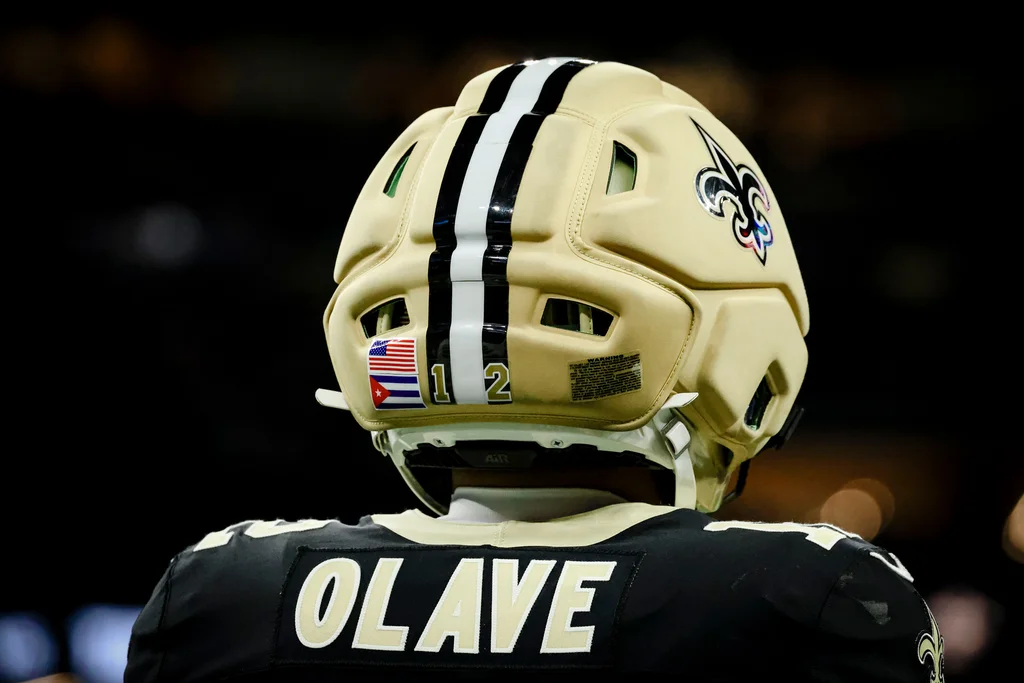
Take Chris Olave, the standout wide receiver for the New Orleans Saints. When Olave steps onto the field, he wears a Guardian Cap, a heavily padded, soft-shell cover strapped over his traditional hard helmet for added protection against head trauma. The noticeable trade-off is aesthetic: it gives his upper frame a distinct appearance that fans have compared to a video game character who just nabbed a power-up mushroom in Super Mario.
Olave, who unfortunately suffered four concussions during his first three NFL seasons, has long since made peace with the unorthodox look. Following the Saints’ season opener, he spoke openly about his choice to prioritize his long-term health over sideline fashion. "Shoot, I got kids now," Olave explained. "I want to live a regular life after I’m done with football. I love my kids to death. So, I don’t really care how it looks no more."
His pragmatic perspective reflects a broader shift taking place across professional football as players, coaches, and league officials grapple with the persistent, high-stakes crisis of head injuries.
The Ongoing Battle Against Concussions
The NFL has spent the past decade pouring resources, technology, and rule changes into an effort to bring its concussion numbers down, though the results have remained complex and mixed. According to official league health and safety data, in-game concussions fell by 15% to 129 during the 2024 regular season, offering a brief glimmer of hope that safety protocols were taking firm hold.
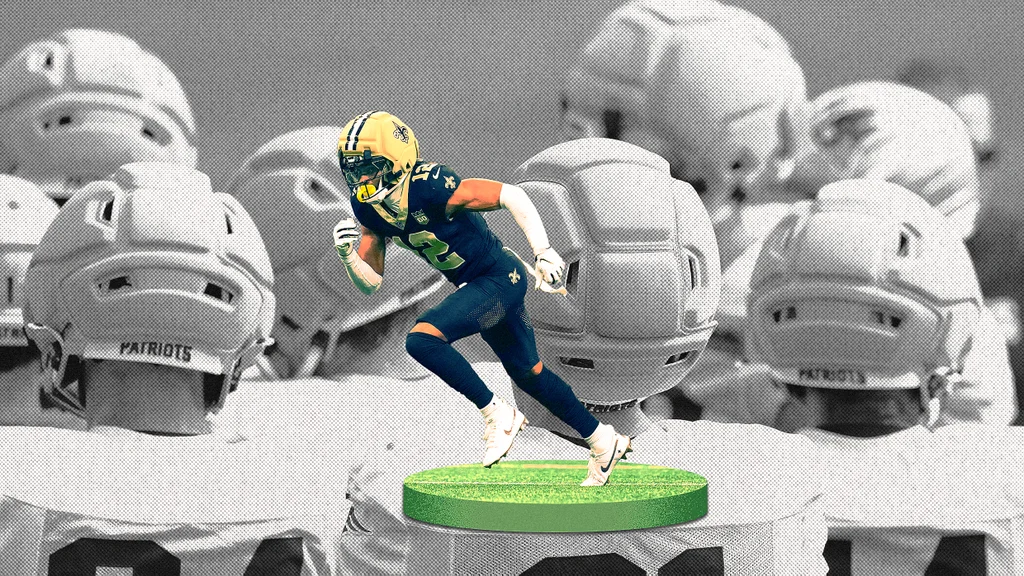
However, that progress hit a setback when figures jumped by 30% to 168 concussions the following year. A significant portion of that increase was traced back to high-impact areas of the game, most notably kickoffs. The league had introduced a redesigned kickoff format specifically engineered to incentivize more returns and revitalize an otherwise dying play. While the new dynamic successfully brought back returns, it also inadvertently sent concussions on that specific play skyrocketing from just 8 in 2024 to 35 in 2025.
Faced with these persistent figures, the league has continued to look beyond traditional helmet technology toward supplementary innovations. Since 2022, when the league first made padded covers mandatory during certain practice sessions, the Guardian Cap has emerged as the NFL’s most visible and heavily discussed safety measure. After starting strictly as a practice tool, the cap was cleared for voluntary use in games starting in 2024. Following a sleek design refresh implemented during the offseason, the padded covers are now showing up on game days more frequently than ever before.
Foam, Fabric, and a Lot of Jokes
Despite the occasional joke from fans and television commentators about players looking like bobbleheads, the engineering behind the Guardian Cap is taken very seriously by its creators. The device is manufactured by Guardian Sports, a Georgia-based company operated by a husband-and-wife team, Lee and Erin Hanson. Long before they entered the world of professional sports equipment, the couple ran a specialized materials business that developed custom polyurethane for demanding industrial applications, including components for rocket boosters and protective golf ball covers.
The resulting product is a lightweight foam shell designed to strap securely over any standard football helmet. Its primary function is physics-based: upon impact, the outer shell is engineered to compress and slide, absorbing and dissipating a significant portion of the kinetic force before that blunt blow can ever reach the rigid helmet shell underneath.
Guardian Sports currently produces two main versions of the equipment. NFL players, alongside select college athletes, wear a heavier variant known as the NXT, which tips the scales at about 12 ounces. Meanwhile, youth leagues, high schools, and the vast majority of college programs utilize the XT, a slightly lighter version weighing roughly half a pound that retails for up to $89.99. Today, more than 500,000 athletes across various sports and age brackets wear the protective gear, with the company also manufacturing specialized iterations tailored for hockey and lacrosse helmets.
The integration of the cap into football culture has been gradual, moving from initial experimentation to strict enforcement. The NFL first permitted players to wear the cap during practices in 2020 to evaluate its durability and comfort. Convinced by the early data, the league mandated its use during training camp practices starting in 2022 for positions facing the highest frequency of repetitive helmet-to-helmet contact: offensive and defensive linemen, tight ends, and linebackers.
By the 2024 season, the mandates expanded further. The league required nearly every position group—excluding only quarterbacks, kickers, and punters, whose exposure to heavy contact differs significantly—to wear a Guardian Cap during contact practices. At the same time, the league opened the door for players to make the personal choice to wear the padded shells during regular season games.
As more players like Chris Olave choose to prioritize neurological longevity over appearance under the Sunday afternoon spotlight, the visual landscape of professional football is rapidly changing. What began as a bulky training room precaution has transformed into a mainstream game-day fixture, signaling a profound cultural evolution in how the sport confronts its most dangerous injury.