Italian photographer Giovanna Silva has spent years examining the shifting spatial dynamics of club culture, tracing its evolution from structured Italian discotheques to the improvised, transient dance floors of contemporary European nightlife. Her extensive visual exploration, which began as a commission for the 2014 Venice Architecture Biennale, captures how architecture, light, and human presence continuously reshape the spaces where people gather after dark.
The project, which has since been gathered into a publication titled NIGHTSWIMMING: Discotheques from the 1960s to the Present, offered Silva an entry point into a world she was previously unfamiliar with. When Monditalia initially commissioned her to document the architecture of Italian nightlife for the Venice Architecture Biennale, Silva possessed no prior background in photographing clubs. She has noted that this initial unfamiliarity granted her an unconventional and detached perspective, though it demanded a significant degree of restraint and careful observation.
The Research and Evolution of Club Spaces
Because discotheques are environments designed to adapt constantly to changing fashions, musical trends, and advancements in lighting and sound technology, their physical appearances shift frequently. To understand the lineage of these buildings, Silva and her collaborators began by collecting existing literature on the subject. These books served as an essential archive, offering a glimpse into spaces that may have been altered or demolished over the decades. More importantly, these texts introduced the human element into the architectural research: critics, architects, DJs, art directors, and club owners—figures Silva refers to as the "night swimmers."
Following her documentation of Italy, Silva expanded her scope to analyze the state of club architecture across four major European cultural hubs: Berlin, London, Paris, and Barcelona. Selecting locations within these dense urban centers proved challenging. While her initial research for the Venice Biennale required an exhaustive cataloging approach, the subsequent focus demanded rigorous selection. Silva aimed to spotlight venues that held genuine social and musical significance while also offering compelling architectural qualities.
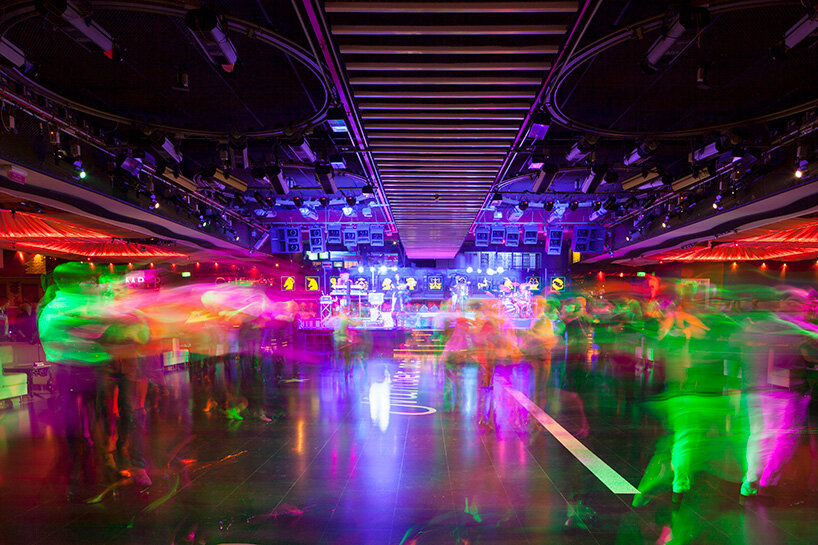
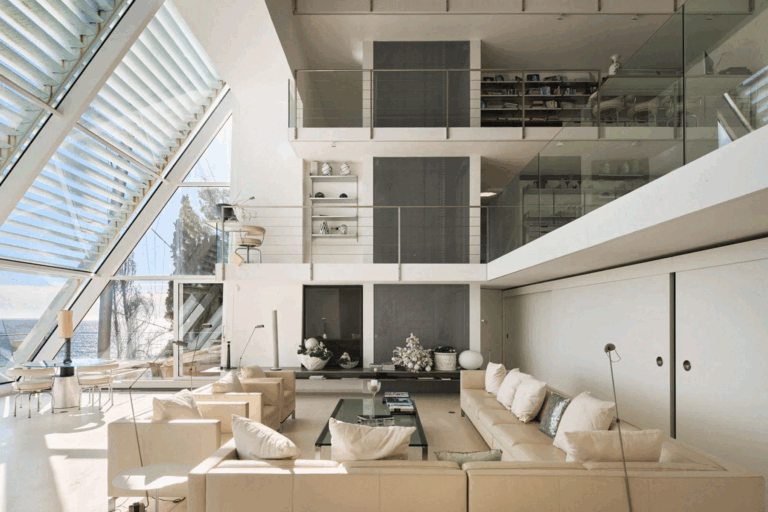
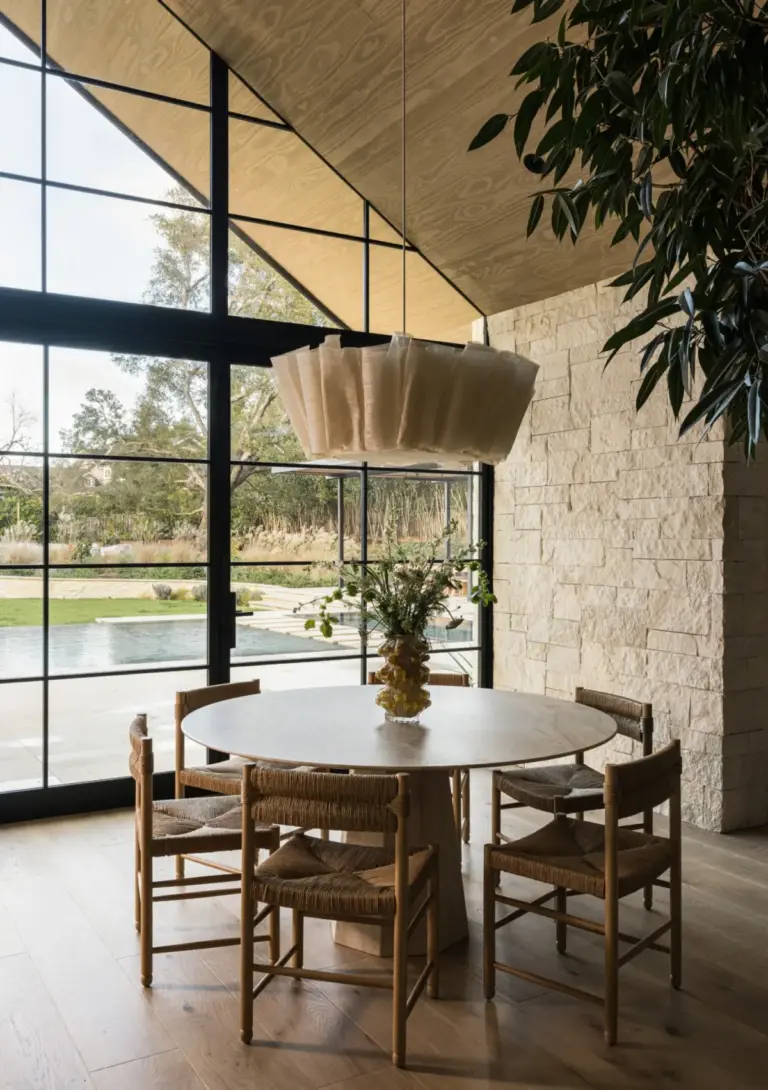
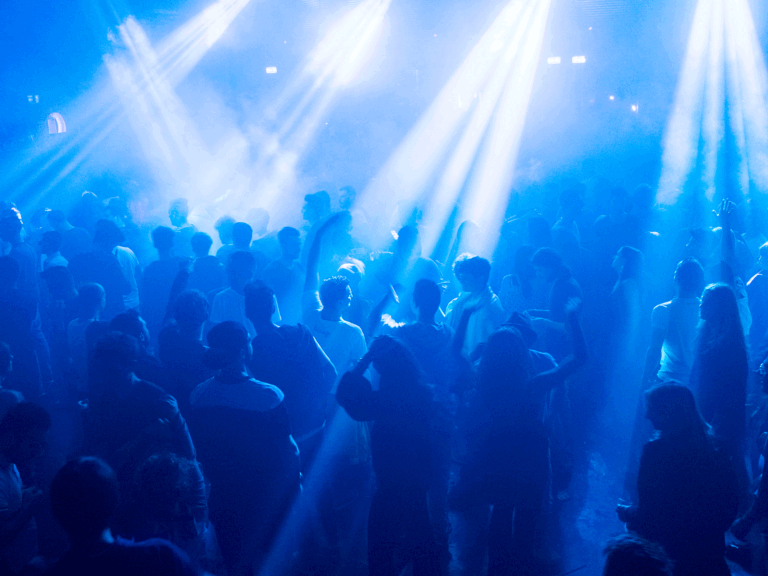
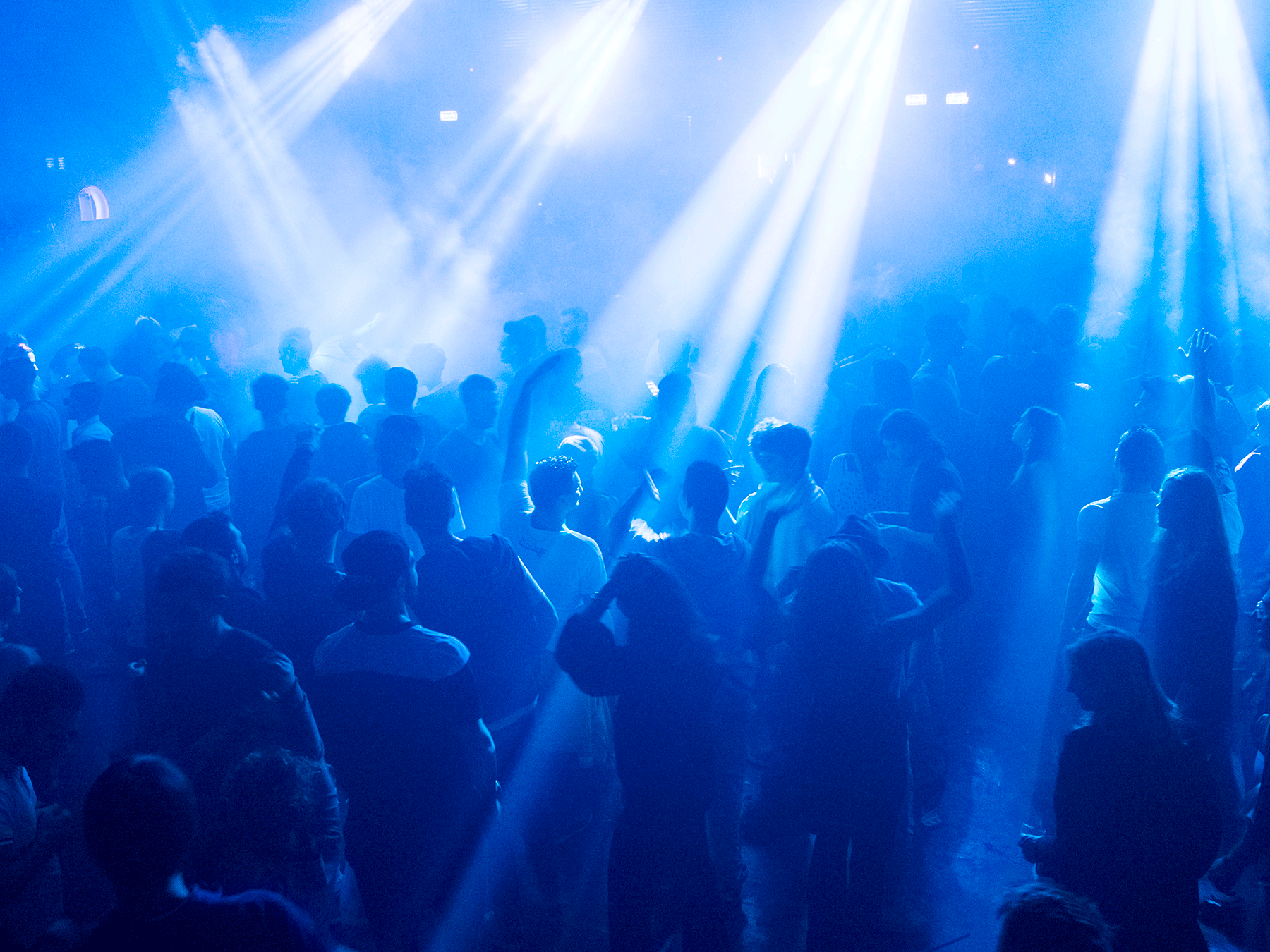
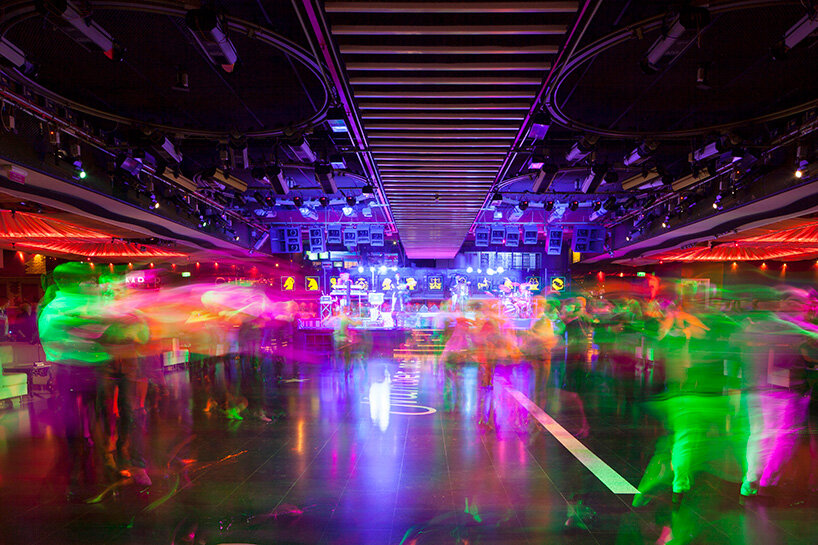
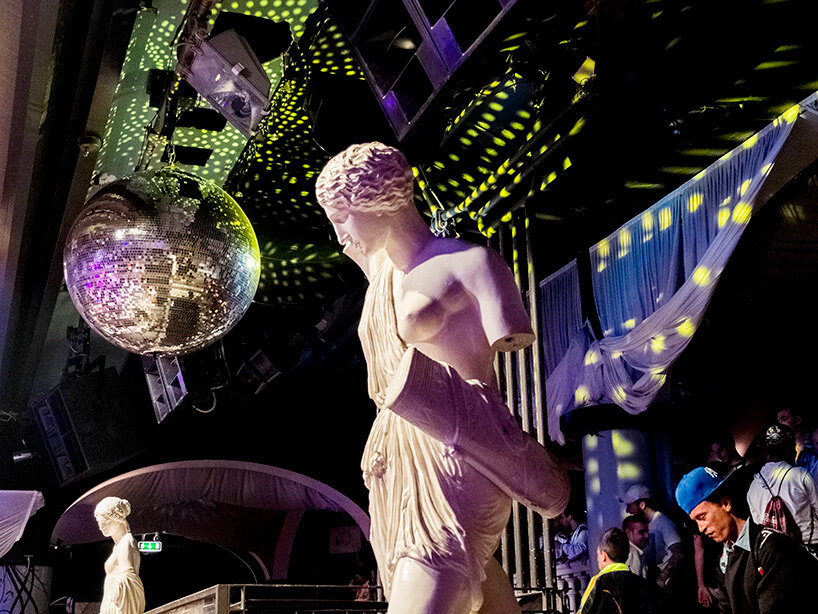
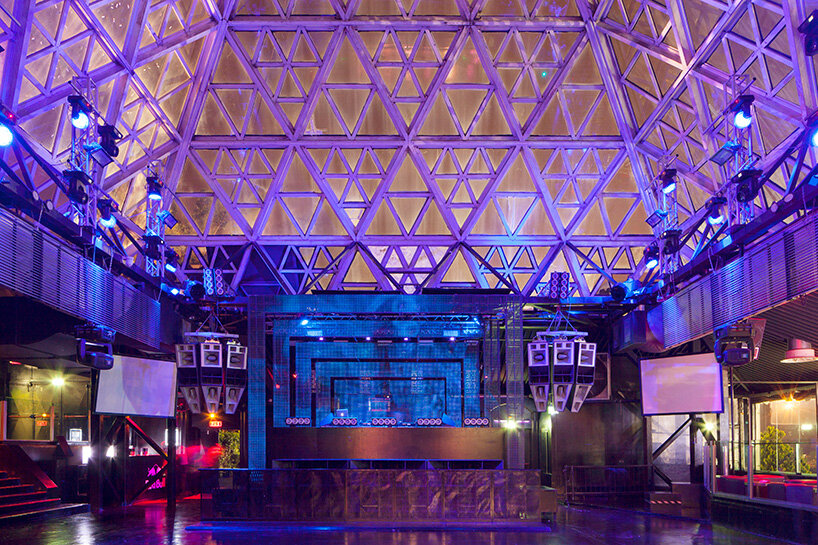
The resulting photographs highlight how contemporary nightlife perceives space. Increasingly, venues not originally intended to function as discotheques are occupied and transformed into temporary party locations. Silva views this trend as a modern legalization and institutionalization of the rave culture that emerged during the 1990s. Her photographs capture these spaces in varying states—sometimes entirely empty during daylight hours, and other times filled with crowds—illustrating how human presence and movement can temporarily dissolve the traditional boundaries of architecture.
The Sensory Landscape of the Night
Entering a club outside of operating hours offers a distinct sensory experience. For Silva, the first element that consistently announced the arrival of a venue was its smell. Encountering these spaces predominantly by daylight, she noted a persistent olfactory signature across different cities—a sensory trace resembling a Proustian madeleine. She observed that this universal scent appears to be a hybrid combination of cleaning products, human presence, smoke, and detergent, forming the baseline aroma of the night.
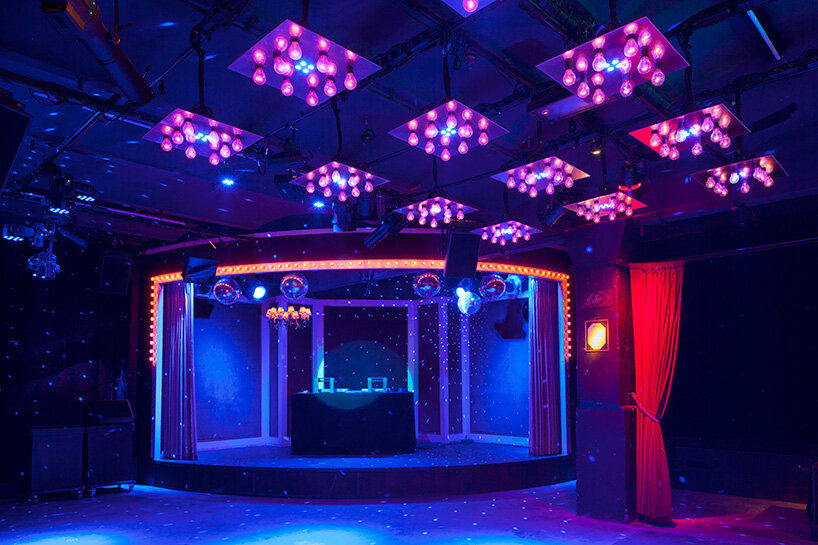
Following the scent, the next defining element of any club is light. According to Silva, lighting serves as the primary mechanism that alters and defines a venue’s interior architecture. She frequently compares discotheques to older individuals who should never be seen without their makeup, emphasizing that lighting performs much of the aesthetic heavy lifting in these spaces. At the flick of a switch, illumination can completely redefine the spatial experience of a room.
To explore this transformation, Silva occasionally shot her subjects under harsh white light. This clinical, unfiltered illumination flattened the environment, exposing the raw architectural structure stripped of its nocturnal theatricality. Over the course of the project, what began as a detached and analytical assignment evolved into a familiar and deeply understood subject, aided by the insights of those within the industry who took the time to explain the nuances of nocturnal culture.
A Career Rooted in Cultural and Architectural Documentation
Born in Milan in 1980, Giovanna Silva has built a diverse career centered on photography, publishing, and architectural criticism. Between 2005 and 2007, she contributed regularly to the architecture and design magazine Domus, subsequently serving as the photo editor for Abitare from 2007 to 2011. Her extensive bibliography includes numerous photographic books exploring urban landscapes and global geographies, ranging from Days without Number and Napoli* to Islamabad Today, Tehran, Baghdad: Red Zone, Green Zone, and Saudiscapes.
Silva’s work has been exhibited widely in prominent institutions, including the MACRO in Rome, the Fondazione Bevilacqua la Masa in Venice, the Triennale in Milan, and the American Academy in Rome. Alongside her artistic practice, she is the founder of Humboldt Books and San Rocco Magazine, and she shares her expertise as an educator at NABA in Milan and ISIA in Urbino.
Her documentation of discotheques forms part of a broader ongoing conversation about how wonder and spectacle are constructed within built environments, inviting observers to look past the everyday functions of architecture and reconsider the temporary spaces where modern communities gather.