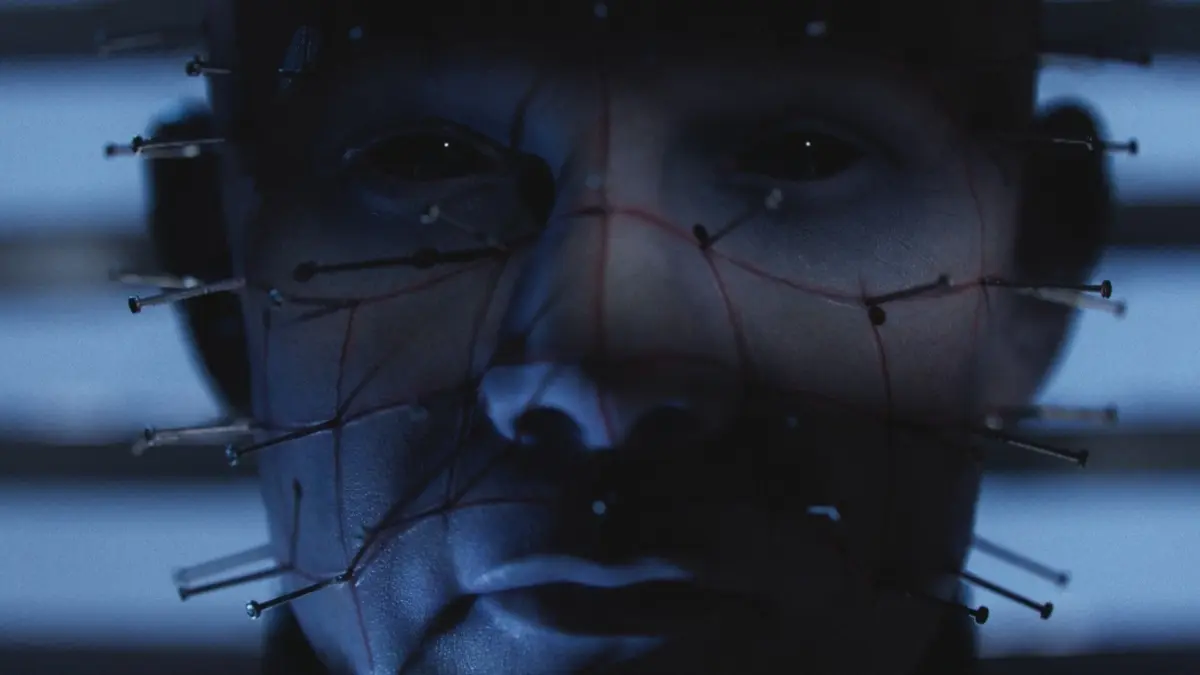
The uncompromised commitment to being both deeply visceral and intensely provocative in Hellraiser: Revival has not only thrilled horror enthusiasts and early reviewers, but it has also earned the enthusiastic endorsement of the franchise’s legendary creator, Clive Barker. Preview descriptions of Saber Interactive’s upcoming survival horror title have highlighted its uncompromisingly "nasty" approach to gore and dark kink. This bold adherence to the series’ roots has gone down exceptionally well with longtime fans, while striking a deeply personal chord with the author who first brought the Cenobites into the cultural zeitgeist.
In a recent interview with horror outlet Dread Central, Barker admitted that he harbored significant reservations heading into the development process, fearing corporate interference might blunt the sharp edges of his creation. However, he confessed to being thoroughly impressed and astonished by the final product delivered by Saber Interactive. Expressing his absolute satisfaction, Barker stated that he is proud as hell at the end result, noting that while he was initially fearful the game would be overly censored, he remains genuinely astonished by how far the developers were able to push the boundaries of extreme horror.
Barker worked closely with Saber Interactive throughout the development cycle, helping to shape Revival‘s dark world and offering direct advisory input on the game’s overarching story. Reflecting on this collaborative effort, the author and director believes the studio’s work serves as a prime example of how intellectual property owners should approach adapting a classic license. He explained that what was achieved in the game should act as a wake-up call to anyone who has ever been involved in the making or management of a franchise like Hellraiser.
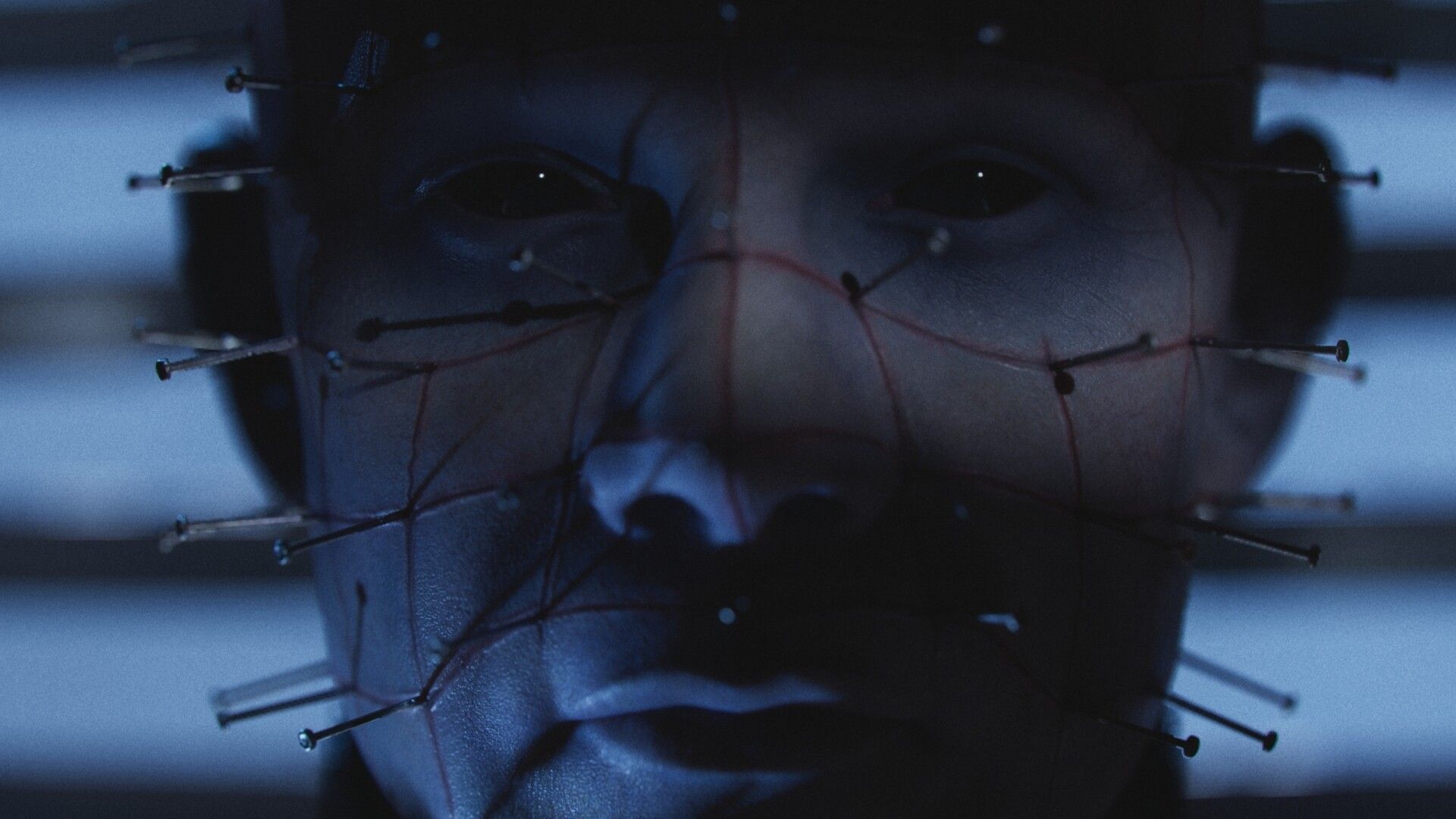
The creative alignment between Barker and Saber Interactive feels particularly significant given the turbulent history of the cinematic franchise over the decades. Barker successfully reclaimed the American franchise rights to Hellraiser several years ago following a legal settlement. Consequently, Hellraiser: Revival has been written specifically as a legacy sequel that deliberately bypasses and ignores the trajectory of the numerous films that followed Hellraiser 2.
Elaborating on the decline in quality that plagued later entries in the cinematic series, Barker pointed directly to the corporate mechanics behind their production. He explained that many of the later Hellraiser movies—particularly those produced under the watch of the Weinstein brothers—were manufactured simply as contractual obligations designed to hold onto the intellectual property rights. Over time, progressively smaller budgets were allocated to these projects, which severely limited what filmmakers could achieve. Barker was quick to emphasize that this steady decline was not the fault of the individual writers and directors tasked with bringing those sequels to life, but rather an inevitable byproduct of a flawed studio system.
The unexpectedly positive reception and creative triumph of Hellraiser: Revival appear to have thoroughly reinvigorated Barker’s enthusiasm for his own fictional universe, whetting his appetite to explore the dark mythology further. Having worked alongside Saber Interactive, the creator revealed that he is keeping his fingers in the pie with numerous ideas he would love to see realized within the Hellraiser universe. While these concepts are currently being explored through an upcoming series of comic books, Barker made it clear that his ambitions extend beyond the page, stating that he would love to go further in the movies.
Furthermore, Barker strongly hinted that Hellraiser: Revival will not mark the conclusion of his professional relationship with Saber Interactive. Looking ahead, he expressed genuine excitement at the prospect of collaborating with the studio again on entirely separate projects, though it remains unclear at this stage whether those future endeavors might involve a direct sequel to Revival or an adaptation of a completely different literary work from Barker’s extensive catalog.
For Saber Interactive, the overwhelmingly positive community and creator response to Hellraiser: Revival offers a welcome wave of positive momentum, arriving on the heels of a turbulent summer defined by controversy. Back in August, Saber CEO Matt Karch found himself at the center of a public storm after denying accusations that the company had replaced Rideshare Stimulator writer Stella Sacco with ChatGPT. Karch subsequently issued a formal public apology to Sacco regarding the contentious manner in which he spoke about her following the initial allegations.
Amidst that industry-wide discussion regarding automated writing tools, Saber acknowledged its general utilization of generative AI in specific contexts. However, the studio’s Chief Creative Officer, Tim Willits, sought to reassure players by explicitly confirming that the technology is strictly excluded from Hellraiser: Revival. Willits noted that generative AI plays no role in the development of Revival or other high-profile ongoing projects at the studio, including Jurassic Park: Survival and the recently confirmed Space Marine 3. With the cloud of the summer’s controversies beginning to clear, Saber Interactive can now focus on delivering what Barker and horror fans alike hope will be a defining modern chapter for the iconic franchise.