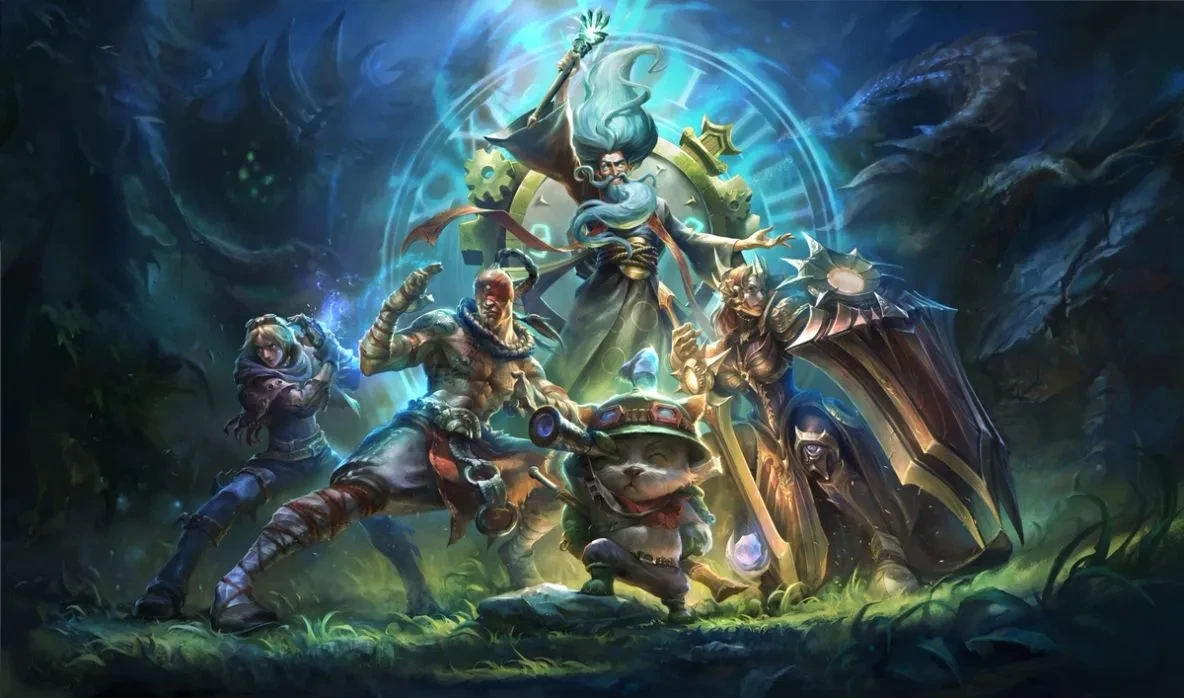
Riot Games has announced that League of Legends Classic, its nostalgic dive into the vintage era of the world’s most popular multiplayer online battle arena game, will officially go offline in January 2027. The mode, which launched to much fanfare just six months ago, was designed to strip away more than a decade of champion reworks, new additions, and map overhauls to recapture the chaotic charm of early League of Legends. However, the initial wave of nostalgia that buoyed the mode’s release has proven insufficient to maintain a sustainable player base, prompting Riot to pull the plug and reevaluate its approach.
When League of Legends Classic debuted, it aimed to capitalize heavily on the collective memories of longtime players. The mode stripped away most of the champions and complex kits introduced to the game since 2013, rolled back the clock on Summoner’s Rift to feature an older version of the iconic map, and promised to reintroduce "new" old champions at a much faster cadence than had been managed back in the game’s actual early years. For many veterans, it was a chance to step back into a simpler time when warding systems were vastly different, strategies were less optimized, and the competitive landscape felt entirely distinct from the hyper-polished esports titan League of Legends has become.
Yet, despite the intense wave of community enthusiasm that pushed Riot to develop the mode in the first place, player retention quickly emerged as a hurdle. In a recent developer update, a Riot spokesperson acknowledged the initial success of revisiting the past, noting that while players enjoyed diving back into the early days, most have ultimately migrated back to other parts of the modern League of Legends ecosystem.
Consequently, the current competitive season will be the last for League of Legends Classic. Riot confirmed plans to pack the mode away for now, with the ultimate goal of bringing it back at a later date—likely as a rotating event mode incorporating various adjustments and structural additions based on the data and feedback gathered during its short lifespan. The development team intends to share a deeper post-mortem in the future detailing what worked, where they felt they successfully captured the classic feel, and where adhering too strictly to historical accuracy may have inadvertently hindered the overall gameplay experience.
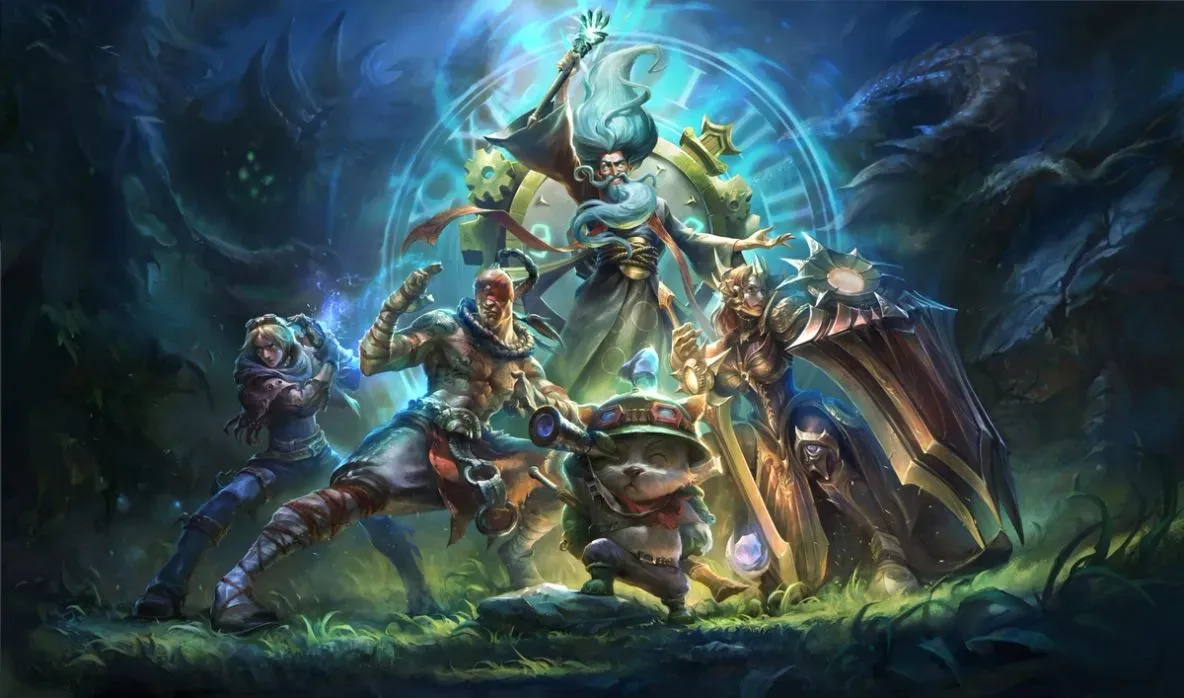
To mitigate player disappointment, Riot has confirmed that refunds will be issued for any League of Legends Classic content rendered obsolete by the closure. Furthermore, the sunsetting process will not halt the remaining scheduled rollouts entirely. Players can still expect at least seven more legacy champions to join the mode before its final shutdown. Mordekaiser, Yorick, Hecarim, and Lucian are slated to arrive in the forthcoming 26.21 update, while Volibear, Urgot, and Udyr are planned for subsequent updates.
Reflecting on the mode’s bittersweet conclusion, Riot expressed profound gratitude to the community. Representatives described the project as a true labor of love born from social media campaigns, community voting councils, and countless requests from players yearning to relive their glory days, reconnect with old friends, and experience the unique friction of leashing early jungle camps once again.
The rapid rise and fall of League of Legends Classic has prompted widespread discussion within the community regarding why a retro mode failed to retain traction in the same manner as vintage versions of other long-running online titles. Back in August, veteran League of Legends esports competitor Alex Chu, widely known as Xpecial, offered insight into the challenges facing a retro MOBA launch. Speaking when community skepticism surrounding the mode was at its peak, Chu noted that League of Legends Classic was never engineered for overnight mass-market staying power, largely because the definition of "classic" varies wildly depending on when an individual player first discovered the game.
For Chu, the version selected by Riot matched his own golden era—a time when every champion and item was immediately recognizable, and the foundational warding systems were second nature. However, he pointed out that the majority of the game’s broader player base began their journeys much later, viewing the mode not through a lens of personal nostalgia, but simply as an outdated version of a game they already knew. The inevitable nostalgia spike was always going to fade once the novelty wore off.
Chu had previously theorized an alternate trajectory for the mode—one centered on the loosening of developer reins to allow player-driven votes and experimental metagames that would never be permitted in the modern, mass-appeal version of League of Legends. Where modern League must continually balance broad accessibility and global competitive integrity, a dedicated classic environment theoretically possessed the freedom to cater to niche, highly specialized player desires, ranging from extraordinarily complex drafts to sweeping, season-long champion bans.
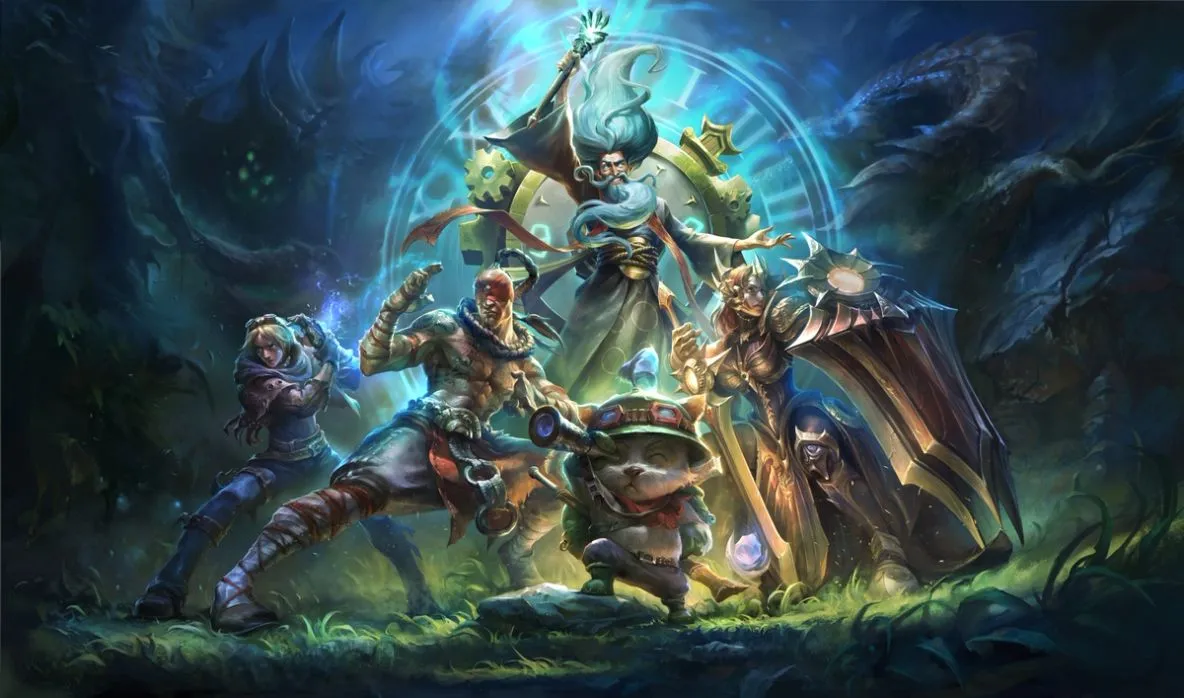
Beyond community preferences and design philosophies, industry analysts have pointed out fundamental differences between League of Legends and other prominent retro revival spaces, such as those seen in older massively multiplayer online role-playing games like World of Warcraft, RuneScape, or Guild Wars. Those virtual worlds function as persistent spaces for habitation and socialization, traditionally characterized by slower-paced progression and less adversarial, high-stress environments. They often act as virtual second homes rather than intense, competitive battlegrounds where every match demands razor-sharp focus and emotional investment.
Moreover, the historical development pace of League of Legends differed vastly from early MMORPGs. Back in 2013, Riot Games released new champions at a relentless pace of every two to three weeks, constantly reshaping the meta and destabilizing the game state. In contrast, older MMOs typically relied on seismic expansions arriving on an annual basis, granting communities ample time to thoroughly internalize and settle into a specific era of gameplay before the ground shifted beneath them.
As the countdown to January 2027 begins, League of Legends Classic stands as a unique experiment in game preservation and nostalgic fan service. While its lifespan was cut short by shifting player habits and the realities of modern gaming retention, the project has provided Riot Games with invaluable data regarding how players interact with the history of a living, ever-evolving competitive game.