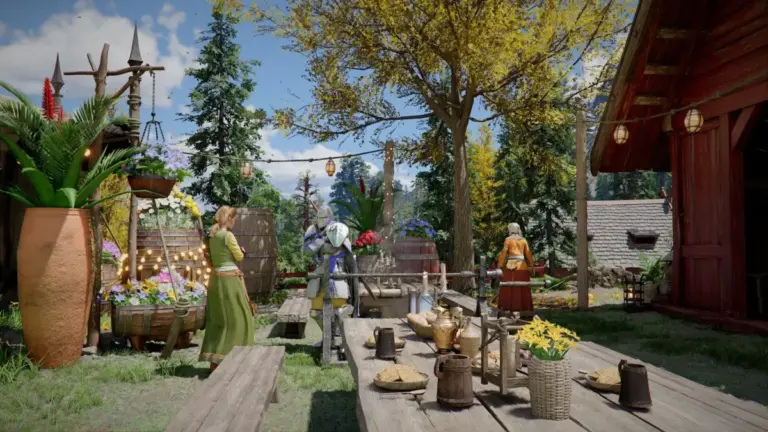
When the game creation platform made its debut in April, it was immediately met with a wave of negative reviews on Steam. Players complained that the user-generated content library had quickly devolved into what many described as "AI slop," feeling more akin to a poorly moderated mobile marketplace or a generic Roblox clone rather than the chaotic, experimental sandbox spirit that defined the original Garry’s Mod. User numbers dropped swiftly as early adopters realized the platform was suffering from a severe curation crisis.
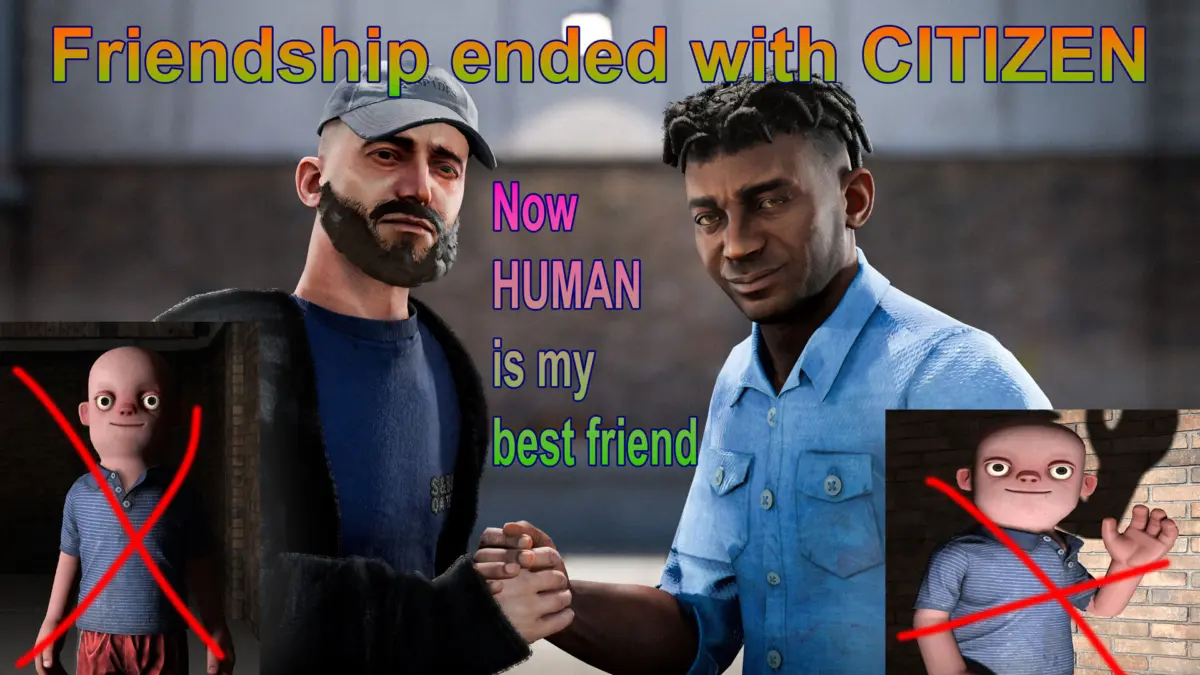
In response to the backlash, Facepunch creator Garry Newman has announced a sweeping series of fundamental shifts in how the platform will operate, be monetized, and present itself to the public. Among the most prominent changes is a complete pivot away from an automated discovery system toward a manual greenlight model for user content, an accelerated timeline to make the entire platform free-to-play, and the retirement of the game’s infamous neckless sausage character model, affectionately known as "The Citizen" or "Terry."
The core issue, as Newman candidly acknowledged in a recent development update on the s&box website, stemmed from a fundamental misalignment between the studio’s developmental passions and the actual needs of its consumers. For years, the team at Facepunch Studios poured its energy into the underlying engine and the technical development experience—elements that deeply excite developers but matter very little to the average player sitting at a monitor looking for immediate entertainment.
Newman admitted that the studio lost sight of the end-user experience, focusing too heavily on building a robust creation toolset while neglecting the overall ecosystem’s health and playability. He noted that the team was not attempting to sell a game engine to prospective developers, but rather trying to sell a finished, accessible game to regular players. Consequently, the studio has decided to pivot its primary focus toward improving the default sandbox mode by introducing more non-player characters, vehicles, and customization options to ensure that players have an engaging experience right out of the box, even before exploring community creations.
Another major pain point that Newman addressed head-on is the overwhelming sea of low-quality content that Facepunch initially permitted creators to upload to the platform. Under the previous ecosystem philosophy, the studio operated under the optimistic assumption that poor-quality submissions and automated slop would naturally sink to the bottom of the browse lists over time, leaving quality creations at the top.
That theory, however, proved disastrously unviable in practice. Newman explained that the current player experience was severely bogged down by choice paralysis and disappointment. Players would browse through an uncurated list of dozens of games, wait for lengthy download times, and frequently find themselves dropping into a title that was fundamentally broken or devoid of actual gameplay value. Asking players to repeatedly roll the dice on unvetted community creations until they miraculously stumbled upon something enjoyable was a fundamentally flawed discovery model. The platform’s original ambition of acting like a "Netflix for games" failed because it did not align with how human beings actually discover and engage with entertainment.
To combat this, Facepunch is overhauling its content moderation and developer reward systems. Game creators who wish to participate in the financial Play Fund pool will no longer receive automatic payouts based purely on raw player counts and map quantity metrics. Instead, developers will now be required to formally apply to the program, introducing a human gatekeeping layer designed to filter out low-effort experiences.
Newman stated that the studio’s updated policy is intentionally designed to discourage clickers, idler games, automated slop, and superficial user-interface-based projects that offer little to no interactive value. Facepunch has already begun aggressively purging a substantial number of community games and maps from the ecosystem that fail to meet this newly established quality bar.
In a further effort to revitalize the platform’s community and lower the barrier to entry, Newman revealed that s&box is scheduled to transition to a completely free-to-play model well before the end of 2026. To reassure early supporters who purchased the software during its paid development phase, Newman promised that everyone who paid for access will automatically receive exclusive Steam inventory items. The rarity and quantity of these rewards will scale based on whether players purchased the game at higher introductory price points, which Newman hopes will adequately compensate early backers for their financial investment.
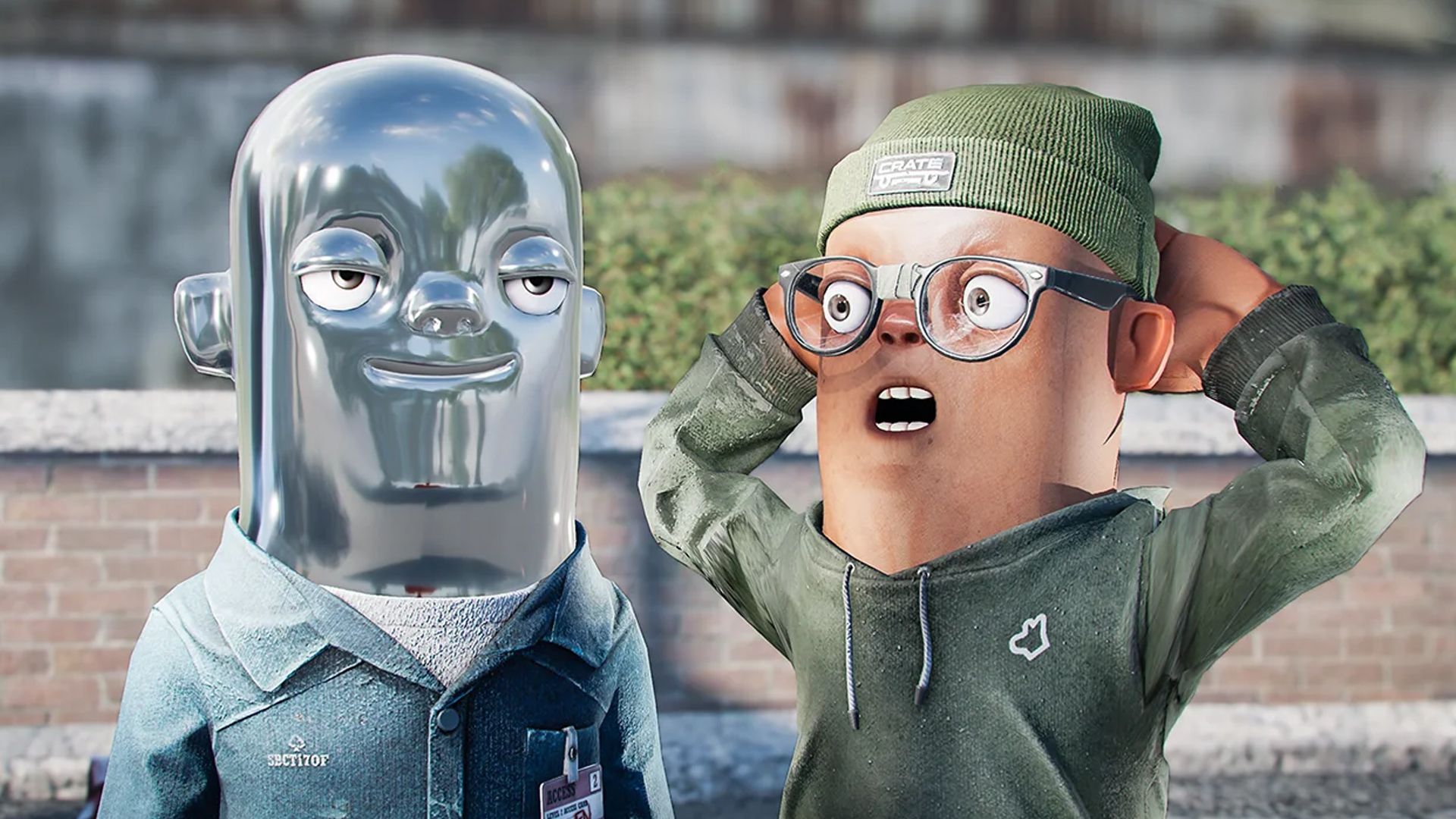
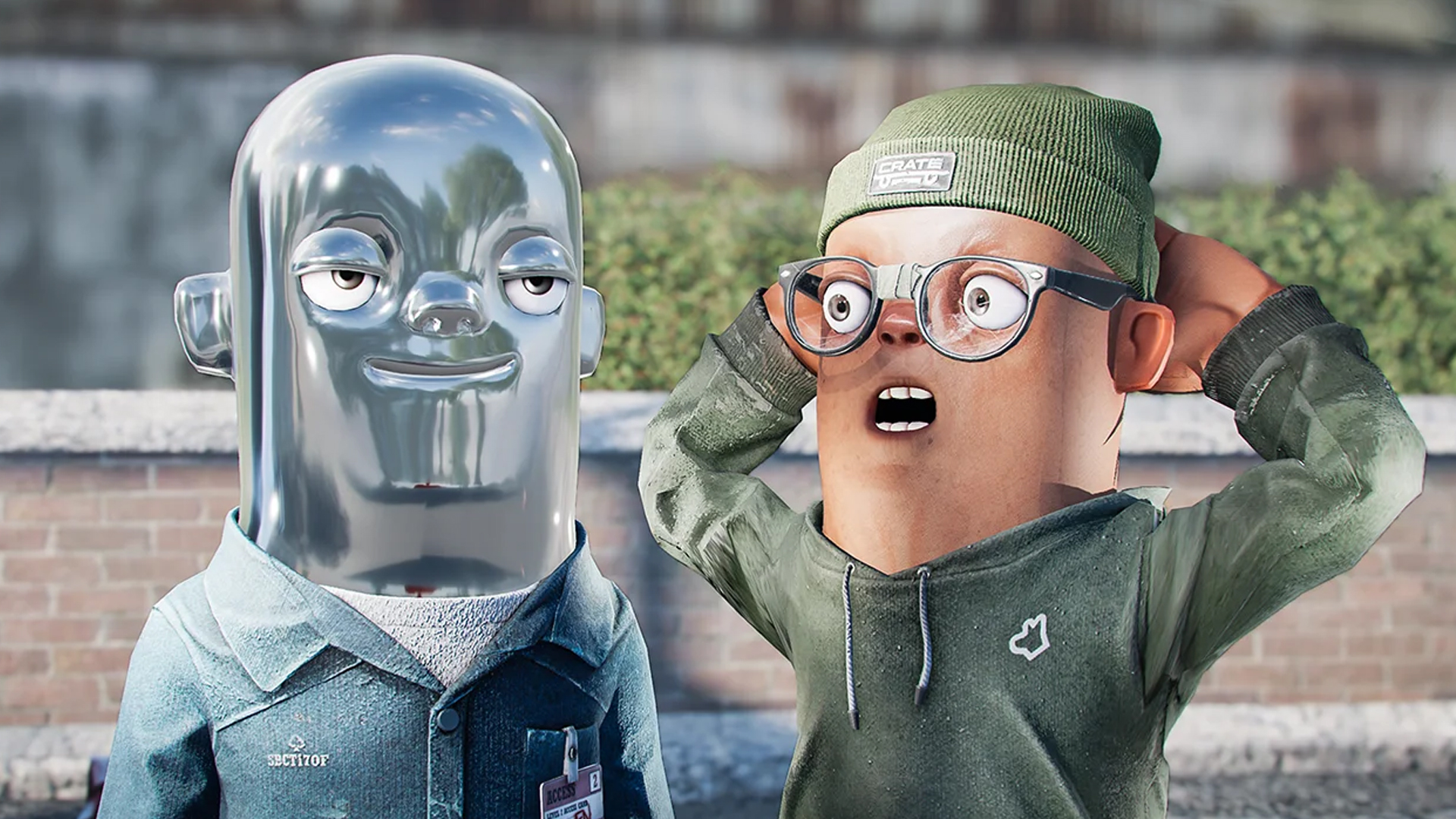
Alongside these structural and systemic changes, Facepunch is also altering the visual identity of the platform. The iconic, albeit controversial, sausage character model known as "The Citizen" or "Terry" is being officially retired from the forefront of the platform. While existing games that rely on the model will retain functionality and continue to use it, Terry will no longer be visible in the main menu or the core avatar editor, replaced instead by more traditional, generic human character models. This visual pivot follows other recent comedic and practical adjustments, such as adding actual necks to the formerly neckless character models after the lack of anatomical necks became a persistent complaint across a multitude of negative reviews.
Whether these dramatic policy reversals, accelerated free-to-play plans, and strict content curation efforts will be enough to rescue s&box from its rocky beginnings remains to be seen. However, abandoning the hands-off approach to user-generated slop represents a significant and necessary shift in strategy for Facepunch Studios. For a platform struggling to recapture the anarchic, creative magic of Garry’s Mod, implementing proactive human curation and prioritizing the player’s immediate experience over passive optimism may be the only path forward to win back the gaming community’s trust.