At a time when artificial intelligence is increasingly being adopted across the entertainment and technology sectors to streamline production and replace human creativity, Ubisoft’s massively popular franchise Just Dance is proudly swimming against the current. The global dance phenomenon is doubling down on its deeply hands-on, labor-intensive approach to bringing its on-screen characters to life, relying on real-world artists, physical fabrics, and tangible artistry rather than algorithmic generation.
The commitment to traditional craftsmanship takes center stage with the launch of Just Dance: Decades of Hits. Released on Tuesday, the latest installment in the long-running series continues a 17-year tradition of grounding its vibrant visuals in human effort. Rather than utilizing generative AI tools to conjure digital backgrounds or character models, the franchise relies on real dancers outfitted in handmade costumes, bespoke wigs, and intricate makeup. These performers are filmed against green screens before being meticulously integrated into the colorful, highly stylized virtual environments of the game.
For Benjamin Jouffret, the game’s costume designer and character lead, this refusal to automate the creative process is a matter of artistic integrity and personal passion. Having studied fashion and previously built a career as a stylist, Jouffret has spent the past eight years overseeing the physical costumes and distinct visual identities of the characters that populate the screen.
"We are really loving what we do. It’s our art. It’s what we love," Jouffret tells Variety. "We are proud of working, sketching ourselves, creating what is in our minds and making real costumes with real costume makers."
From Inspiration to Ideation: The Creative Pipeline
Jouffret and his bi-continental team—split between Ubisoft’s Paris-based lead studio and a partner studio in Shanghai—approach each track with a rigorous, analog development cycle. The creative journey typically begins with a collaborative brainstorming session. The team sits together to listen intently to a selected song, dissecting its rhythm, mood, and accompanying music video to establish a visual direction for the character who will lead the player through the choreography.

While some songs inspire direct homages to the original recording artists, others invite the creative team to veer off into entirely different conceptual territories. These artistic decisions directly inform the design of the game’s maps, which seamlessly merge the featured characters with their surrounding backgrounds and dynamic environments.
"If you want to create a map for the community or the hardcore players, we know that they will really want to have a connection with the singers," Jouffret explains. "If you have a Lady Gaga song, you want Easter eggs. For that, we are really inspired by the artists."
Once the broad conceptual direction is locked in, the team determines the logistical framework of the performance. They must decide whether the routine will feature a solo performer, a dynamic duo, or a trio. In some instances, complex arrangements can feature up to 10 distinct characters moving in unison across a single dance map.
The character archetypes are equally diverse, ranging from grounded, casual everyday figures to fantastical creations. "We also decide if you want a casual costume, or an alien or a mascot or a nonbinary character," Jouffret says, emphasizing the wide breadth of representation the team strives to achieve. "We do a lot of things."
Following these foundational decisions, the team assembles detailed mood boards pulling visual references from films, contemporary music videos, and various other forms of media. From there, designers draft initial sketches before finalizing the approved concepts. Once a design receives a green light, the production team consults its extensive roster of professional dancers to find performers who can physically embody the character while perfectly complementing the vision of the game’s choreographers.

Balancing High-Fashion Vision with Physical Practicality
Despite the intricate detail required for each design, the production timeline remains surprisingly brisk. Following a comprehensive one-day brainstorming session, Jouffret’s team typically devotes two to three weeks exclusively to designing a character. This phase is followed by roughly four weeks of intensive physical production.
The manufacturing window encompasses fittings, specialized hair and makeup test runs, and exhaustive rehearsal periods. These rehearsals are vital, serving to ensure that the elaborate costumes can withstand rigorous movement and function seamlessly with the choreography. Filming for the final in-game asset then takes place over the course of a single, highly coordinated day.
Across the studios in Paris and Shanghai, the collaborative teams conceptualize and construct roughly 100 unique costumes for each new installment of the franchise. However, aesthetic ambition is constantly balanced against the harsh realities of physical performance.
"We can’t make beautiful costumes if they can’t be used by the dancers," Jouffret points out. "We can do what we want, but we have to do it smartly."
This pragmatic approach has evolved through years of experimentation. The development team previously experimented with incorporating 3D-printed elements into the costumes. While innovative, the materials frequently proved too heavy, restricting the range of motion required by the dancers. Today, 3D printing is used sparingly and reserved exclusively for lightweight accessories that require small, intricate details rather than structural support. For Jouffret, this ongoing cycle of trial and error is an essential component of what makes working on the franchise uniquely fulfilling.

Celebrating Diversity, Continuity, and Physical Archives
The collaborative spirit extends beyond the core design team. Jouffret works closely with a network of specialized costume makers, each bringing distinct expertise in specialized areas such as structured corsetry, mascot construction, and casual streetwear.
This dedication to authentic representation is mirrored directly within the game’s roster of performers, who reflect a wide spectrum of backgrounds, body types, and physical abilities. In a previous installment, the studio collaborated with dancer Jana Bruno, who has one arm, earning widespread critical recognition for the franchise’s inclusive casting and design efforts.
Because Just Dance releases a brand-new installment every year, the team frequently weaves together continuity, occasionally revisiting established characters and ongoing narrative arcs from previous titles. For Decades of Hits, the studio introduced a brand-new character named Lyra. Serving as the daughter of a character introduced in an earlier game, Lyra embarks on a narrative storyline that players can follow as she searches for her father through movement and music.
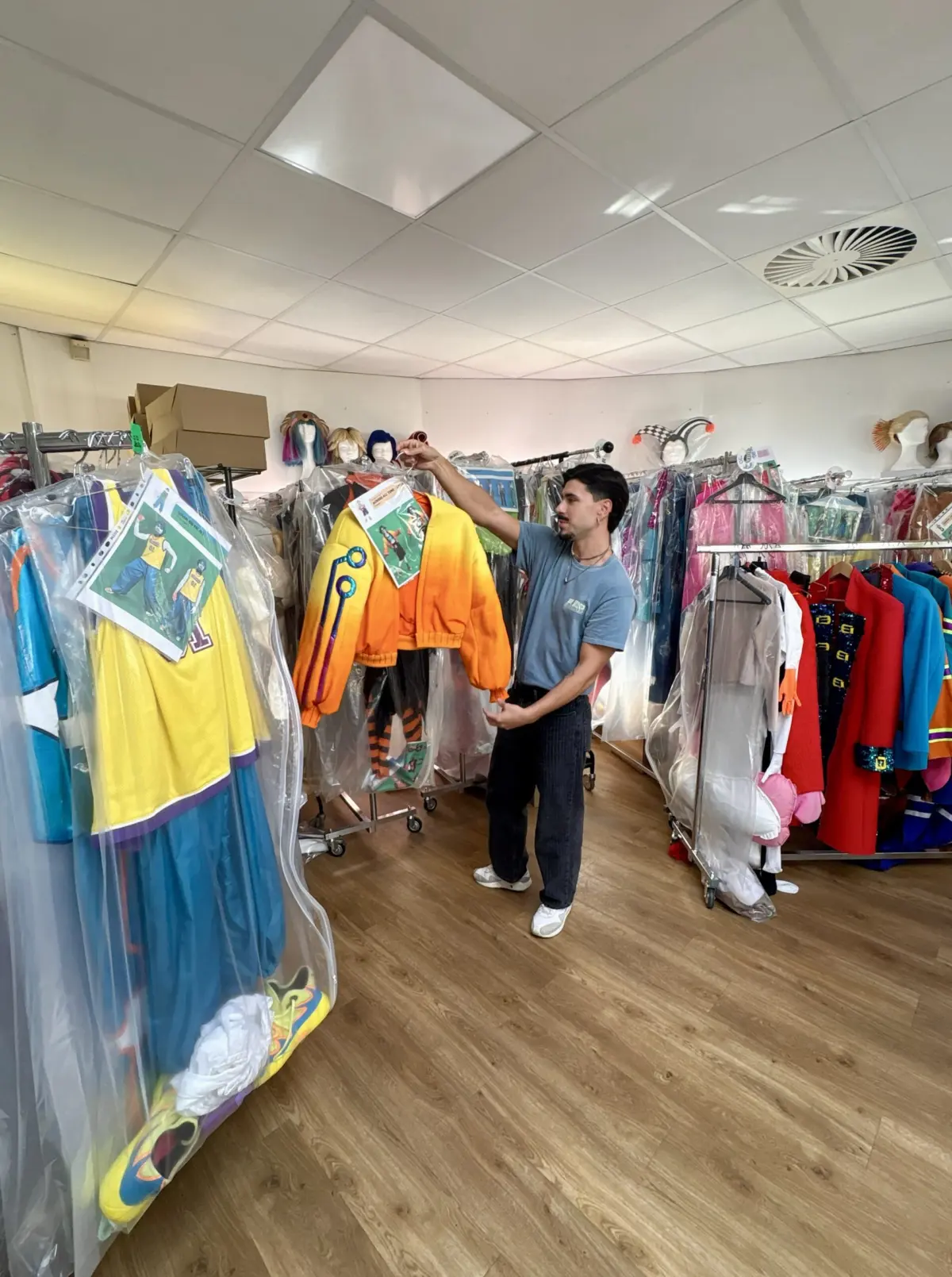
Meanwhile, the physical legacy of the franchise continues to grow. Hundreds of handmade costumes accumulated over the series’ 17-year history remain carefully preserved in storage in Paris. This growing collection forms a tangible, physical archive of the human labor and artistry that underpins the digital characters on screen. Jouffret shares that the team hopes to eventually showcase these physical creations through a dedicated public exhibition or a live runway presentation, though many of the pieces would first require careful repair after enduring the inevitable wear and tear of production filming.