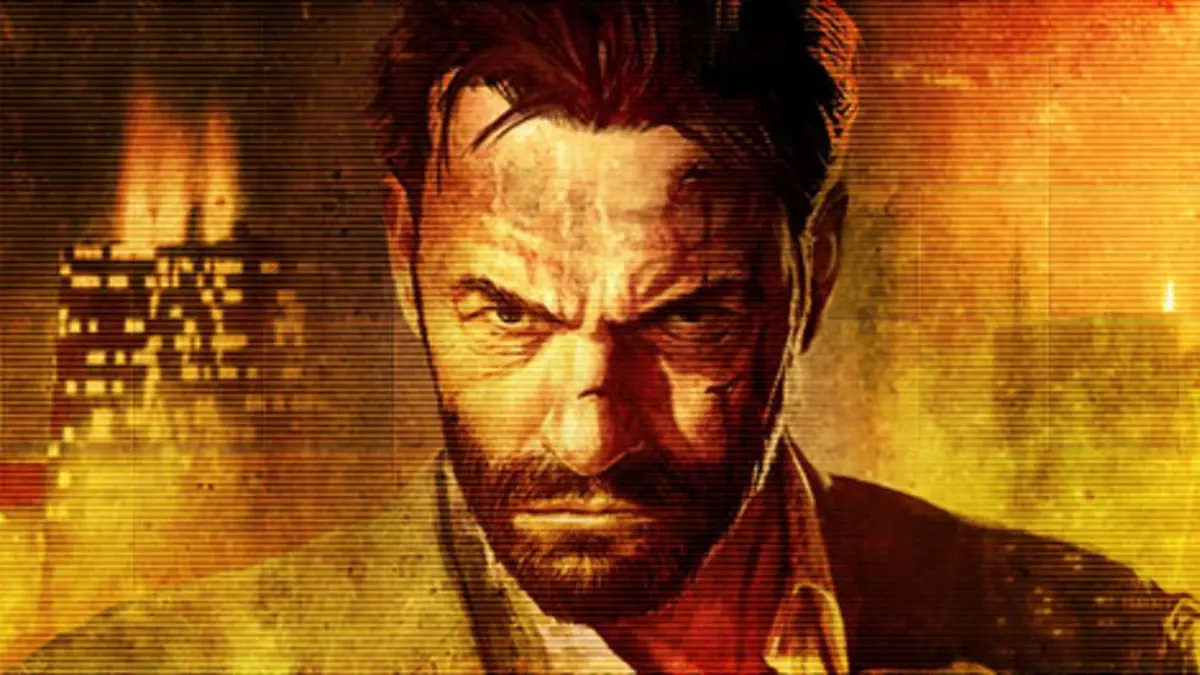
Dan Houser, the legendary co-founder and former lead writer of Rockstar Games, has looked back at his extensive catalog with a surprisingly critical eye, labeling the 2012 gritty action shooter Max Payne 3 a "failure." Despite Houser’s own harsh self-assessment regarding the game’s commercial and creative reception upon release, a vocal contingent of players, critics, and gaming historians continue to champion the title as a misunderstood masterpiece that brilliantly reinvented a beloved cult-classic franchise.
The debate centers around an expansive retrospective interview where Houser discussed his unique role in shaping the third installment of the neo-noir series. Unlike the first two games, which were famously developed by Finnish studio Remedy Entertainment under the creative direction of Sam Lake, Max Payne 3 was helmed entirely by Rockstar Games. Houser, accustomed to crafting sprawling open-world sandbox epics like Grand Theft Auto, found himself diving into a tightly wound, heavily cinematic, and intensely linear narrative structure.
Reflecting on the transition, Houser explained that while he thoroughly enjoyed the development process—praising the seamless design that eliminated traditional loading screens, the immersive 12-hour cinematic pacing, and the striking visual motifs of stylized text flashing across the screen—the public consensus at launch felt entirely different. He noted that he was attempting to build a distinct digital noir experience, but the prevailing reaction from a portion of the fanbase at the time was overwhelmingly harsh.
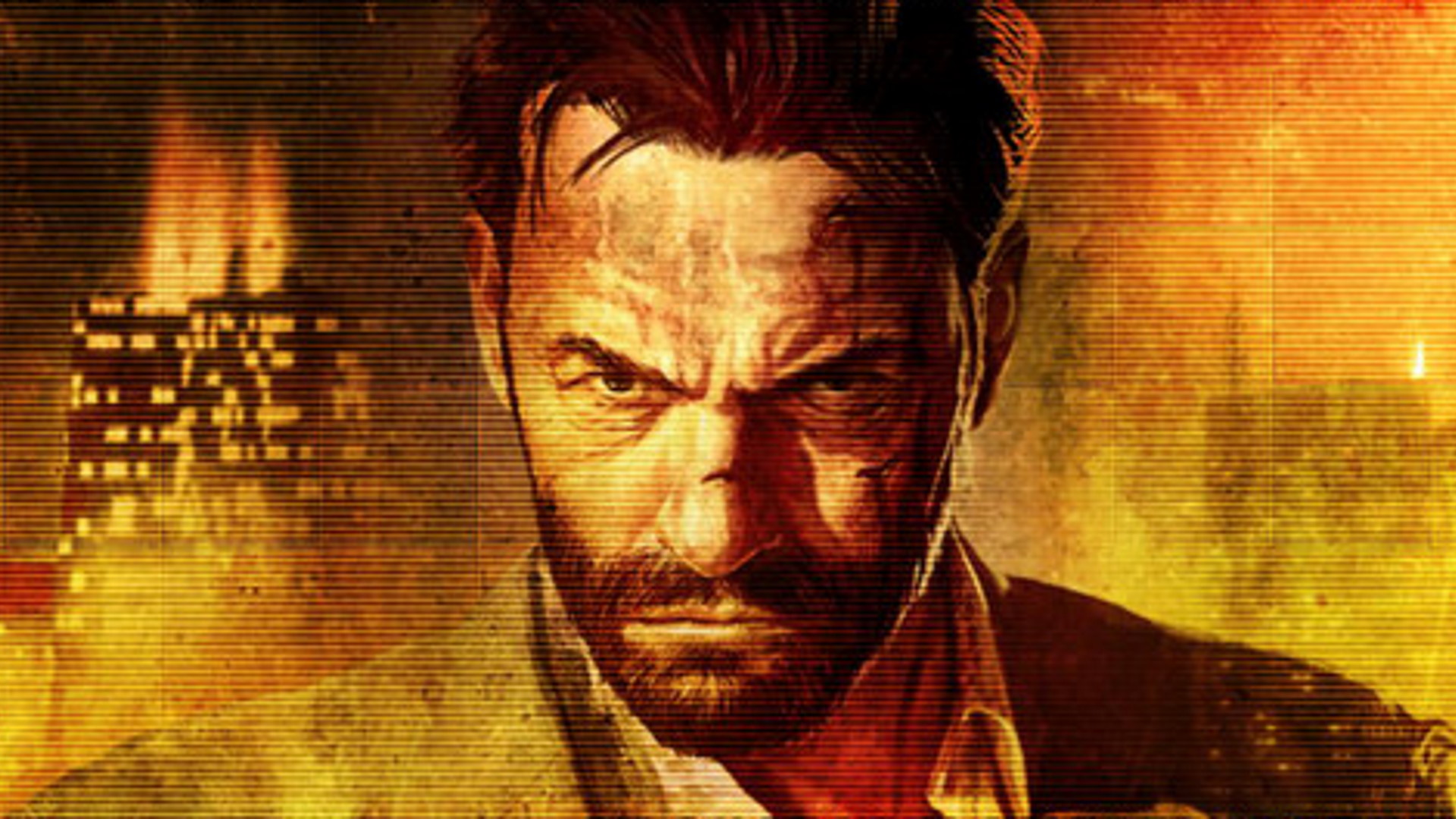
Houser candidly admitted that he missed the mark, noting that he knows Sam Lake well and respects his incredible talents as a writer. Because fans deeply missed Lake’s specific stylistic touch, Houser ultimately placed a significant amount of the blame on his own shoulders as both a key decision-maker and the game’s primary writer. While acknowledging that the game was beautifully crafted from a technical standpoint, he lamented that it simply did not achieve the level of success it deserved, concluding that his specific contribution to the project was ultimately unsuccessful.
However, looking back at Max Payne 3 through a modern lens reveals a fascinating case study in artistic risk-taking. The game remains deeply faithful to the core tenets of the franchise—it is profoundly grim, relentlessly gritty, saturated in signature bullet-time mechanics, and overflowing with cynical commentary from a broken protagonist detailing how miserable life can be. Yet, because it was filtered entirely through Rockstar’s distinct corporate and artistic sensibility, the overall vibe shifted dramatically away from Remedy’s original melancholic New York winter wonderland. Fans who arrived expecting an exact carbon copy of the previous installments were bound to experience a jarring disconnect.
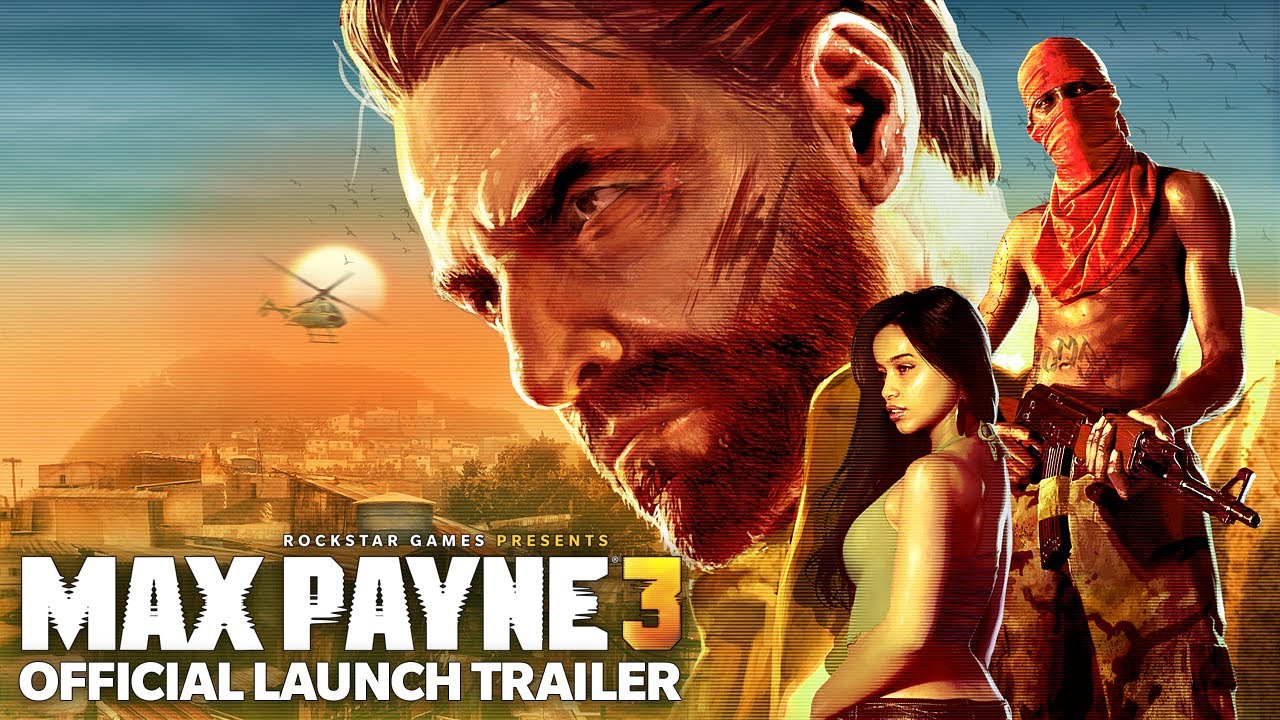
Despite the tonal shift, Max Payne 3 stands as a powerhouse of a cinematic shooter. It genuinely captures the sensation of playing through a high-budget, twelve-hour action film, propelled by lush cutscenes, a phenomenal and moody industrial rock soundtrack composed by the band Health, and phenomenal voice acting across the board. At the absolute center of this chaotic symphony is James McCaffrey, who reprised his iconic role as the titular tormented ex-cop. With all due respect to Remedy’s foundational work, Max Payne 3 is widely regarded as the project where McCaffrey truly hit his creative stride, delivering raw, unforgettable performances and razor-sharp, nihilistic monologues that elevated the entire script.
The commercial reality of the game at launch certainly fueled the narrative surrounding its struggles. Back in 2012, publisher Take-Two Interactive publicly reported that sales for Max Payne 3 came in significantly lower than initially anticipated, contributing to an increased net loss for that financial quarter. Interestingly, Take-Two delivered a nearly identical financial assessment at the exact same time for Spec Ops: The Line, another military shooter that was commercially underwhelming upon release but has since achieved legendary status for its daring, subversive, and psychologically harrowing narrative.
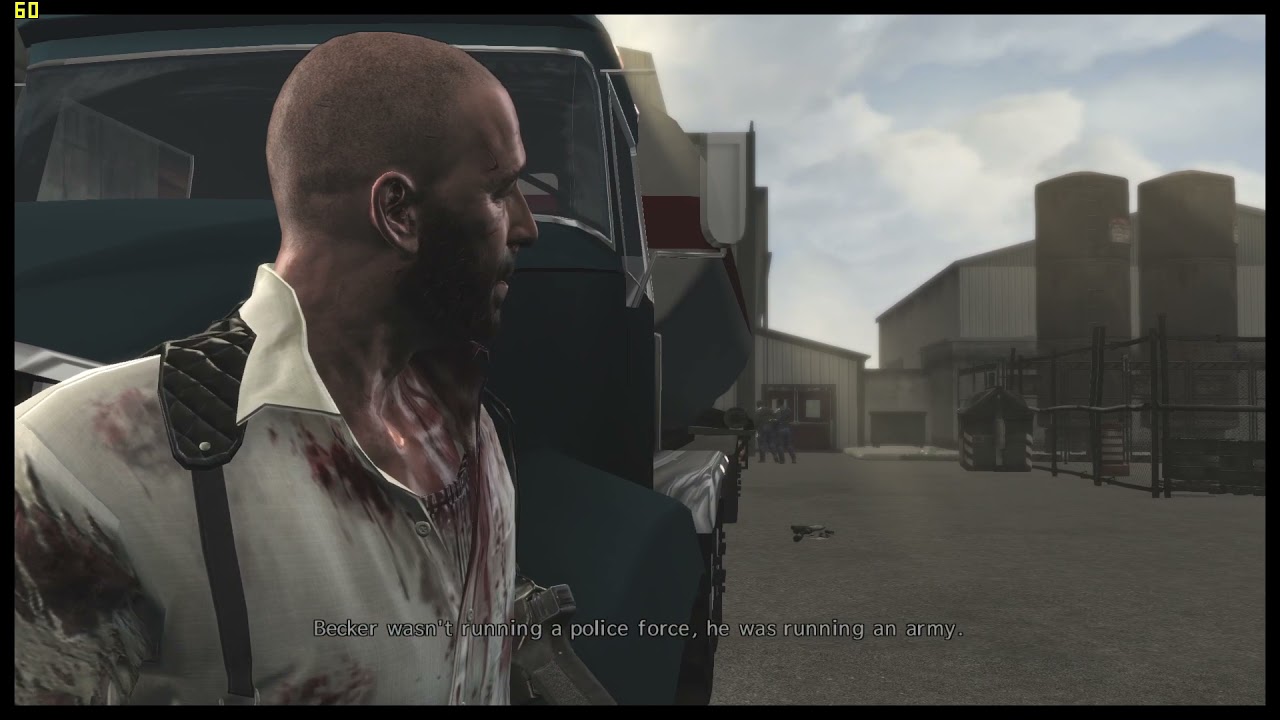
Over the years, cultural hindsight has drastically reframed the conversation around Max Payne 3. Industry commentators and longtime critics have increasingly pointed out the immense bravery it took for Rockstar to completely dismantle and rebuild Remedy’s beloved, established formula. What initially felt like an alienating departure has come to be viewed as a stroke of genius. Shifting Max Payne out of his comfort zone in New York City and thrusting him into the scorching, chaotic underworld of São Paulo, Brazil, created an intentional sense of profound alienation. Watching a weary, cynical American wander through a South American favela dressed in a painfully loud Hawaiian shirt brilliantly underscored his status as a complete outsider, heightening the dramatic tension and physical vulnerability of the character.
Ultimately, while Dan Houser may view his writing and the game’s overarching trajectory through a lens of regret and unmet expectations, history has been remarkably kind to Max Payne 3. It may have divided audiences upon its initial release and failed to set unprecedented sales records, but calling it a failure overlooks the sheer ambition, technical polish, and narrative fearlessness poured into the project. Rockstar Games and Dan Houser did not fail with Max Payne 3; rather, they delivered a brilliantly flawed, unforgettable descent into darkness that simply arrived ahead of its time.