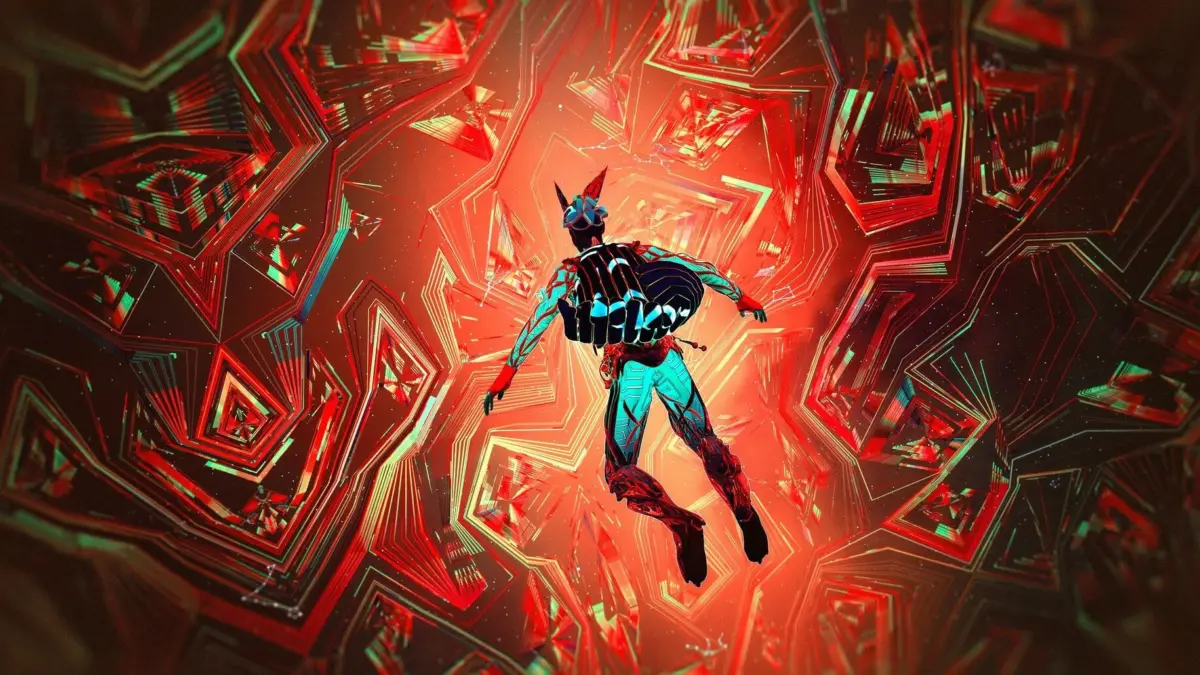
In an era defined by an industry-wide pursuit of near-photorealism, it increasingly takes a profound stylistic vision for a video game’s visuals to genuinely stand out from the crowd. As developers pour staggering computational resources into cramming ever-more pixels into character facial animations and hyper-detailed textures, the returns have become increasingly diminishing. Standing out is no longer merely about raw graphical fidelity; rather, it is about how creatively developers apply that immense digital power to craft unique artistic identities. Amidst this landscape, the debut announcement footage of Etre, an upcoming action-adventure game developed by Los Angeles-based Studio Lifeforms, has managed to captivate onlookers with its striking, eye-popping aesthetic.
Created by the team at Studio Lifeforms, Etre is positioned as a narrative-driven action title set within a truly bizarre and colossal alien environment known as Orbis. According to the development team, Orbis is not merely a backdrop or a static world, but rather a "planet-scale alien mind on the brink of awakening." Players step into the shoes of a protagonist named Xyle, whose journey begins when he arrives at this vast, sentient cityscape driven by a singular, deeply personal objective: searching for his lost soulmate, Atel. This premise sets the stage for a journey that blends science fiction concepts with psychological and emotional undertones, unfolding across an alien landscape that behaves less like traditional terrain and more like a thinking, breathing entity.
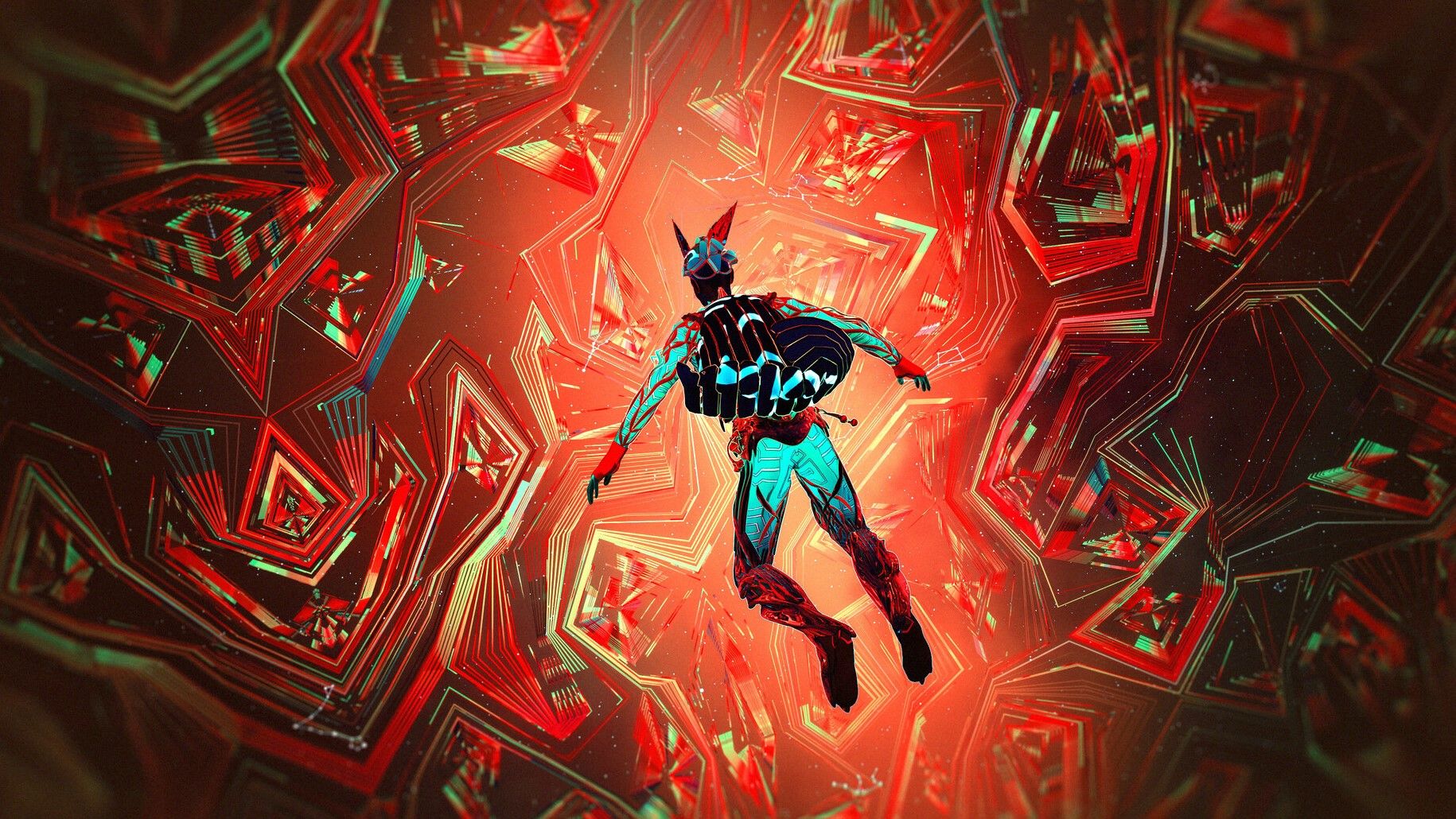
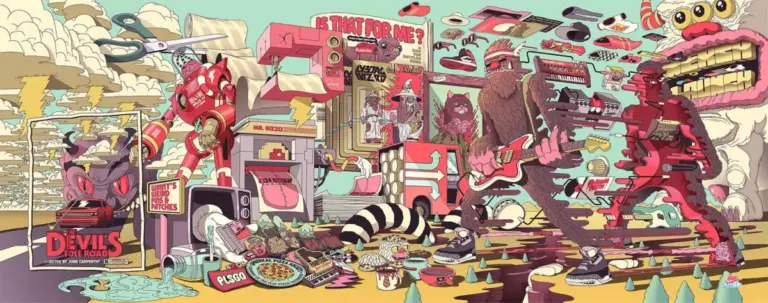
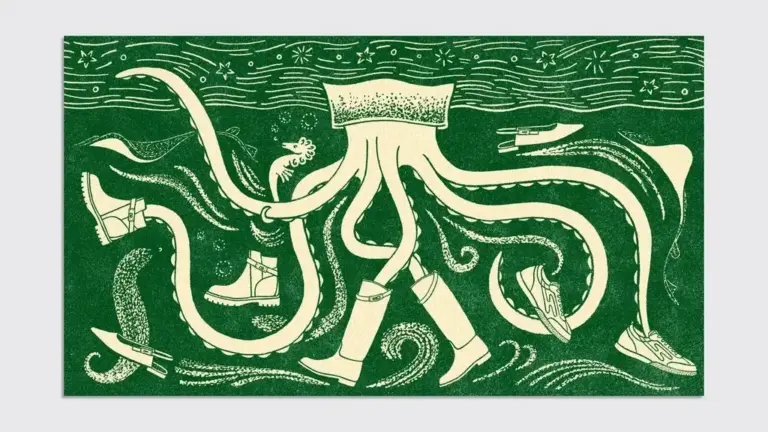
The most immediately arresting element of Etre is its distinctive visual presentation. Studio Lifeforms has noted that the game’s striking art style draws heavy inspiration from the classic graphic novels of the 1970s and 1980s. While the studio has not pointed to specific graphic novel titles or creators, the resulting aesthetic is unmistakably bold, utilizing linework, color palettes, and framing that evoke the sophisticated, hand-drawn panels of vintage speculative fiction. Within the medium of video games, Etre’s closest visual relatives include stylized, sensory-heavy experiences like Rez and Tetris Effect, both of which are celebrated for turning gameplay into a synesthetic journey of light and color. However, unlike those arcade-inspired music and puzzle titles, Etre applies its avant-garde artistic sensibilities to a much more grounded, traditional style of game framework, anchoring its surreal looks in an explorable, narrative-focused world.
From a mechanical and structural perspective, Studio Lifeforms has pointed to Remedy Entertainment’s critically acclaimed title Control as a primary influence for how Etre plays. Much like the Federal Bureau of Control’s mysterious headquarters in Remedy’s game, Orbis serves as a semi-open environment that players can explore freely, uncovering its secrets at their own pace. Furthermore, the narrative of Etre is designed to be shaped directly by the player’s actions as they navigate and interact with the sentient planet. Movement appears to be a core pillar of the experience, with Etre featuring a highly mobility-focused combat system that encourages dynamic engagement with the environment and adversaries alike.
The enemies players will encounter on Orbis further lean into the game’s surreal science-fiction premise. True to its cosmic, mind-bending setting, the foes populating the world are decidedly unconventional, ranging from unpredictable environmental anomalies to sentient, shifting pieces of "living geometry" that challenge standard combat paradigms. This integration of bizarre architecture and hostile physics aims to create a distinct combat and exploration loop that feels entirely tied to the game’s alien setting.
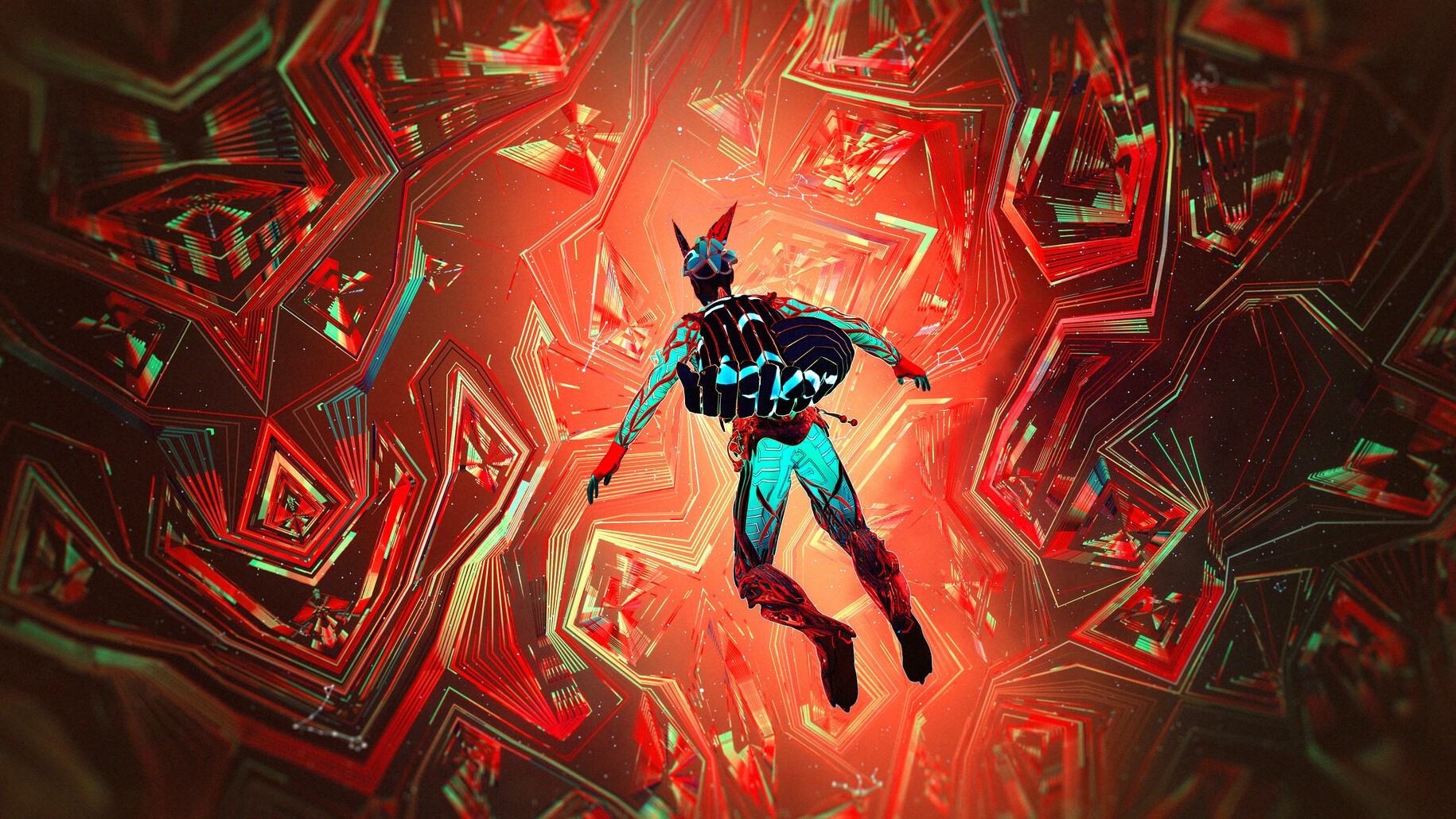
Despite the widespread fascination with Etre’s mesmerizing art style, initial glimpses of the combat mechanics—as seen in the early clips featured on the game’s official Steam page—have elicited some cautious observations from early viewers, with some noting that the physical engagement currently appears a bit flat in motion. One of the standout triumphs of Remedy’s Control was how successfully it managed to marry its deeply weird, bureaucratic supernatural setting with the visceral, tactile joy of combat—such as telekinetically hurling massive chunks of concrete and office furniture at adversaries. Because Etre relies so heavily on its captivating presentation, it will ultimately need to back up its gorgeous, retro-inspired aesthetic with equally satisfying, tactile gameplay mechanics to ensure the action feels as compelling as it looks.
For the time being, however, Etre’s striking visual identity and intriguing premise are more than enough to capture the imagination of players looking for something outside the AAA visual homogeneity. Studio Lifeforms has not yet announced an official release date for the project, but industry expectations point toward a potential launch sometime next year as development continues to unfold. As more details regarding its mechanics, story depth, and release window emerge, Etre remains one of the most visually distinctive independent titles on the horizon.