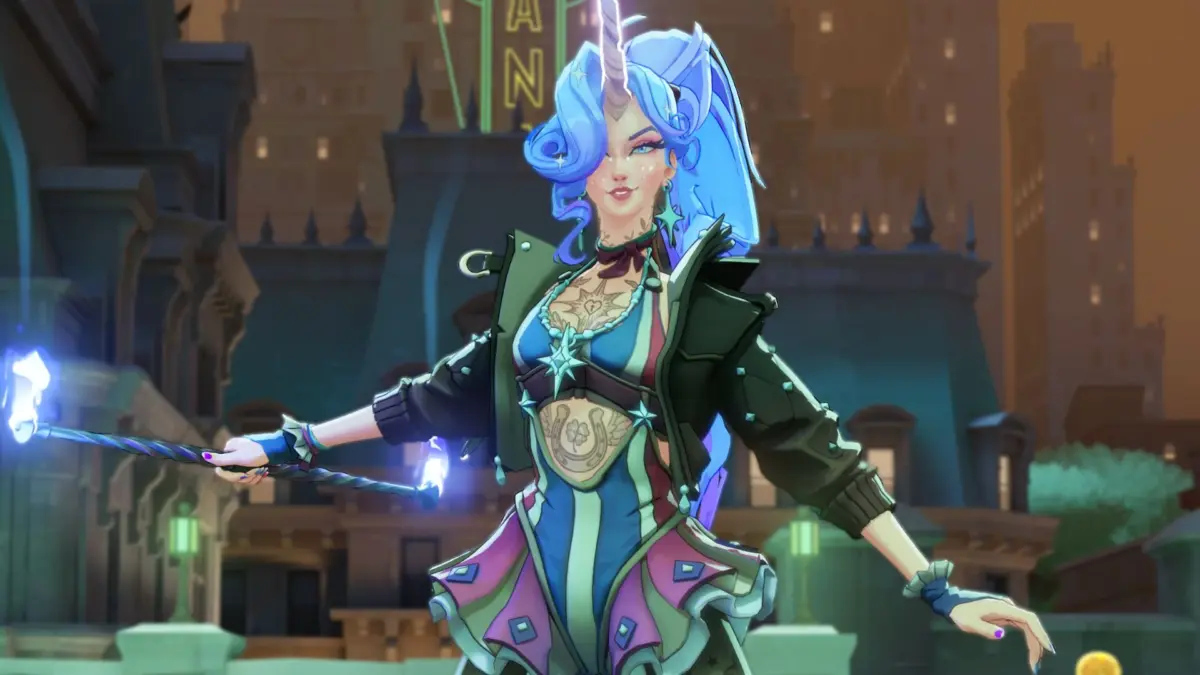
Valve has moved to temper expectations regarding the public release of Deadlock, its highly anticipated and closely guarded multiplayer tactical shooter MOBA. Despite a continuous rollout of massive updates, including major seasonal content drops, significant visual overhauls, and the introduction of new gameplay features, the development team has stressed that a wide public launch remains a distant prospect.
In its first official, comprehensive development update shared via Steam, Valve pulled back the curtain on its philosophy regarding multiplayer game creation. The studio emphasized that building modern competitive games carries a high degree of inherent risk, and the most effective way to mitigate those challenges is to involve players early in the development cycle. By keeping the title in an invite-only phase from a remarkably early state, the development team has been able to continuously gather vital community feedback regarding core mechanics, pacing, and what elements of the game are genuinely fun versus what needs rethinking.
The clarification comes in the wake of substantial milestones for the title. Earlier this year, Deadlock received the "Old Gods, New Blood" update, a massive patch that added six new heroes to the roster alongside heavily overhauled patrons, a brand-new game mode, and sweeping visual adjustments. The scale and polish of that update led many within the community to speculate that the game was steadily transitioning out of its foundational testing phases and marching toward a broader, more accessible public release. The sheer fidelity of the updated map and the refinement of numerous underlying systems made it increasingly difficult for players to view the project through the traditional lens of an unfinished early-access title.
However, Valve’s internal roadmap operates on its own unique schedule, one that remains entirely detached from conventional industry expectations for alpha or beta releases. Reflecting on the "Old Gods, New Blood" patch in their latest communication, Valve noted that despite the high level of polish visible in certain areas, there was still a substantial amount of foundational work required on the core game itself before the team could transition into dedicated phases of aesthetic refinement, such as updating older hero artwork and models.
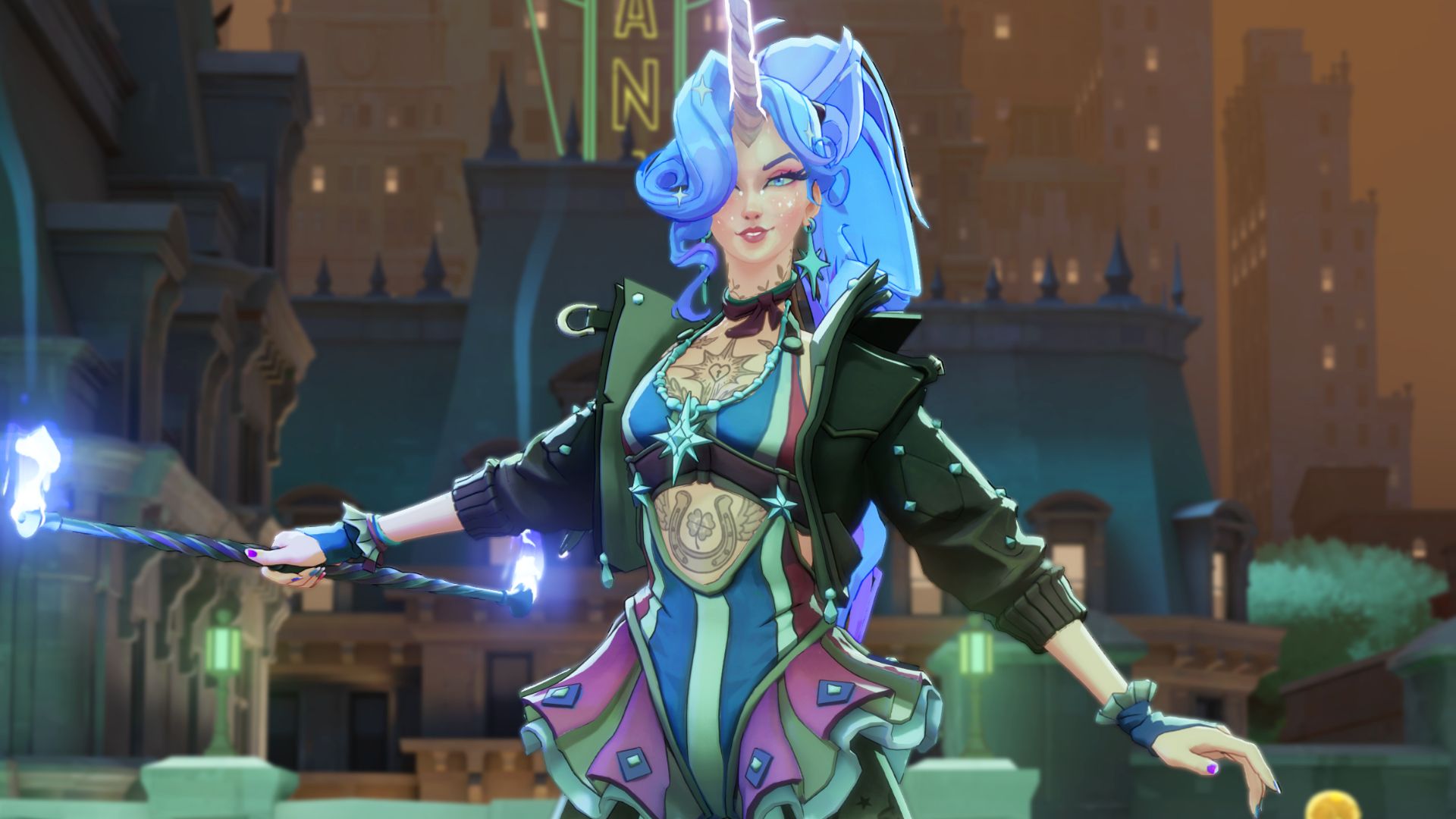
Rather than focusing on isolated sectors of the game sequentially, the Deadlock development team shifted gears this year to tackle multiple ambitious projects in parallel. This concurrent development strategy is what fueled the recent rollout of the "City Never Sleeps" update, which introduced a heavily redesigned map layout and completely overhauled itemization systems. Yet, many of the features accompanying this parallel workflow are still actively evolving. Valve noted that essential pillars of the game, including player progression systems and comprehensive hero and hideout customizations, are still undergoing iterative design. The studio views these features as fluid elements that must remain open to significant structural adjustments driven directly by player telemetry and feedback long before the game reaches a fully realized commercial state.
Beyond these core systemic adjustments, the development team is also actively experimenting with more speculative concepts. Valve disclosed that it has been working on large-scale item redesigns and entirely alternative game modes designed to substantially expand the scope and variety of the gameplay experience. These experimental features are currently undergoing rigorous playtesting, though their ultimate inclusion in the final game remains contingent on how well they perform in practice. Early internal results, however, have been described by the studio as promising. Among these speculative additions are rumors pointing toward a potential PvE (Player versus Environment) mode, a project reportedly involving the talents of former Risk of Rain developers, which has further fueled excitement and speculation among the community.
The parallel development approach has also caused shifts in the timeline for aesthetic touch-ups. Originally, comprehensive visual updates for the game’s older heroes were scheduled to take place toward the tail end of early development. Valve has now confirmed that these visual upgrades will likely be worked on gradually in the near future, integrated smoothly into upcoming updates alongside ongoing structural and systemic work.
This pivot raises questions regarding the overarching timeline of the project, as it suggests that the game’s foundational early development phase is still very much ongoing. Valve’s latest update carefully avoids offering any definitive milestones or clear indicators for when the studio expects the title to feel sufficiently complete to enter a dedicated polish phase. At present, the primary indicator that the game is moving closer to its ultimate vision will likely be when individual heroes begin receiving sustained visual and functional overhauls en masse. Even then, it remains entirely unclear whether Valve intends to throw open the doors to the general public before every facet of the experience has been thoroughly refined to the studio’s exacting standards.
For now, prospective players eager to explore the atmospheric, occult-infused urban landscape of Deadlock and its eccentric roster of supernatural heroes will have to continue relying on the game’s existing invite system. With Valve showing no signs of rushing the title out of its controlled environment, securing a coveted spot in the playtests remains the only gateway into the mysterious world of Deadlock for the foreseeable future.