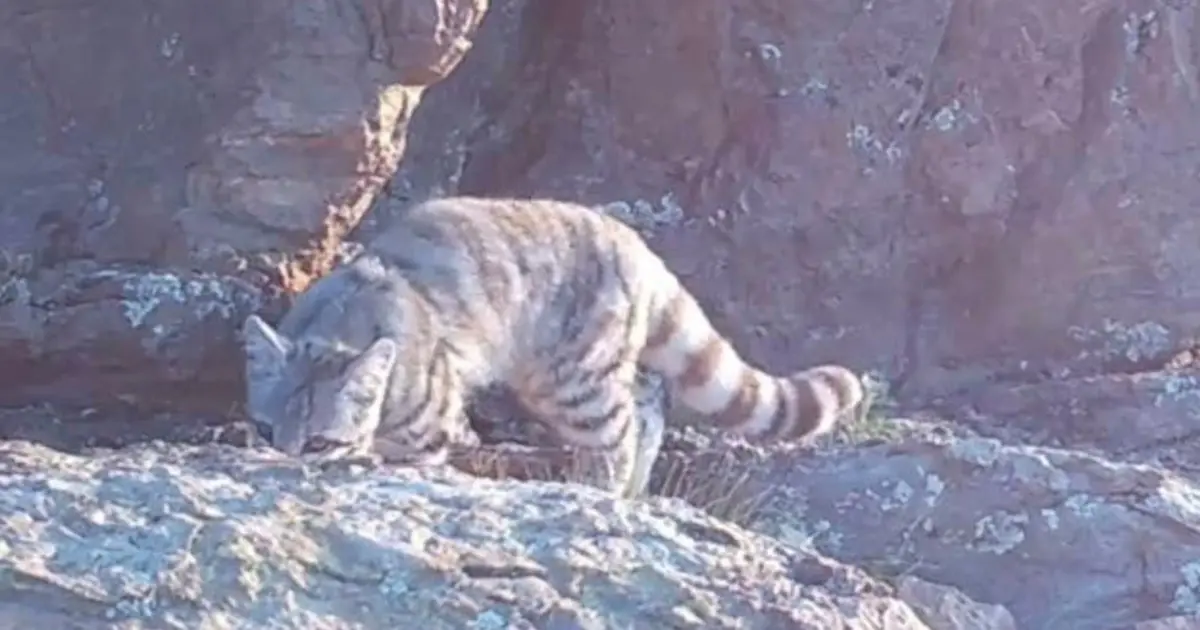
Wildlife conservationists in Argentina are celebrating a major milestone after remote camera traps captured rare footage of the Andean cat, one of the most elusive and threatened felids in the Western Hemisphere. Often referred to by researchers and conservationists as the “ghost of the Andes,” the small wild cat was recently recorded moving through the rugged, rocky terrain of the Andean mountain range.
The significant sighting was achieved through a collaborative effort by Greater Good Charities and the Wildlife Conservation Society (WCS) Argentina. The camera traps that recorded the footage were specifically positioned just a few miles east of Argentina’s famed La Payunia Reserve. According to the conservation organizations, this latest documentation provides tangible, exciting evidence that years of dedicated landscape recovery and habitat restoration initiatives are beginning to yield positive results on the ground, successfully providing the critical environments necessary for vulnerable wildlife to inhabit and potentially reproduce.
For conservationists who have spent decades tracking the species, capturing the Andean cat on camera is both a scientific triumph and a morale boost. Liz Baker, CEO of Greater Good Charities, expressed her enthusiasm in a public statement regarding the discovery.
“It has been an extraordinary moment for everyone involved in this project to see an Andean cat and learn our conservation work is already having an impact,” Baker says in a statement. “By protecting and restoring habitats, we’re creating the conditions wildlife needs to thrive. This sighting is an incredibly hopeful sign for one of the world’s rarest wild cats — as well as for the future of La Payunia and all the remarkable wildlife that call it home.”
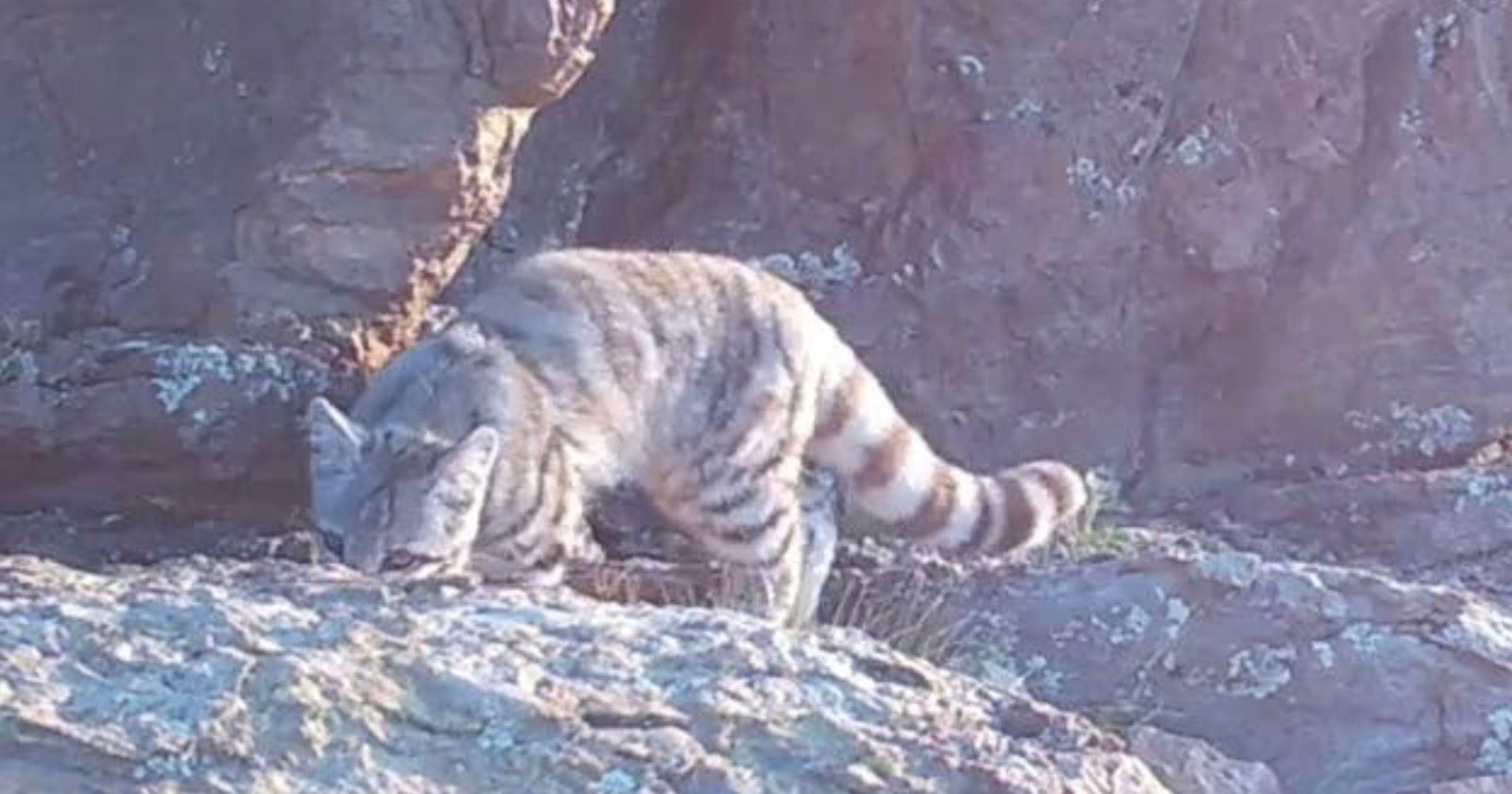
The Andean cat is a small yet remarkably sturdy predator that has evolved specialized adaptations to survive in the harsh, high-altitude, and rocky environments of South America. For many years, the species remained a profound mystery to the scientific community due to the exceptionally low frequency of direct human sightings. Traditional survey methods proved largely ineffective against an animal that naturally blends into its surroundings and prefers solitary, remote territory. However, the advent and widespread deployment of remote camera traps have revolutionized how researchers study the species, allowing WCS Argentina to document the feline in rugged, inaccessible areas where direct human observation is virtually impossible.
WCS Argentina has maintained a dedicated research presence in northern Patagonia since 2005, studying the distribution, habits, and population dynamics of the Andean cat. Over two decades of ongoing fieldwork, researchers have uncovered complex challenges facing the survival of the species. Among the most alarming findings was the discovery that half of all the historical records collected by the organization involved Andean cats that had been killed by local ranchers. In many cases, livestock owners targeted the felines out of a preemptive fear that the wild cats would prey upon domestic animals, highlighting a persistent conflict between local agriculture and endangered wildlife preservation.
Beyond retaliatory hunting by ranchers, the Andean cat faces a daunting array of anthropogenic and environmental threats throughout its native range. The species is increasingly imperiled by vehicle collisions as infrastructure expands into rural regions. Furthermore, the felines suffer from a diminishing food supply, heavily driven by population declines in their primary prey species, the mountain vizcacha. Industrial pressures also loom large, with habitat degradation caused by hydrocarbon exploration and mineral extraction steadily fragmenting the natural corridors the cats rely upon for migration and territory establishment. Compounding these localized pressures is the overarching threat of global climate change, which continues to alter fragile high-altitude ecosystems across South America.
Because of these compounding pressures, the Andean cat holds the unenviable distinction of being the only feline listed as Endangered in the Americas by the International Union for Conservation of Nature (IUCN). With population estimates suggesting that fewer than 2,200 mature individuals remain scattered across the vast expanses of the Americas, every new data point, conservation partnership, and confirmed sighting carries immense weight for the long-term survival of the species.
The recent camera trap footage from the edge of the La Payunia Reserve serves as a crucial reminder of what targeted conservation interventions can achieve even under difficult ecological circumstances. As organizations like Greater Good Charities and WCS Argentina continue their monitoring and habitat restoration work in the region, researchers hope that protecting these fragile landscapes will secure a safer future for the elusive ghost of the Andes and the diverse biological community that shares its mountain home.