The competitive and esports gaming mouse market has experienced an exceptionally dynamic year. Following high-profile hardware releases from major competitors—including the Logitech G Pro X2 Superstrike, its subsequent improved X3 iteration, and the Razer Viper V4 Pro—SteelSeries has officially stepped back into the elite arena. With the launch of the Rival Pro, the prominent manufacturer marks a true return to form, delivering a device engineered explicitly for top-tier competitive play, albeit with a design choice that boldly breaks from traditional conventions.
Examining what constitutes an elite competitive gaming mouse reveals a consensus that shape remains paramount. A comfortable, ergonomic form factor is vital, alongside a lightweight footprint that typically hovers around 60 grams or significantly lower. Beyond physical design, players require flawless wireless connectivity, a highly accurate and reliable sensor, and robust build quality that can withstand intense, high-APM gaming sessions. When manufacturers successfully implement these fundamentals, a mouse enters top-tier territory, though additional features such as high polling rates, adjustable lift-off distance, and customizable sensor frame rates help differentiate products in a crowded marketplace.
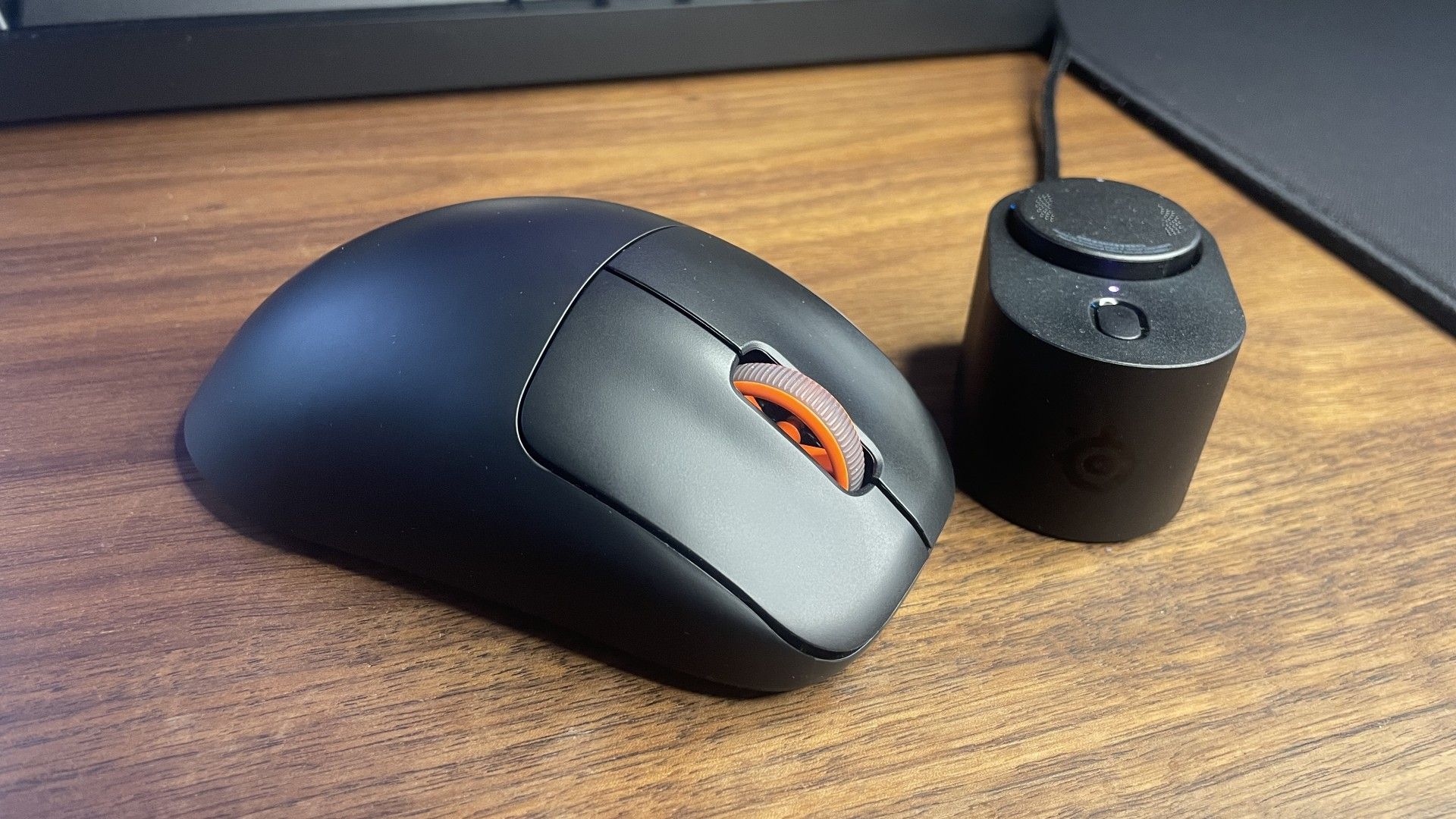
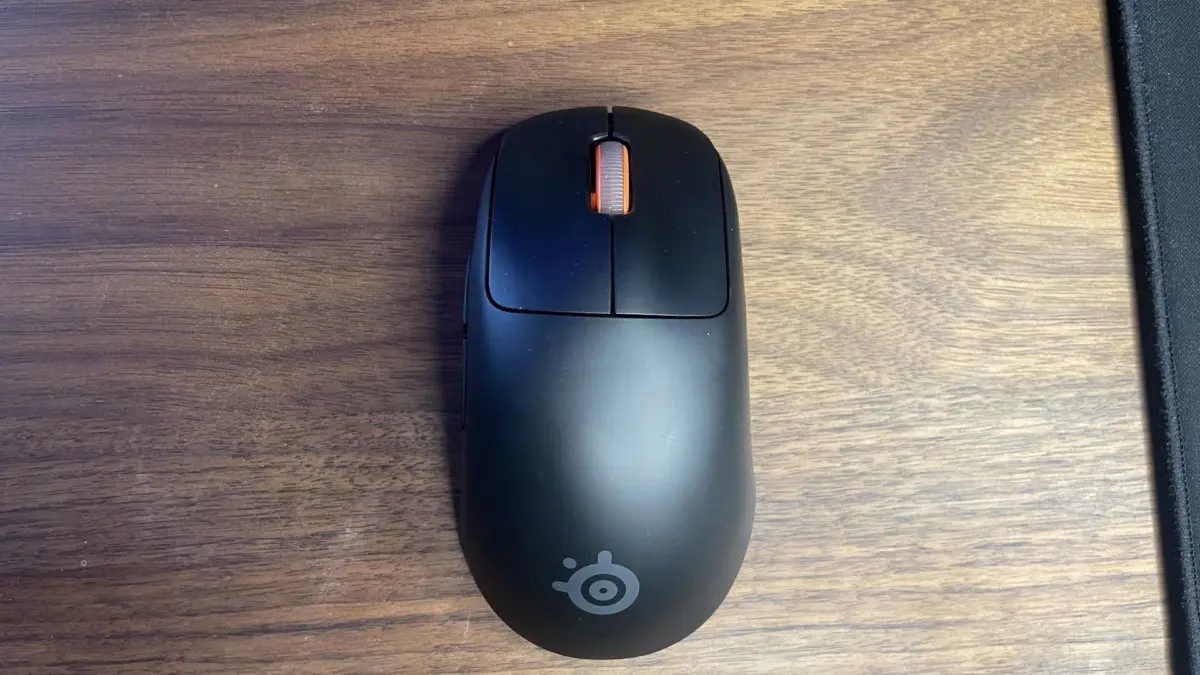
Weighing in at 53 grams for the standard model and 58 grams for the white variant, the SteelSeries Rival Pro arrives with a specialized focus. Given its ergonomic contours, the peripheral is tailored specifically for gamers who utilize a palm grip. For this segment of the community, the mouse delivers a compelling package that combines comfort, structural integrity, and hot-swappable batteries. However, its most striking design departure is the complete absence of any physical USB port, meaning users must rely entirely on its wireless ecosystem for operation and connectivity.
Specifications and Design Philosophy
The Rival Pro is equipped with the TrueMove 42K Pro sensor, offering a maximum sensitivity of 42,000 DPI, a maximum speed of 800 IPS, and acceleration up to 70 G. It utilizes custom SteelSeries optical switches designed in close collaboration with the manufacturer to deliver the tactile feel and acoustic feedback of traditional mechanical switches, avoiding the hollow or overly loud profile typical of many optical alternatives. The mouse features five buttons, rests on smooth PTFE feet, and carries an MSRP of $179.99, £169.99, or €199.99.
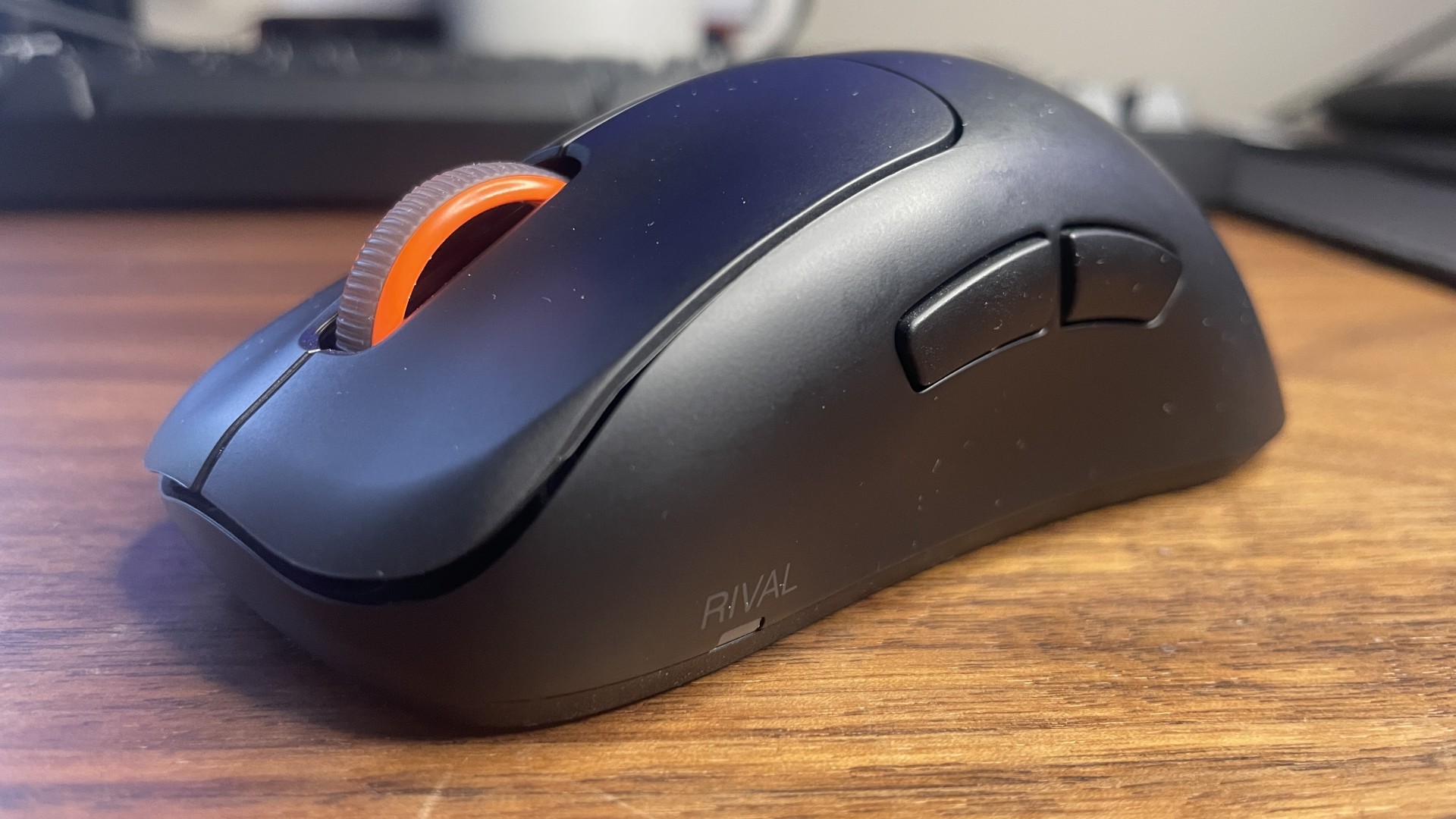
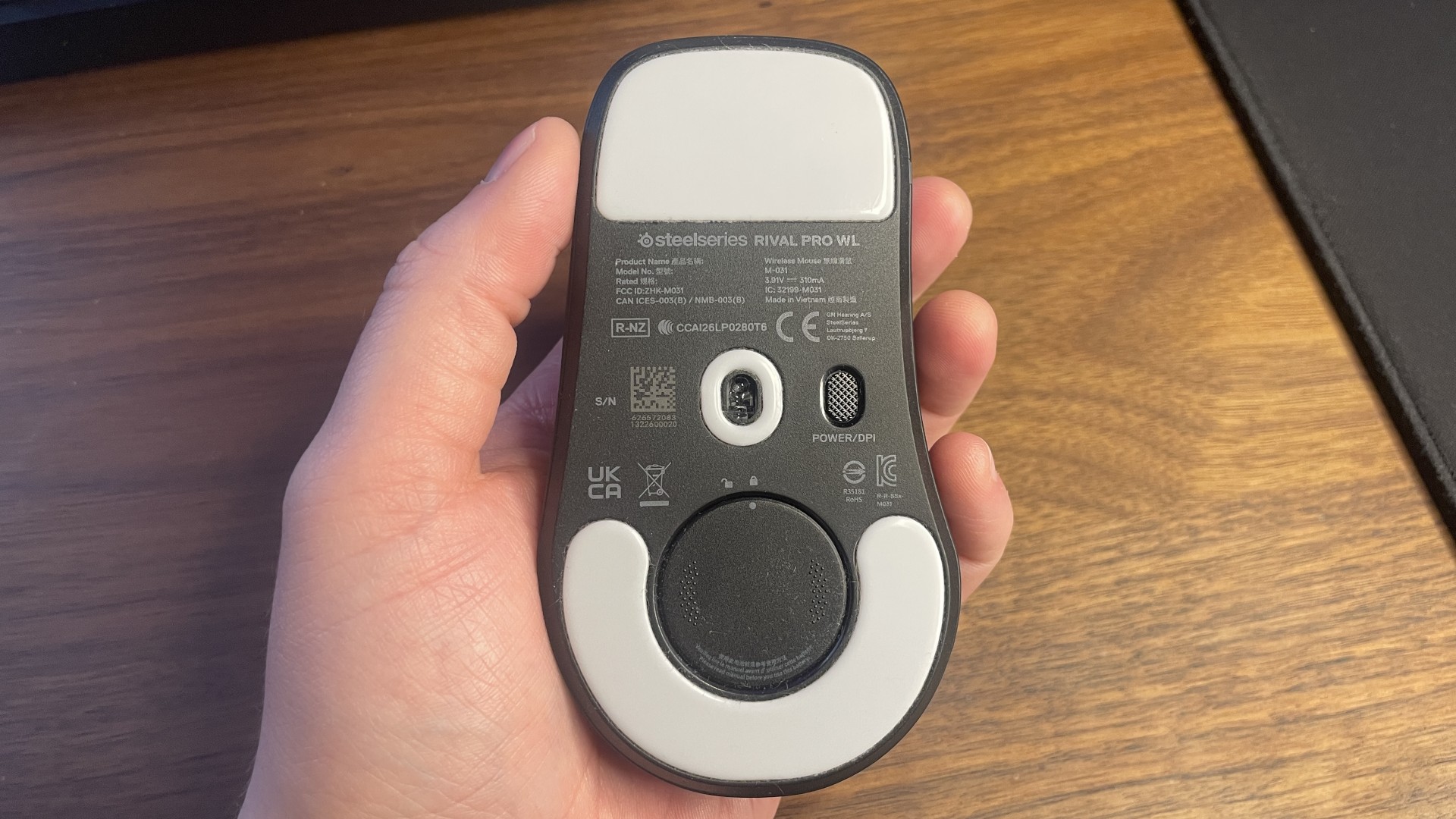
While contemporaries incorporate diverse technological approaches—such as the inductive technology and rapid trigger mechanisms found in competing flagships—the Rival Pro carves out its distinct identity through power management and wireless architecture. Rather than relying on a fixed internal battery that eventually degrades, SteelSeries has implemented what it terms the "Infinite Power System," featuring hot-swappable batteries. The retail package includes two hot-swappable batteries alongside a combined wireless receiver and dedicated charging hub, complemented by a USB-C to USB-A cable used strictly to power the base station.
Once users become accustomed to the swap process, flipping the mouse over to replace a depleted power cell with the fully charged backup housed in the receiver base is remarkably straightforward. Because there is no auxiliary battery stored within the chassis, the connection momentarily drops during a swap, but the hardware reinitializes and reconnects instantly upon touching the mousepad. Furthermore, users worried about long-term power degradation can purchase replacement batteries directly from the manufacturer.
Ultra-Wideband Connectivity and Polling Technology
The decision to completely remove the USB-C port from the mouse body is a bold gamble by SteelSeries. Eliminating the internal wiring and connector ports undoubtedly assists in keeping the overall weight down to an ultra-light 53 grams, despite the inclusion of the battery-swapping mechanism. To offset the absence of a wired backup connection, SteelSeries bypassed standard 2.4 GHz RF connections in favor of Ultra-Wideband (UWB) technology.
Ultra-Wideband architecture provides significantly broader bandwidth and reduced channel interference from surrounding wireless devices compared to conventional frequencies. In practice, the connection remains exceptionally stable after initial pairing. Nevertheless, the total absence of a wired mode means firmware updates and direct tethered connections are impossible, leaving some industry observers cautious about how the hardware will perform over years of long-term use.
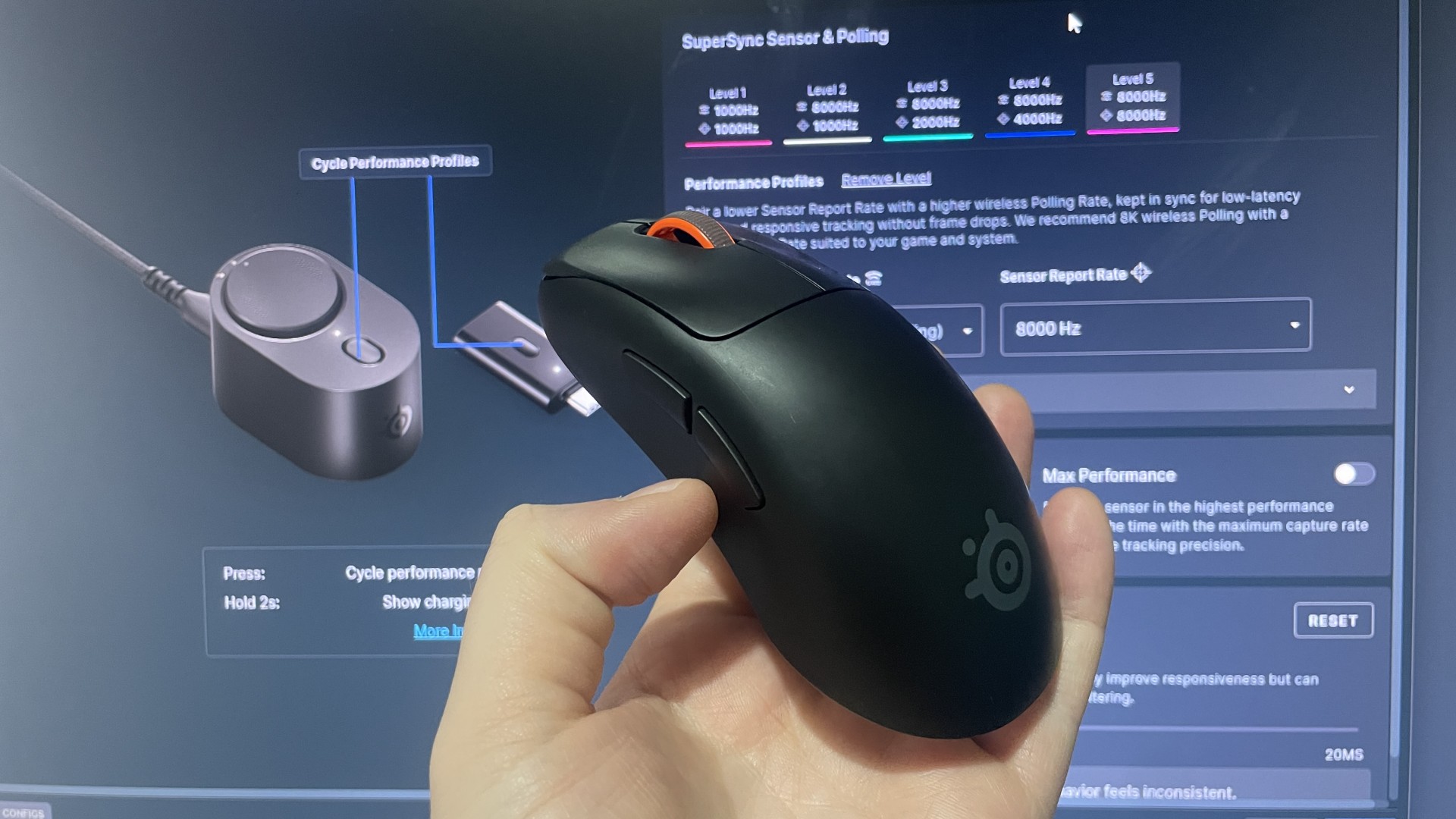
Accompanying the UWB connection is a refined approach to high polling rates. While standard 8K polling modes on alternative mice often bundle sensor data into batches—which can cause stuttering or performance dips if interference forces packet retransmission—the Rival Pro transmits discrete packets in a one-to-one ratio. Additionally, SteelSeries has decoupled the sensor polling rate from the UWB connection polling rate. This allows users to configure ultra-responsive click transmission at high polling frequencies while keeping the sensor polling at a more conservative 1 kHz or 2 kHz, thereby mitigating the severe CPU overhead and battery drain typically associated with continuous, system-wide 8K sensor tracking.
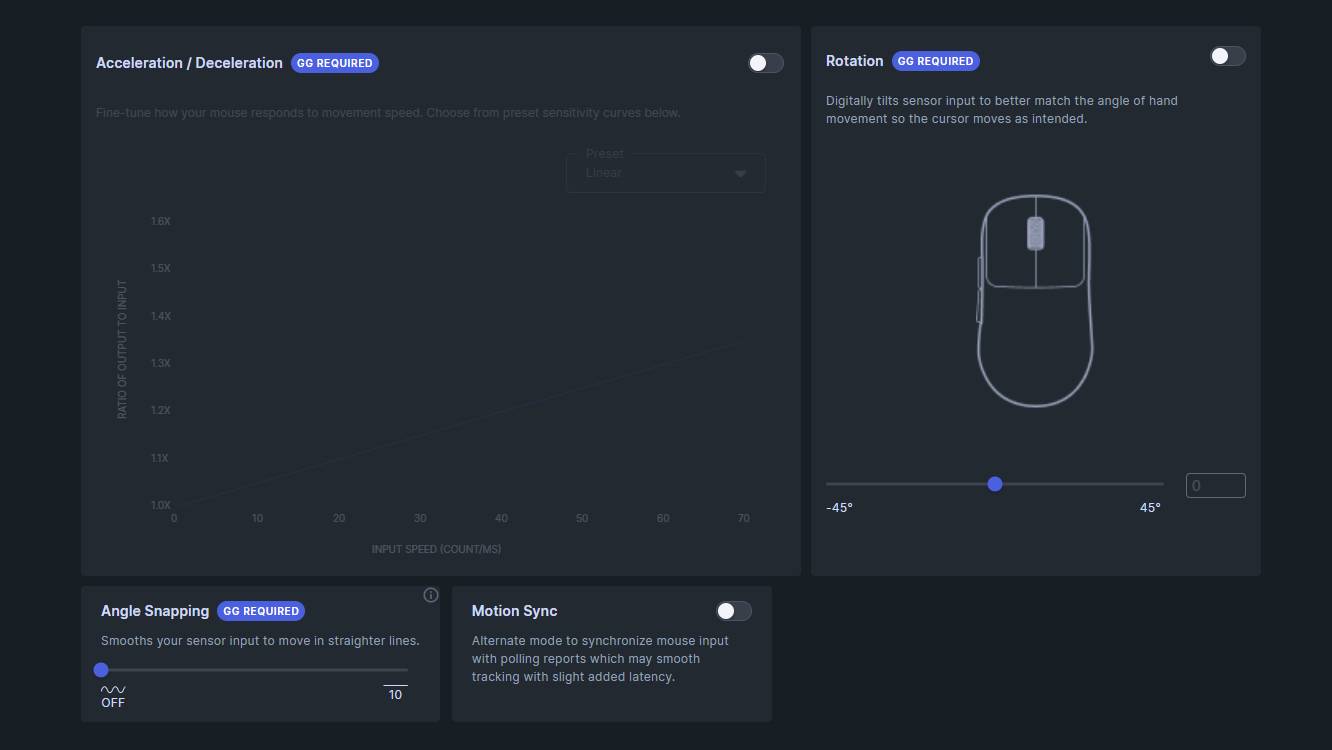
Software configuration is handled via the local SteelSeries GG application, alongside the newly introduced SteelSeries GG web app, which allows users to adjust parameters such as sensor rotation, angle snapping, lift-off distance, and performance modes without requiring a local software installation. Dedicated LED indicators on the charging hub and the side of the mouse provide immediate visual feedback regarding battery levels, active performance modes, and DPI settings.
Ergonomics, Build Quality, and Verdict
When evaluated on tactile performance, the Rival Pro excels in ergonomics for palm-grip users. Sharing a conceptual lineage with ergonomic benchmarks like the Zowie EC2-DW, the SteelSeries offering features a slightly flatter left-side slope that allows the hand to rest more evenly across its matte-textured chassis. The build quality is exceptional, exhibiting zero creaks under pressure and maintaining crisp, responsive clicks across all primary and secondary buttons without pre- or post-travel. While the scroll wheel steps lack the sharply defined tactility found on some competing flagships, it remains entirely functional and pleasant for everyday navigation and gaming inputs.
Priced at $180, the Rival Pro is undeniably a luxury investment for competitive enthusiasts. However, for palm-grip players focused on tactical shooters like Counter-Strike, the combination of an ultra-lightweight ergonomic chassis, a seamless hot-swappable power system, and robust UWB performance makes it a standout contender. Provided its unique wireless architecture proves reliable over extended periods, SteelSeries has successfully re-established its competitive edge at the highest tier of the hardware market.