The Golden Age of comic books, spanning roughly from 1938 to 1956, is universally recognized as a foundational era for the medium. During this dynamic period, many of the world’s most famous and enduring characters were created, establishing tropes and mythologies that persist to this day. Generations of historians, journalists, and avid collectors have meticulously documented the art, the narratives, and the broader cultural impact of these early publications. Yet, despite the exhaustive documentation of the era, a vital group of creators has remained largely unheralded and lost to mainstream history: the notable Black artists who contributed significantly to the medium.
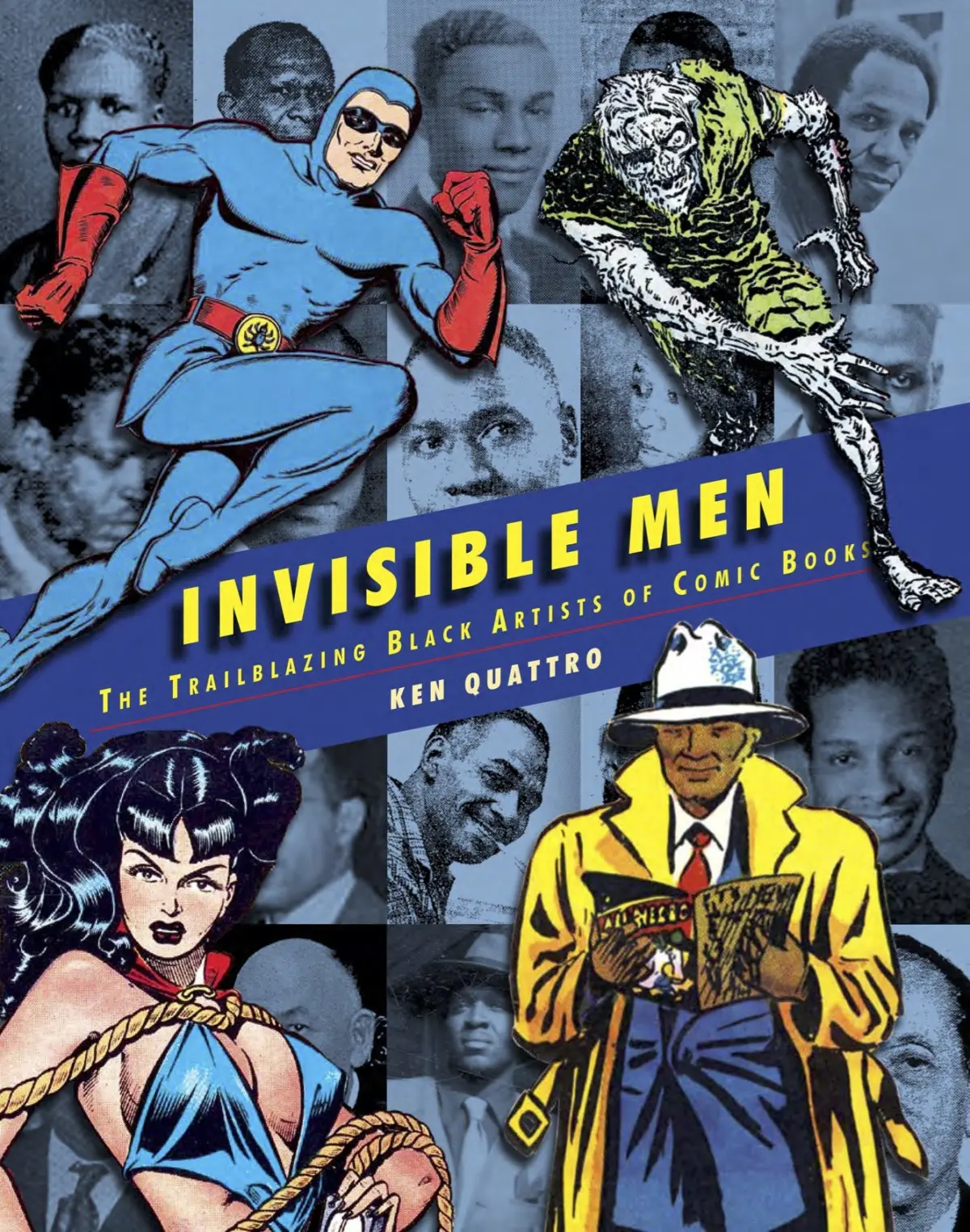
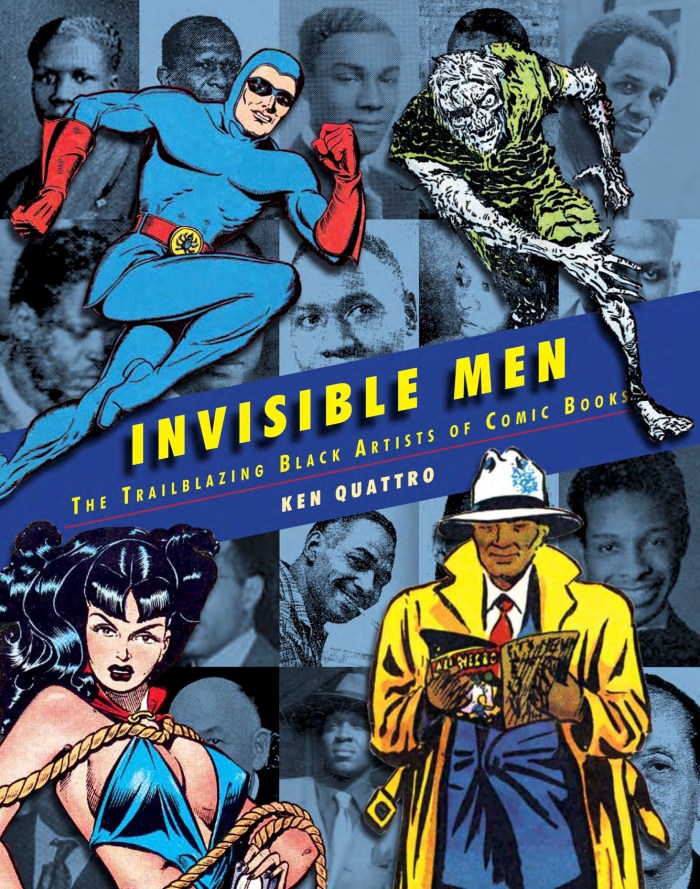
To rectify this historic oversight, author and trained journalist Ken Quattro has spent more than a decade and a half unearthing the forgotten narratives of these creators, culminating in his debut book, Invisible Men: The Trailblazing Black Artists of Comic Books, published by Yoe Books, an imprint of IDW. Borrowing thematic elements and pluralizing the title from Ralph Ellison’s iconic 1952 literary masterpiece about race, class, and identity, Quattro successfully brings to light the extraordinary stories of 18 pioneering Black comic book artists from the Golden Age, ensuring their vital contributions are finally acknowledged and celebrated.
The journey toward this groundbreaking publication began organically more than fifteen years ago, sparked by a brief yet illuminating conversation with renowned Black comic artist Matt Baker. That single exchange set Quattro on a meticulous journalistic path of discovery, diving deep into dusty archives, tracking down descendants, and piecing together the fragmented professional lives of individuals who worked tirelessly during a century that frequently chose to render them invisible.

To understand the working conditions of these trailblazing artists, Quattro explains the unique and insular ecosystem of the era’s publishing industry. During the height of the Golden Age, comic books were flying off the newsstands at an unprecedented rate. To meet this voracious public demand, publishers relied heavily on intermediaries known as "comic shops." Functioning much like industrial assembly lines or factories, these entities operated as content mills, hiring numerous artists to turn out massive volumes of illustrated material under exceptionally tight deadlines.
"Comics were selling like crazy, and the publishers would hire these guys to give them content," Quattro explains, describing the high-pressure environment. "And these comic shops would hire artists and put them in rooms with drawing tables and make a 64-page comic book in two days."
However, this factory-style production model intersected starkly with the rigid racial segregation and discrimination of mid-century America. While white illustrators frequently worked together on-site within the bustling comic shops, Black artists faced systemic barriers that excluded them from these communal workspaces. Consequently, they were rarely granted direct assignments when approaching mainstream publishers independently.
Instead, a segregated workaround emerged. By securing work through the intermediary comic shops, Black artists were permitted to take their assignments home. They operated out of the public eye, completing their intricate illustrations in private spaces before submitting them to the publishers. This clandestine method of employment shielded the publishers from direct social controversy while simultaneously stripping the Black creators of visibility, proper credit, and a place in the communal history of the art form.
Compounding this structural invisibility is another reality that Quattro notes often surprises modern audiences: many of these creators were not merely self-taught talents, but classically trained fine artists. This created a profound sociological irony during a period marked by intense racial prejudice.
"It’s an ironic situation where you had these guys who were very accomplished artists in one part of society, but they were considered almost inconsequential in another part," Quattro observes.
This high level of formal training is exemplified by figures such as Elton Fox. Born in Baltimore in 1909, Fox earned his fine arts degree from Syracuse University in 1931, possessing a level of academic pedigree that rivaled any of his white contemporaries in the industry. Similarly, E.C. Stoner, the talented illustrator behind the iconic "Nazi-punching" Blue Beetle, received his classical training at the prestigious Académie Julian in Paris, France. Another shining example highlighted in Quattro’s research is Alvin Hollingsworth, whose sophisticated mastery of both comic book illustration and fine art painting has made his works highly coveted in both comic book circles and the broader collectible art market today.
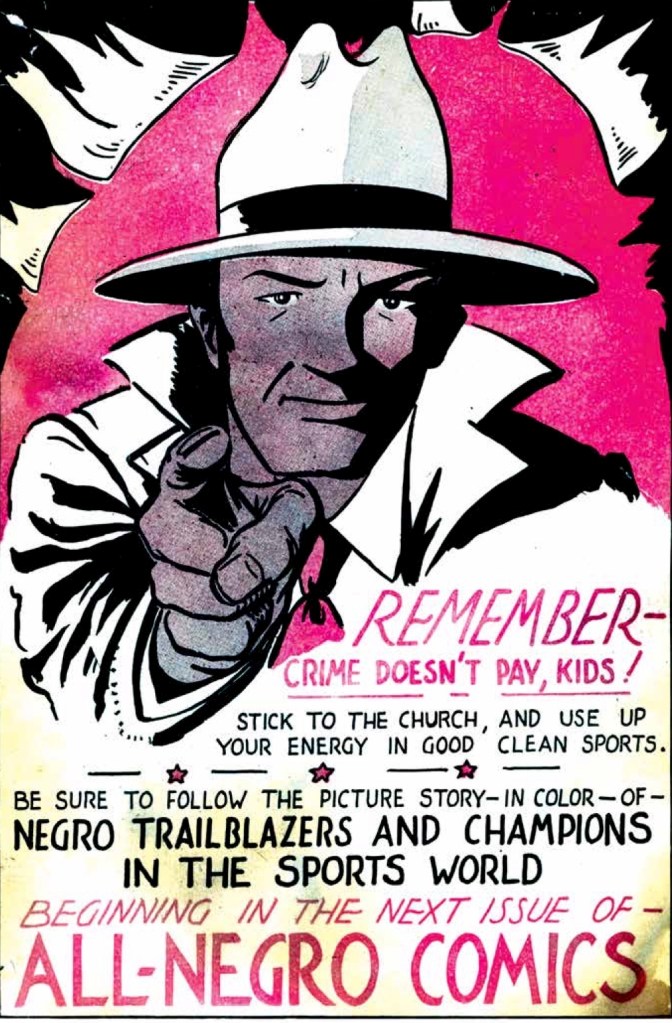
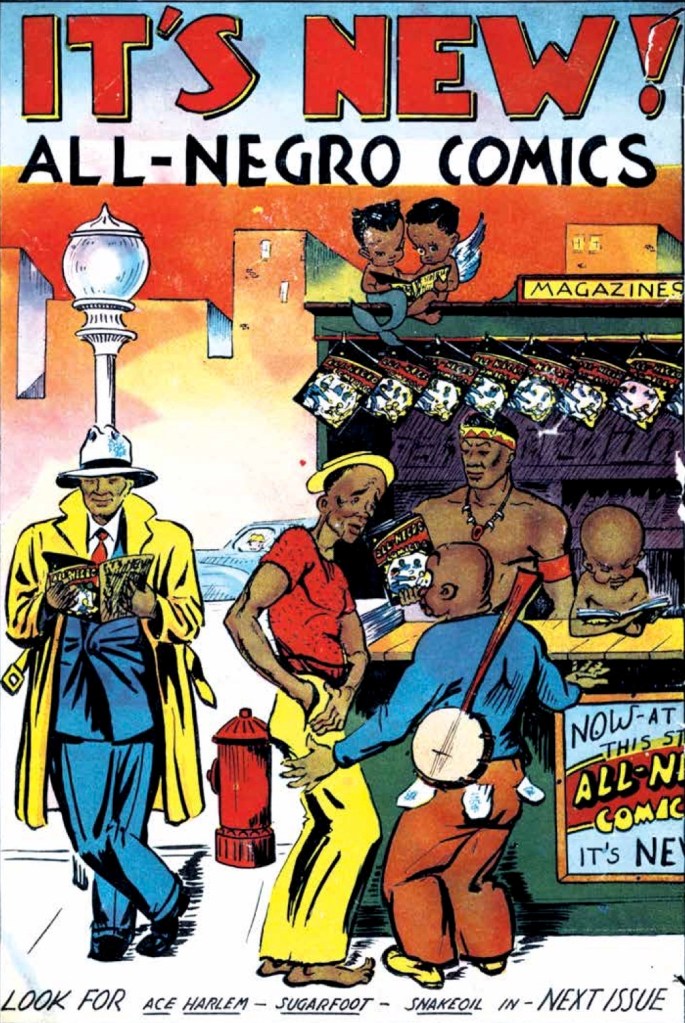
While the vast majority of comic book publishing houses during the Golden Age were exclusively owned and operated by white individuals, there were rare, daring exceptions. One of the most notable ventures was All-Negro Comics, established in 1947 by journalist, artist, and visionary Orrin Cromwell Evans. Designed to provide a platform for Black creators and authentic representation for Black readers, the publication represented a monumental step forward for the industry.
Regrettably, the enterprise faced severe systemic roadblocks that cut its run tragically short. As Quattro documents, the systemic opposition extended far beyond editorial boards. When Evans attempted to secure materials to publish the eagerly anticipated second issue, he hit an impenetrable wall of economic discrimination. White paper suppliers simply refused to sell him paper, effectively sabotaging the publication’s future. Today, an original copy of the first and only published issue of All-Negro Comics is considered an extraordinary collector’s holy grail, commanding tens of thousands of dollars regardless of its physical condition.
Quattro’s extensive research also challenges long-held historical assumptions regarding diversity within superhero narratives. It is a widely accepted misconception that the first Black comic book superhero did not emerge until the introduction of Marvel’s Black Panther in 1969. However, Quattro’s findings push that timeline back decades by reexamining the 1945 creation of "Voodah" for Crown Comics by artist Matt Baker.
Described by Quattro as a "Black Tarzan," Voodah broke ground as an early Black protagonist in comic book fiction. Yet, the character’s publication journey starkly illustrates the restrictive racial climate of the era. While Voodah was depicted as Black within the interior pages of the comic book, publishers altered his appearance on the covers, coloring him white for distribution. The rationale behind this editorial alteration was rooted in commercial censorship, as publishers feared that southern distributors would refuse to stock or display any comic book on newsstands that portrayed a Black character in a heroic or positive light.
While the Invisible Men chronicled in Quattro’s book may never become household names in the way that creators like Jack Kirby or Bob Kane did, they rightfully occupy a vital space in the pantheon of Golden Age legends. Their collective biographies reflect resilience, exceptional artistry, and profound historical significance.
Among them is Ezra Clyde Jackson, an accomplished creator whose daughter would go on to serve as a U.S. Congressperson. There is also Owen Middleton, a man who, upon being released from a life sentence in prison, managed to successfully rebuild his life and forge a respected career within the comic book industry. The historical record is further enriched by Orrin C. Evans, the visionary behind the nation’s first Black-owned comic book enterprise, and E.C. Stoner, whose artistic brilliance defined a cornerstone of the Harlem Renaissance while shaping the visual legacy of the Blue Beetle.
Invisible Men: The Trailblazing Black Artists of Comic Books is currently available through major retailers, including Amazon. However, aligning with the spirit of preserving the history of the medium, Quattro encourages enthusiasts to purchase the volume at their local independent comic book shops, suggesting that readers also explore works by Black artists while browsing.
Further details regarding Ken Quattro’s ongoing archival investigations and his broader "Comics Detective" work can be found on his official website, comicsdetective.com.