The spring/summer 2027 edition of Milan Fashion Week emerged as a defining moment for Italian luxury, characterized by a powerful wave of design consolidation as creative directors firmly settled into their roles across the city’s most storied houses. Eschewing over-the-top theatricality in favor of sharpened vision, this season found Italian fashion rediscovering a newfound joy in being far less serious, even as major houses restructured their foundational aesthetics. Prada made a bold statement by dedicating its entire showcase to the single concept of a skirt rendered in 63 distinct ways, while Maria Grazia Chiuri continued her second ready-to-wear outing for Fendi by deliberately loosening the brand’s historic house codes. Meanwhile, Demna captured the industry’s attention by transporting show attendees directly into a makeshift Gucci retail shop. From subtle minimalist evolutions to high-concept disruptions, here is a closer look at the 10 standout shows that captured the attention of editors, buyers, and industry insiders in Milan.
1. Prada
At the Italian fashion house’s spring/summer 2027 menswear showcase earlier in June, co-creative directors Miuccia Prada and Raf Simons initiated a compelling dialogue concerning the power of paring things back and distilling complex ideas down to their absolute purest form. That presentation heavily scrutinized the divisive skinny-trouser silhouette, setting a conceptual stage that the womenswear collection would go on to explore with even greater fervor. For the women’s runway, Prada and Simons chose to focus intensely on the skirt, an item that elicited a decidedly warm and enthusiastic reaction from the assembled fashion editors and buyers.
Referred to in the brand’s show notes as a quintessential "Prada obsession," the skirt was systematically reimagined across a vast array of contrasting styles, shifting seamlessly from playful, heavily embellished iterations to pleated, collegiate-inspired numbers. Certain looks were paired thoughtfully with classic knitwear—serving as a subtle, affectionate nod to Mrs. Prada’s own personal uniform—while others were juxtaposed against printed crop tops, distressed leather jackets, and sunglasses featuring mismatched lenses.
Prada and Simons continue to argue that the cultural and social perception of a single piece of clothing, and by extension the person wearing it, can be entirely transformed through a few deceptively simple styling tricks. Along the way, they propose an array of distinct style personas that wearers can readily adopt come next spring, transitioning fluidly from the aesthetic of a traditional librarian to that of an underground raver. The ultimate beauty and enduring commercial success of the Prada brand continue to reside in its rare ability to seamlessly appeal to both high-concept artistic sensibilities and the bottom line of retail reality.
2. Etro
Following the departure of creative director Marco de Vincenzo the previous March, Etro presented a spring/summer 2027 collection that was conceived and executed entirely by its internal in-house studio. Historically, collections designed without a visionary creative steward at the helm run the risk of lacking fresh, bold perspectives. To circumvent this, Etro sensibly focused on brilliantly remixing its existing brand signatures: frilly, paisley-patterned dresses, airy and flowing kaftans, and an abundance of fringed accessories and gladiator sandals that collectively conjured up the bohemian, sun-drenched atmosphere of 1970s Ibiza.
Even if the collection did not aggressively push the house into an entirely unprecedented stylistic direction, it successfully highlighted its enduring, carefree spirit. More importantly, it underscored Etro’s clear potential to become the absolute go-to summer brand for an affluent clientele that jets effortlessly between Paros, Capri, and the south of France season after season. While this elite consumer crowd is currently clad head to toe in Pucci—the LVMH-owned label that has enjoyed a triumphant revival under designer Camille Miceli—they will inevitably begin searching for their next wardrobe update. With the recruitment of the right creative director, Etro is well-positioned to become the next major commercial and critical hit.
3. Jil Sander
Ever since his appointment as the creative director of the Hamburg-founded minimalist house Jil Sander in 2025, Simone Bellotti has steadily cultivated a dedicated following of clients who seek him out precisely for his rare ability to imbue strict minimalism with just the right amount of contemporary edge. This philosophy was vibrantly on display at his latest spring/summer 2027 show, which explored the subtle, seductive charm of imperfection. "Creating a collection is like going to therapy," Bellotti reflected backstage. "You take things apart to understand what you want to keep. Then you put them back together."
This season’s runway presentation effectively mirrored the natural movement of a wave—how it steadily builds up, reaches a dramatic crescendo, and inevitably crashes down once more. The show commenced with the uncompromising rigour of a modern uniform: buttoned-up black blazers and sharp grey car coats worn layered cleanly over tailored suit trousers. Then, slowly and deliberately, fluidity and movement emerged through ballooning proportions, intricate scrunch details on knitwear, and a sophisticated color palette that transitioned from muted, somber hues to bursts of vibrant yellow, soft pink, and baby blue. By the conclusion, what remained was a tangible sense of release, felt in the loosely structured jackets worn nonchalantly over unbuttoned shirts and jumpers casually strewn across shoulders—a thoroughly reimagined modern uniform.
4. Fendi
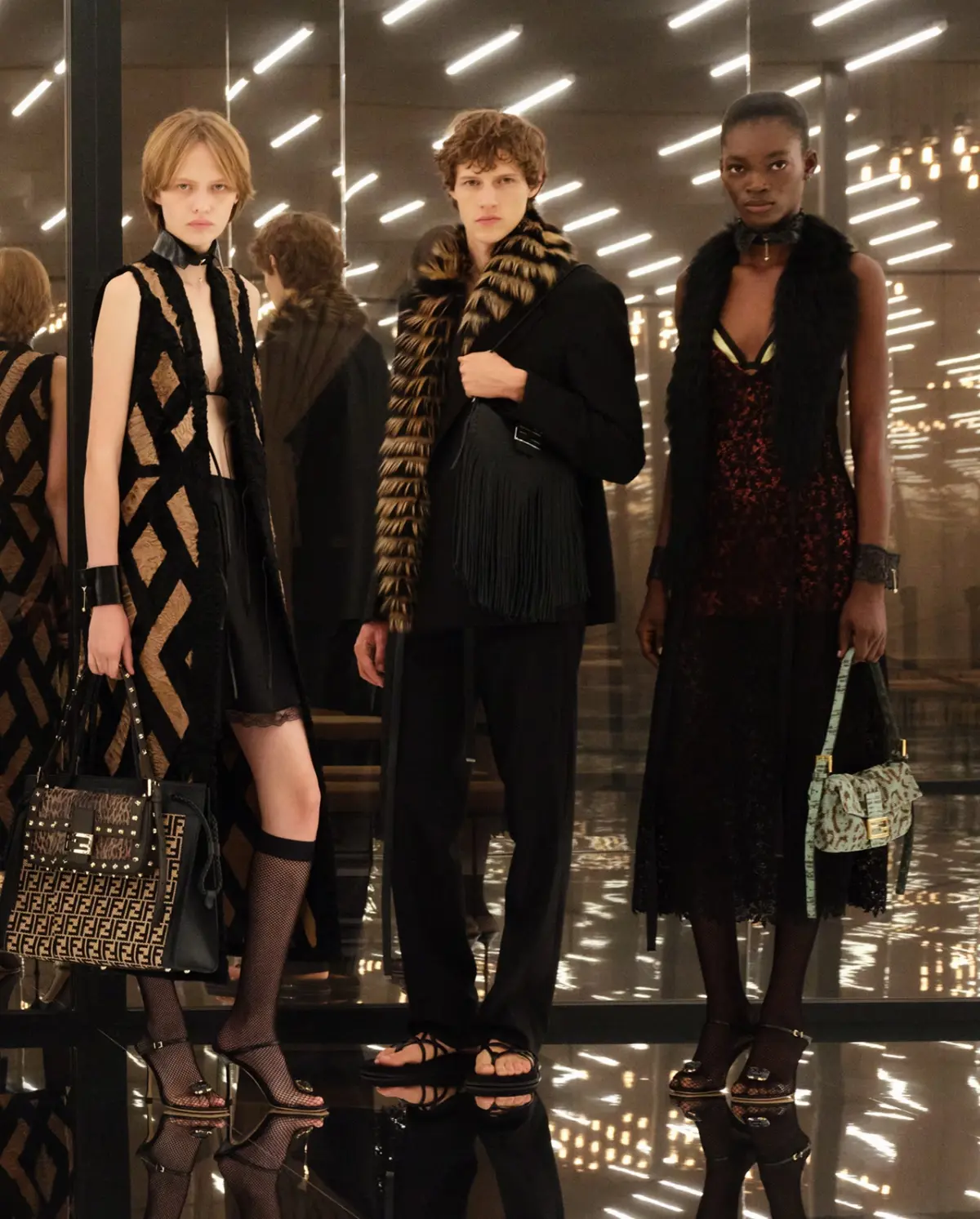
In her second ready-to-wear collection for Fendi, creative director Maria Grazia Chiuri appeared to be genuinely embracing a lighter, more joyful approach to design. A palpable sense of carefree abandon filled the air as her lineup of models strutted down the runway to classic disco hits by the legendary Raffaella Carrà, draped in feather-light slip dresses, plush fur stoles rendered in unexpected shades of turquoise, and subtle, sophisticated touches of animal print.
Chiuri repeatedly returned to a resonant line from a 1925 poem by E.E. Cummings—"I like my body when it is with your body"—which was prominently printed on the show’s invitations and transformed into a glowing visual installation that lit up the venue’s entrance. This poetic quote prompted her to deeply consider "clothes as a second skin," directly inspiring the transparent silks that mimicked delicate undergarments, intricate lace trims, and loosely tailored vests featured throughout the new range. Ever the romantic, Chiuri described her airy spring and summer garments as being "porous to emotions," while amplifying a distinct hippie spirit through fringed accessories and folkloric vests. Through this collection, she has effectively channeled a collective cultural sentiment of freedom and optimism, ensuring it will deeply resonate with the loyal customer base she so successfully cultivated during her celebrated tenure at Dior.
5. Marni
Belgian designer Merryl Rogge presented her sophomore collection for Marni within a captivating architectural space conceived by the acclaimed Italian design studio Formafantasma. For this installation, the wooden panels utilized in the previous season’s set were deliberately cut and taken apart, exposing the raw, industrial walls of the building beneath, while graphic, powder-blue stools added a sharp touch of polished contrast.
This stark yet thoughtful setting perfectly captured the newly installed creative director’s overarching design philosophy: she is actively seeking a sense of continuity, simultaneously adding to and subtracting from Marni’s eccentric, long-established design language. For spring/summer 2027, she leaned heavily into the label’s quirky historical flair, engineering unexpected combinations of rugged leather and technical nylon alongside extreme silhouettes featuring minuscule skirts and extra-large blazers that carried a subtle nod to Prada. Her diverse reference points spanned decades from the 1960s to the early 2000s, playing gleefully with an array of surface adornments ranging from glittering sequins to heavy metal hardware while embracing an expansive color palette that injected vibrant splashes of green and orange into otherwise neutral, tailored looks. A standout series of embellished sack dresses—culminating in a striking leather number worn by supermodel Mariacarla Boscono to close the show—marked the absolute high point of the presentation. While Rogge is still in the process of fully refining her distinct language for Marni, she is already successfully granting her customers a much-needed license to throw out the rulebook and simply have fun with fashion.
6. Tod’s
While conceptualizing Tod’s latest collection, Matteo Tamburini spent considerable time reflecting on the nature of personal style and the various ways in which individuals acquire it—chiefly through the visual imagery we absorb daily, the films we watch, and our innate human instinct "to recognise beauty in life’s simple pleasures."
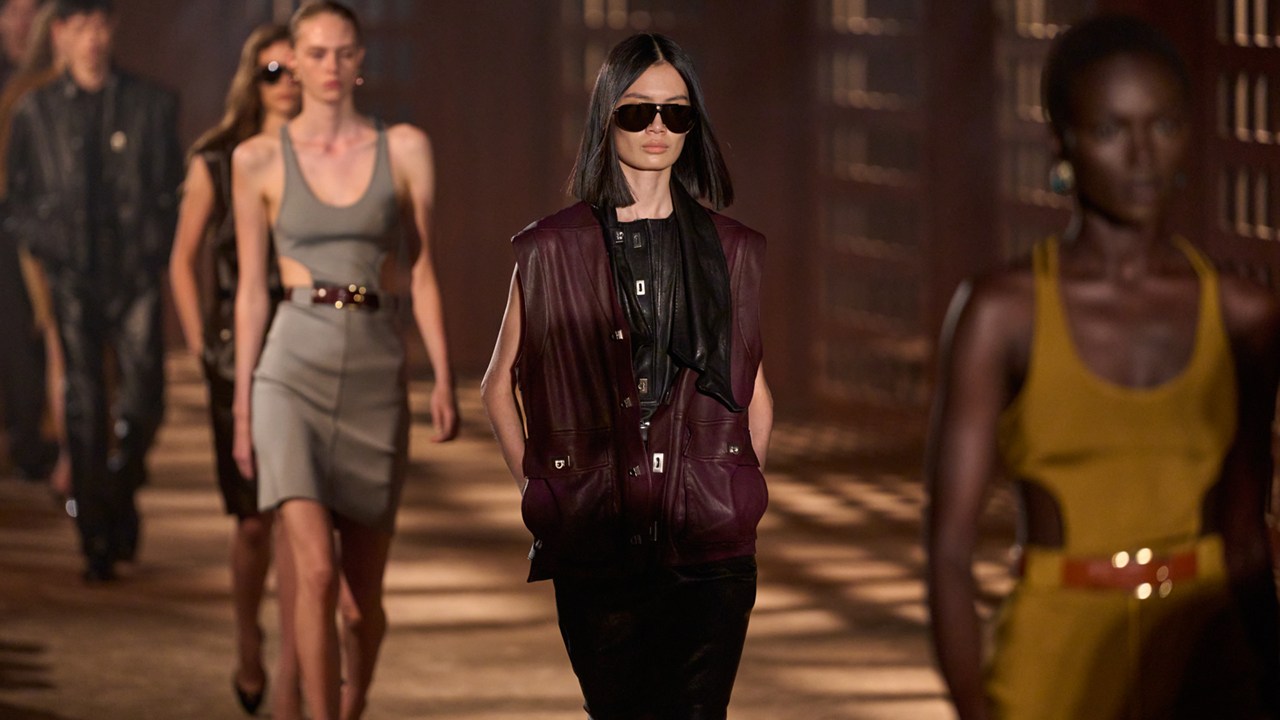
Tamburini translated this deeply rooted Italian flair for understated luxury into a series of classic opening looks, featuring tailored Bermuda shorts paired effortlessly with boyish sweaters and oversized, relaxed blazers. As the runway presentation progressed, he introduced bolder, more adventurous statements in the form of perforated leather trench coats and graphic, color-blocked skirts that expertly bridged modernism with a more relaxed, sun-soaked summer attitude.
Models, including prominent artist Conie Vallese, walked with palpable confidence down the runway wearing fresh, tasselled, and perforated iterations of the brand’s iconic Gommino loafer, which is rapidly emerging as the definitive hero shoe of the upcoming season. Supported by targeted merchandising and communications strategies capable of capitalizing on this momentum and reinforcing Tamburini’s compelling vision, the historic Italian label is well-positioned to generate a profound new level of consumer interest in its signature footwear while seizing exciting new opportunities within the ready-to-wear market.
7. Gucci
For the elaborate setting of his spring/summer 2027 show, Georgian designer Demna transformed a cavernous Milanese convention centre into a literal prototype of his creative vision: a fully realized Gucci boutique complete with plush velvet seating and display shelves stacked high with coveted leather goods. The extensive collection was unveiled in two distinct parts. First, a series of sleek, monochromatic suits gave way to a much preppier array featuring bold rugby stripes, crisp white chinos, and upturned collars worn by models who could easily have been mistaken for ambitious business students at Milan’s prestigious Bocconi University. This was quickly followed by an edgier aesthetic comprising triple-stacked black leather belts worn over low-slung jeans paired with rugged bomber jackets—a sharp nod to Demna’s formative design days at Balenciaga.
Gucci’s womenswear offerings continued this overarching theme of prep alla Milanese, showcasing classic jumpers tied neatly around shoulders, additional upturned shirt collars, and classic riding boots. The collection drew heavily upon the cultural archetype of the Milanese sciura, complete with oversized sunglasses and monogrammed bags clutched securely close to a sharp trench coat or a crisp white shirt dress. A subtle, underlying trajectory toward goth aesthetics and youth culture also became apparent through exaggerated pagoda shoulders and heavy kohl-rimmed eyes, while the grand finale consisted of figure-hugging dresses—reminiscent of the Tom Ford era—and glamorous eveningwear that rounded out the comprehensive collection. Ultimately, Demna’s retail-themed setting serves a dual purpose, with the designer hoping that the subliminal messaging of the store environment will successfully assist the Kering-owned brand in recovering its retail momentum following a multi-year sales slump.
8. Ferragamo
Anointed in rich coffee-coloured suits, striking burnt-orange balloon trousers, and an arresting olive-green crocodile-leather dress, Maximilian Davis’s latest collection for historic Italian luxury house Ferragamo brimmed with earthy hues and a quiet, assured sensuality. The British designer homed in on architectural silhouettes characterized by sharply cinched waists, sleek pencil skirts, and utilitarian military pockets, drawing profound inspiration from the 1940s era when women were entering the formal workforce in droves.
"It was a period when clothing—and its internal structure—created a certain posture, when the placement of a pocket would dictate how you would stand and behave," Davis explained. "I wanted to take elements of that historic silhouette and thoroughly modernise it for today." To skillfully offset this sense of mid-century propriety, Davis incorporated an abundance of rubber and sheer fabrics throughout the lineup. Transparent trench coats and dresses, alongside diaphanous blouses and flowing trousers, lent a mature, sophisticated feel to the collection—marking a clear evolution in how Davis is steadily maturing his overarching design vision for the Florentine luxury house.
9. Moschino
Moschino’s newly appointed co-creative directors, Simone Rizzo and Loris Messina, have built their careers on a willingness to swim firmly against the current. As the co-founders of the avant-garde Milanese brand Sunnei, the design duo frequently staged high-concept presentations, ranging from crowd-surfing stunts at their runway shows to hosting a satirical mock art auction in formal collaboration with Christie’s. For their highly anticipated debut at Moschino, Rizzo and Messina bypassed traditional runway spaces entirely, taking over the sweeping concrete rooftop of a massive parking garage located on the industrial outskirts of Milan, where hundreds of guests streamed in to recreate the bustling energy of a busy city street.
Models soon emerged from the opposite direction, presenting a collection characterized by a vibrant, eye-catching color palette of citrine yellows featured across trench coats, billowing dresses, and statement handbags. The lineup was also packed with the sort of intentionally off-putting, surreal details that defined the house’s late founder, Franco Moschino, including a playful cat-shaped clutch and skirts featuring exaggerated, voluminous derrières, displaying a shared propensity for the delightfully odd. It will be fascinating to watch over the coming seasons how Rizzo and Messina utilize this major new platform to continue pushing the creative boundaries of what Milan’s vibrant fashion establishment represents.
10. Armani
Underneath a glittering disco ball suspended within the brutalist concrete vault of the Armani/Silos theatre, Silvana Armani presented an eminently wearable spring/summer 2027 collection that brilliantly showcased monochromatic separates, tailored Bermuda shorts, and structured, boxy outerwear. "The jackets recall the clean, precise tailoring of the 1980s," Silvana noted backstage after the conclusion of the show.
Since officially stepping into her role as head of womenswear following the passing of her uncle, Giorgio Armani, in 2025, the designer has carefully balanced the safeguarding of the house’s foundational codes with the introduction of discreet, modern adjustments. Among these was the notable introduction of cotton into the main eveningwear lineup for the very first time in the house’s history. "[Giorgio] didn’t like it, saying it wasn’t sophisticated enough, but I love it," she shared. Naturally, the presentation would not have been a complete Armani showcase without a strong offering of eveningwear, featuring sleek tuxedo dresses, sculptural bustier tops, and glittering gowns that scintillated brilliantly under the bright spotlights. A recurring motif throughout the collection was the delicate butterfly appliqué—perhaps serving as a fitting symbol of personal and brand metamorphosis as Armani steps confidently into its next historic chapter.