The recent wave of announcements bringing fresh expansions to venerable, older video games—most notably the upcoming Songs of the Past expansion for The Witcher 3: Wild Hunt—highlights a fascinating shift in the gaming industry. When examining the long tails of yesterday’s classics, this strategy makes complete sense. Beloved games now possess a remarkable tendency to stick around for decades, often leaving modern blockbusters fighting for their lives against perennial Steam favorites that look and play well enough to have been released just yesterday.
Titles like Cyberpunk 2077 and Baldur’s Gate 3 are prime examples of this phenomenon; they are not going anywhere anytime soon, and both would undoubtedly make phenomenal candidates for all-new downloadable content ten or fifteen years from now simply because players will likely still be actively discussing them. Quake is a much older piece of gaming history, yet its recently added episode fits neatly into the exact same industry trend. So too does the newly revealed campaign for Thief featured in Nightdive Studios’ upcoming remaster, proving that the appetite for new adventures inside familiar, aged digital worlds is stronger than ever.
As exciting as these expansions are for role-playing games and first-person shooters, there is something inherently more thrilling when a real-time strategy game receives the same treatment. Is this preference driven entirely by a personal love for real-time strategy games? Absolutely. But it is also because the genre shares a uniquely complex relationship with nostalgia.
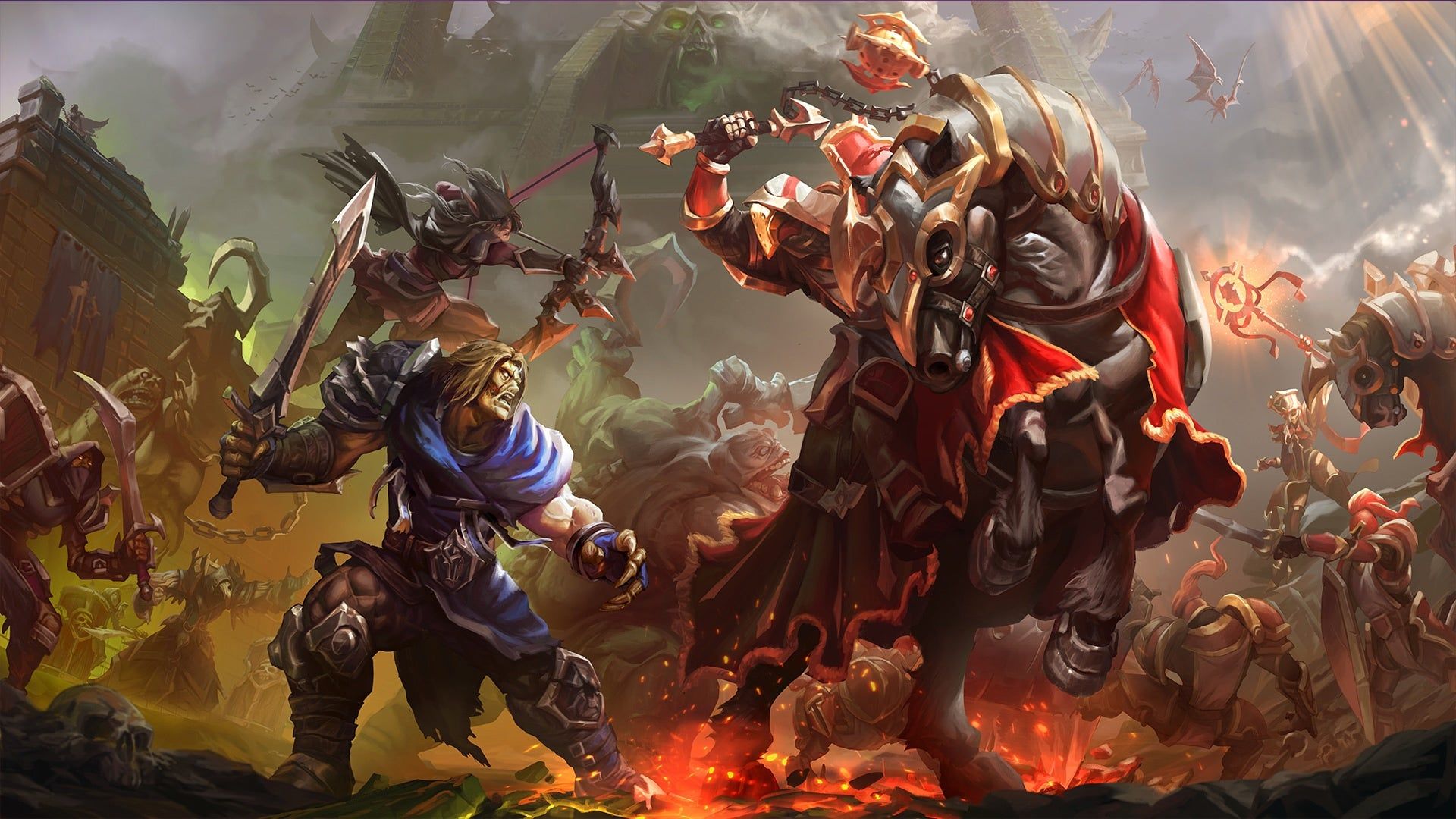
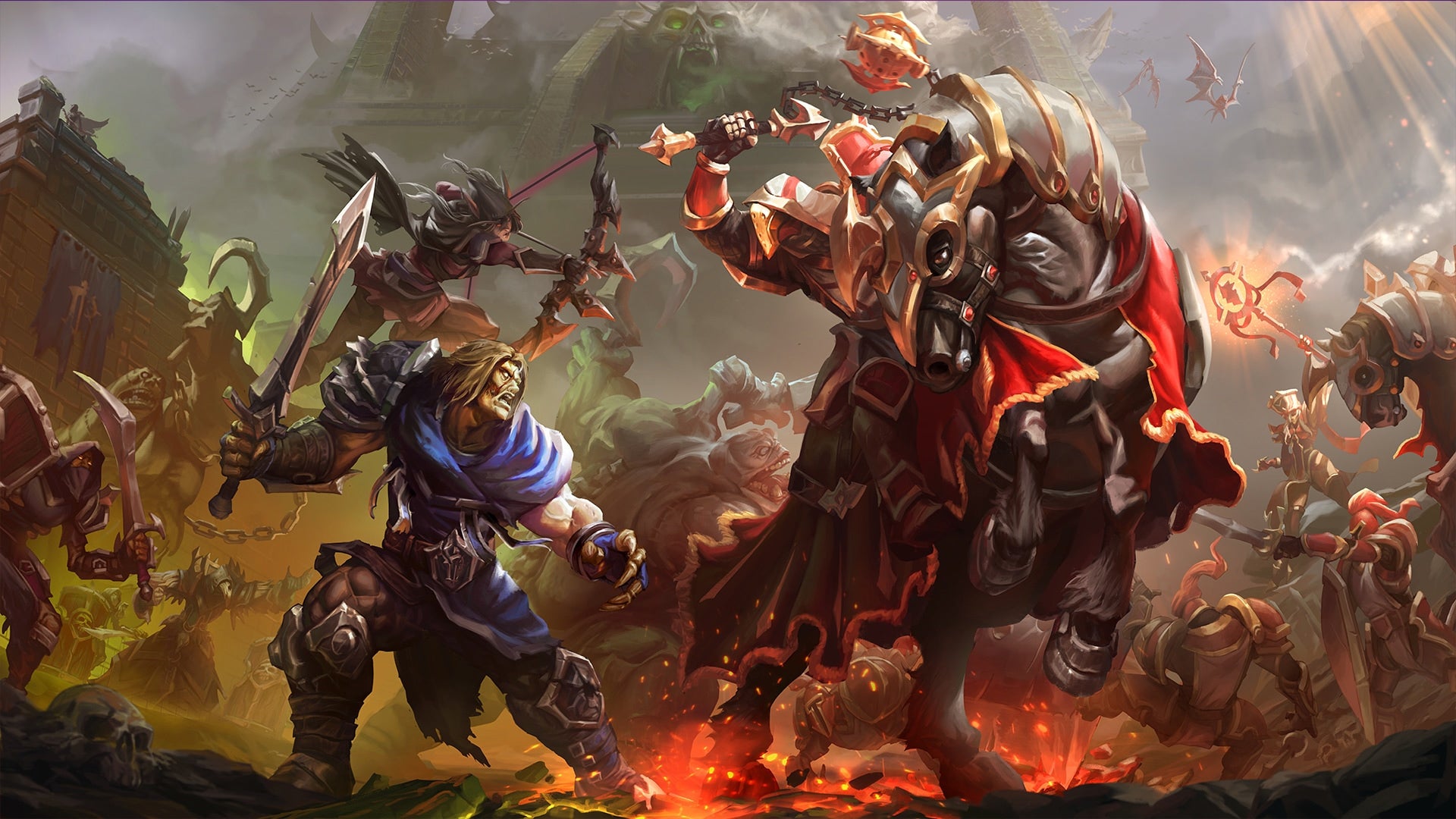
The reveal of the Warcraft 3 Reforged: Forsaken Kingdom expansion stands out as a major highlight for strategy enthusiasts, partly because the announcement of a distant StarCraft open-world game scheduled tentatively for 2030 feels less like a concrete plan and more like a metaphorical IOUs written on a napkin. Beyond that skepticism, however, there is a profound sense of validation when developers decide to craft entirely new content for a real-time strategy game originating in the early 2000s. It serves as an utterly unexpected and deeply appreciated treat for a passionate, enduring community.
More classic real-time strategy games richly deserve belated expansions, and there is already concrete proof that this approach can yield great results. Microsoft spent years successfully revitalizing interest with consistent updates for the Age of Empires franchise before corporate restructuring impacted series steward World’s Edge, leaving Age of Empires 2 vastly more popular than the much newer Age of Empires 4.
The arrival of a brand-new Warcraft 3 expansion—even if it partly functions as an effort to salvage the reputation of a heavily maligned remaster—potentially establishes a profitable, beloved trend. The real-time strategy genre is an exceptionally good fit for this specific methodology precisely because the wider genre has remained somewhat stagnant for so many years.
Chronosphere Ready
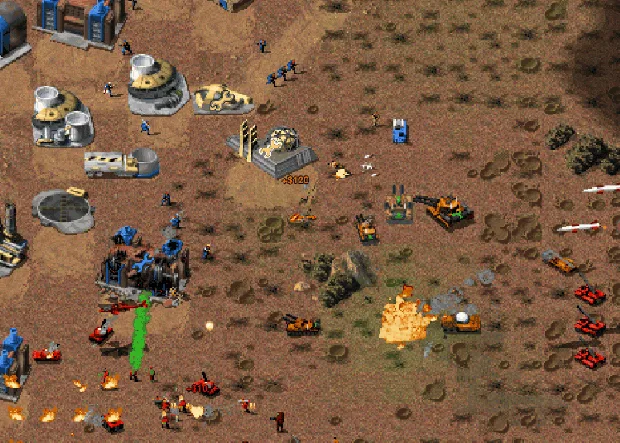
This observation is hardly new, as the industry has thoroughly documented the tumultuous ups and downs of real-time strategy on PC over the years. Recent cycles have seen a slew of highly anticipated yet ultimately disappointing titles hit the market simultaneously, including Company of Heroes 3, Stormgate, and Homeworld 3. While there are occasional outliers like Tempest Rising, which successfully ticks many of the right boxes through its nostalgic remixing of classic Command & Conquer elements, the genre remains one where old favorites continue to loom remarkably large. Much like traditional adventure games or immersive sims, the real-time strategy landscape is haunted by the towering legacy of its past.
That fundamental truth is precisely why reheating some of these foundational games with fresh downloadable content represents the correct strategic approach. Relic Entertainment revealed that Dawn of War: Definitive Edition managed to sell 750,000 copies. Offered at a budget-friendly price point with an extra discount for owners of the original release, those numbers represent a fantastic commercial result for a lightly spruced-up, two-decade-old real-time strategy game. It is easy to imagine that introducing a brand-new faction alongside a fresh suite of missions and maps for a modest price tag would go down exceptionally well, especially given the persistent, underlying interest in custom faction modifications for the game.
Along similar lines, in an ideal world, the gaming community would have enjoyed a dedicated Red Alert 2 remaster long before now. While that specific title has yet to receive the treatment, players did get a magnificent refresh of the original Command & Conquer and Red Alert via the Remastered Collection. It raises fun possibilities—such as imagining the psychic commander Yuri traveling backward in time to the events of the original Red Alert to defeat that reality’s version of Stalin, or perhaps developing a complete expansion themed entirely around the infamous giant ant missions from Counterstrike.
Releasing an affordable mission pack paired with an additional faction could easily reignite interest in games that hundreds of thousands of players still keep tucked away in their digital libraries. Of course, executing such a vision would require publishers like EA to actively do something meaningful with their dormant classic franchises, which remains a significant hurdle.
Adopting this dual approach of a polished re-release combined with entirely fresh content would serve as a phenomenal fit for legendary titles like Rise of Nations, Supreme Commander, Dune 2, or Star Wars: Empire at War. In an era where players already own twenty-year-old real-time strategy games that still run and look perfectly fine on modern personal computers, creating genuinely new material provides a compelling, tangible reason for a repackaged version to exist in the first place.
Warcraft 3 Reforged is currently following a playbook roughly similar to the one pioneered by Age of Empires, and there is a strong hope within the community that the trend does not stop there. Crafting brand-new real-time strategy games that genuinely captivate modern audiences remains a noble, if often financially perilous, endeavor. Developers continue to test the waters in an effort to satisfy notoriously fickle fanbases. But if any genre in the medium possesses a legitimate excuse to ethically lean into nostalgia, it is the deeply entrenched real-time strategy genre. After all, the games that players still rally around with genuine excitement are now well over a decade and a half old. Looking backward, under the right circumstances, might just be the most viable path forward.