The intersection of contemporary art, innovative architecture, and everyday design continues to yield unexpected cultural artifacts, bridging the gap between monumental sculpture and wearable luxury, as well as reimagining the ways human beings inhabit the built environment. Recent developments highlighted across the design world showcase a diverse spectrum of creative exploration, ranging from high-end horology crafted by renowned contemporary artists to architectural interventions inspired by popular culture, intimate community gatherings in historic European districts, and deep philosophical inquiries into how physical spaces shape human behavior.
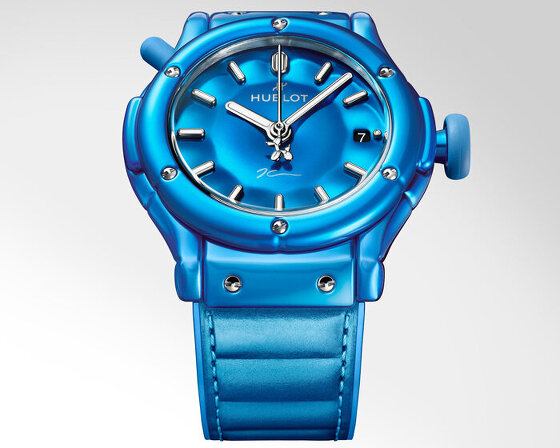
Among the most notable crossovers between contemporary fine art and luxury accessories is the collaboration involving renowned artist Jeff Koons, who has taken his iconic balloon dog motif and scaled it down into a wearable object for the wrist. Historically recognized for monumental sculptures that challenge perceptions of scale, mass, and everyday materials, Koons has reinterpreted Hublot’s classic fusion model to create the balloon dog watch. Measured at a compact 42 millimeters, the timepiece translates the playful yet sophisticated aesthetic of the artist’s celebrated large-scale sculptures into a precision instrument. By condensing the familiar glossy contours and whimsical geometry of the balloon animal into a watch format, the project reflects a growing trend among luxury brands to collaborate with leading contemporary artists, merging high-end horology with cultural iconography in a way that appeals to both art collectors and watch enthusiasts alike.

While wearable art miniaturizes monumental sculpture, other architectural initiatives are scaling up beloved cultural symbols into full-scale, inhabitable spaces. In Japan, the creative firm NOT A HOTEL has undertaken an ambitious project that transforms the universally recognized Poké Ball from the Pokémon franchise into a fully functional, human-sized hotel accommodation. Rather than remaining a flat graphic or a collectible toy, the design scales the spherical object into a habitable built environment. This unique hospitality concept introduces a compact retreat designed specifically around the mechanics of sleep and rest, effectively bringing virtual fantasy into physical reality. By embedding playful pop-culture references into architectural design, the project demonstrates how contemporary hospitality can venture beyond conventional aesthetics to offer immersive, thematic experiences that resonate deeply with modern travelers and fans of popular culture.
Beyond individual product designs and architectural novelties, the broader design community continues to engage in active dialogue through localized cultural events and international gatherings. A prominent example of this ongoing discourse unfolded in Paris during a week dedicated to design conversations, collaborative workshops, and hands-on making within the historic Marais district. Serving as the inaugural stop for a new travelling series, the event brought together a diverse cohort of designers, architects, creative collaborators, and design enthusiasts. Over the course of the week, participants engaged in dynamic exchanges and interactive activities that explored the pulse of contemporary craftsmanship, urban culture, and material innovation. Such gatherings emphasize the importance of physical spaces for communal interaction, providing a vital platform for creative professionals to share ideas, test new concepts, and foster collaborative networks within historic urban fabrics.
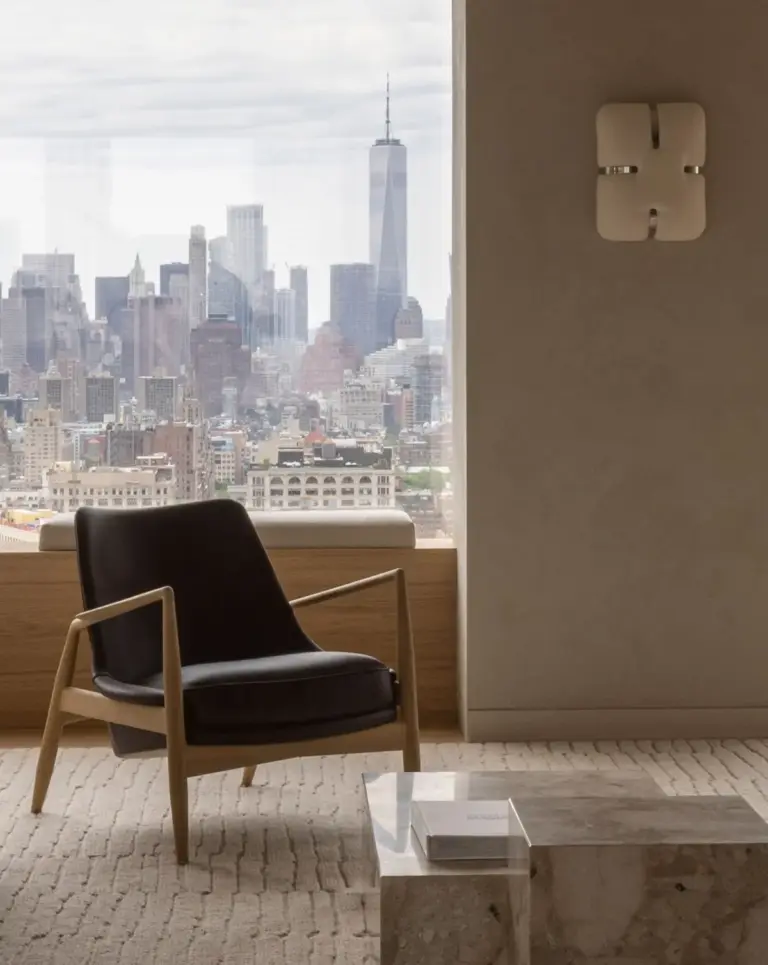
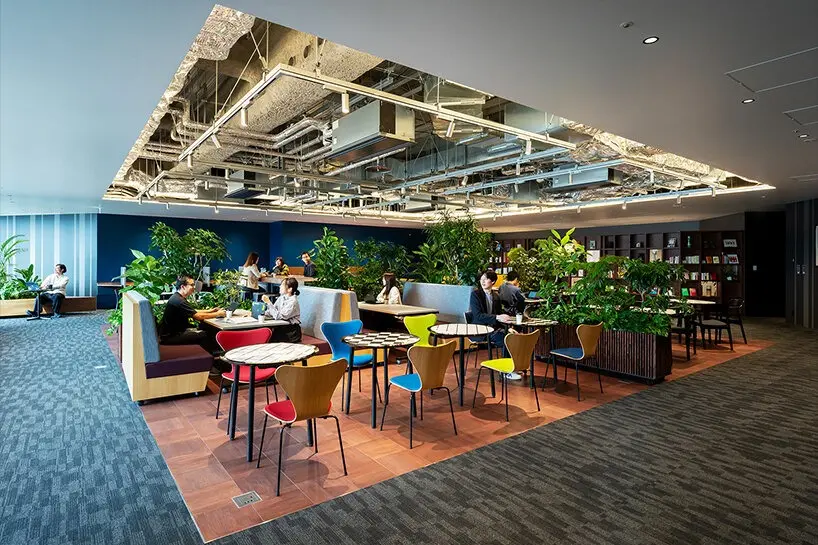
These discussions on community and gathering naturally intersect with broader investigations into how physical surroundings influence daily existence, a theme central to recent inquiries into the modes of habitation. Observers and researchers examining contemporary living spaces increasingly recognize that the interiors and environments we inhabit are far from passive backdrops; instead, they function as active participants in everyday life. From the layout of urban apartments to the architecture of public retreats and hospitality spaces, our surroundings continuously shape how individuals move through their days, conduct their work, seek rest, and encounter other people. As architects and designers grapple with the evolving demands of modern life, these spatial considerations highlight a growing commitment to creating environments that actively support human well-being, social connection, and thoughtful interaction across all scales of design.