In our contemporary era dominated by digital screens, algorithmic feeds, and a virtually endless daily stream of high-definition images and videos, it requires a deliberate mental leap to imagine a world entirely untouched by photography. Yet, just two centuries ago, the concept of capturing a permanent visual record of reality was nothing short of miraculous. Two centuries ago this year, French inventor Nicéphore Niépce successfully captured the world’s first known permanent image. He termed his pioneering chemical process héliographie, or “sun writing,” employing light-sensitive bitumen dissolved in lavender oil to meticulously coat a polished pewter plate.
After exposing the prepared plate on his windowsill for several agonizing hours, an image of several outbuildings on Niépce’s property finally emerged, and photography as we know it was born. However, the medium remained an experimental pursuit until 1839, when Louis Jacques Mandé Daguerre announced his eponymous Daguerreotype, propelling photography into the public realm for the first time. From those early innovations, rapid variations in chemistry, optics, and materials proliferated across the globe. This era of relentless experimentation spurred the advanced technologies and cultural phenomena we continue to enjoy today—persisting even into the modern digital domain, which feels worlds away from the chemical origins of the craft.
To mark this monumental milestone of 200 years of photography in France, GrandPalaisRmn has organized a comprehensive and ambitious series of 11 themed, traveling exhibitions under the overarching banner known as Grand Angle. Ranging from 19th-century studio portraits and dynamic studies of dance to quiet scenes of rural life and the harrowing front lines of photojournalism, these diverse exhibitions highlight a wide panorama of subject matter and honor the countless individuals who have stepped behind the lens over the past two centuries.
The carefully curated selections draw primarily from the vast, historic archives of GrandPalaisRmn and the Médiathèque du patrimoine et de la photographie (MPP), two esteemed institutions that collectively steward a staggering 1.8 million digitized images. This massive visual repository forms the backbone of the national celebration, ensuring that masterpieces of French and international photography are pulled from climate-controlled vaults and brought directly into communities across the country and around the globe.
To achieve such a wide reach, the celebratory program has been coordinated in close partnership with several prominent cultural organizations, including the Centre national des arts plastiques (Cnap), the International Olympic Committee (IOC), and Fisheye magazine. By joining forces, these entities have made it possible to stage the exhibitions in a diverse array of venues, ranging from major metropolitan cultural centers to unconventional local spaces.
The decentralized nature of Grand Angle is one of its defining characteristics, designed to bring historic photography directly to the public rather than confining the bicentennial to traditional Parisian museums. For instance, Ruralités, one of the key themed exhibitions focusing on the realities of the countryside, recently opened its doors at the tourism office of Roubion, a small and picturesque commune tucked away in southeastern France. Meanwhile, a dedicated solo exhibition celebrating the poignant, humanistic work of the late photographer Willy Ronis is currently on view this month at the Châtel-Saint-Germain library. Through these localized presentations, the initiative fosters a direct dialogue between historical imagery and contemporary viewers, anchoring the celebration in the everyday fabric of French society.
The rich tapestry of images on display throughout the Grand Angle series captures the immense breadth of photographic history. Visitors encountering the exhibitions are treated to iconic and rare works alike, reflecting how the camera has documented everything from high art to everyday humanity. Among the treasures included in the visual programming are evocative prints from the Atelier Nadar, such as an 1864 portrait capturing the legendary French actress Sarah Bernhardt at the very beginning of her illustrious career. Surrounded by luxurious furs and opulent fabrics in a classic 19th-century studio setting, the image exemplifies the theatricality and psychological depth that Nadar brought to early portraiture.
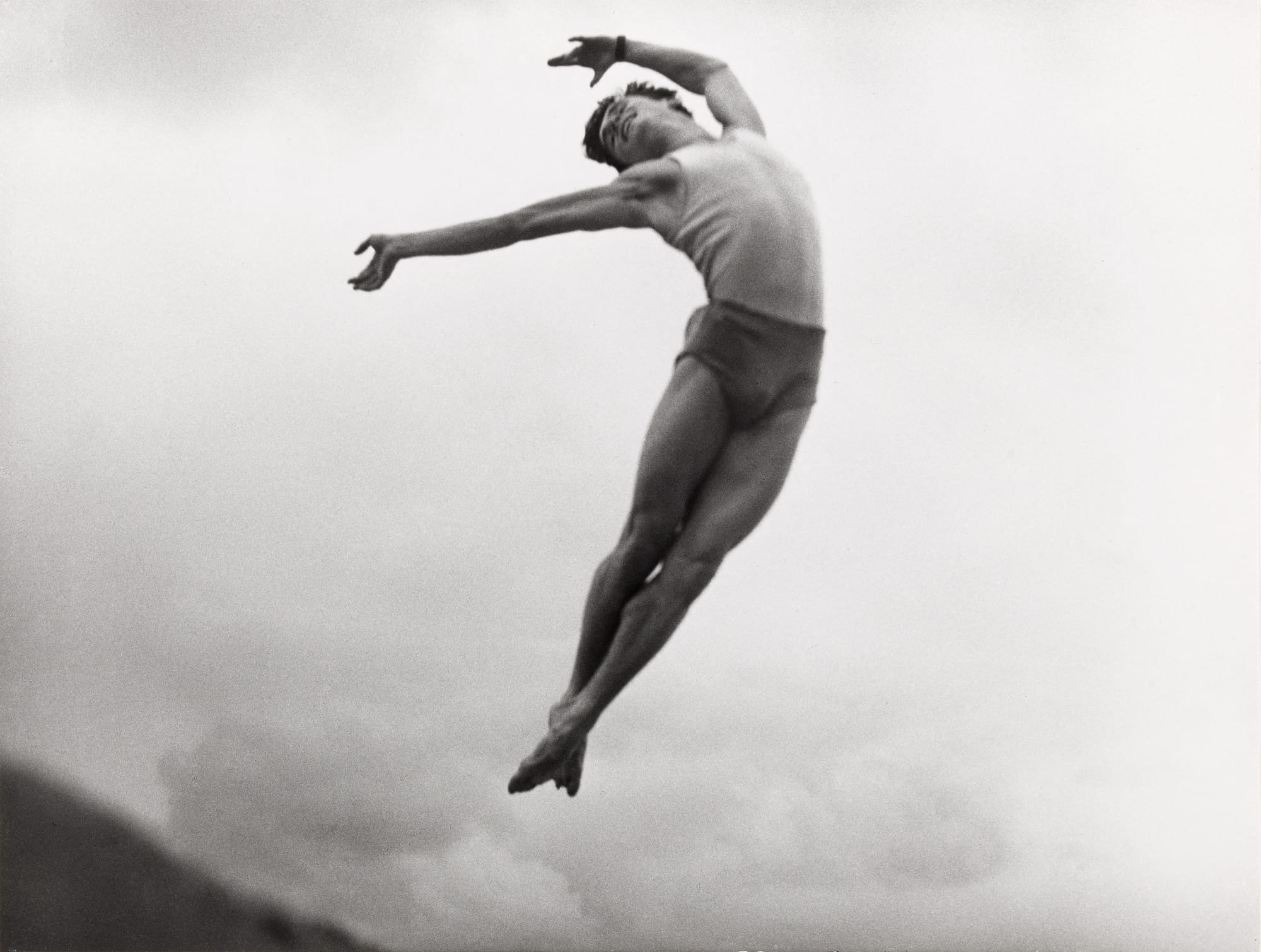
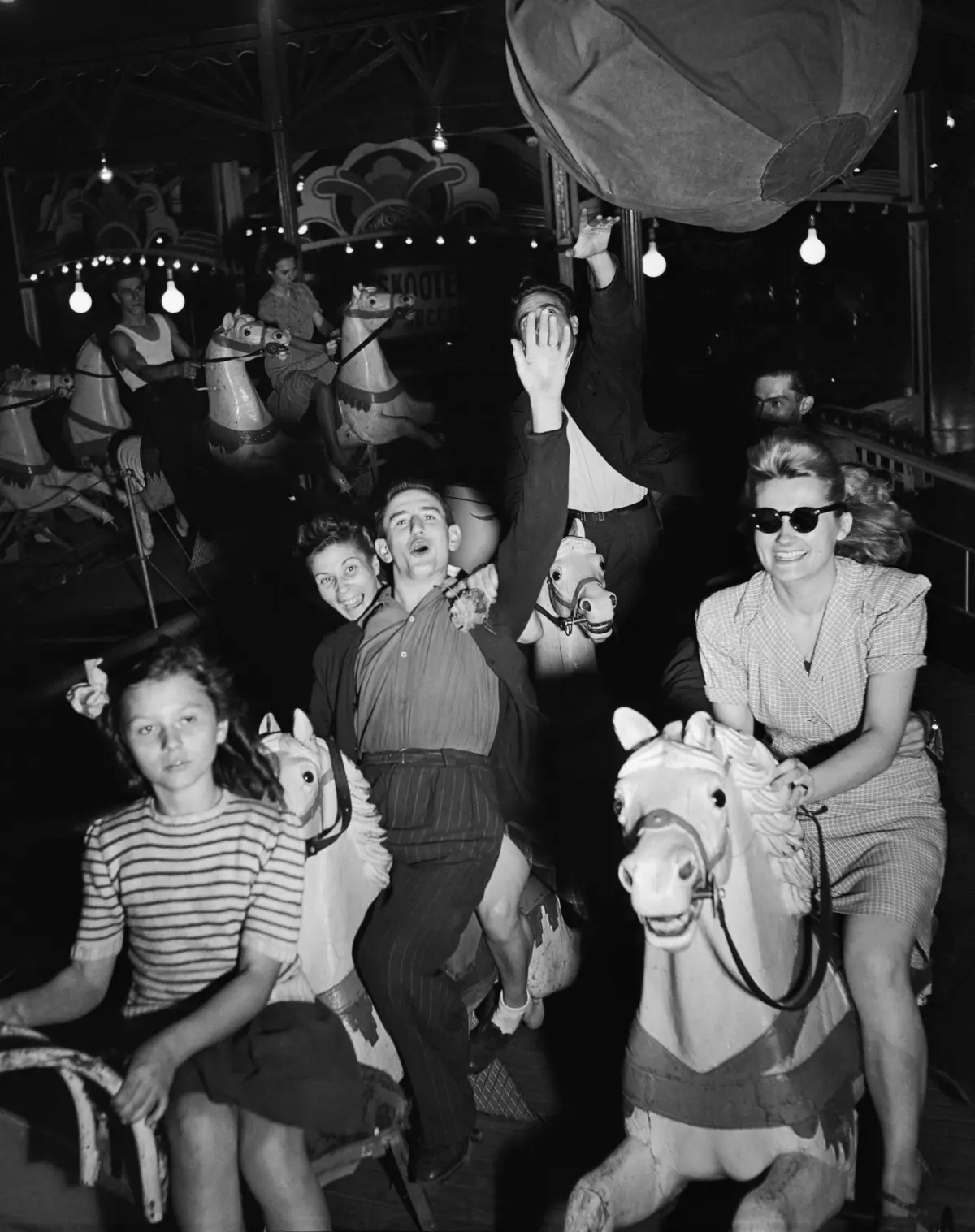
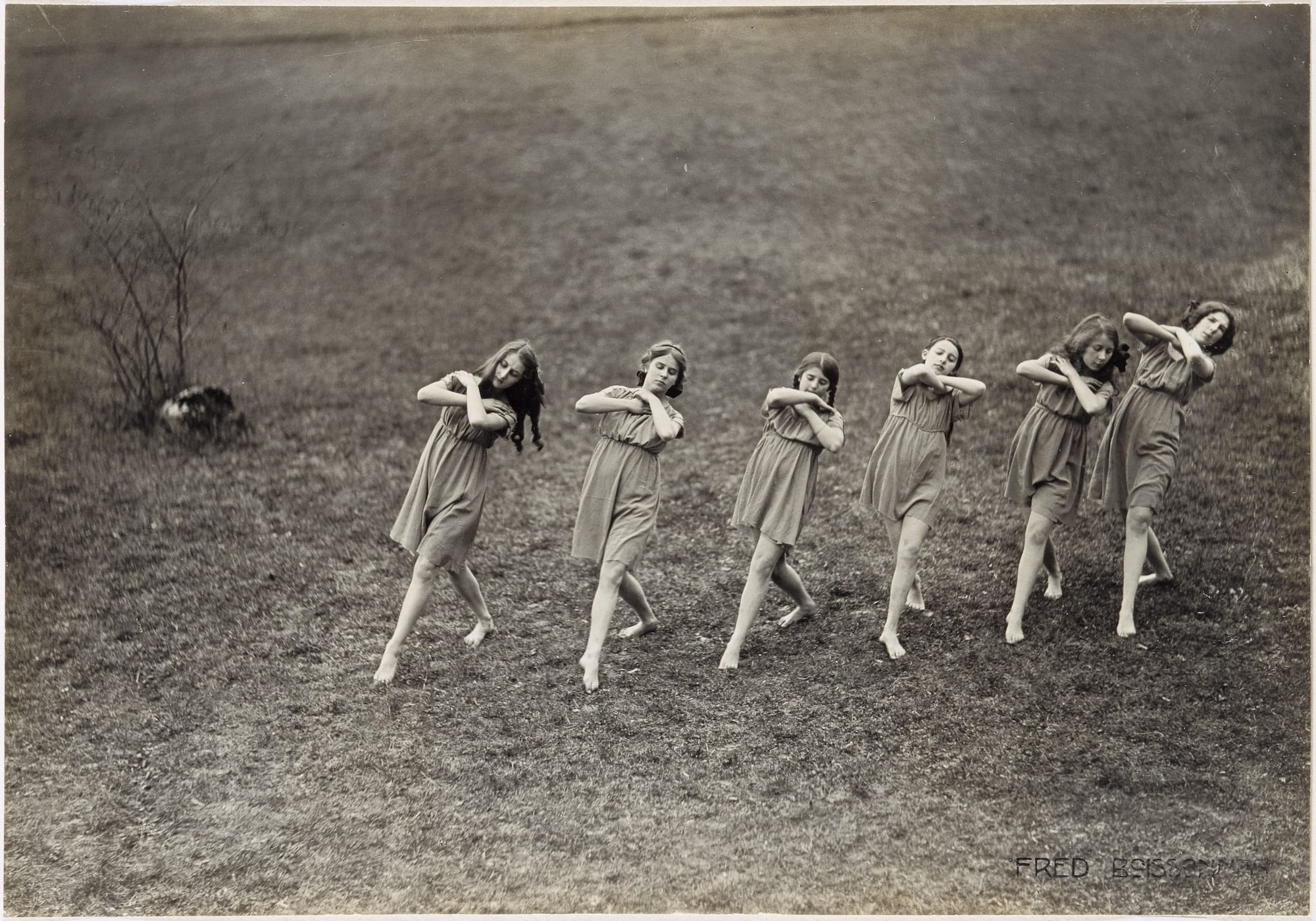
As the exhibitions trace the evolution of the medium into the 20th century, they capture the rhythmic movements of the human body and the vibrant pulse of urban street life. Works like Frédéric Boissonas’s Scène de danse rythmique à l’institut Jacques Dalcroze, 6 filles dansant and Jacques Piarrat’s dynamic composition Danse 2 freeze motion with a lyrical grace that speaks to the camera’s unique ability to capture fleeting moments in time. Similarly, the street photography of Willy Ronis—exemplified by celebrated works like Les amoureux de la Bastille, Paris from 1957 and Fête foraine, Paris from 1947—showcases the tenderness, joy, and vitality of Parisian life during the post-war decades, positioning the photographer as a master observer of human connection.
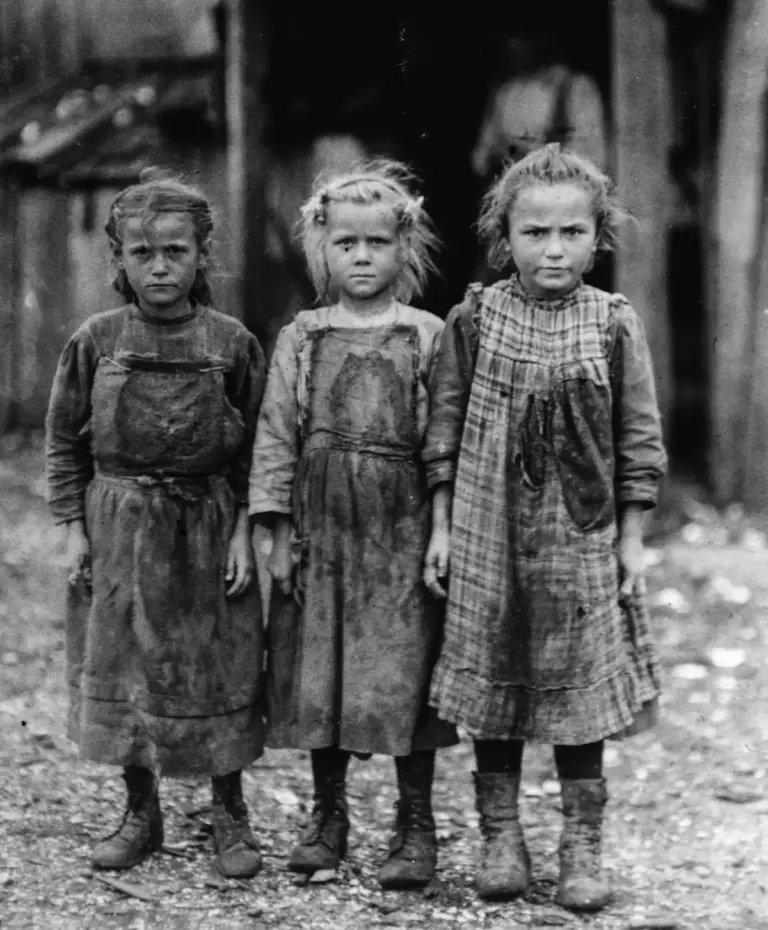
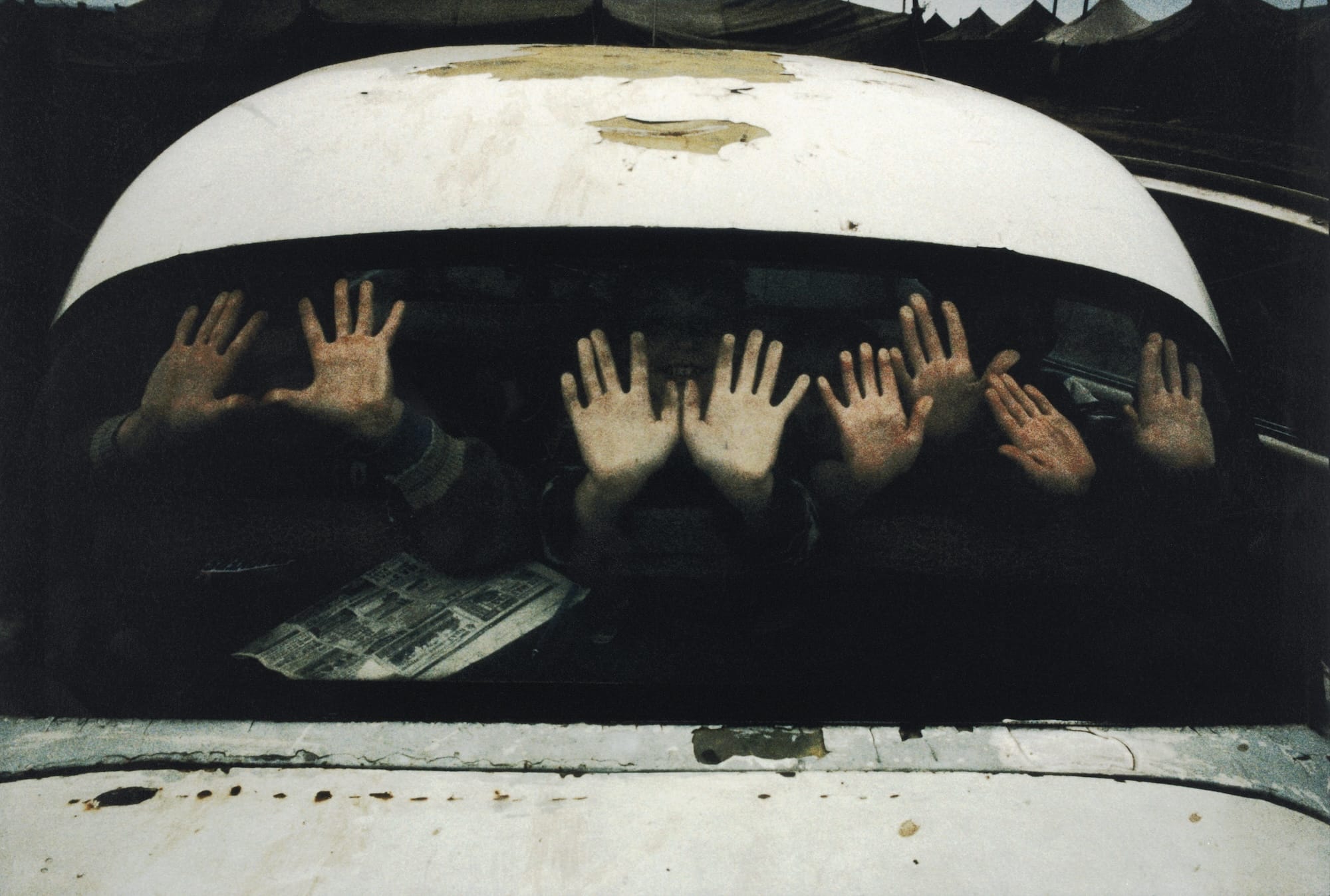
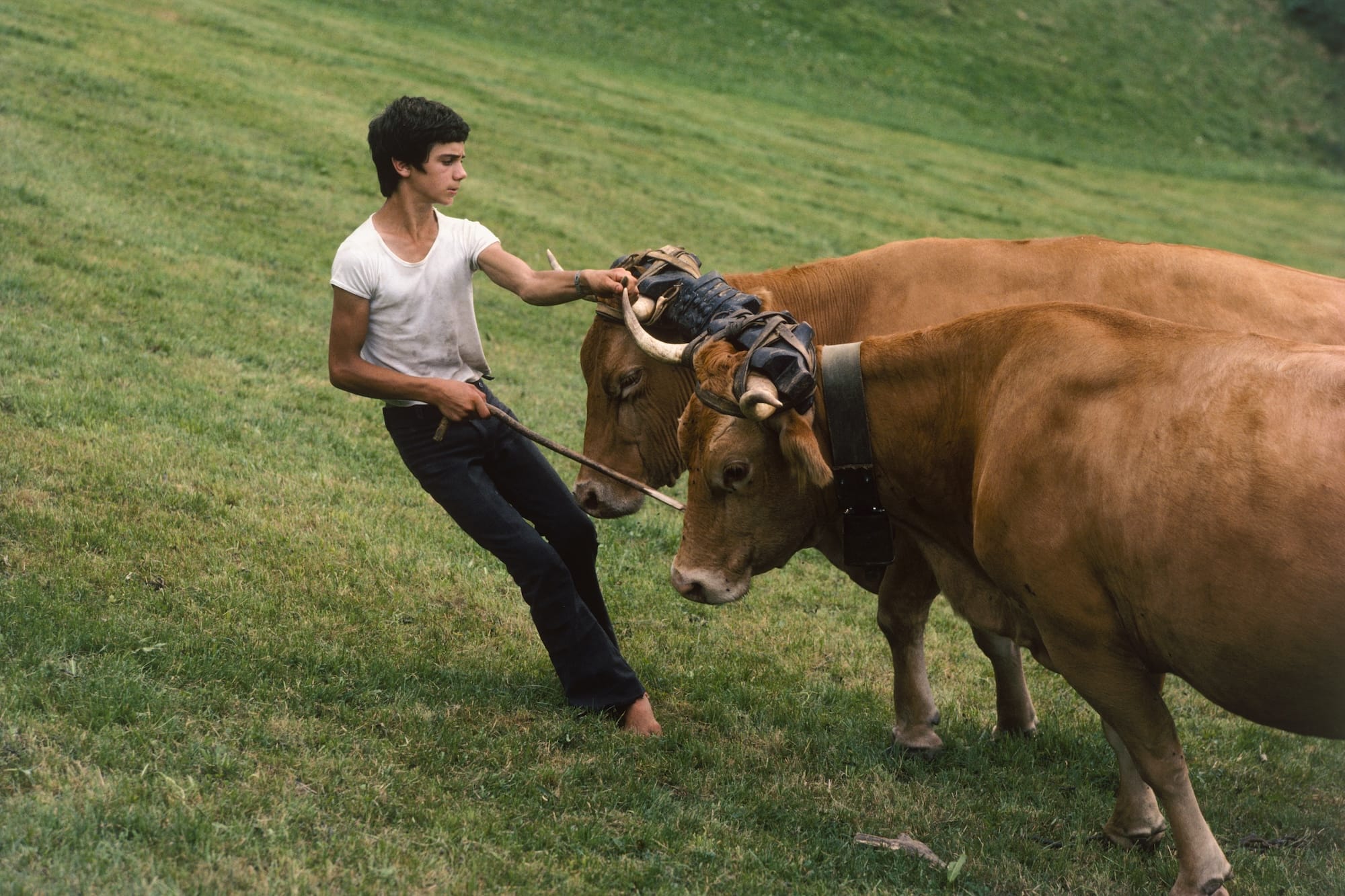
Beyond the urban centers and cultural salons, the exhibitions also turn their lens toward the enduring rhythms of the French countryside and the stark realities of global conflict. Series focusing on rural life feature striking contributions such as Hans Silvester’s 1979 documentation of a young boy guiding cattle up a grassy hillside in Sainte-Engrâce, and Jean-Pierre Favreau’s 1996 photograph of a child watching cows in the Vendée region. These images contrast sharply with the sobering, powerful photojournalism featured in other segments of the initiative, such as Stanley Greene’s haunting 2001 documentation of the Sleptovsk-Sputnik refugee camp in Ingushetia, Russia. By juxtaposing tranquil pastoral scenes with the raw urgency of conflict reporting, the Grand Angle exhibitions underscore photography’s profound dual capacity to preserve idyllic heritage and bear witness to historical trauma.
As these diverse exhibitions make their way across France and international venues, they invite audiences to reflect on how profoundly the camera has shaped our collective memory and perception of reality over the last two hundred years. From Niépce’s rudimentary pewter plate exposed on a French windowsill to the instantaneous digital capture of the modern era, the journey of photography is a testament to human ingenuity and the persistent desire to freeze time. With partnerships involving the IOC, Cnap, Fisheye, and institutions holding millions of historical artifacts, the bicentennial initiative ensures that the foundational works of photographic history remain accessible, vibrant, and deeply relevant. The expansive Grand Angle program is slated to continue its journey, bringing extraordinary visual narratives to new audiences through September 2027.