For generations, the standard domestic humidifier has remained stubbornly utilitarian in its aesthetic and function. Typically manufactured from stark white plastic, punctuated by a distracting blinking blue light, and engineered to disperse a fine mist that carries little to no natural aroma, these devices often resemble medical equipment accidentally misplaced in a residential living room. To combat the sterility of the mist, users have long relied on artificial fixes, frequently dumping capfuls of essential oils into water tanks in an attempt to make an apartment smell like a high-end spa. Yet, this common workaround often results in heavy, synthetic fragrances that can overwhelm sensitive noses or quickly lose their appeal after a few uses, highlighting a quiet, persistent frustration shared by countless households: while humidifiers effectively solve the problem of dry indoor air, they rarely address their own uninspired design or the chemical nature of their aromatherapy add-ons.
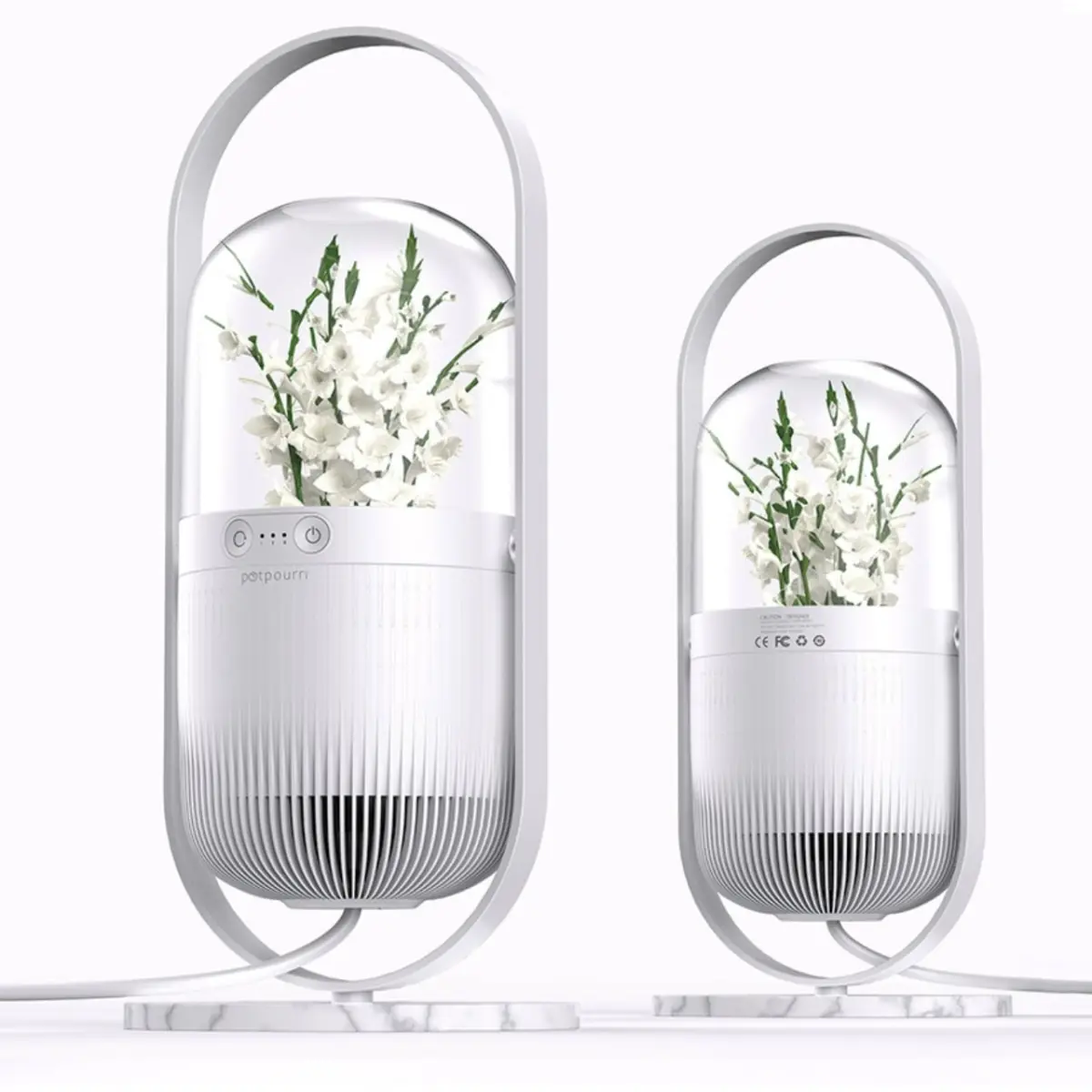
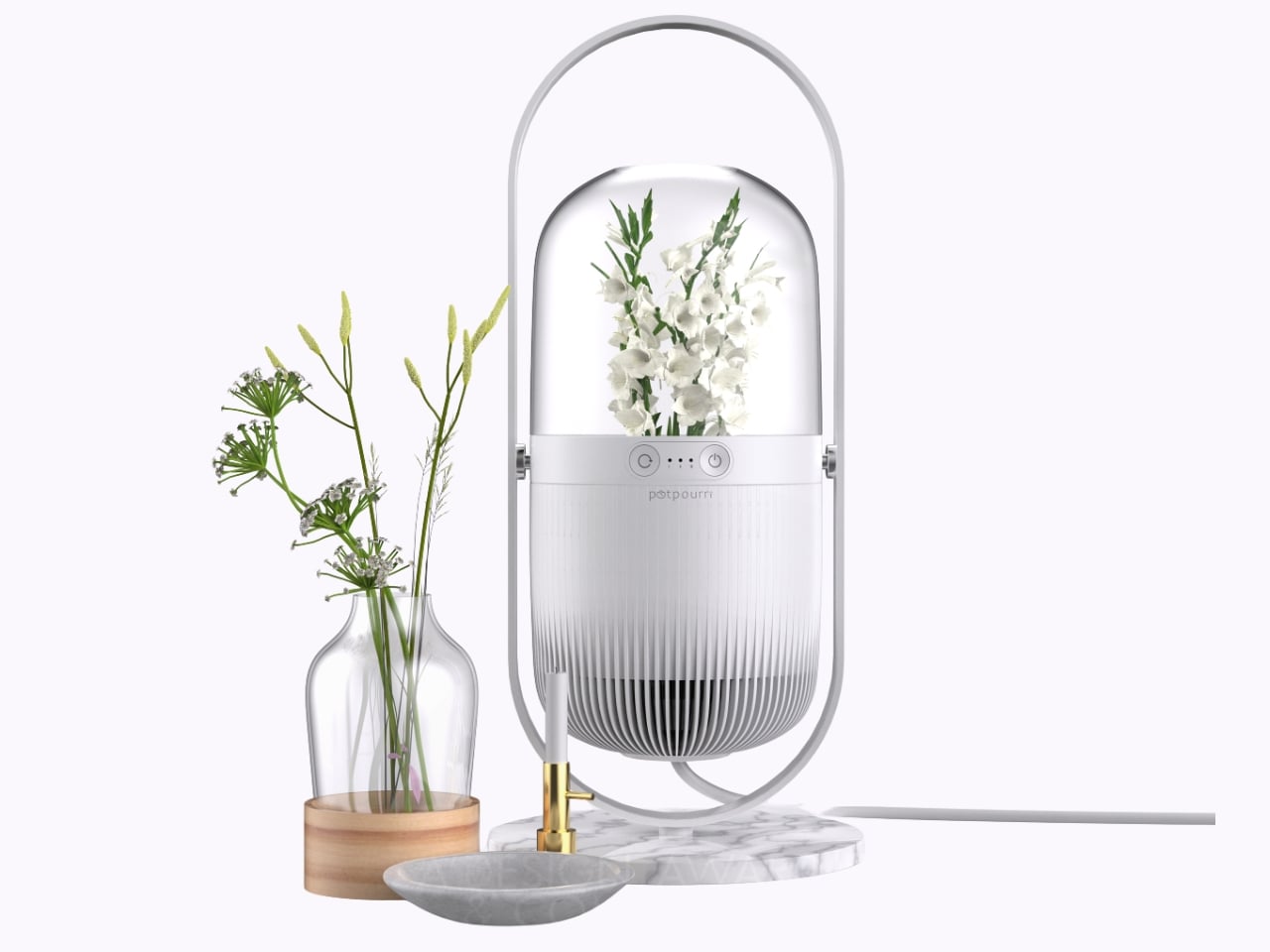
Addressing this intersection of aesthetic dissatisfaction and artificial fragrance dependency, Yong Zhang, an industrial design professor in China, has developed an innovative appliance that completely reimagines how indoor moisture and ambient scent can be generated. His creation, appropriately named "Potpourri," recently earned an Iron A’ Design Award within the Home Appliances category by introducing a radical mechanical and biological departure from traditional humidifiers. Instead of relying on bottled, synthetic oils or chemical scent compounds to fragrance the vapor, Potpourri integrates actual, living flowers directly into the core of the device. The appliance automatically waters the enclosed plants, allowing the flora to naturally release both moisture and organic aromas into the surrounding environment. To protect the delicate organisms while maintaining functionality, a transparent acrylic dome encases the plants, perfectly balancing environmental protection with optimal sunlight exposure.
This design tackles a psychological and sensory problem that is far more personal than it might initially appear. Most contemporary aromatherapy devices require consumers to blindly trust a manufacturer’s chemical interpretation of what natural botanicals—such as lavender, eucalyptus, or jasmine—should smell like. In contrast, Potpourri invites users to rely on the genuine, dynamic biology of an actual lavender plant or blooming flower. There is a profound and meaningful sensory difference between diffusing a synthetic approximation of a scent and standing in close proximity to a living plant as it naturally blooms and breathes. This distinction quietly reframes the traditional humidifier, transforming it from a purely functional utility object into something much closer to a delicate, self-contained ecosystem sitting atop an office desk or living room table.
The engineering hurdles involved in bringing this concept to life were neither minor nor trivial. Ensuring that living flowers could genuinely thrive inside the confined, humid environment of an appliance—rather than succumbing to root rot from overwatering or wilting due to insufficient light—required Professor Zhang to completely rethink how the device’s physical enclosure manages internal moisture and continuous airflow. The clear acrylic cover serves a dual purpose: it effectively shields the fragile petals from physical damage or accidental knocks while simultaneously establishing a semi-enclosed microclimate. This specialized microclimate recycles water far more efficiently than open-air planters, which ultimately translates to fewer refilling requirements for the plant owner. By successfully merging these systems, the device operates simultaneously as a functional household humidifier and a self-sustaining flowerpot, a dual identity that stands out as the most compelling aspect of the entire conceptual framework.
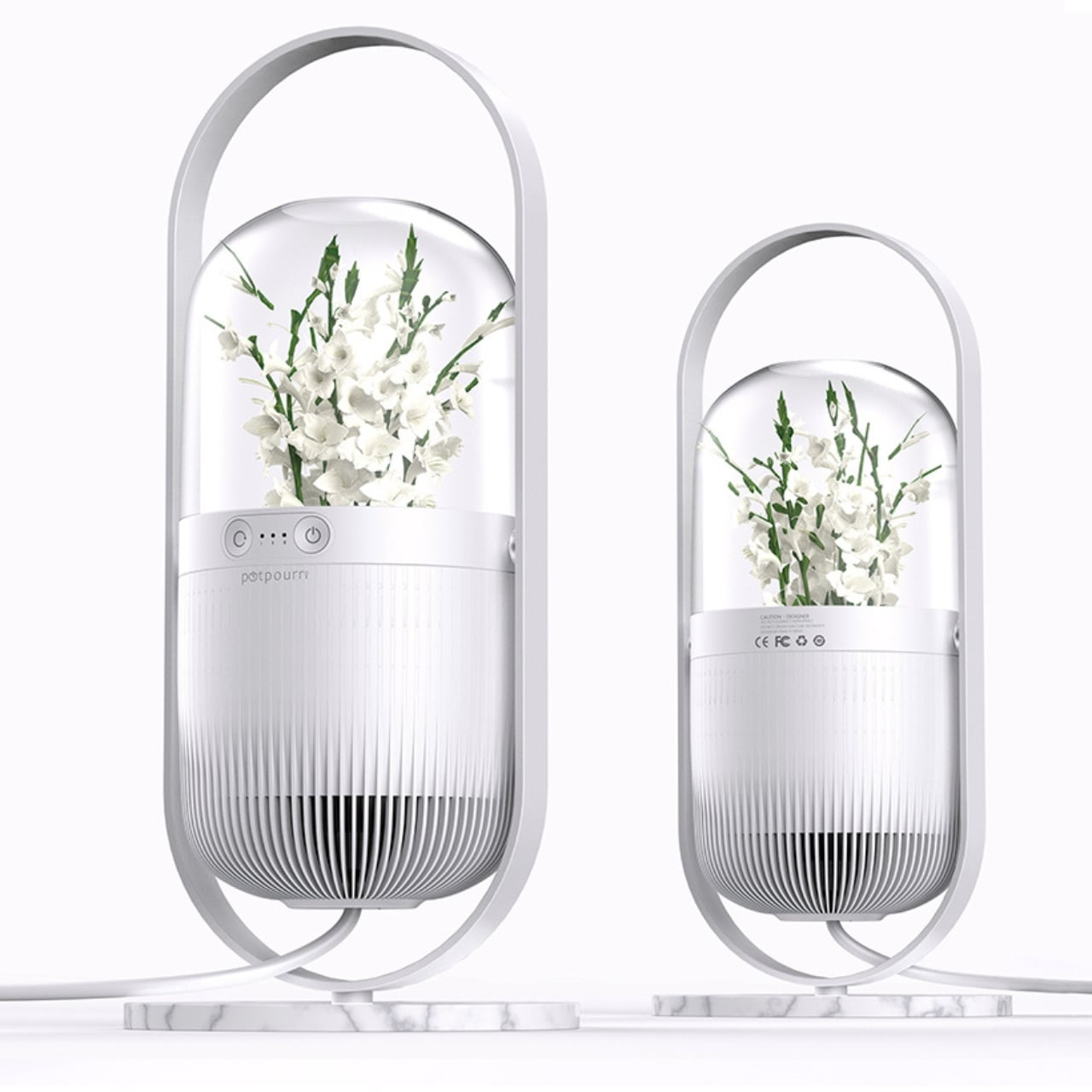
Examining this design through the lens of current consumer preferences, particularly within Western markets, reveals how accurately it aligns with a growing cultural movement away from synthetic indoor fragrances. Widespread safety warnings regarding scented candles, growing skepticism surrounding unregulated essential oils, and general consumer fatigue with ubiquitous "clean scent" marketing campaigns have driven many households to seek out genuinely natural alternatives for the air they breathe, rather than relying on additional chemical gadgets. Potpourri completely eliminates the need for bottled fragrance oils or synthetic additives. The ambient scent released into the room is entirely organic, determined strictly by whatever the living flower produces, operating on its own natural schedule and maintaining its own subtle, fluctuating intensity.
At the same time, living with such a device introduces a set of practical, everyday realities that distinguish it sharply from standard home appliances. Flowers are living organisms that inevitably experience life cycles, meaning petals will eventually brown, wither, and drop. Operating Potpourri requires an active commitment to tending a living plant, contrasting starkly with conventional humidifiers where a user simply fills a plastic water tank and forgets about it for weeks at a time. This requirement for daily or weekly botanical maintenance means the appliance will likely find its most enthusiastic audience among individuals who already nurture indoor houseplants and view routine pruning or gardening tasks as a therapeutic pleasure rather than a chore. By refusing to disguise this biological tradeoff behind false promises of low-maintenance convenience, the designer maintains an honest relationship between the user and the appliance.
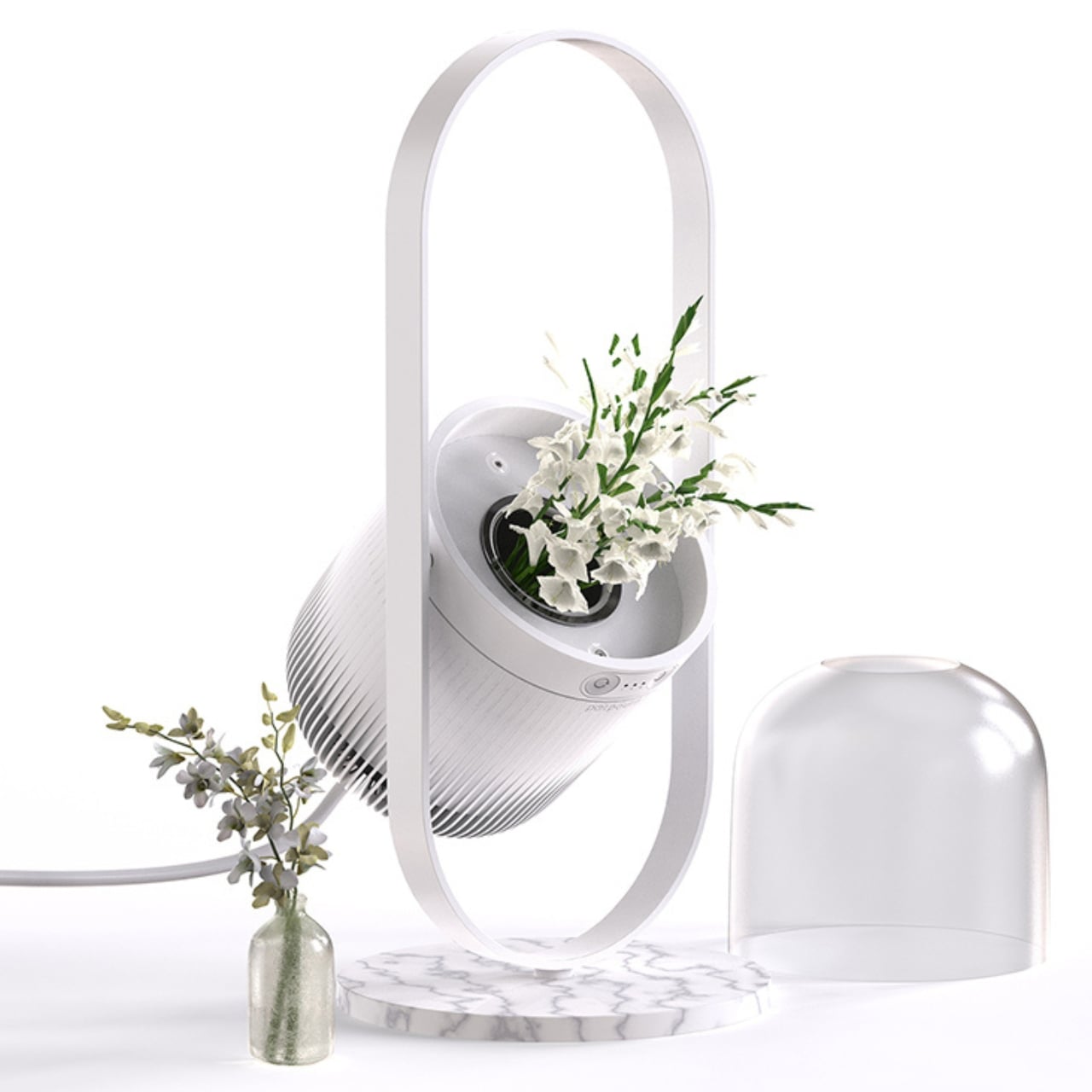
Ultimately, Potpourri represents a thoughtful and honest attempt to rethink a product category that has remained largely stagnant and unimaginative for decades. Home appliances rarely ask their users to invest emotional or physical labor, such as nurturing a living organism, in exchange for the mechanical function they provide. Potpourri establishes a reciprocal exchange that feels balanced and rewarding: the user supplies sunlight and water, and in return, the appliance delivers regulated humidity alongside an authentic fragrance that was never synthesized or bottled inside an industrial factory. In a consumer landscape saturated with technological devices attempting to artificially imitate the outdoors, this award-winning design offers a compelling alternative by simply inviting nature directly into the home.