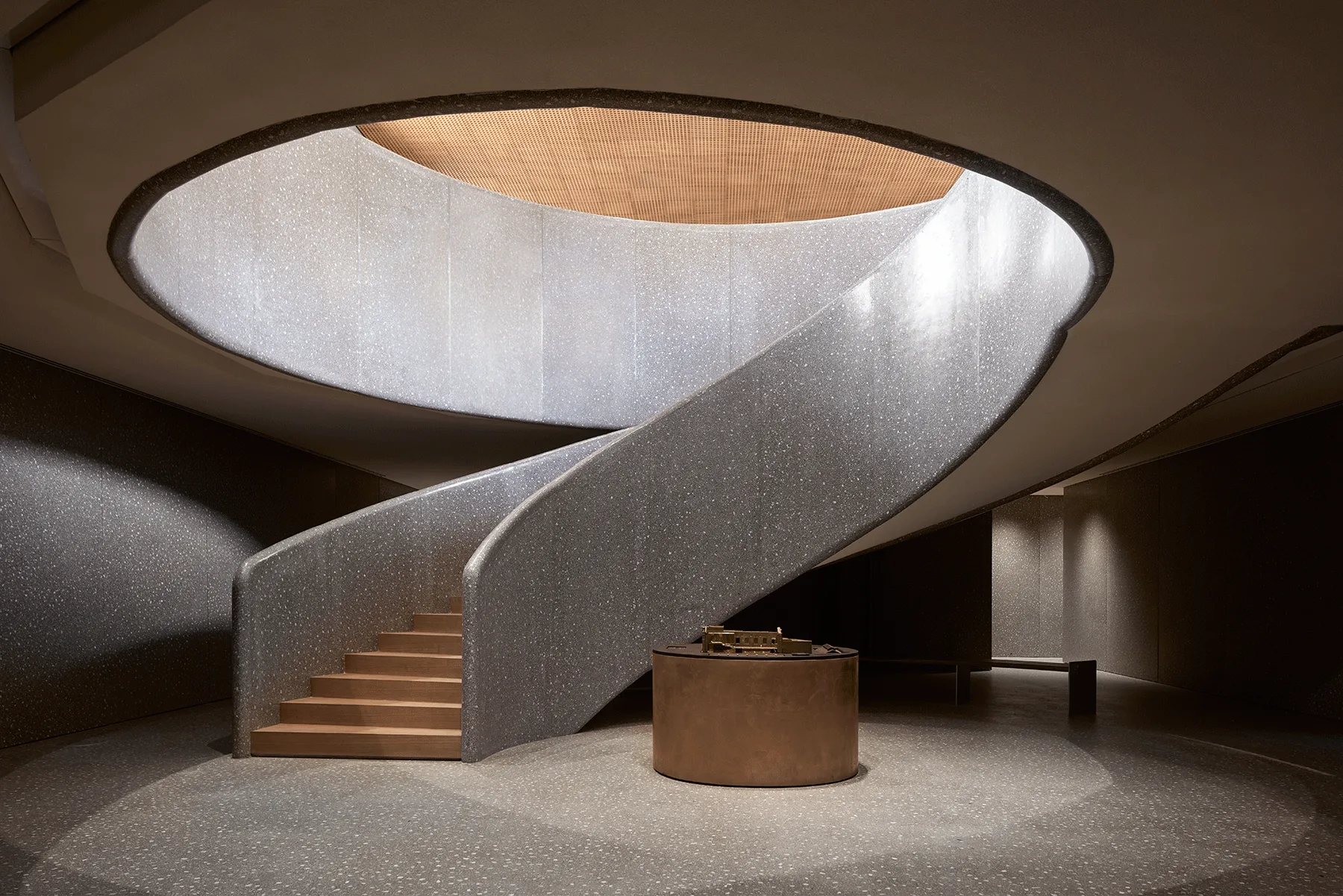
Tashkent has officially stepped into a new era of cultural infrastructure with the opening of the Centre for Contemporary Arts Tashkent (CCA Tashkent). Housed within a meticulously restored 1912 former tram depot and diesel station in Old Tashkent, the venue marks Uzbekistan’s very first permanent institution dedicated exclusively to contemporary art.
Led by Gayane Umerova, Chairperson of the Uzbekistan Art and Culture Development Foundation (ACDF), the newly inaugurated center represents a major milestone in the country’s cultural landscape. Rather than adopting a traditional white-cube gallery model, CCA Tashkent embraces its industrial past, seamlessly blending expansive exhibition spaces with a specialized library, dynamic workshops, robust public programming, and dedicated artist residencies. The institution opens its doors to the public with Hikmah, an ambitious inaugural exhibition featuring contemporary works alongside historic Uzbek and Karakalpak art, running through January 31, 2027.
A Century of Transformation: From Electricity Network to Art Hub
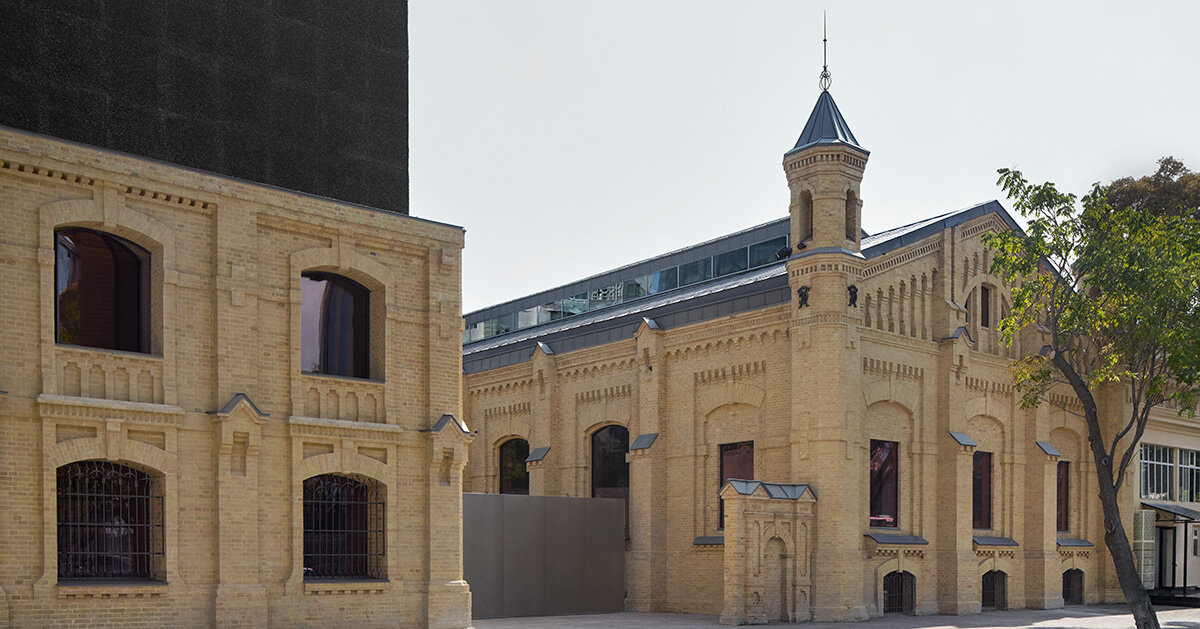
The architectural journey of CCA Tashkent is rooted in the early 20th century. Originally designed by Wilhelm Heinzelmann, the building served as the operational heart of Tashkent’s first historic tramway line. Over the ensuing decades, the complex remained an integral part of the city’s vital electricity network, quietly serving the urban populace for more than a hundred years.
In 2019, as part of a broader national strategy for cultural development and urban regeneration, the historic site was officially entrusted to the ACDF. Recognizing the architectural and historical significance of the abandoned industrial compound, the foundation enlisted the renowned French architecture practice Studio KO to breathe new life into the structure. Rather than erasing the building’s gritty, utilitarian history, Studio KO approached the commission through a series of restrained architectural interventions. Their design philosophy focused on preserving the raw character of the existing structure while upgrading its fabric to meet the rigorous climate-control, lighting, and spatial demands of a world-class contemporary art institution.
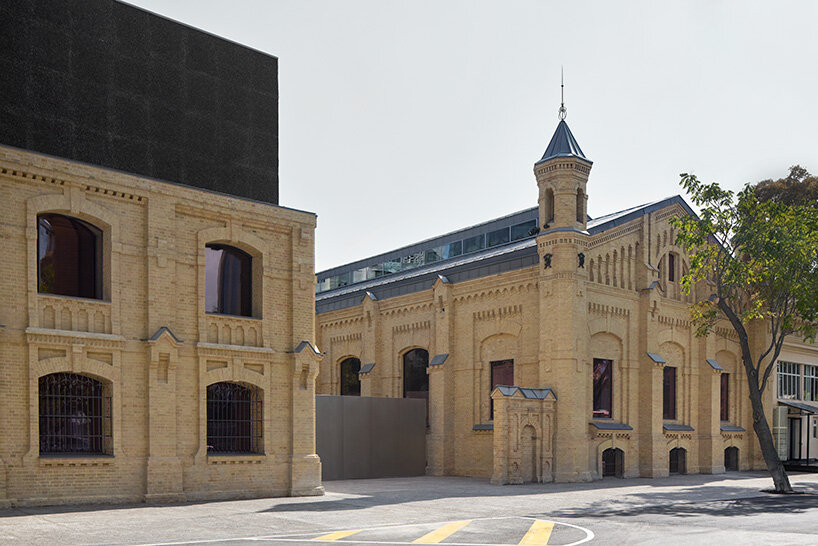
The layout of the complex has been thoughtfully reprogrammed to serve diverse cultural functions. The former main diesel station has been transformed into the primary exhibition hall, where the early 20th-century Imperial-era brickwork has been carefully cleaned and left exposed rather than concealed behind modern drywall. Nearby, the building’s former administrative hub has been converted into a specialized bookshop and public library. This intellectual space curates an extensive collection focused on art history, world literature, and Oriental studies. Furthermore, an expansive outdoor courtyard has been integrated into the campus, providing a versatile open-air venue for community workshops, public gatherings, and an outdoor cinema. This thoughtful inclusion extends the institution’s reach far beyond the traditional gallery walls, embedding it deeply into the civic life of Old Tashkent.
Studio KO Preserves Historic Industrial Structure with Poetic Interventions
Studio KO treated the existing industrial architecture not merely as a shell, but as an active, living participant in the institution’s identity. The architects aimed to give the deteriorating industrial structure what they describe as a "new poetic life," pairing the preserved historical fabric with traditional Uzbek materials and light-filtering geometric motifs.
The renovation process relied heavily on the expertise of local artisans and craftsmen, ensuring that the building remained tethered to its geographic and cultural roots. For the structural updates, a specialized concrete mix was developed using strictly locally sourced materials. Additionally, bespoke ceramic tiles were custom-commissioned from the celebrated Rakhimov family ceramics studio in Tashkent. These localized details introduce contemporary architectural interventions without severing the building from the rich material culture of its regional setting.
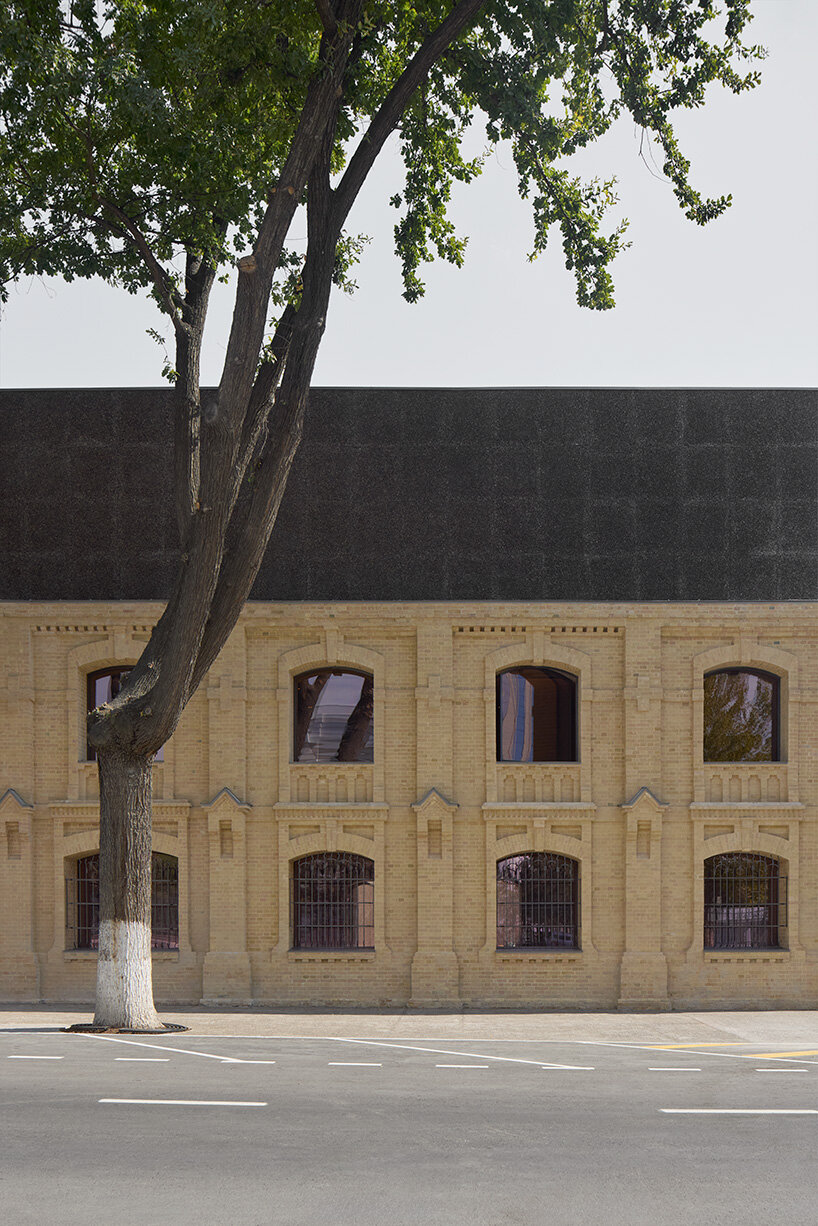
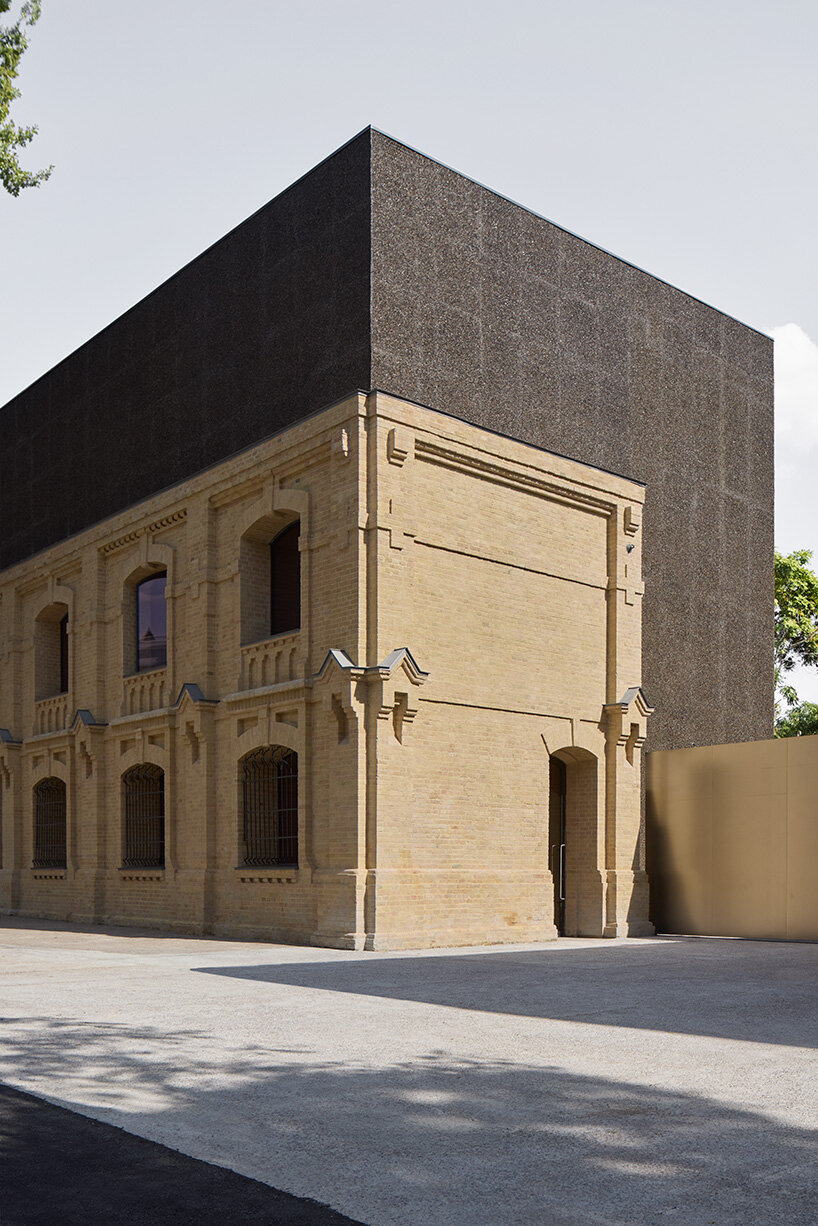
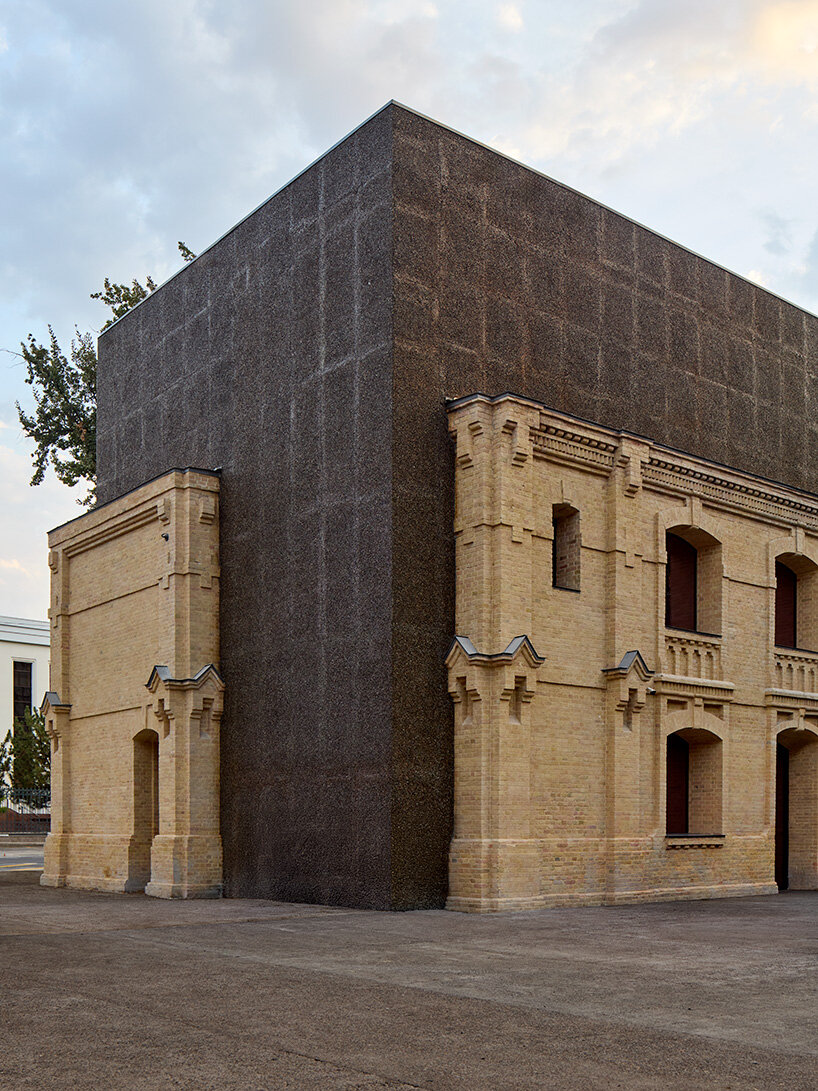
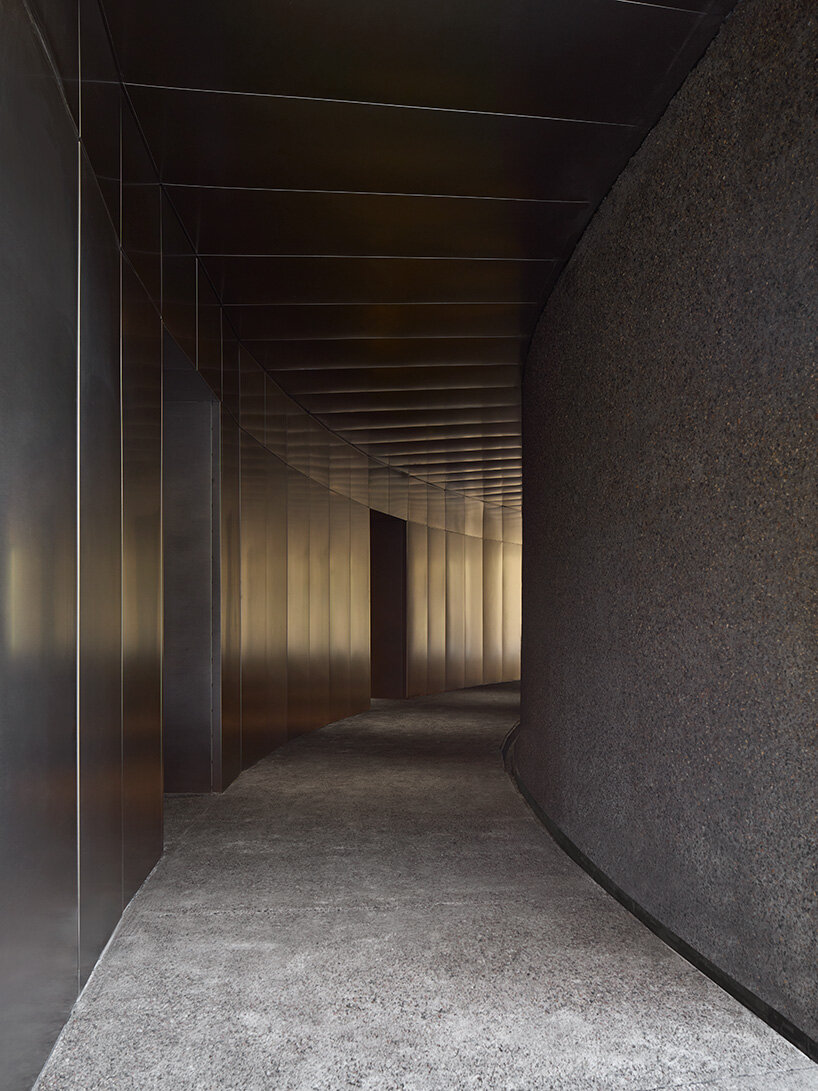
Rising above the restored historic brick facade, Studio KO added a striking dark, textured upper volume. Visitors navigate the upper level via a curved circulation wall that guides them smoothly through the galleries, while narrow glass and open passages separate the original masonry from the sleek new concrete interventions. This juxtaposition of old and new creates a dramatic spatial dialogue, honoring the building’s industrial heritage while firmly anchoring it in the 21st century.
Hikmah: An Inaugural Exhibition Bridging Heritage and Modernity
CCA Tashkent’s inaugural exhibition, Hikmah, sets a high artistic bar for the new institution. Curated by Chief Curator Dr. Sara Raza, the exhibition brings together a rich collection of newly commissioned pieces alongside recent works by ten prominent Uzbek and international artists. Taking its title from the Arabic word for wisdom, Hikmah uses the raw, restored industrial spaces as a dramatic backdrop for an ongoing conversation between contemporary artistic practices, local histories, and the deep-rooted cultural traditions of Uzbekistan and Karakalpakstan.
Among the standout new commissions is Tower for a Single Breath by Saudi Arabian artist Muhannad Shono. Developed during his immersive residency at CCA Tashkent, the sculpture draws profound inspiration from the mystical Sufi traditions historically associated with the ancient Silk Road cities of Bukhara and Samarkand. Meanwhile, Tashkent-based ceramicist Shokhrukh Rakhimov presents The Colour of Silence, In Search of Truth, a striking installation comprising seven large-scale ceramic orbs crafted entirely from locally sourced minerals and mineral pigments.
International voices also enrich the exhibition’s thematic scope. South Korean artist Kimsooja contributes her participatory installation, Archive of Mind, which invites museum visitors to actively engage by hand-rolling spheres from local clay. Through this repetitive, meditative gesture, visitors gradually contribute to the creation of a collective, evolving archive.
Nadia Kaabi-Linke’s 2011 suspended installation, Flying Carpets, hangs weightlessly within the cavernous industrial hall. Crafted from steel, the artwork is dimensionally based on the woven mats utilized by migrant street vendors in Venice, drawing a poignant conceptual link between global migration, manual labor, and the silent histories carried by everyday objects.
The exhibition further features Ali Cherri’s evocative sculpture A Mouth, A Wound, Tarik Kiswanson’s newly commissioned spatial work Nest, and Nari Ward’s site-specific installation Tashkent Groundin. Ward’s piece incorporates found objects and weathered copper patina, establishing a direct material dialogue with the building’s rugged industrial character.
To underscore the continuity of local artistic heritage, Hikmah also integrates historical works drawn from the prestigious collection of the State Museum of Arts of Karakalpakstan. Masterpieces by painters, sculptors, and woodcarvers such as Vladimir Pan, Bakhtiyar Saipov, and Daribay Saipov are placed in direct spatial conversation with the contemporary international commissions. By bridging historic craftsmanship with cutting-edge modern art, CCA Tashkent establishes its mission not just as a showcase for new ideas, but as a dynamic bridge connecting Uzbekistan’s rich cultural inheritance to the future of global contemporary art.