The fashion world thrives on high concepts, ambitious narratives, and the delicate art of translating imagination into wearable reality. Yet, even the most promising design duos occasionally find themselves caught in the friction between what looks compelling on paper and what ultimately manifests on the runway. Such was the case during the recent presentation by A Letter, the contemporary label helmed by designers Matt Empringham and Coomes, which ultimately promised far more than it managed to deliver to its audience.
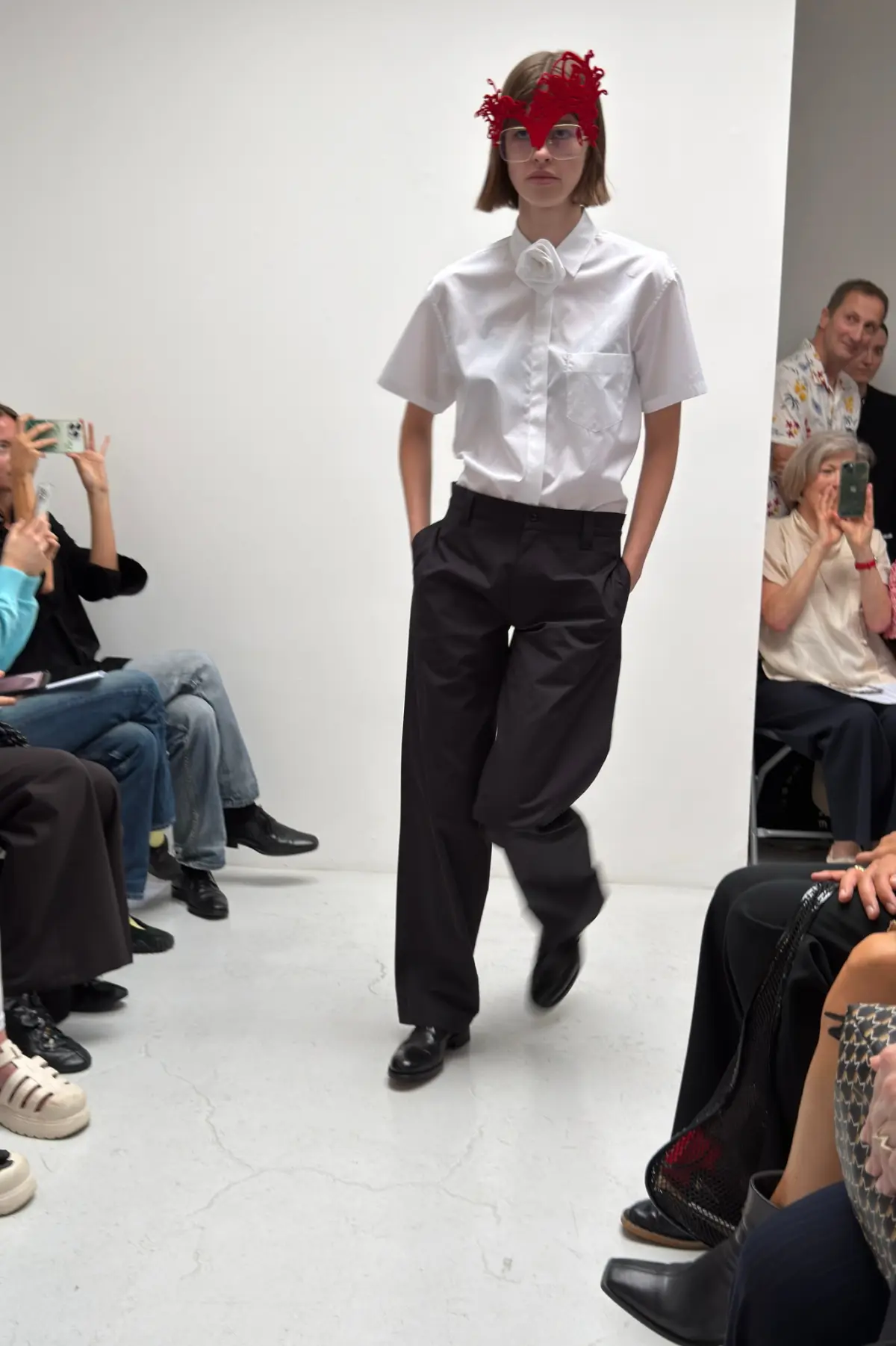
For this season, the design pair opted for an intimately scaled presentation format, featuring a compact cast of just five models. To ensure that their meticulous creations received adequate visibility and maximum airtime within the room, Empringham and Coomes orchestrated a staging choice where each model completed two distinct circuits around the venue. While the strategy was practical given the tight constraints of a five-model ensemble, it also placed every garment under an intense, repetitive magnifying glass, leaving little room for error or distraction as editors and buyers scrutinized the craftsmanship from every possible angle.
Backstage, ahead of the presentation, Freddy Coomes shed light on the conceptual steering of the collection, articulating a desire to pivot toward something more grounded. He spoke earnestly about wanting the new lineup to be firmly rooted in clothes that people can actually wear and enjoy in their everyday lives. On paper, the collection’s blueprint read like a clever, subversive twist on archetypal British staples—a recognizable survey of working-class and utilitarian garments reimagined through a contemporary fashion lens. The mood board and design notes referenced classic pieces such as the traditional donkey jacket, vintage men’s chinos, the quintessential Ben Sherman gingham shirt, and heritage St. Michael’s underwear, to name just a few foundational elements.
Accompanying these familiar British archetypes were various DIY-inspired construction details that sounded genuinely intriguing during the preview stages. The design descriptions promised an inventive juxtaposition of textures and techniques, including decorative zigzag stitches accenting underwear elastic, raw-edged transparent jersey panels, and delicate calico fabric spliced intricately into rich silk. These theoretical elements suggested a collection that would successfully balance deconstructed cool with accessible, everyday wearability, signaling a maturation of the brand’s identity.
In reality, however, the execution struggled to match the ambition of the initial premise, and the ensemble ultimately came across as noticeably unfinished. Rather than achieving a chic, effortless deconstruction, key pieces suffered from baffling structural compromises. For instance, traditional slipdresses were re-envisioned in boxy, unstructured shapes that lacked the necessary internal support, resulting in necklines that floated uncertainly and awkwardly against the body. Elsewhere in the collection, the technical execution faltered further; pocket linings peeked out unintentionally from beneath hems and seams, and various hemlines were left in a state that looked less like deliberate raw-edge styling and more like half-unstitched neglect.
These construction shortcomings were compounded by design choices that directly contradicted the creators’ stated intentions. Most notably, the incorporation of transparent backs that left virtually nothing to the imagination completely belied the design duo’s professed pursuit of realistic, everyday clothing. Instead of grounding the garments in practical utility, these sheer panels pushed the collection back into the realm of impractical, high-concept runway artifice. Furthermore, the heavily touted source wardrobe—the classic British staples that were supposed to anchor the collection in recognizable heritage—remained largely out of sight, obscured or overridden by the confusing array of experimental treatments and erratic paneling.
Compounding these design missteps was the conspicuous absence of the diaphanous charm that had defined the label’s previous outing just a season prior. That earlier collection had won praise for its ethereal lightness and cohesive vision, setting high expectations for the follow-up. Instead of delivering what Coomes had optimistically described backstage as a "really nice step forward" for the brand, the latest presentation resulted in a collection that noticeably stumbled. By failing to bridge the gap between their grounded intentions and their erratic execution, Empringham and Coomes left observers wondering how a label with such clear conceptual direction lost its footing along the way from the studio table to the runway.