When visitors step across the threshold of the newly renovated L.L. Bean flagship in Freeport, Maine, the very first sight greeting them is not a rack of the brand’s signature field coats or a display of its iconic duck boots. It is fish.
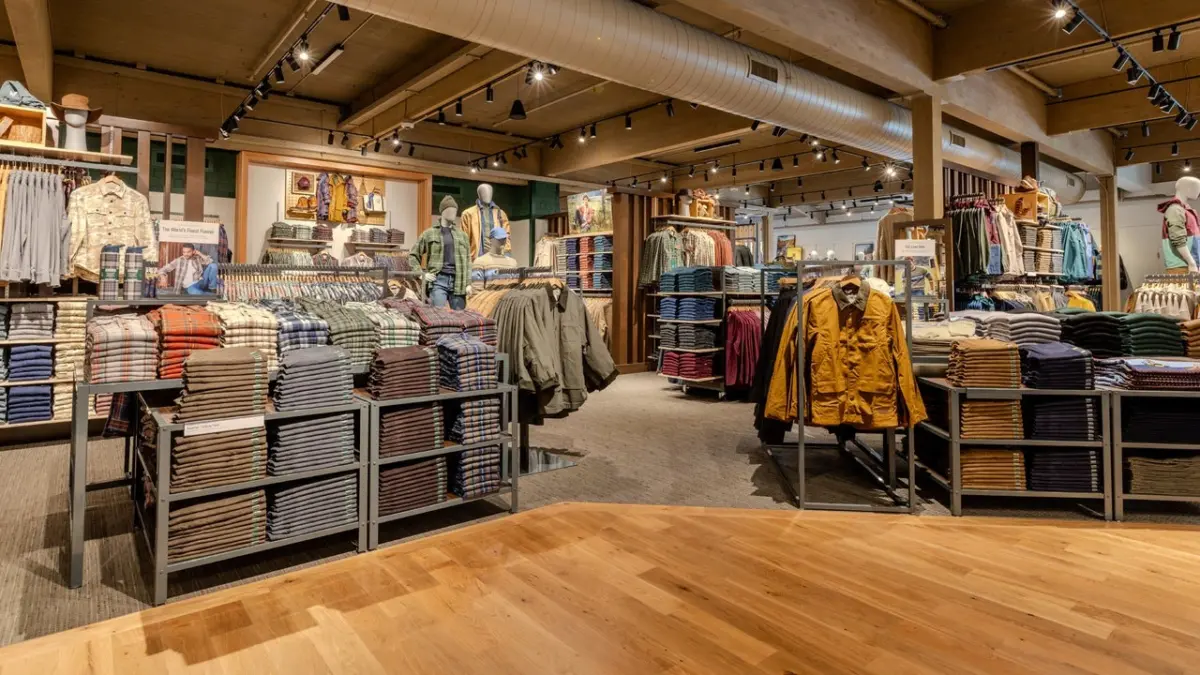
Spanning a massive 160,000 square feet—an expanse nearly equivalent to three football fields—the reimagined store greets shoppers with towering, multilevel aquariums stocked with native Maine trout. Instructors from the company’s nearby outdoor education center can be found conducting live fly-fishing demonstrations right on the floor. As visitors ascend the entryway’s grand staircase, they encounter a specialized pond exhibit featuring acrylic view ports. Here, children and curious adults alike can pop their heads inside a glass bubble to come face-to-face with a live trout swimming just inches away.
For a legacy brand deeply rooted in mail-order history and practical outdoor gear, this ambitious overhaul represents a radical redefinition of what a physical store can and should be. The project is the result of a five-year planning process followed by two years of active construction, culminating in a $50 million investment. It is an emphatic statement by company leadership that the future of retail must offer something far more compelling than what can be achieved with a simple tap on a smartphone screen.
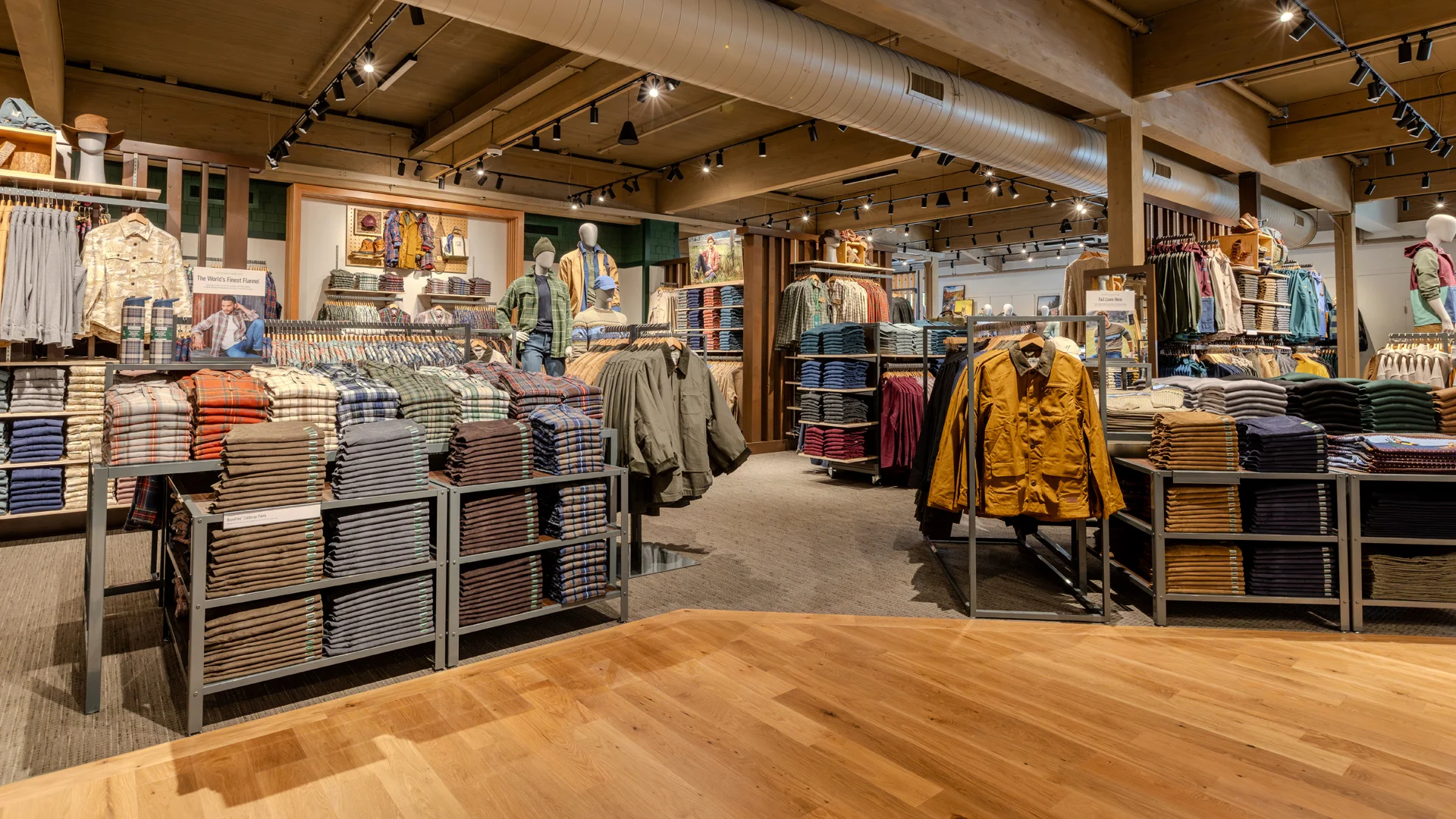
"We’ve concentrated all of our efforts on creating just a one-of-a-kind, must-visit retail destination," says Greg Elder, L.L. Bean’s chief executive officer, as he guides a tour through the expansive new location. "We want customers to go home with the satisfaction of thinking: I didn’t just buy something that solves a problem in my life. I learned something, I experienced something, I got to do something."
In an era defined by the rapid acceleration of artificial intelligence, automated digital shopping carts, and frictionless e-commerce transactions, L.L. Bean is making a calculated, contrarian bet. The company is wagering that modern consumers are increasingly starved for tangible, real-world experiences and will actively gravitate toward low-tech destinations that engage all five senses. By transforming a traditional retail environment into an immersive, amusement-park-like attraction, the brand is attempting to make ordering items via digital payment methods feel distinctly ordinary, even for its traditionally practical customer base.
The Reluctant Retailer
Long before this multiyear overhaul brought high-concept interactive features to Freeport, the flagship location was already a powerhouse of tourism. The store historically attracted upwards of four million visitors annually, transforming the sleepy coastal Maine town into the state’s second most-visited tourist attraction, trailing only Acadia National Park. With the completion of these dramatic new interactive features, L.L. Bean is betting that millions more travelers and outdoor enthusiasts will make the pilgrimage to coastal Maine.
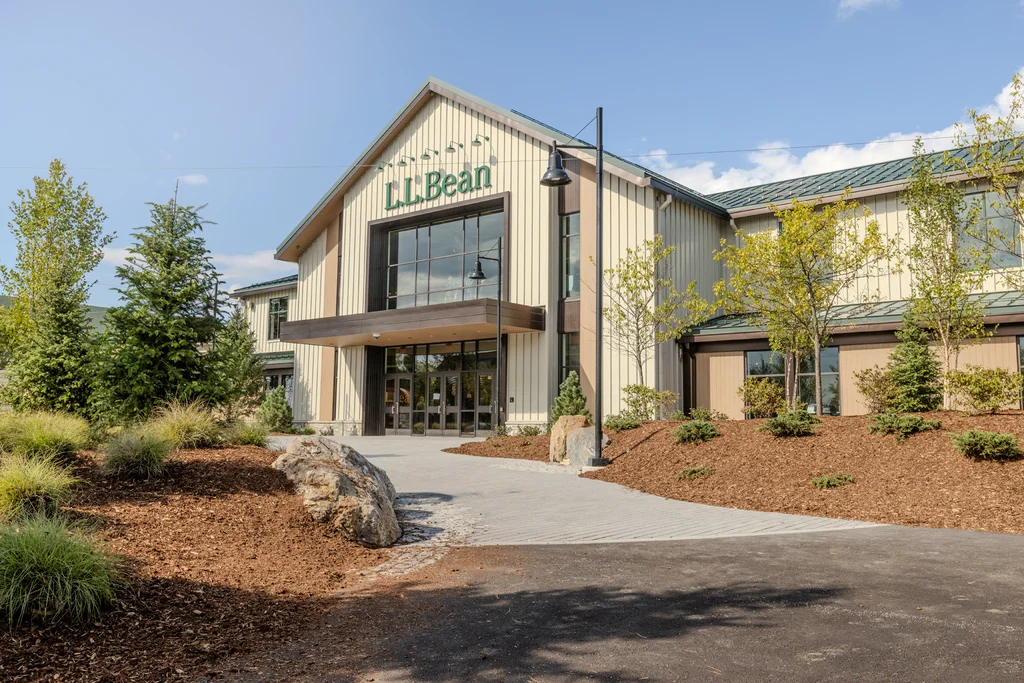
The newly unveiled flagship represents the single most ambitious financial and strategic investment in L.L. Bean’s 114-year history. Established in 1912 by Leon Leonwood Bean, the company has famously maintained its private, family-owned status across generations. Today, the executive board chairman is Shawn Gorman, a representative of the fourth generation of descendants carrying on the founder’s legacy. Industry estimates place the privately held outdoor apparel and gear maker’s annual revenue at approximately $1.7 billion, supported by a dedicated workforce of 5,700 year-round employees.
The massive undertaking of redesigning the Freeport flagship was spearheaded by CEO Greg Elder. Before stepping into the top executive role, Elder spent nearly two decades directing the company’s brick-and-mortar operations, steadily climbing the corporate ladder from vice president of stores to chief retail officer.
Elevating a seasoned retail strategist to the highest executive office underscores L.L. Bean’s fundamental conviction that physical store experiences are not a relic of the past, but rather the cornerstone of its future growth strategy. The company’s commitment to the brick-and-mortar channel extends well beyond its Maine roots; this year alone, L.L. Bean is slated to open eight new retail locations, with an additional 10 stores already scheduled to open their doors next year.