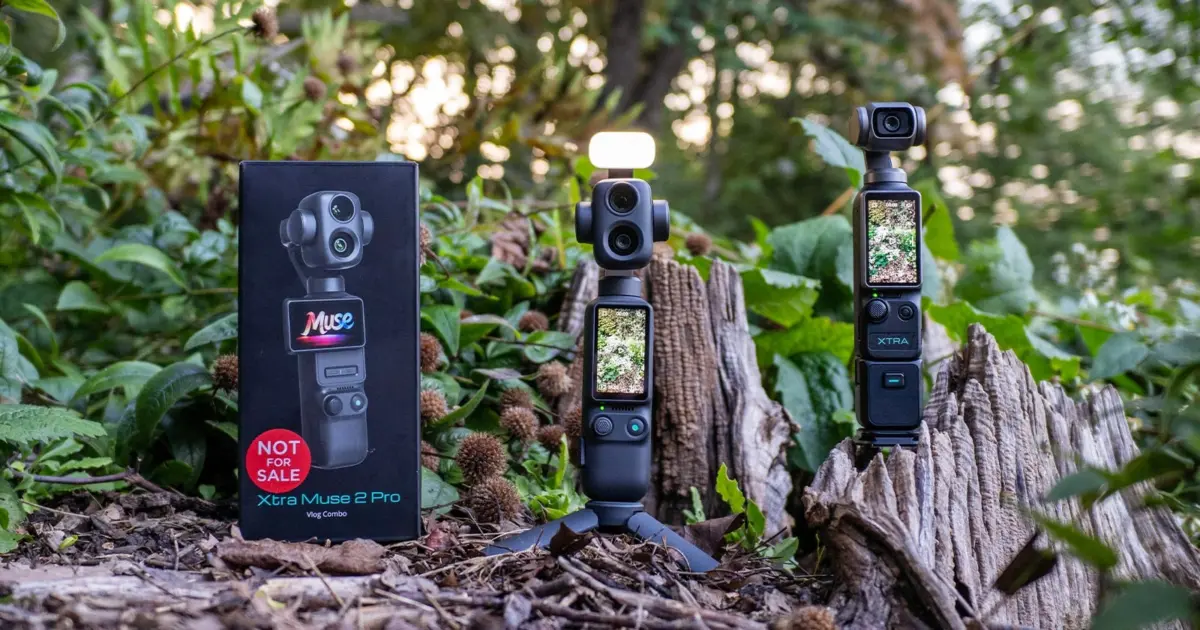
The Xtra Muse 2 Pro is not currently available for purchase in the United States, yet a small number of units have found their way into the country under unusual circumstances. Securing one of these pocket gimbal cameras requires navigating a complex intersection of creator-marketing programs and escalating federal regulatory scrutiny.
The path to acquiring this unreleased hardware began in May, when Xtra launched its "100 Creators for Xtra Muse 2 Pro" program on Instagram. Photographers and digital creators were invited to share their work, tag the company, and recommend peers for inclusion. By June, selections were finalized, and chosen participants were also bestowed with the title of "Xtra Aesthetic Master"—a designation the company used to recognize creators demonstrating a distinct eye for mood, light, and style.
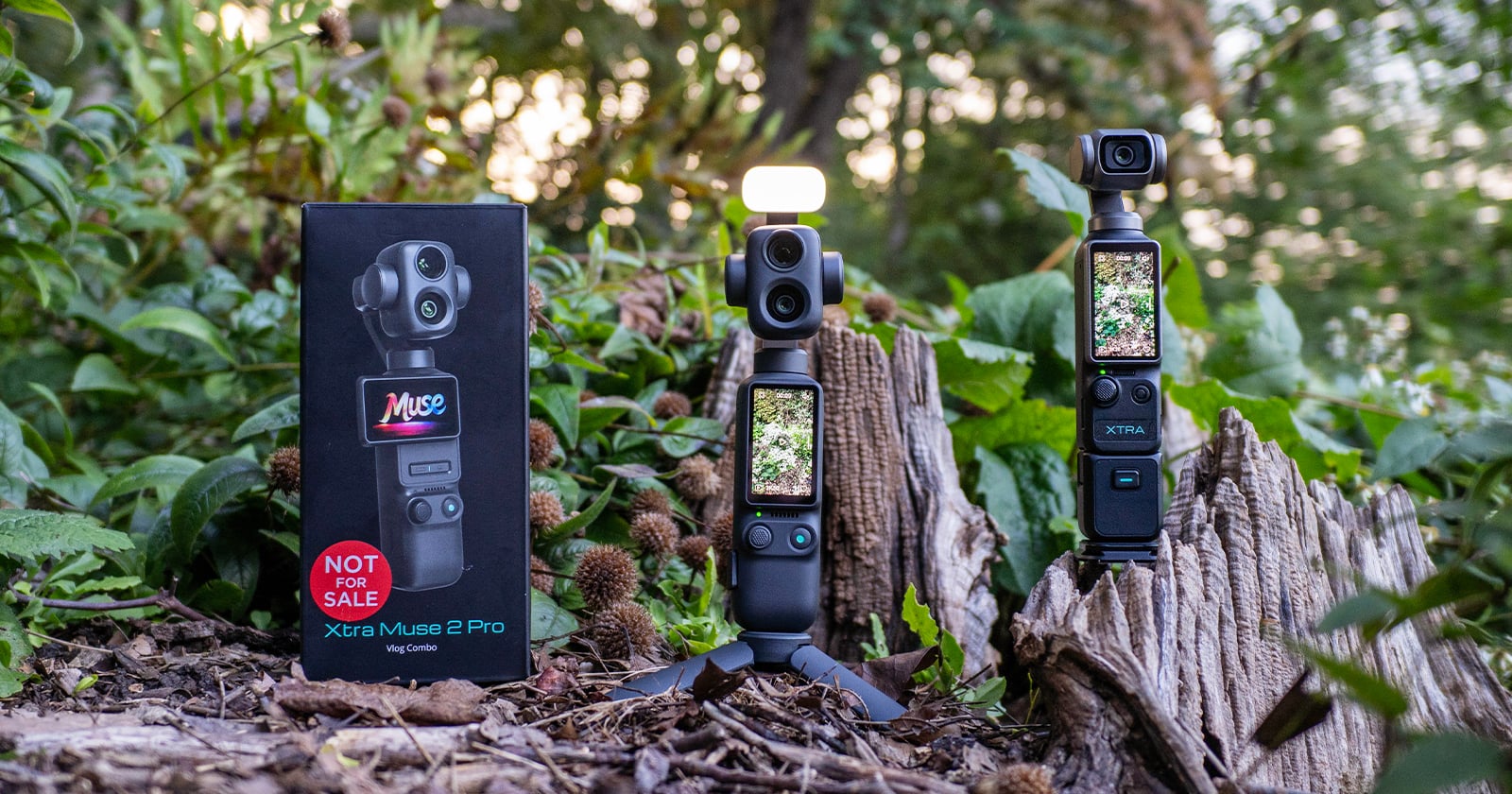
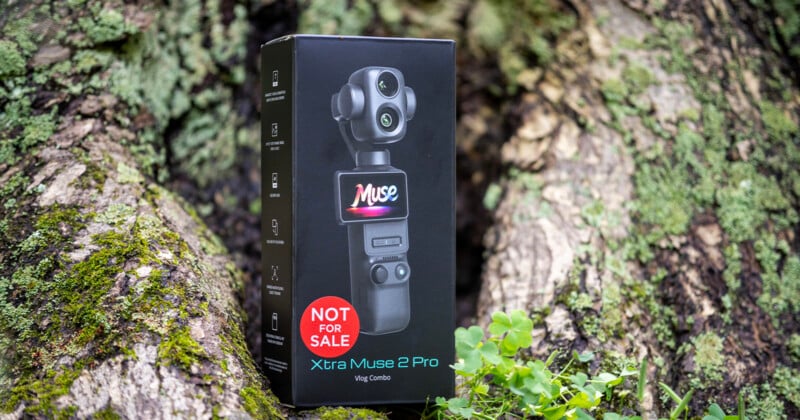
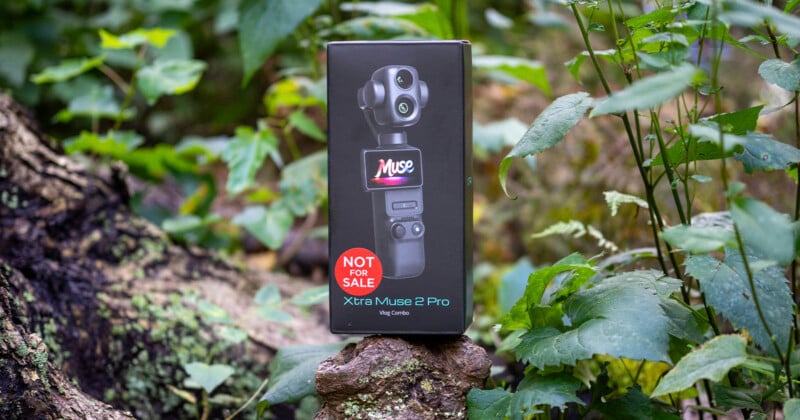
At the outset, the timeline appeared straightforward. Xtra heavily promoted the Muse 2 Pro as an impending dual-lens pocket gimbal camera with a planned U.S. commercial launch. However, mounting regulatory hurdles threw those plans into disarray, leaving participants to spend months utilizing the first-generation Muse while waiting for the promised hardware upgrade. When the Muse 2 Pro finally landed on doorsteps, it arrived carrying a striking caveat: a prominent red sticker plastered across the packaging reading "NOT FOR SALE." While recipients have no intention of parting with their units, the wider American consumer base remains entirely locked out from purchasing the device.
How the Creator Program Brought the Muse 2 Pro to the U.S.
When Xtra first publicized its creator initiative in late May, the strategy was designed to generate organic momentum ahead of a wide commercial release. Selected applicants were expected to transition seamlessly into testing and showcasing the new hardware. For many professionals accustomed to carrying bulky interchangeable-lens systems, the appeal of a pocketable mechanical gimbal camera was immediate. Such devices bridge a distinct functional gap, offering stabilization and portability for travel diaries, behind-the-scenes documentation, and rapid video clips where deploying heavy professional rigs is impractical.
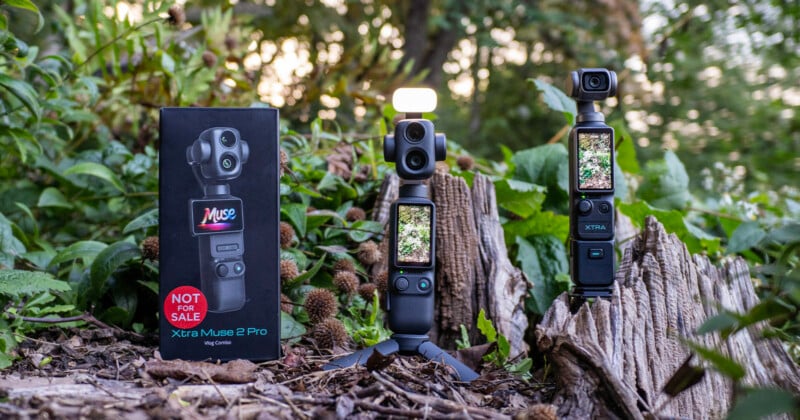
For outdoor and adventure photographers, the promise of automated subject tracking opens entirely new storytelling avenues. Documenting demanding expeditions—such as photographing brown bears while navigating frigid Alaskan rivers, tracking owls through Canadian blizzards, or car camping across the rugged landscapes of Iceland—typically demands absolute focus on primary wildlife and landscape compositions. Operating a secondary camera simultaneously is rarely feasible. A gimbal system capable of autonomously tracking a creator introduces a reliable method for capturing firsthand narrative footage without disrupting the primary photographic workflow.
Furthermore, the Muse 2 Pro’s dual-camera architecture separated it from standard pocket video devices. Rather than relying exclusively on a single wide-angle perspective, the hardware integrates a secondary telephoto lens, granting users the ability to shift focal lengths dynamically without swapping physical gear. Yet, translating these ambitious hardware goals into a smooth American product rollout proved exceedingly difficult.
Regulatory Headwinds and the U.S. Market Status
During the initial phase of the creator rollout, Xtra maintained aggressive marketing for the Muse 2 Pro in the U.S., even initiating an Early Bird reservation system that asked customers for a refundable $20 deposit ahead of an anticipated late July launch. That momentum halted abruptly in mid-summer. Xtra suspended the Early Bird initiative and initiated a round of deposit refunds, citing an inability to confirm a reliable distribution timeline. No subsequent U.S. release date has been provided.
This operational pivot closely tracked escalating scrutiny from the Federal Communications Commission. The FCC launched an investigation into Xtra as part of a broader regulatory initiative targeting entities accused of importing technology linked to restricted DJI product lines. Consequently, the agency proposed financial forfeitures against Xtra alongside measures to restrict the ongoing importation and marketing of specific equipment. These actions represent an ongoing administrative process rather than an immediate, total ban on every legacy Xtra device currently in circulation.
Indeed, Xtra has maintained sales and support for its previously established product catalog in the U.S. while engaging with the FCC to resolve outstanding administrative questions regarding future hardware. Nevertheless, the practical reality for the Muse 2 Pro remains unambiguous: American consumers cannot place standard retail orders, and the official release window is entirely indefinite.
Unboxing a Restricted Device
The arrival of the Muse 2 Pro underscored the peculiar regulatory limbo surrounding the hardware. Having spent months familiarizing themselves with the first-generation Muse, creators had established a baseline understanding of Xtra’s ecosystem before unboxing the Pro variant. Yet the packaging itself immediately telegraphed the anomalous status of the shipment.
The bold red "NOT FOR SALE" warning stamped across the box serves as a physical manifestation of the device’s unusual standing. These units bypassed standard commercial retail channels entirely, distributed solely through promotional creator pipelines at a time when standard U.S. distribution channels had effectively frozen.
Hardware Capabilities and Dual-Camera Design
From a technical standpoint, the Muse 2 Pro is built around a robust three-axis mechanical gimbal supporting an advanced dual-lens imaging array. The primary camera houses a 1-inch CMOS sensor paired with an f/2.0 aperture, providing a 20mm-equivalent wide-angle perspective. This larger sensor format delivers a distinct optical advantage over the diminutive sensors typically integrated into standard action cameras and smartphones, particularly when ambient light levels deteriorate.
Complementing the primary wide lens is a secondary telephoto camera offering roughly 3x optical reach, translating to a 60mm-equivalent focal length. For traveling creators, the capacity to transition seamlessly between wide and tight perspectives within a single pocket-sized chassis offers substantial versatility. Video specifications are equally aggressive, supporting 4K recording at up to 240 frames per second alongside a 10-bit X-Log 3 profile engineered to capture up to 17 stops of dynamic range. Internal storage is generous, featuring 103GB of built-in capacity to supplement external memory cards.
These sophisticated specifications, however, also mirror the structural design philosophies seen in recent high-end pocket gimbal systems from established market leaders like DJI. Such design overlap heavily influenced the trajectory of regulatory inquiries, as federal investigators examine the underlying technology and supply chains associated with imported hardware. Interestingly, the Muse 2 Pro secured formal FCC equipment authorization in June, complete with manufacturer attestations confirming compliance at the time of filing. That regulatory clearance ultimately failed to materialize into a commercial storefront launch as corporate timelines shifted under regulatory pressure.
Field Testing the Muse 2 Pro
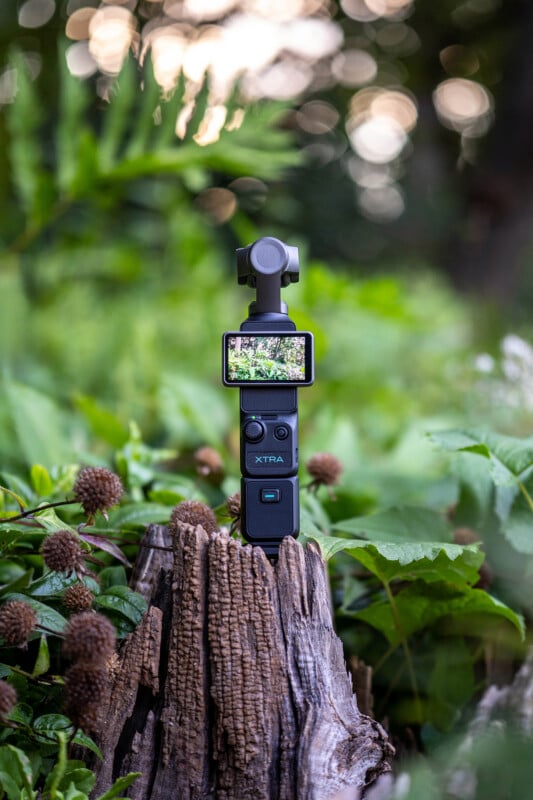
Evaluating the Muse 2 Pro in real-world scenarios reveals a stark physical and functional departure from its predecessor. The integrated dual-lens module expands the dimensions of the gimbal head, lending the upper portion of the device a more substantial footprint. Furthermore, Xtra bundles essential accessories within the kit, including a compact auxiliary light and a mini tripod, positioning the hardware as an all-in-one production ecosystem for solo operators rather than a standalone standalone camera.
Performance testing highlights exceptionally responsive autofocus mechanics and robust subject tracking algorithms. When subjects momentarily exit the frame, the tracking system re-engages and locks back onto the target with minimal latency, facilitating fluid self-recording without requiring manual intervention. Low-light performance similarly exceeds expectations for a pocket form factor. Field excursions stretching into twilight demonstrate that usable dynamic range remains high, rendering clean shadow transitions and controlled noise levels as ambient illumination fades.

While extreme darkness occasionally pushes the autofocus system to its limits—requiring manual adjustment akin to the operational thresholds of full-scale mirrorless systems—the overall fidelity surpasses standard smartphone video output. Natural optical depth-of-field and smooth background falloff evoke the characteristics of traditional interchangeable-lens cameras rather than the artificial digital bokeh frequently produced by mobile software algorithms.
For solo content creators navigating environments where deploying a heavy mirrorless rig is impractical, the Muse 2 Pro bridges convenience and high-end aesthetic performance. Whether capturing casual travel footage, documentary behind-the-scenes clips, or dynamic vlogging segments, the device delivers polished results straight out of the camera without demanding exhaustive post-processing workflows.

At present, however, the broader American market remains entirely excluded from these capabilities. Xtra indicates that ongoing dialogues with federal regulators continue in pursuit of a viable path forward for U.S. distribution, but no concrete timeline has been established. Until those regulatory hurdles are cleared, the Muse 2 Pro remains an elusive piece of technology—widely discussed across digital platforms, yet strictly unavailable to retail buyers nationwide.