The global design calendar is experiencing an unprecedented crunch as the year draws to a close, driven by rescheduling efforts and shifting industry schedules. Major events, such as Design Doha—which opened its doors earlier this month rather than its traditional April window—have been repositioned as the broader design community navigates a period of global uncertainty to find the most opportune times for gathering and collaboration. This reshuffled timeline has kept design desks exceptionally busy over the past few weeks, bringing critics, curators, and journalists into direct contact with makers, visionaries, and architects at landmark events spanning the Middle East and Europe.
Amid this bustling program of exhibitions and fairs, a distinct thematic thread has emerged. The pieces capturing the most attention are those centering on urgent questions of climate adaptation and the integration of ancient customs into modern life. Whether through radical architectural theories, adaptive domestic objects, or historic industrial spaces repurposed for contemporary collecting, the international design community is actively reassessing how the built environment responds to shifting ecosystems and evolving cultural needs.
Adaptation at Dubai Future Week, Dubai
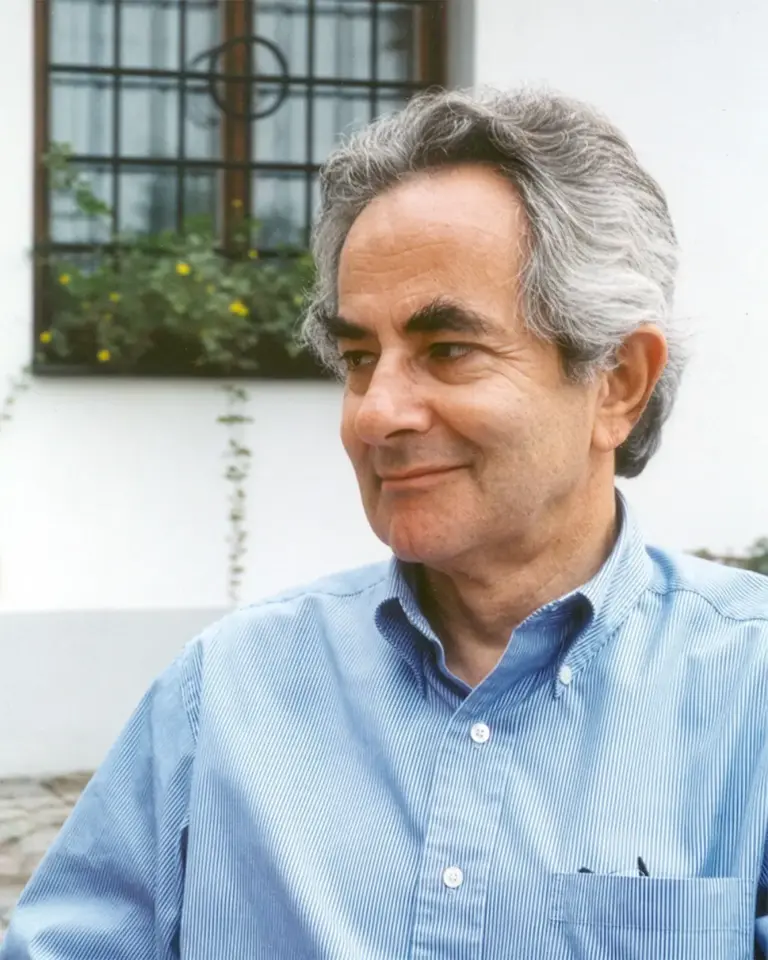
The dialogue around environmental resilience took center stage at Dubai Future Week, where Monocle Radio established a live pop-up broadcasting studio. The event brought together leading thinkers, innovators, and cultural figures to explore how rapid technological and cultural shifts are fundamentally reshaping humanity. Among the prominent voices in the lineup was leading architect and curator Carlo Ratti, whose insights drew deep connections between historical architectural philosophy and modern ecological challenges.
Reflecting on the foundational purpose of the built environment, Ratti pointed to the work of Marc-Antoine Laugier, an 18th-century French Jesuit priest and architectural theorist. Laugier famously suggested that architecture is fundamentally a response to climate. Expanding on this historic premise, Ratti noted that architecture truly begins when the climate is working against us, framing the discipline not merely as an aesthetic pursuit, but as a core mechanism for human survival. As ecosystems experience rapid and unpredictable changes, the modern built environment is increasingly viewed as our primary tool for ecological adaptation.
Considered Collecting at Nomad, Abu Dhabi
The intersection of industrial heritage and contemporary collecting took physical form at Nomad, the international design fair returning for its second outing in Abu Dhabi. Set against the striking backdrop of Zayed International Airport’s decommissioned Terminal 1, the venue provided a slower, more deliberate entry point into the world of collectible design. Moving away from the conventional white-cube gallery format, the modernist architecture of the decommissioned terminal offered a dramatic, highly textured setting that demonstrated how interior architecture and collectible furniture can actively influence the viewer’s experience of one another.
This deliberate contrast between venue and displayed work was a defining philosophy of the event. Nicolas Bellavance-Lecompte, co-founder of Nomad, emphasized the necessity of spatial juxtaposition when showcasing high-end design objects. Without that element of surprise, he noted, an exhibition risks feeling like nothing more than a beautiful building with objects simply placed inside it. By utilizing the raw, mid-century architecture of the abandoned terminal, the fair created an immersive dialogue between the bones of the building and the experimental creations housed within its halls.

Reinvent yourself with Molteni, Lombardy
In Europe, the focus turned toward the evolution of industrial production and manufacturing prowess. The Italian furniture brand Molteni unveiled its newest exhibition, titled Materialized: Ideas in Matter, curated by Ron Gilad at the company’s museum in Lombardy. For this ambitious project, a roster of celebrated designers associated with the brand—including Michael Anastassiades, Naoto Fukasawa, Patricia Urquiola, and the renowned architecture firm Herzog & de Meuron—was invited to revisit one of their existing designs in close collaboration with Molteni’s manufacturing specialists.
The resulting works highlight the reality that designers do not operate within a time capsule. By enhancing existing forms, exaggerating functions, altering proportions, and in some cases assigning entirely new purposes to classic pieces, the exhibition served as a powerful reminder of how design must continuously respond to changing variables. These include everything from modern consumers’ shifting spatial demands in urban environments to the remarkable advancements made possible by improved manufacturing techniques over time.
Tell a story with JLL, Madrid
Storytelling and emotional resonance proved to be vital criteria in the evaluation of commercial and retail spaces. Serving as part of the judging committee for property firm JLL’s internal design awards, design critics evaluated projects based on their ability to weave narrative depth and emotional connection with practical spatial layouts and human circulation patterns.
A standout example from the submissions was the firm’s design scheme for the On running shop in Tokyo. The project deftly deployed the traditional Japanese aesthetic principle of shakkei, or "borrowed view." By carefully framing sightlines through the office and retail environments, the design successfully guided the movement of employees and guests alike, while simultaneously paying a sophisticated homage to the country’s deep-rooted design traditions.
Rethinking heritage at Design Doha, Doha
The exploration of heritage and regional identity found its most expansive expression at Design Doha, an event running through January 2027 that functions as a vibrant celebration of regional culture. Drawing in creatives from across the Middle East, North Africa, and South Asia, the exhibition showcases a dual focus among contemporary exhibitors. While many creators are actively addressing urgent climate issues and the pitfalls of modern industrial production, a significant number are simultaneously investigating how ancient regional customs can be thoughtfully adapted to contemporary lifestyles.
A compelling illustration of this trend is the work of designer Reema Abu Hassan, who presented a modular coffee table specifically engineered to expand and contract depending on the number of guests present and the physical dimensions of the room. By introducing physical flexibility into traditional spaces, the piece reinterprets the social rituals surrounding the regional karak tea ceremony, ensuring that ancient hospitality customs remain entirely relevant within modern, dynamic domestic environments.