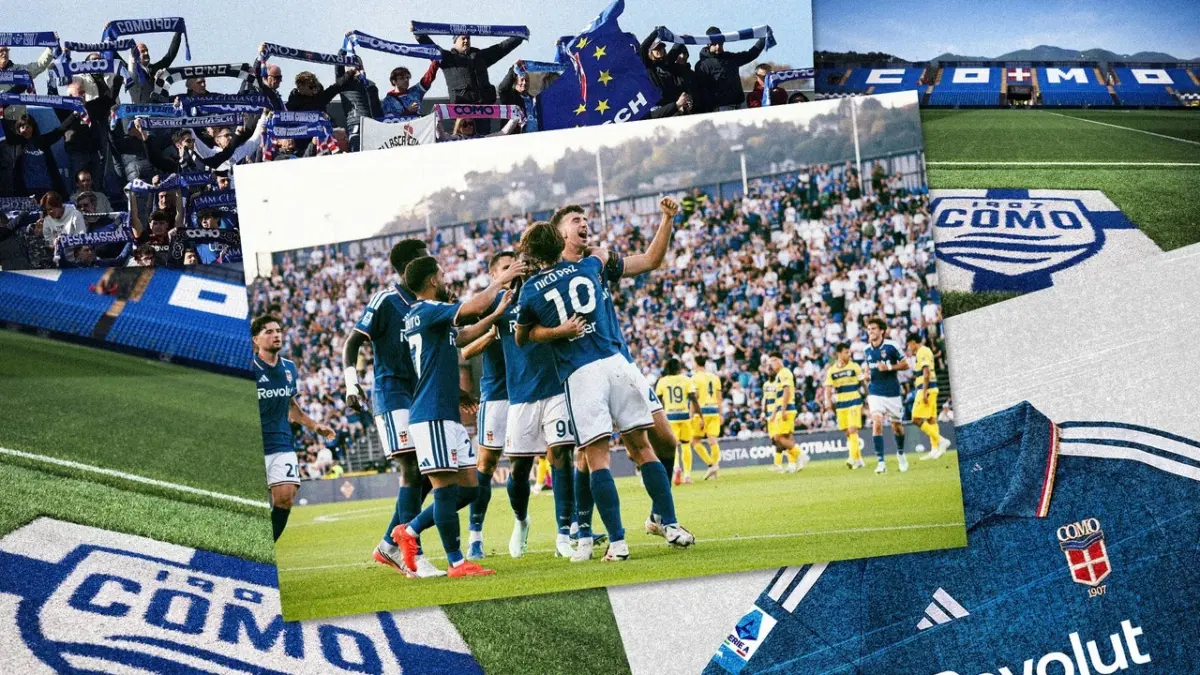
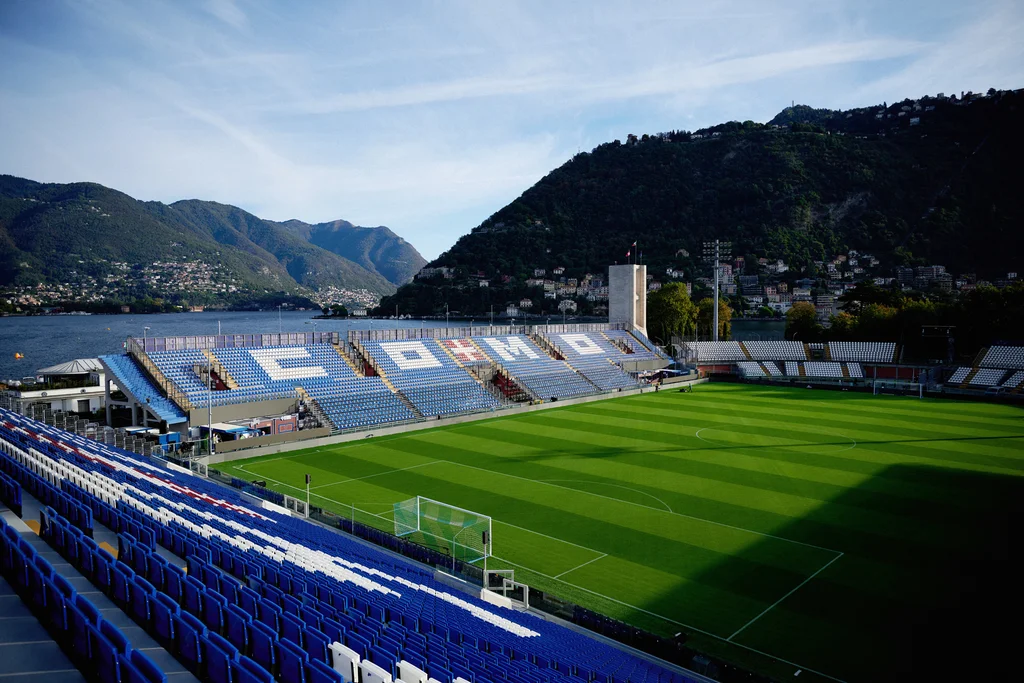
Nestled against the picturesque shores of Lake Como in northern Italy, the town of Como is home to just 85,000 residents, a scenic backdrop where Hollywood royalty frequently spend parts of their year. Yet, this idyllic setting houses a soccer club with ambitions that stretch far beyond its local borders. Como 1907 operates a stadium holding only 12,000 spectators, making its home ground look remarkably like a school playground when placed next to Real Madrid’s colossal 83,000-capacity Santiago Bernabéu. Despite the stark contrast in physical scale, the owners of Como—Indonesia’s billionaire Hartono family—harbor ambitions to beat Real Madrid, alongside other elite European institutions like Paris Saint-Germain, Arsenal, and Bayern Munich.
These lofty aspirations are not necessarily tied to immediate dominance on the pitch, even though the club reached a historic milestone this year by qualifying for the UEFA Champions League, widely regarded as the premier club competition in Europe and the global game. Instead, Como’s president, Mirwan Suwarso, wants to transform the modest team into an unprecedented financial powerhouse. Because Como will never be able to match the staggering television broadcast revenues and ticket sales generated by Europe’s historical giants, leadership is attempting to outgrow them fundamentally as a lifestyle and entertainment brand. In Suwarso’s vision, Como should play in Disney’s league, not merely the Champions League.
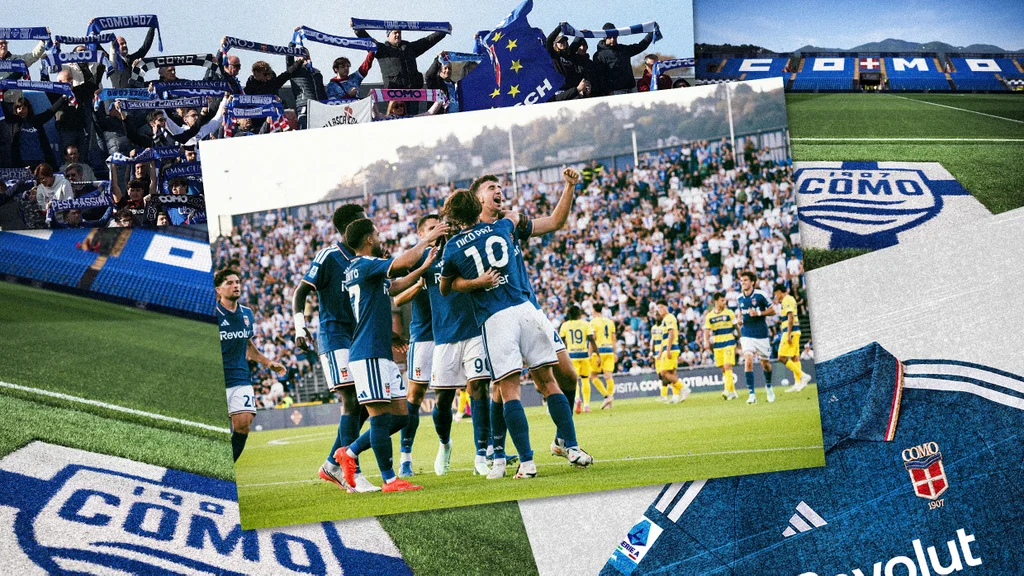
Suwarso views the sport of soccer primarily as the core attraction of a much larger ecosystem. Explaining this philosophy to The Observer in October, he likened the business model to traditional entertainment conglomerates. There is a merchandise arm, much the same as Disney, while the stadium and the act of attending a live match function as a physical theme park. It is designed to be the space where fans can touch, feel, and directly experience the magic of the Como brand.
This diversified approach is already yielding rapid transformations. Suwarso expects non-soccer revenue to completely overtake traditional soccer revenue within the next two or three years, and the club is already valued at an impressive $1.1 billion. Como has systematically established a robust fashion and hospitality business. Observers of contemporary culture may have regularly spotted global A-list celebrities sitting in its stands, images of which circulate widely across social media platforms like Instagram. The club actively sells match-day hospitality packages centered around rented lakeside villas, while its network of sister companies operates an integrated travel agency, a property development arm, a youth academy, and a dedicated digital-content production unit. Eventually, the organization plans to offer far more as the footprint of the brand expands globally.
Como’s latest strategic maneuver in its quest for financial independence centers around athletic kits and merchandise. Adidas, the current manufacturer of the team’s game jerseys and shorts, pays no direct sponsorship fee to Como, a reality that stands in sharp contrast to the arrangements enjoyed by the world’s elite teams. Major European clubs like Real Madrid secure roughly $139 million a year on average from their respective kit partnerships. In addition to that guaranteed base figure, Real Madrid receives a lucrative 22.5% cut on anything bearing its brand sold through Adidas retail and digital channels once sales surpass a pre-determined financial threshold, alongside substantial performance bonuses for capturing major titles such as the Champions League or Spain’s domestic league, La Liga. Como, much like the vast majority of professional soccer clubs, receives none of these supplementary revenue streams.
Instead, traditional club agreements dictate that Como and similarly sized teams receive a designated supply of athletic gear for their squads. For Como, that translates to roughly $300,000 to $400,000 worth of equipment annually, which likely costs the manufacturer around $100,000 to produce, according to Suwarso. He points out the inherent financial imbalance of the arrangement, noting that the club simultaneously needs to purchase millions of dollars worth of kits from Adidas to resell to its growing fan base. From those retail sales, the club receives only a modest cut. Suwarso has expressed the view that this traditional business model is fundamentally upside down for smaller clubs operating outside the sport’s traditional aristocracy. Adidas declined to comment when contacted for this story.
The proposed solution from Como’s leadership is to vertically integrate the entire commercial chain, taking control of everything from the initial shirt design down to the final retail shop shelf. Furthermore, the club intends to share this comprehensive design, manufacturing, and distribution infrastructure with other small clubs so that they, too, can capture a much larger share of the economic value they generate.