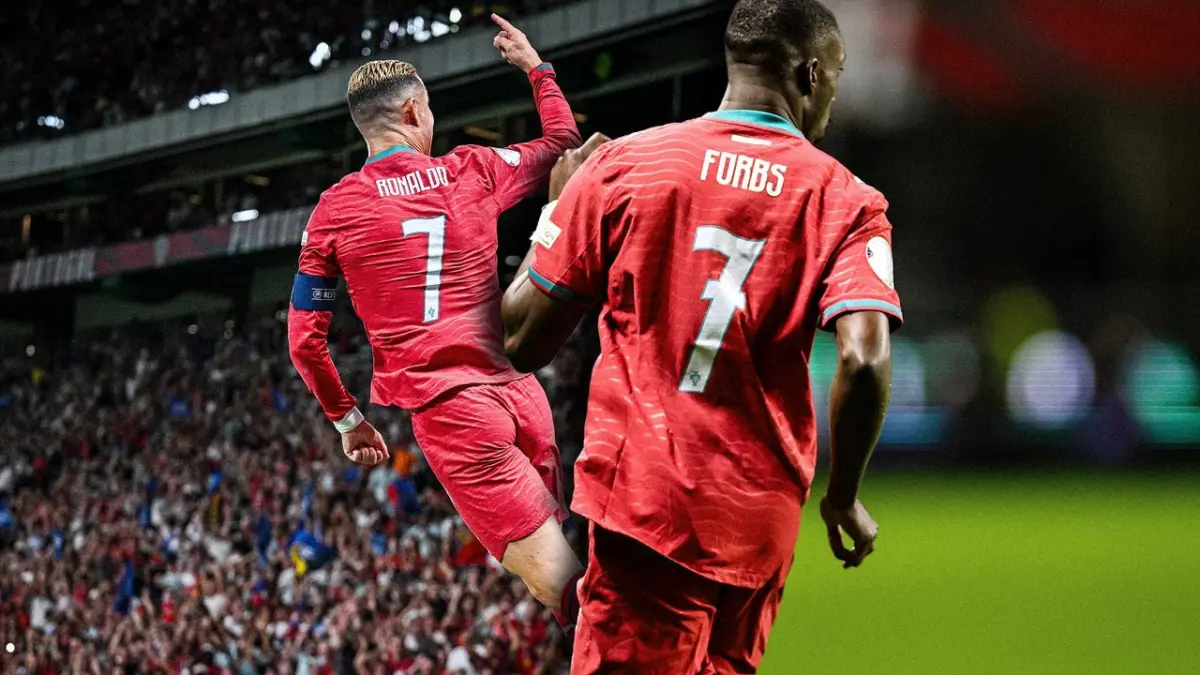
The Portuguese Football Federation faced an unusual bureaucratic hurdle when it sought to honor legendary soccer player Cristiano Ronaldo following his retirement from international play earlier this month: strict global governing rules prevent teams from retiring specific player numbers. Unable to permanently shelve the iconic No. 7 jersey that Ronaldo wore during his historic 19-year tenure as captain of the national team, the federation turned to a clever design solution instead. Rather than retiring the number outright, the team introduced a specialized font featuring a distinct cross stroke through the digit, creating a permanent visual tribute that respects international tournament regulations while setting Ronaldo’s legacy apart for all future players who inherit the number.
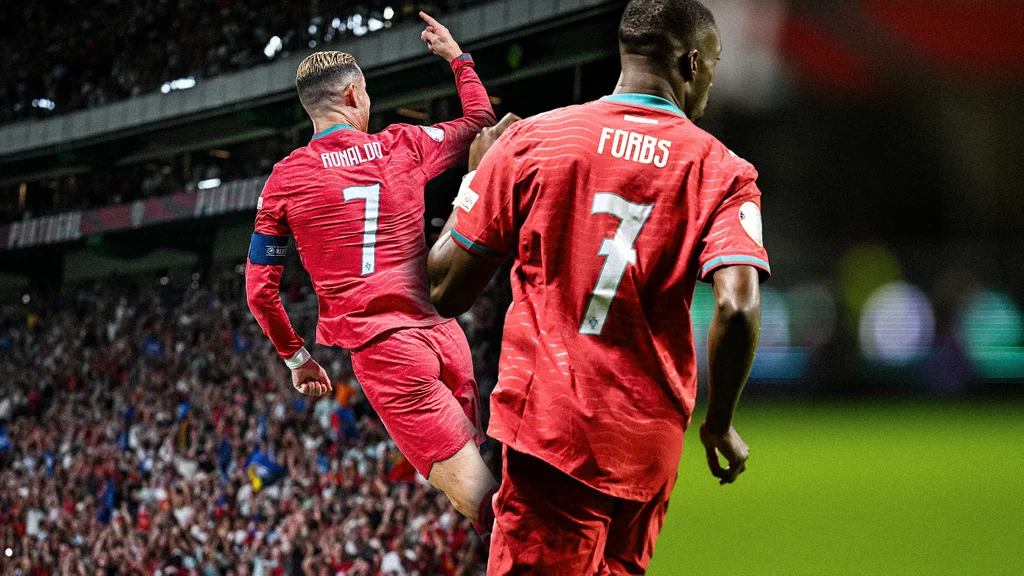
The transition and tribute unfolded during Portugal’s match against Denmark, which marked the squad’s first outing since Ronaldo’s retirement earlier in the month. Before kickoff, the entire Portuguese team stepped onto the pitch wearing commemorative “Ronaldo 7” jerseys featuring the traditional, classic style of the number to pay homage to the forward’s monumental career and unmatched leadership. Once the whistle blew and the match officially commenced, Portuguese player Carlos Forbs took the field wearing the newly redesigned kit, showcasing the modified cross-stroke 7 that will now become a permanent fixture for whichever player is assigned the number moving forward.
In an official statement regarding the design change and the tribute, the team emphasized the symbolic weight of the decision, noting that the typographic alteration serves as yet another way to immortalize the meaning of such a special number and honor the enduring legacy it represents in Portuguese sports history.
The practice of retiring numbers is a long-standing tradition across many professional sports leagues and North American franchises, where teams frequently take a number out of circulation entirely to honor legendary athletes who transformed their respective games. Major League Baseball set a monumental precedent in 1997 when it retired the No. 42 across the entire league to honor Jackie Robinson, the historic pioneer who broke the sport’s color barrier and earned National League MVP honors. Similarly, the National Hockey League retired the iconic No. 99 in the year 2000 for Wayne Gretzky, recognizing a career filled with scoring records that still stand unmatched across the sport. In the National Basketball Association, franchises frequently hang jerseys from the rafters, such as the Chicago Bulls, who have permanently retired numbers 4, 10, 23, and 33 to honor club legends Jerry Sloan, Bob Love, Michael Jordan, and Scottie Pippen, respectively.
International soccer, however, operates under a vastly different administrative framework governed by FIFA, the sport’s worldwide governing body. FIFA does not afford national teams or individual players the same level of flexibility with squad numbers, particularly during major official tournaments. Regulations mandate that participating national teams must utilize an unbroken sequence of consecutive numbers running strictly from 1 to 26 to accommodate their designated 26-player tournament rosters.
This rigid requirement has previously prevented other major soccer federations from enacting traditional jersey retirements for their own generational icons. When legendary star Lionel Messi retired from international competition with Argentina in October, the Argentine Football Association similarly found itself unable to retire his famous No. 10 shirt. This administrative reality persisted despite remarks made in 2024 by Claudio Tapia, the president of the Argentine Football Association, who publicly expressed a desire to retire the number once Messi stepped away from the national team, only to be blocked by FIFA’s strict roster numbering mandates.
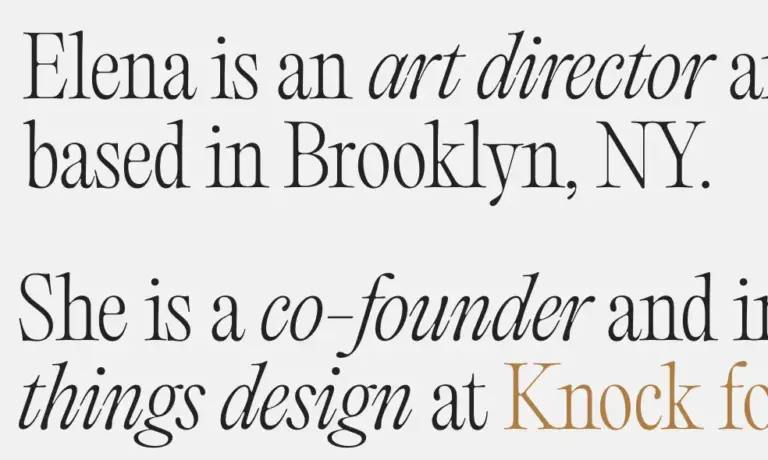
Facing the same regulatory constraints, the Portuguese Football Federation ultimately devised a clever and unconventional work-around to bypass the spirit of the rule without technically violating it. The strategy relies on the sophisticated principles of typography and font design. When a governing body dictates that a specific numerical character must remain in active circulation on a roster, altering the visual appearance of that character offers designers a practical avenue to differentiate it. Modern digital and print typography frequently incorporates alternative characters, or glyphs with multiple design variations, which give designers the flexibility to introduce optional aesthetic elements such as swashes, decorative flairs, or distinct cross strokes on characters like the number 7 or the letter Z.
By incorporating a noticeable cross stroke directly into the design of their standard numerical 7, the Portuguese football authorities successfully navigated the restrictive regulations of international soccer. They engineered a solution that allows them to honor a retired national legend while continuing to use a number that they are technically prohibited from taking out of circulation. Through this fusion of athletic tribute and creative graphic design, Portugal has established a unique precedent in international sports branding, proving that even when administrative rules prevent a team from retiring a number on paper, thoughtful design can ensure a legendary legacy remains permanently marked on the field.