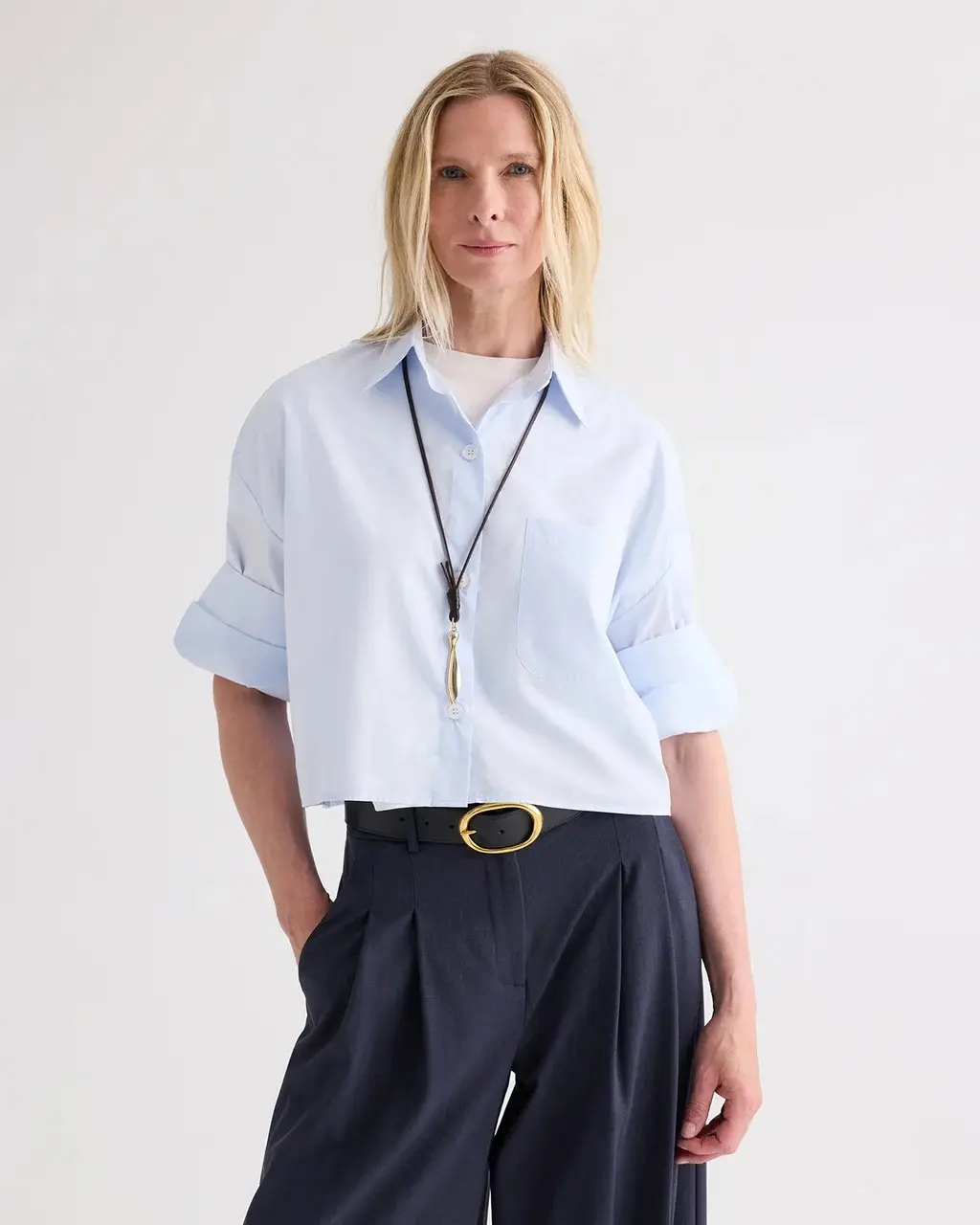
In the turbulent sartorial landscape of the 1870s, visionary tailors operating out of the bustling fashion capitals of London and Paris engaged in a quiet revolution to redesign the most fundamental garment in a gentleman’s wardrobe: the shirt. Up until that definitive era, men had long been accustomed to pulling their shirts clumsily over their heads, wearing a garment characterized by loose, billowing fabric that cascaded unceremoniously all the way down to the waist.
However, innovative shirt makers working in Paris and London—pioneering establishments such as Charvet and Brown, Davis & Co.—began to recognize a shifting tide in consumer preferences. They realized that modern men desired closer-fitting shirts that moved away from cumbersome, untailored volume. The breakthrough moment arrived when these ingenious designers decided to sew buttons all the way down the front of the garment, complementing the closure with carefully darted seams and supportive shoulder yokes. Together, these elements created a sharp, flattering, and tailored fit that completely altered men’s silhouettes. As a final, elegant flourish, they added a stylish collar featuring crisp, pointed tips. And thus, through a combination of utilitarian need and refined tailoring, the modern button-up shirt came into the world.
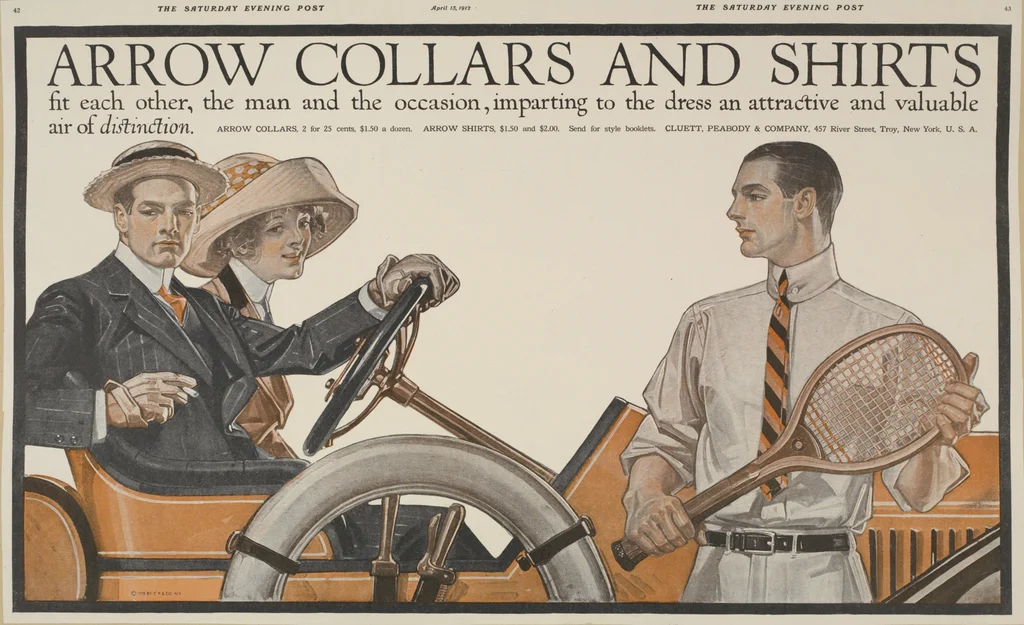
Over the course of the next century, this newly minted garment would steadily evolve to become one of the most iconic, enduring pieces of apparel of the modern era. It was a sartorial choice that effortlessly conveyed good taste, but perhaps more importantly, it communicated an unmistakable message regarding social status and class. A crisp, spotless, and impeccably ironed shirt made it unequivocally clear that the man wearing it did not earn his living through manual labor. Instead, he belonged to the ascendant professional class—the demographic that society would later come to define broadly as "white-collar workers." From the financial hubs of Tokyo and the bustling corporate boardrooms of New York to the sprawling commercial centers of Mumbai, the dress shirt quickly became the universal uniform of the office.
Yet, in a strange and unforeseen historical twist, the shirt’s original primary customers have steadily lost interest in the very garment they helped popularize. Modern polling data from Gallup highlights this dramatic cultural shift, revealing that roughly two-thirds of men now routinely forego traditional office workwear, opting instead for the casual comfort of polo shirts and t-shirts. But even as men’s fashion trends toward increasing informality, the classic button-up has successfully found a vibrant, unexpected new audience: women, who are increasingly choosing to dress more formally and authoritatively even as their male counterparts pivot toward casual comfort.
Market research and digital metrics underscore this profound demographic pivot. According to data from Google Trends, search interest surrounding women’s button-up shirts in the United States has more than doubled since 2019, culminating in April at an impressive 10-year high. Observers note that this timing is unlikely to be a mere coincidence. In a comprehensive study released the previous year, McKinsey & Company found that many major corporations were quietly retreating from their prior commitments to corporate gender equity, leaving female employees with reduced institutional support and significantly fewer clear pathways for professional advancement. As women find themselves forced to continually advocate for themselves in increasingly challenging professional environments, it makes intuitive sense that they are increasingly drawn to a garment that has historically been linked to authority, competence, and power.
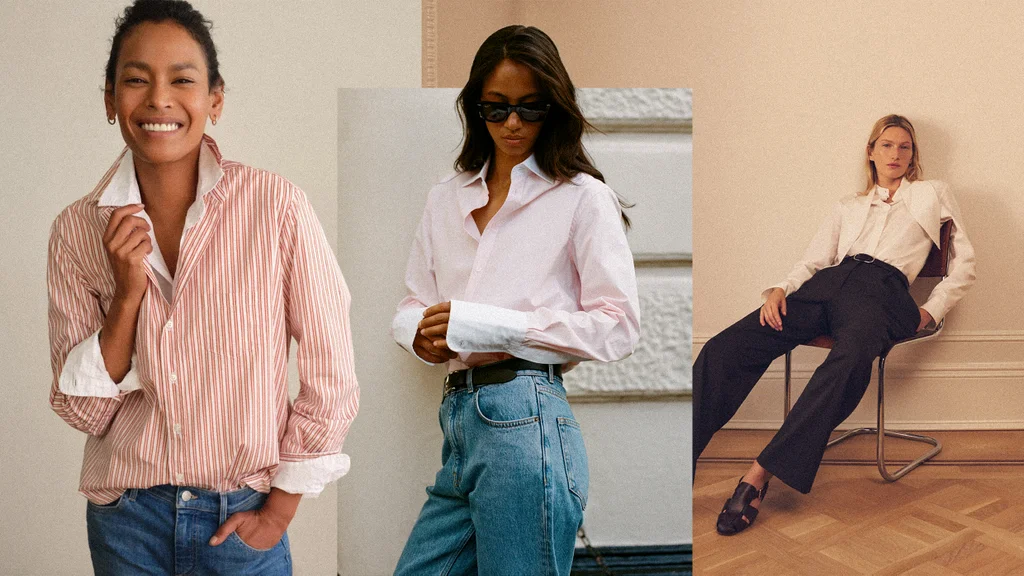
The wider fashion industry has been swift to take note of this consumer momentum. A fresh wave of specialized apparel labels has entered the competitive marketplace with the single-minded mission of expertly tailoring the traditional dress shirt specifically to fit the female form. Contemporary designers are tackling this intricate tailoring challenge through a variety of distinct aesthetic lenses. A brand like With Nothing Underneath carefully preserves the classic, structured masculine silhouette while subtly and meticulously engineering it to complement a woman’s body. Meanwhile, Frank & Eileen focuses on transforming fine shirting fabrics that were historically reserved exclusively for male wardrobes into softer styles that accentuate women’s natural curves. At the same time, TWP has mastered the distinct aesthetic of the oversized, effortlessly borrowed men’s shirt, turning a relaxed look into a deliberate statement of style.
A century and a half after the master tailors of Europe first raced to redefine men’s fashion, artisans and designers are once again locked in a similar creative race to reinvent the shirt. Only this time, it is entirely for women.