There is a distinct, almost magical feeling that comes with encountering a technology product that feels as though it dropped out of the future. For many long-time tech enthusiasts and creative professionals, that core memory traces back to the early days of personal digital hardware. Back in the early 2000s, portable digital audio was undergoing a chaotic evolution. For a time, many backed what turned out to be the wrong horse, convincing themselves that Sony’s sleek MiniDisc players represented the absolute pinnacle of mobile music. Then came the fourth-generation Apple iPod—the final entry in the line to feature the iconic monochrome display before color screens took over.
Holding that monochrome iPod for the first time was a transformative experience. It was an object designed just as passionately to be looked at and held as it was to be used. It possessed a rare aesthetic purity, stripping away unnecessary clutter in favor of an intuitive wheel interface and a beautifully sculpted chassis. For nearly two decades following that moment, Apple built an unmatched empire on that exact sense of industrial design wonder. Yet, in recent years, as smartphones matured into ubiquitous rectangular slabs of glass and aluminum, that intoxicating feeling of futuristic surprise gradually faded into predictable, incremental annual updates.
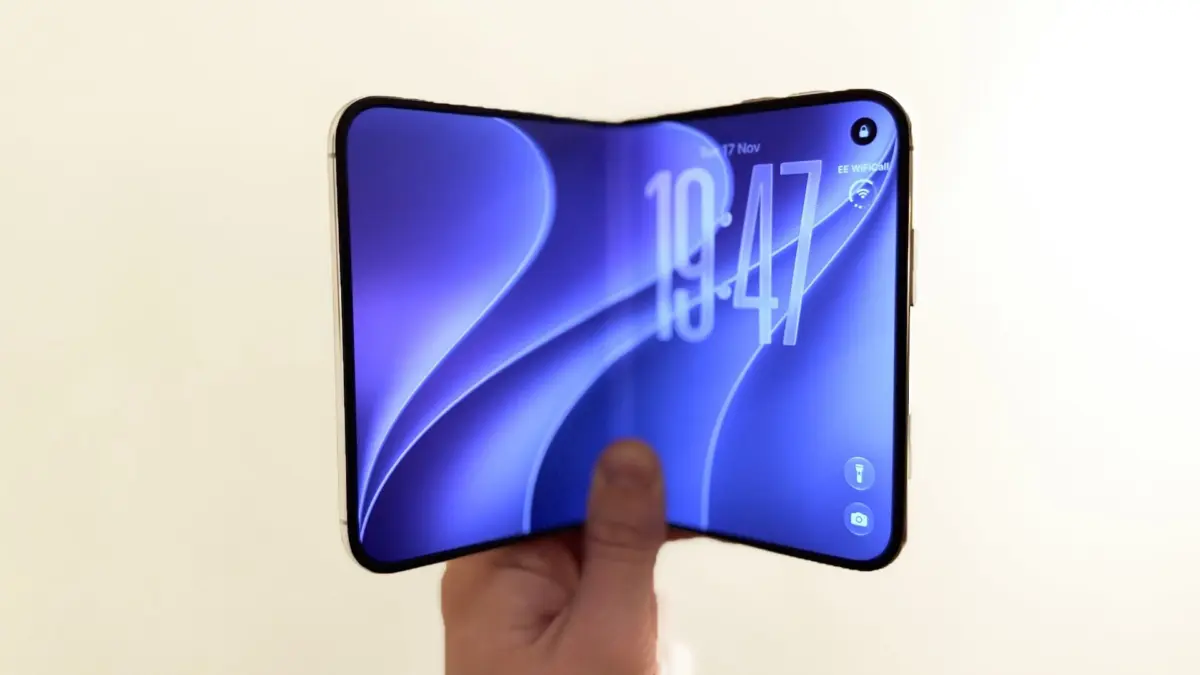
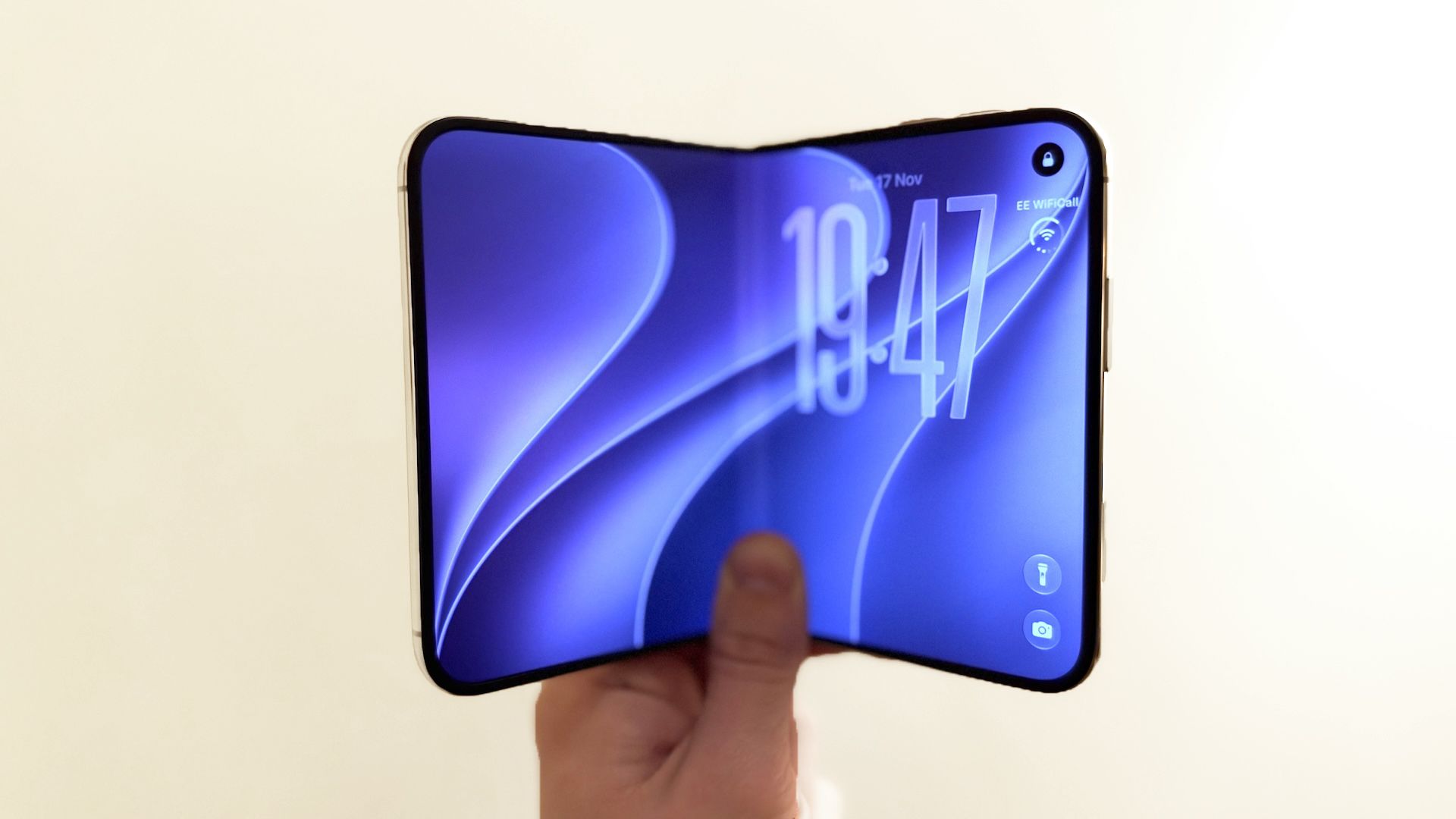
Spending a week with the new iPhone Duo, however, brings that elusive spark back in full force. After years of iterative camera bump adjustments, marginally thinner bezels, and incremental processor bumps, the consumer tech world finally has a device that feels genuinely new, daring, and exciting. While its eye-watering asking price will certainly give potential buyers pause, the iPhone Duo makes a compelling case for being the ultimate smartphone for creatives, artists, and design enthusiasts who have been waiting for hardware to feel adventurous again.
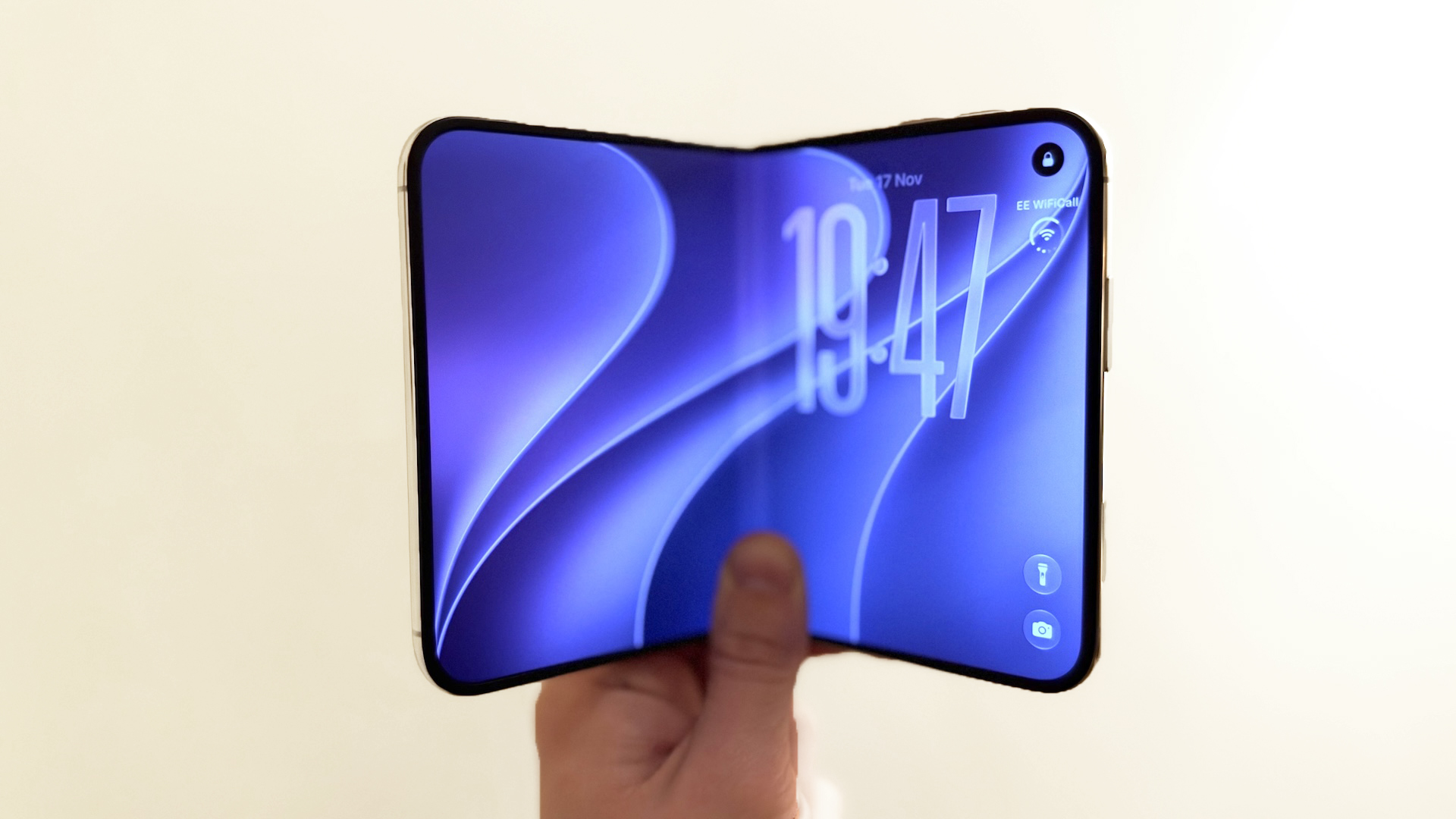
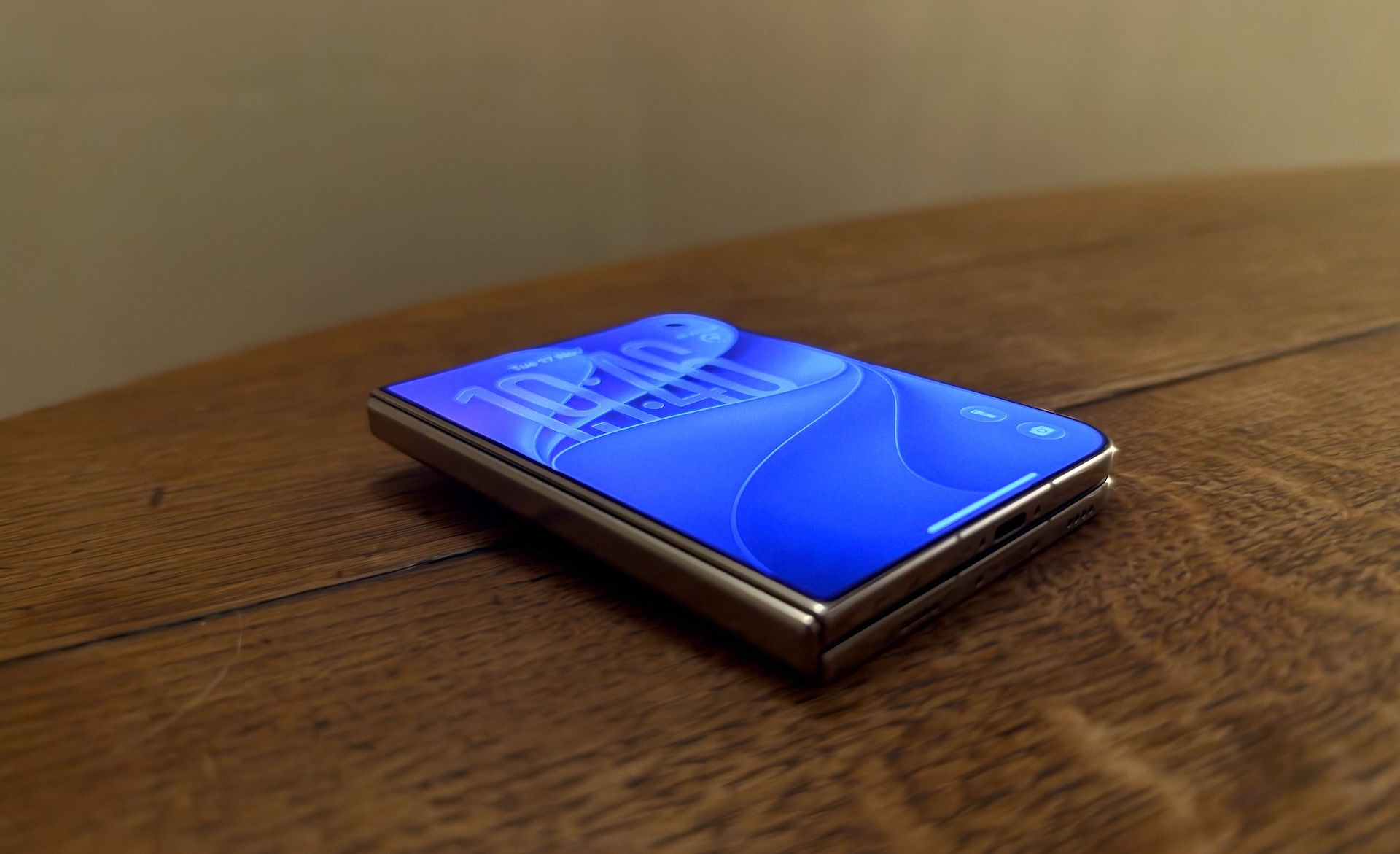
The immediate takeaway from handling the iPhone Duo is its sheer material luxury. Foldable smartphones have existed in the market for several years, but many early iterations struggled with ergonomics, feeling thick, top-heavy, or mechanically clumsy when closed. Apple appears to have solved this awkwardness by approaching the foldable form factor through a lens of classic industrial elegance. With its gleaming metallic finish and remarkably compact proportions when folded shut, the device evokes the tactile charm of a vintage Art Deco cigarette holder or a classic polished compact mirror. There is an undeniable craftsmanship to how the metal edges meet, transforming what could have been a bulky dual-screen utility into an object of refined jewelry.
The physical dimensions of the iPhone Duo have already sparked intense debate across online tech forums and social media. Critics and commentators have argued that the device is simply too small when folded, with industry rumors quickly circulating that Apple is already developing a larger companion model to satisfy users who crave expansive screen real estate at all times. Yet, for users who appreciate thumb-reachable ergonomics, the diminutive proportions are precisely what make the Duo so captivating.
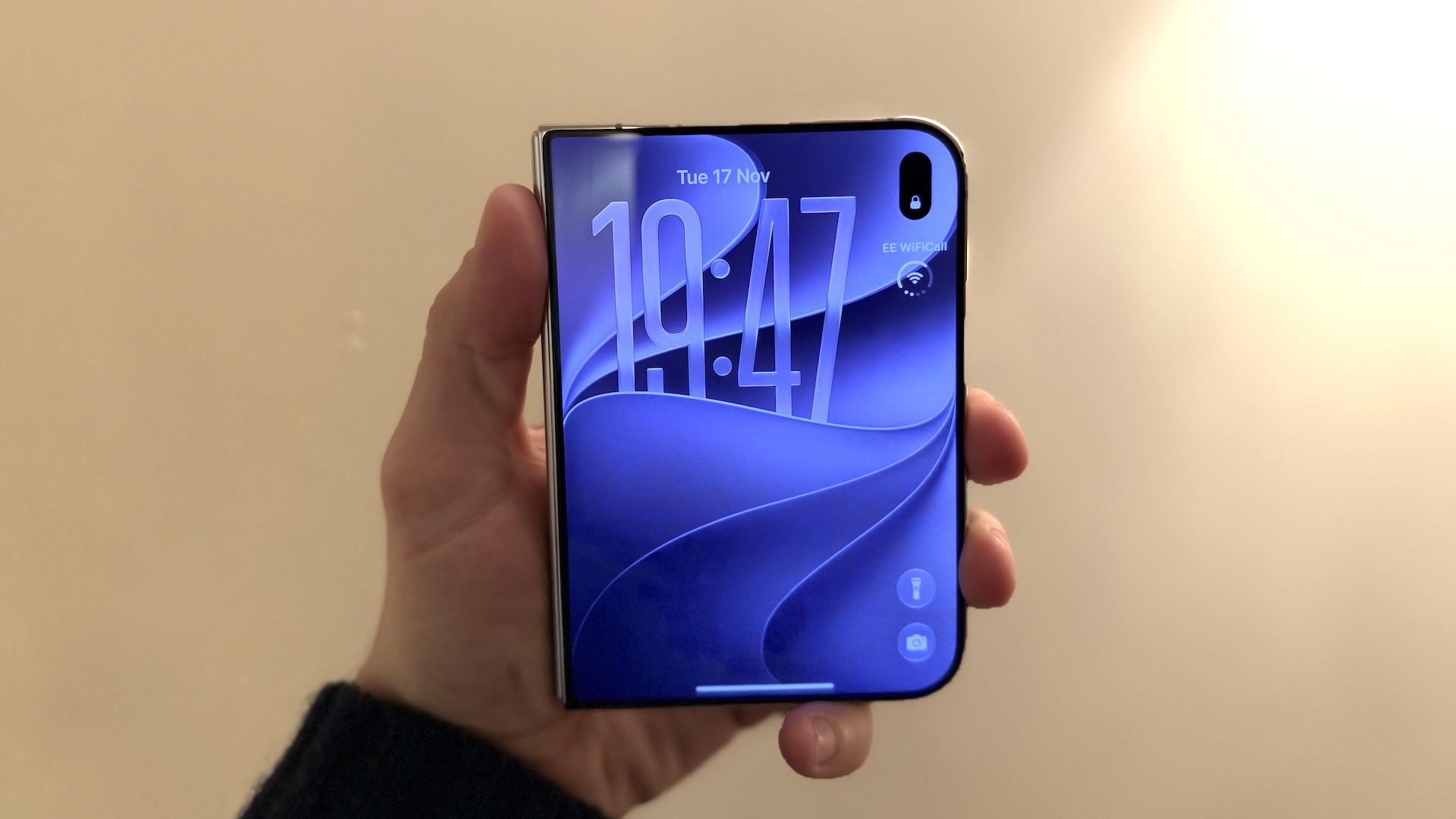
In an era where premium flagship smartphones have ballooned into unwieldy devices requiring two-handed operation and oversized pockets, the iPhone Duo stands out as a triumphant return to compact usability. Ever since Apple discontinued the beloved iPhone mini line, fans of smaller hardware have felt largely abandoned by the industry trend toward massive screens. The Duo bridges that gap brilliantly. It offers a wonderfully refreshing footprint that comfortably fits into a jacket pocket or small bag, yet opens up to reveal an expanded canvas whenever intensive work demands it.
That expansive internal display is the undisputed headline feature of the hardware, and it brings its own set of technological innovations and design choices. Central to the internal screen’s performance is the implementation of a matte nano-texture layer across the flexible panel. Apple’s nano-texture glass technology—originally developed for high-end studio displays and desktop monitors—uses microscopic etching to scatter ambient light. Bringing this surface treatment to a foldable mobile screen is a bold engineering decision that comes with distinct trade-offs.
On one hand, the matte finish requires a brief adjustment period for users accustomed to glossy glass. It gathers smudges differently and proves slightly more delicate to clean, requiring careful maintenance. On the other hand, the practical benefits of the nano-texture surface are immense. Glare and harsh reflections are drastically reduced, allowing visual artists, photographers, and designers to inspect imagery outdoors or under harsh studio lighting without struggling against bright reflections.
Perhaps even more importantly, the matte nano-texture surface performs optical magic on the physical screen crease. The visible and tactile seam running down the center of flexible displays has long been the main aesthetic compromise of foldable hardware. By scattering light uniformly across the screen’s surface, the Duo’s nano-texture coating renders the central crease far less noticeable to the eye during daily use, creating a visual experience that feels far closer to a seamless, continuous sheet of digital paper.
Hardware, no matter how brilliantly engineered, relies entirely on software to give it life, and Apple has crafted several delightful iOS touches specifically for the Duo’s dual-state nature. Rather than treating the open and closed states as two distinct environments, the operating system uses fluid spatial animations to guide the user’s eye. When unfolding or folding the device, on-screen content gracefully blurs and shifts focus, offering a clear visual metaphor that information is transitioning fluidly from one display surface to another. It is a thoughtful design touch that eliminates visual jitter and makes the physical action of opening the phone feel tied directly to the software UI.
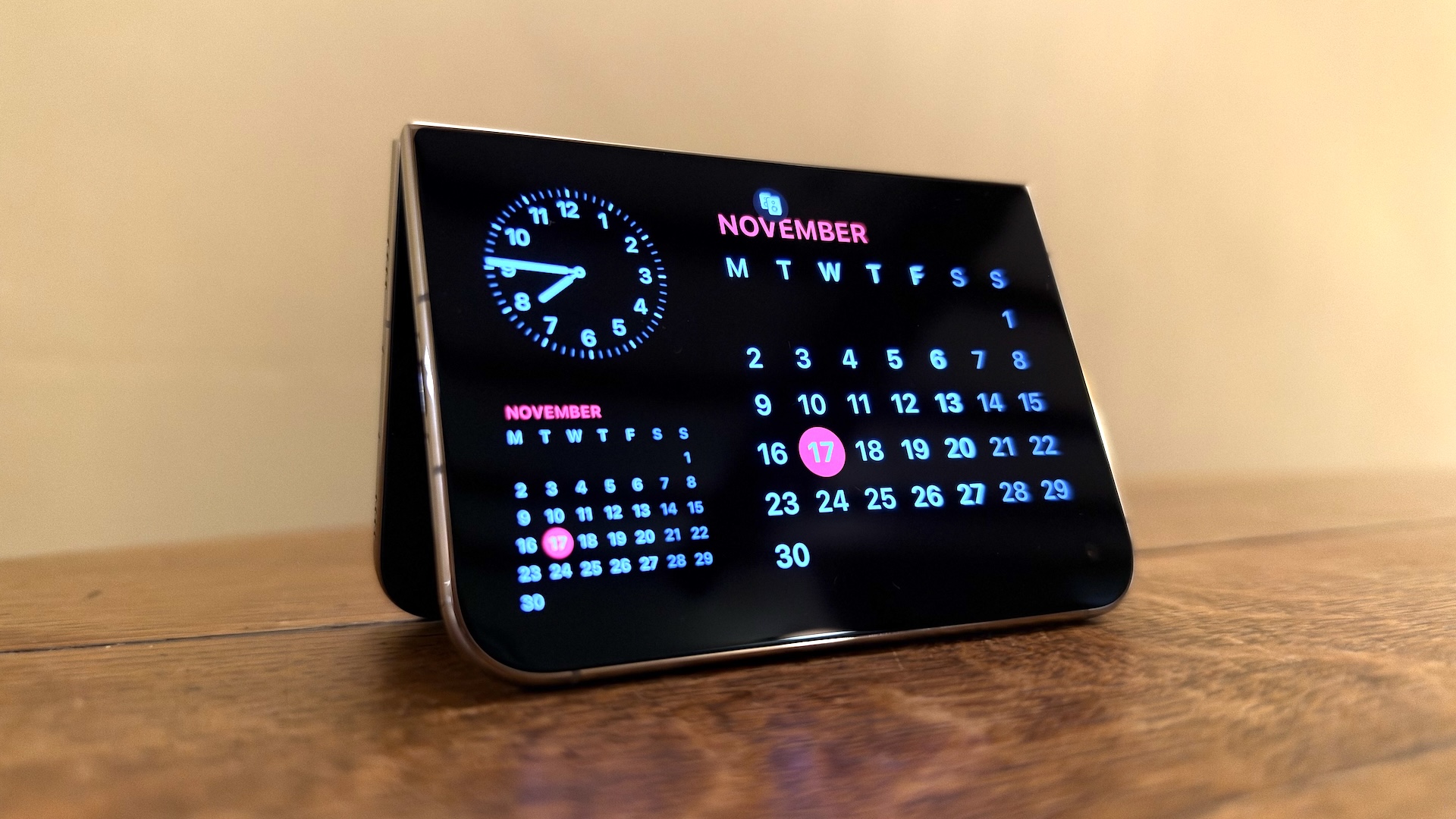
Another standout software feature is the tailored evolution of StandBy mode. When the iPhone Duo is partially unfolded and propped up on a desk in a "tent" posture, the device automatically senses its orientation and transforms into an ambient desktop display. In this mode, it functions as an elegant desk clock, calendar, and notification hub. This turns the device into a functional piece of workspace decor when it is not actively being held, reinforcing the idea that the hardware is meant to complement a creative studio desk setup even during downtime.
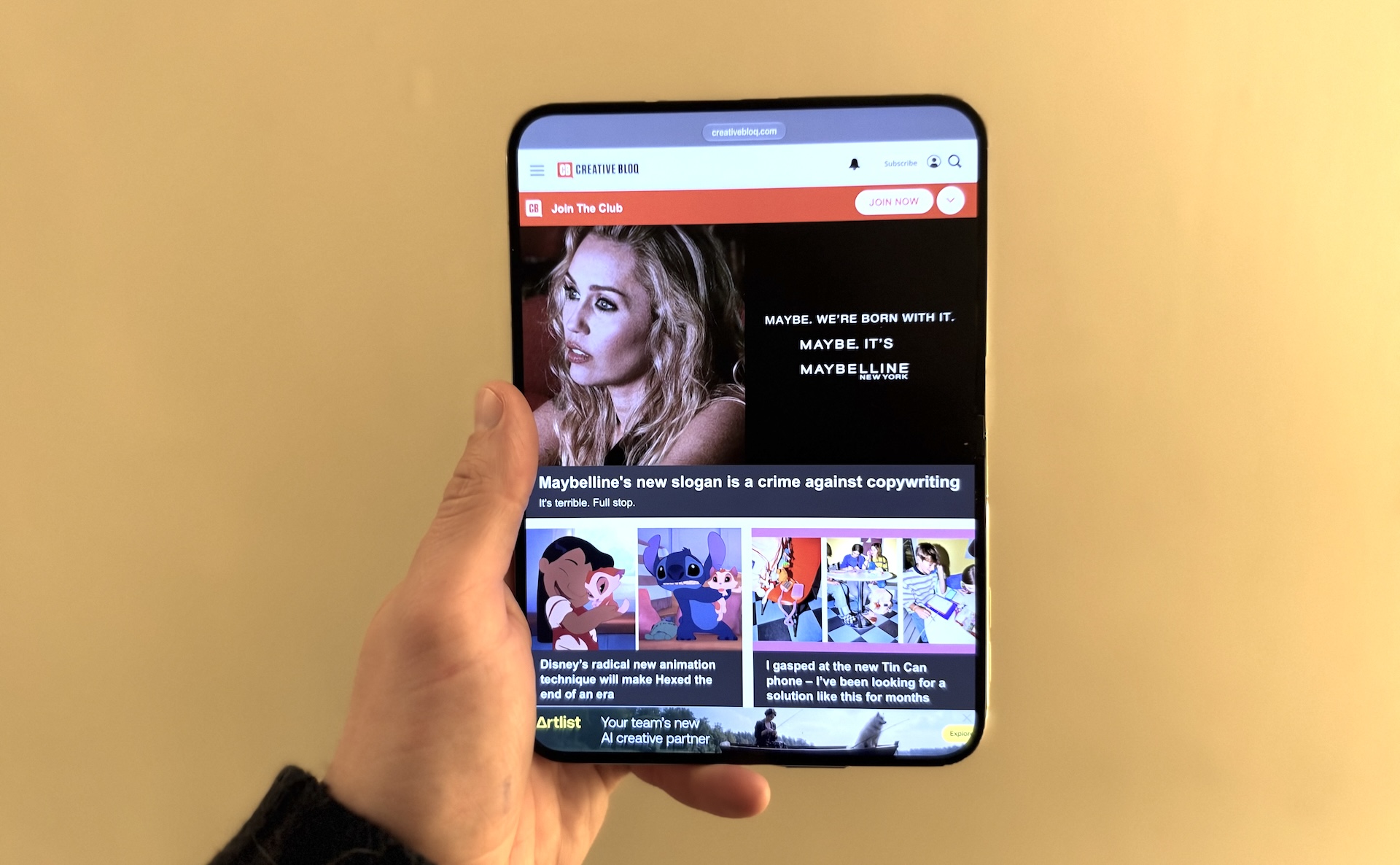
For creative professionals, the real-world advantages of this form factor become obvious almost immediately. Having access to a larger, glare-free canvas inside a device that folds down to a fraction of the size of a standard tablet opens up practical workflow possibilities. Browsing high-resolution design portfolios, reviewing photo proofs, sketching quick layout ideas, or dissecting visual inspiration on a broader screen without lugging around a secondary tablet feels like a meaningful leap forward. It represents a functional upgrade driven by actual user utility rather than a superficial feature designed simply to fill slides during a corporate product launch keynotes.
Ultimately, after spending time with the iPhone Duo, what stands out most is the return of Apple’s long-dormant sense of playfulness and design bravery. It is a product that refuses to play it safe, combining retro aesthetic cues with cutting-edge optical engineering and clever spatial software. While its premium price tag means it will not immediately replace standard slab smartphones for everyone, it signals a welcome shift in modern personal technology. For the first time in a very long time, holding a phone feels less like holding an everyday tool and more like catching a glimpse of a device that has genuinely fallen out of the future.