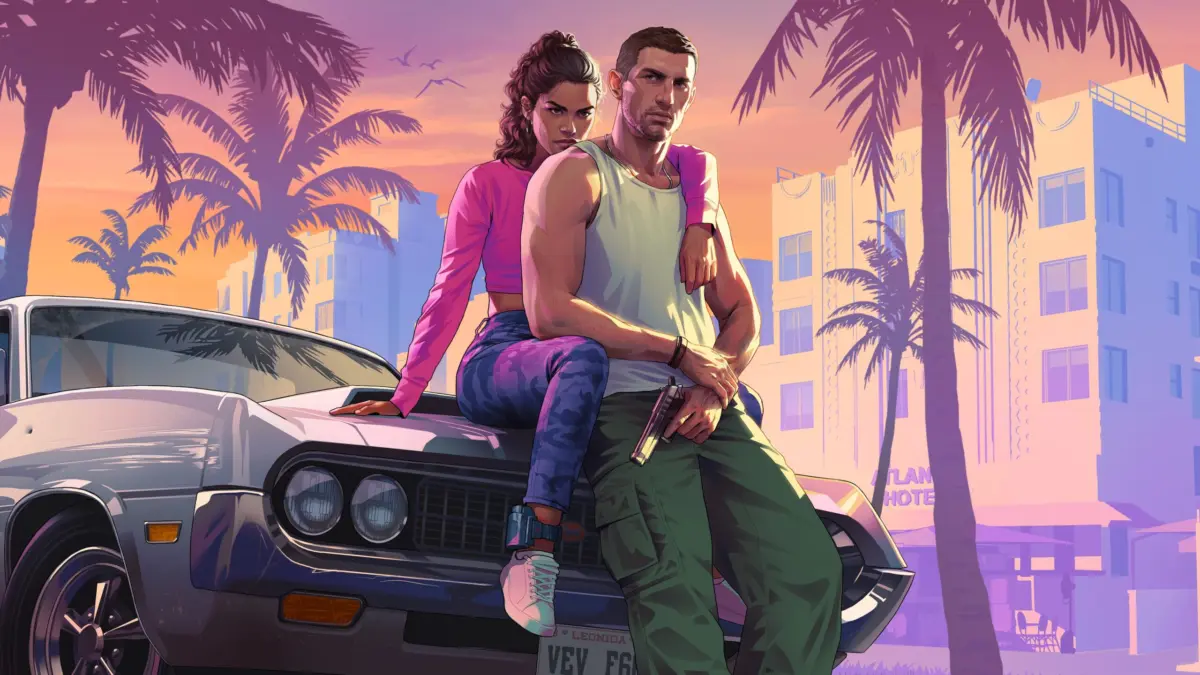
The impending release of Rockstar Games’ latest blockbuster marks a monumental milestone for both the entertainment industry and internet culture at large. For years, the gaming community has joked about the agonizingly long wait for the next installment in the legendary open-world crime franchise, using the game as a timeless baseline of comparison for any major historical, technological, or cultural event that happened to occur first. Now, the punchline is shifting into reality as millions of players prepare to step foot back into the fictional, satirical recreation of modern-day America crafted by the developers.
The commercial momentum behind the title has already shattered conventional industry records. According to comprehensive market data compiled by analytics firm Sensor Tower, digital and physical preorders for the game have already surpassed an astounding $1.5 billion. This massive financial milestone translates to nearly 17 million copies sold before the software has even officially unlocked for the public. Such staggering numbers underscore the unprecedented global appeal of the franchise and position the launch as the biggest entertainment event of the year, easily overshadowing the opening weekends of major Hollywood blockbusters and previous gaming industry heavyweights alike.
However, the impending cultural phenomenon carries a tangible economic footprint that stretches far beyond the digital storefronts. Economists and labor market analysts have begun warning businesses about the disruptive side effects of the launch, estimating that roughly $1 billion in economic productivity is at immediate risk on release day alone. These projections are driven by reports that thousands of employees across various industries plan to call out of work, request paid time off, or feign illness to secure uninterrupted hours with the game as soon as the servers go live. Human resources departments and corporate managers have increasingly found themselves bracing for unexpected absenteeism, a phenomenon rarely seen on this scale outside of major sporting events or traditional holiday breaks.
Developed by Rockstar Games, the franchise has long maintained a distinct philosophy
regarding commercial partnerships and advertising within its virtual borders. Unlike many modern publishers who embrace direct product placement and corporate sponsorships, the GTA series is notorious for strictly rejecting in-game brand integrations. Instead of featuring real-world corporations, the developers opt for an exhaustive ecosystem of meticulously crafted satire. Players navigate a satirical mirror of society populated by heavily parodied fast-food chains, fake car manufacturers mimicking real-world luxury and economy brands, and a vast network of made-up, pun-filled businesses that lampoon modern consumerism, corporate greed, and contemporary culture. This commitment to world-building through humor has remained a cornerstone of the series’ identity, ensuring that the satirical universe feels simultaneously absurd and uncomfortably familiar.
As the final hours tick down toward the November 19 launch, retail outlets, digital platforms, and online communities are bracing for what promises to be an unprecedented wave of digital traffic. Whether breaking revenue records or temporarily shifting labor productivity statistics, the arrival of the new title cements its status as a defining cultural milestone of the modern era, bringing an end to years of speculation, waiting, and internet memes.