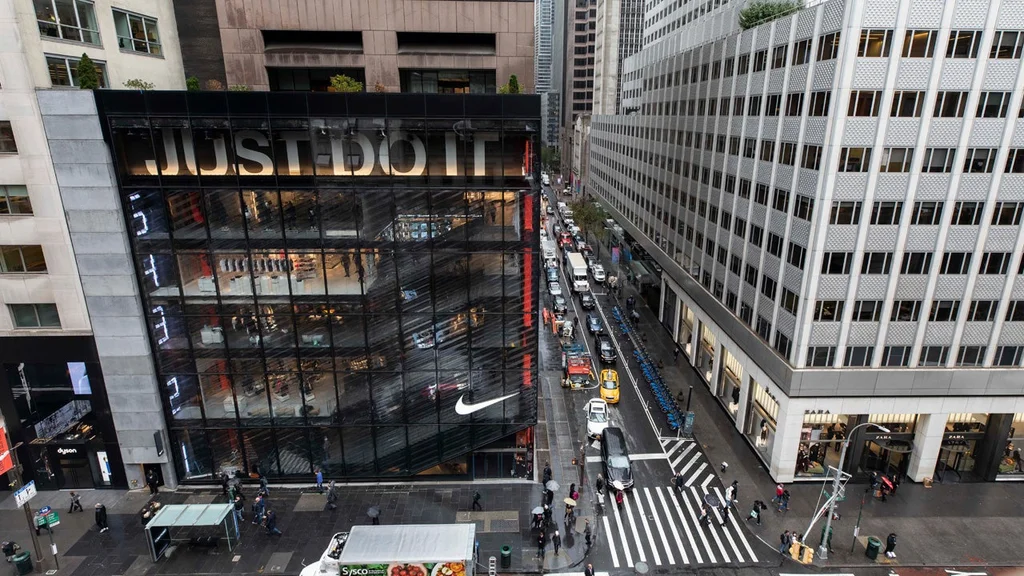
Rewind to the summer of 2016, a time when the athletic apparel giant Nike seemed entirely unbeatable. Back then, the company opened a gleaming shrine to the swoosh on Manhattan’s Fifth Avenue. The House of Innovation rose six stories into the sky, wrapped in rippling glass, housing the largest collection of Nike sneakers on earth. Inside this retail paradise, staffers in white lab coats dip-dyed and embroidered shoes completely to order. Customers could seamlessly reserve their footwear on a mobile application, retrieve it from a secure basement locker, and complete their purchases right from their phones.
The store was undeniably dazzling. But looking back from the vantage point of today, it marked the exact moment Nike began to unravel. In 2017, the corporate leadership unveiled an aggressive new strategic plan to sell a much larger share of its products directly through its own branded stores, website, and app. After spending half a century carefully cultivating mutually beneficial relationships with traditional wholesale retailers, Nike abruptly began cutting ties with many of the 30,000 storefronts that had long carried its products. This included major national names like DSW, Dillard’s, and Macy’s, as well as countless independent mom-and-pop shops that had long counted Nike as a vital anchor account. By 2020, Nike doubled down on this digital-first pivot by appointing a new CEO, John Donahoe, a former eBay executive with deep e-commerce expertise, specifically tasked with accelerating the transition.
The fundamental flaw with this direct-to-consumer strategy proved to be twofold. First, it completely severed a critical, long-standing channel of communication between Nike and the third-party retailers who possessed the deepest understanding of everyday consumers, particularly within the specialized running and performance sectors. Second, and perhaps more damagingly, it handed competing brands the retail sunlight and shelf space they desperately needed to grow.
Retailers suddenly found themselves with empty shelves to fill and significant lost revenue to make up. European upstarts like Hoka and On eagerly jumped at the opportunity to take Nike’s vacant place. Meanwhile, established competitors like Adidas and New Balance aggressively expanded their retail real estate, helping turn vintage silhouettes like the Adidas Samba and the New Balance 550 into viral, cultural phenomena.
"They all exploited this opportunity," observes Neil Saunders, a retail analyst at GlobalData. "Smaller, more nimble players quickly found ways to steal market share."
It took a considerable amount of time for Nike executives to fully realize how catastrophic this decision would be. During the COVID-19 pandemic, locked-down consumers naturally flocked to Nike’s proprietary website and mobile app, propelling the company to a record-breaking $50 billion in revenue during the 2023 fiscal year. But as soon as society returned to normal routines and shoppers began returning to physical brick-and-mortar stores, they discovered an exciting, fresh selection of competing brands occupying the prime shelf space Nike had abandoned. By fiscal year 2025, Nike’s overall annual sales had plummeted back down to $46.3 billion.
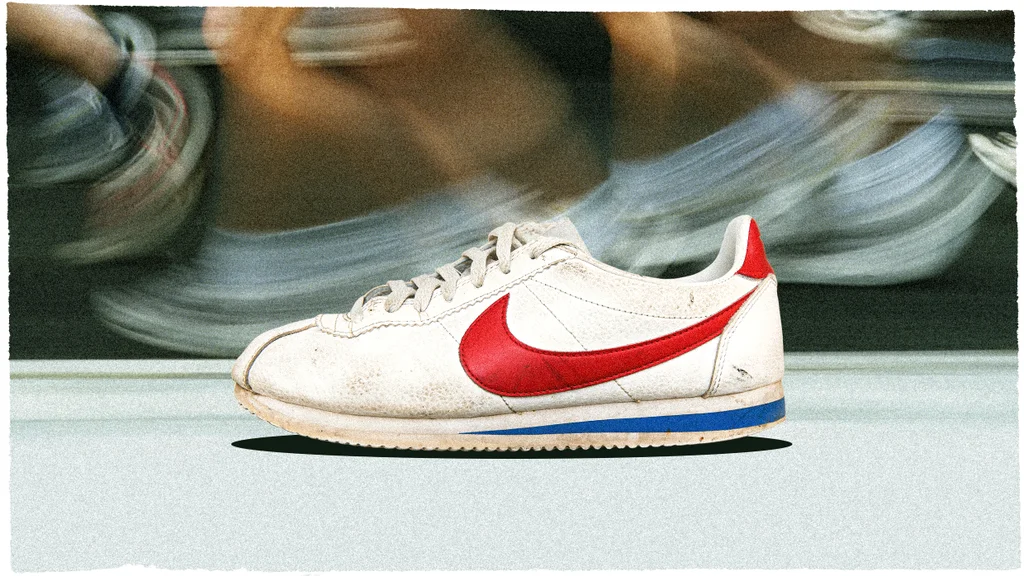
Elliott Hill, who took over as Nike CEO, has been tasked with reversing the profound operational damage and winning back alienated wholesale partners. The brand has steadily worked its way back into roughly 30,000 retail doors. "We said that we would reset the marketplace, and that meant rebuilding our wholesale partnerships," Hill told investors.
This strategic reversal is already showing up clearly in financial reports. During the most recent quarter, Nike’s wholesale revenue slipped by a modest 1%, while its digital sales dropped sharply by 13%. Furthermore, the company’s biggest upcoming product launches are increasingly leaning on traditional retail partners. The new Vomero 19 running shoe is scheduled to hit more than 5,500 stores when it launches in March, and Nike plans to dramatically expand the retail footprint for its outdoor clothing and footwear line, known as ACG, scaling from about 3,000 doors to 8,000 by 2031 with a heavy focus on outdoor specialty retailers.
However, getting back into the good graces of major retailers will not be a simple task. Many businesses have not forgotten how abruptly Nike severed ties with them, and in the intervening years, their shelves have successfully filled up with a new generation of popular competitors.
"Dick’s isn’t prepared to give up space for Hoka, On, and other brands people like, just to suit Nike," Saunders notes. "Nike retreated, and it’s very difficult to regain the land you ceded from that retreat."
Nike Lost Its Dominance in Running
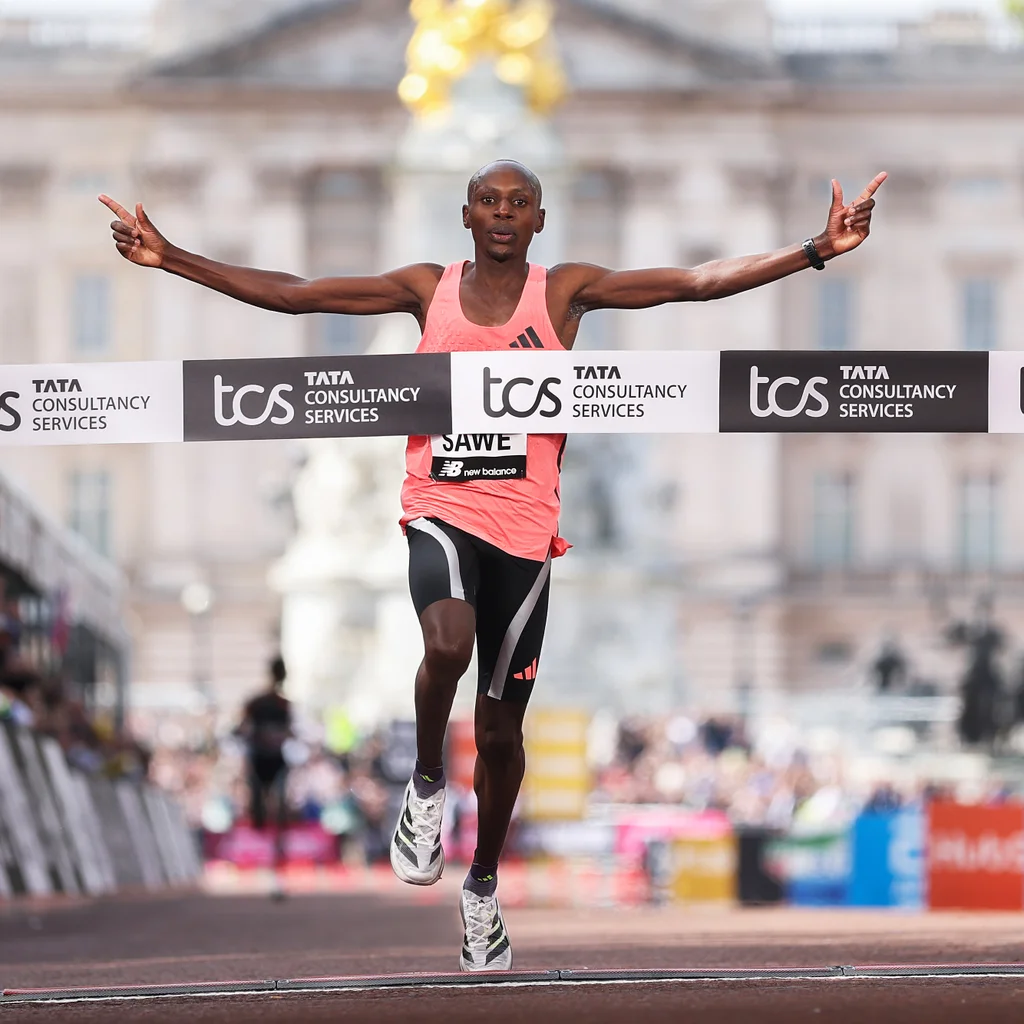
After maintaining an iron grip on the running shoe market for decades, Nike was overtaken by Brooks in 2022. Today, the swoosh sits in third place within the category, having been surpassed by Hoka as well. A wave of other brands, ranging from On to Asics and Adidas, have continuously stolen market share by dropping innovative new running footwear at a steady, reliable clip.
"Nike allowed brands that were doing fresher things to come in and take business from them," says Matt Powell, an industry analyst at the retail consultancy Spurwink River.
These market rivals certainly benefited from Nike’s ill-fated retreat from traditional retail. But under John Donahoe’s leadership, Nike also pulled back heavily on research and development. The former CEO made the controversial decision to reorganize product development teams entirely around demographics—men, women, and kids—effectively dismantling the company’s historic system of organizing innovation around specific sports disciplines like running, basketball, and soccer. One former employee characterized the massive internal shakeup to Fast Company as "the biggest change in Nike’s history."
While this demographic structure yielded administrative efficiencies, it ultimately resulted in far less innovative products. Throughout 2023 and 2024, Nike released virtually no groundbreaking new performance sneakers, instead relying on minor tweaks to existing, long-standing models like the Pegasus and the Invincible. It marked a swift and notable downfall for a corporate titan that arguably invented the modern running shoe.
Nike is now fighting hard to reclaim the ground it lost. Hill has officially restored the company to its traditional sports-focused organizational framework. "We’ve organized our teams cross-functionally around each sport, so we’re closer to the athletes, understand their needs and move faster to serve them," Amy Montagne, president of the Nike brand, told investors.
Early indicators suggest a positive shift. Nike has now recorded nine consecutive quarters of growth within its running division. The company has set its sights on reclaiming the top market share spot in running shoes priced above $100, forecasting more than $1 billion in additional running revenue between fiscal years 2028 and 2031. Much of that projected growth is expected to come from everyday runners gravitating toward everyday performance models like the Vomero. Additionally, the planned introduction of Tuned Air technology into a dedicated running shoe by late 2027 could significantly accelerate this positive trend.
Industry analysts believe a meaningful comeback remains entirely possible. After all, brands like Asics and Brooks successfully mounted major comebacks in running after enduring years of falling behind industry leaders. Yet, a corporate turnaround of this magnitude requires considerable time.
"I do think we’re going to see better product and new ideas. Spring looks good and fall looks even better," Powell says. "It takes years, in some cases, for a shoe to get to market. And, even then, one shoe is not going to change the fortunes of a brand of this size."
Nike Lost Its Fashion Edge
A casual walk down any urban street reveals a distinct cultural shift: millennial moms are lacing up retro New Balance runners, while teenagers proudly sport low-profile Adidas Sambas. Nike, once universally revered as the undisputed king of sneaker culture, has become noticeably harder to spot on everyday feet.
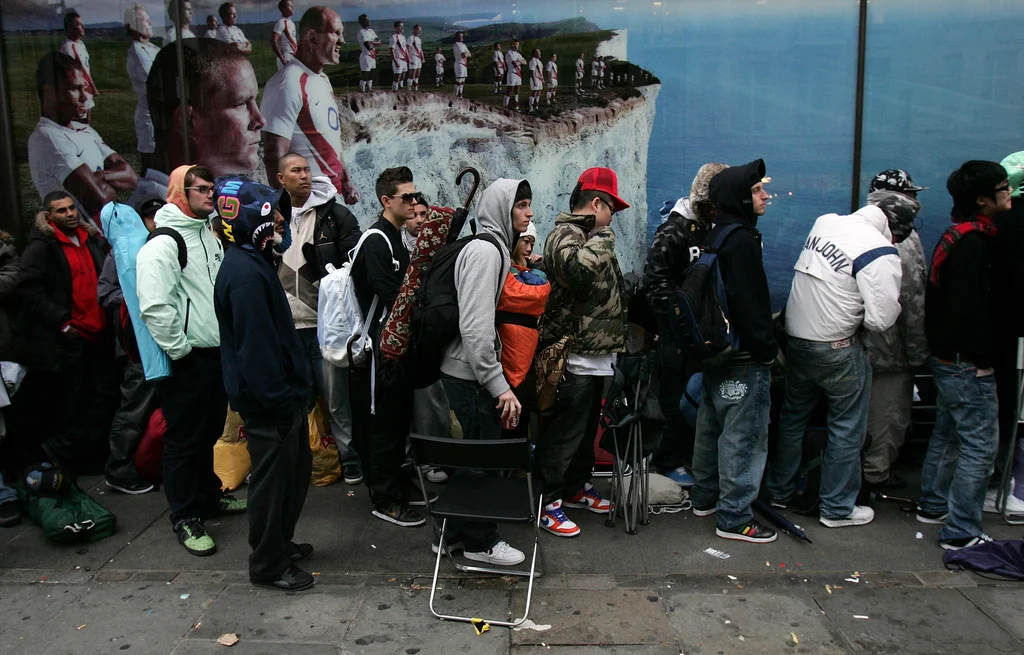
"It’s a one-two punch of not being in stores and not being on people’s feet," explains Jeff Staple, the legendary streetwear designer whose famous 2005 collaboration with Nike famously sparked public riots. "It’s the classic problem of out of sight, out of mind."
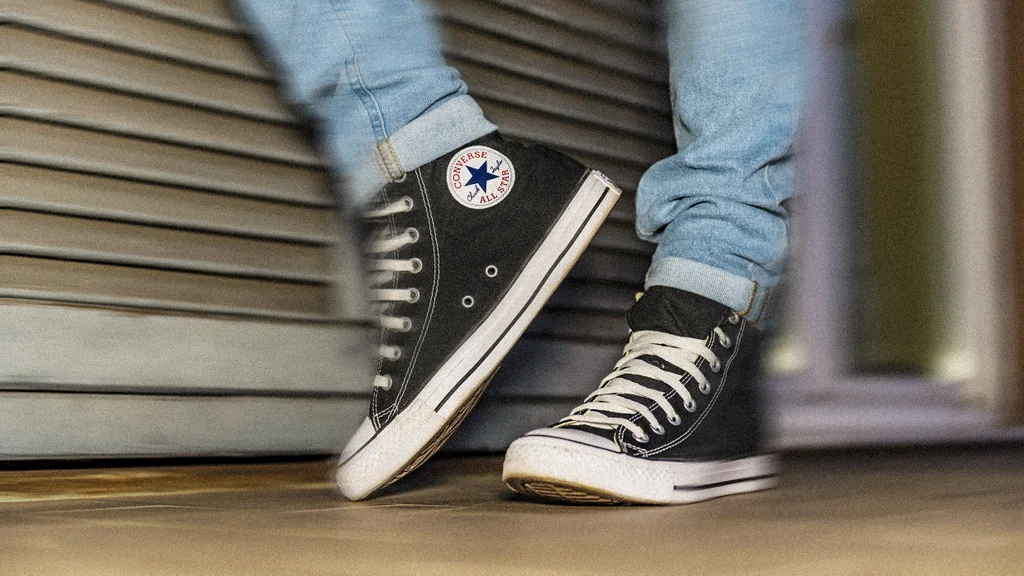
Vintage sneakers are immensely popular in contemporary fashion, and Nike possesses an enviable archive of classic designs. The core issue is that the company failed to manage the rollout of its heritage models with strategic discipline. Under Donahoe, Nike identified its top-selling legacy styles and aggressively pumped them out in massive quantities, turning the Air Force 1, Air Jordan 1, Dunk, and Converse Chuck Taylor into multi-billion-dollar franchises. By 2024, these legacy sneakers alone generated a staggering $13 billion, but the market was quickly and severely oversaturated with them.
To clear out this massive inventory oversupply, Nike was eventually forced to heavily discount the shoes—a move widely considered the kiss of death for a fashion product’s cultural cachet. Defending the strategy during a 2024 profile in Fast Company, Donahoe stood firmly by his decision to maximize the financial output of those core franchises. "We don’t apologize for exploiting the success of three of the largest franchises," he stated at the time.
Critics argue that Donahoe fundamentally misunderstood the nuances of fashion, an industry that relies entirely on carefully balancing supply and demand. Instead, Nike treated high-profile sneakers like basic commodities.
"It comes from a very CPG [consumer packaged goods] mentality," Staple says. "He treated these as numbers on a spreadsheet, without attaching any cultural nuance."
Emma Barratt, global executive creative director at the branding firm Wolff Olins, echoes that sentiment: "The swoosh was everywhere, and it just lost its meaning."
Meanwhile, competing brands like Adidas approached product lifecycles with far greater strategic restraint. In 2024, as Adidas prepared to relaunch its classic Superstar sneaker, the company deliberately cleared the market of existing inventory so the style would feel fresh upon its return. When executives noticed that the Samba and Gazelle models were achieving explosive popularity, they purposefully constrained supply while leveraging high-end, limited-edition collaborations—such as a $350 Gazelle designed in partnership with Yohji Yamamoto—to maintain long-term cultural relevance.
Nike’s current leadership team is attempting to implement a similar playbook. "We will continue to clear aged inventory out of the marketplace, recalibrate what we sell in, and be more disciplined in how we manage those franchises moving forward," Hill told investors, emphasizing that these measures are essential for establishing a foundation for profitable and sustainable growth.
While manufacturing artificial scarcity is a necessary step, Staple notes that it remains a short-term fix. Moving forward, Nike must also generate genuinely fresh designs rather than resting entirely on past laurels. Some of Nike’s recent wins among dedicated sneakerheads have involved creative remixes of multiple vintage styles. The Soulgoods x Nike Homescape Woven, for example, successfully pairs a Nike Footscape-inspired woven upper with sole units borrowed from entirely different archival models.
"Nike needs to be more innovative, and not just in terms of making the fastest marathon shoes," Staple says. "It also needs to make sneakers feel unfamiliar and fresh again."
The China Threat
When NBA superstar Stephen Curry announced that he was signing a massive endorsement and equity partnership deal with the Chinese sportswear giant Li-Ning—estimated at a staggering $400 million over 10 years—it marked the second time in his career that Nike had missed out on securing the legendary guard. Curry originally began his professional career as a Nike athlete before abruptly defecting to Under Armour in 2013.
This time around, Nike either could not or would not compete with Li-Ning’s financial and strategic offer. "Right now, China is probably Nike’s biggest problem," says David Swartz, an analyst at Morningstar.
Both Li-Ning and Anta, companies founded in the early 1990s, have grown into powerhouse performance sportswear enterprises within their domestic market and are increasingly expanding their competitive footprint abroad. Anta has successfully recruited premier NBA talent like Klay Thompson and Kyrie Irving to its roster. This trend poses a severe challenge for Nike, which traditionally generates more than half of its total revenue outside the United States, including roughly 13% specifically from Greater China.
"Local competitors are moving with speed and fluency," Cathy Sparks, who took over leadership of Nike’s Greater China business, told investors. "Our marketplace and our model have not kept pace, and our results show it."
Nike’s revenue from the Greater China region—encompassing mainland China, Hong Kong, Macao, and Taiwan—tumbled 26% on a currency-neutral basis during the most recent quarter, and the corporation now projects that regional sales will remain roughly flat through fiscal year 2031.
Ironically, these rising Chinese brands are intimately familiar with Nike’s historical manufacturing playbook. Nike began partnering with factories in China back in the 1990s as the nation rapidly emerged as a global manufacturing hub. Nascent Chinese sneaker brands were able to tap directly into this established shoemaking ecosystem to develop products matching Western standards of style and quality.
Decades later, those same Chinese brands have scaled to massive proportions. Anta generated $11.6 billion in revenue last year, while Li-Ning reached $4.1 billion. In a striking twist, Nike is now leaning heavily on the exact same Chinese manufacturing ecosystem that helped its local rivals catch up; company executives confirm that Nike is currently working directly with local factories to develop premium materials at competitive price points.
To make aggressive incursions into Western markets like the U.S., Li-Ning and Anta have borrowed another page directly from Nike’s marketing handbook by harnessing elite athletic star power. In 2012, Dwyane Wade left the Jordan brand to sign with Li-Ning, eventually securing a lifetime deal in 2018 and launching his own signature line, Way of Wade. Klay Thompson left Nike in 2014 to partner with Anta, culminating in a lifetime agreement. In 2023, Anta brought on Kyrie Irving to serve as the chief creative officer of its basketball division, and later that year, reigning NBA Finals MVP Nikola Jokić departed Nike to join the Chinese brand 361°, enticed by the promise of his very first signature shoe—a platform Nike had never offered him. The Curry endorsement stands as the most definitive signal yet of how far these brands have advanced.
Simultaneously, Nike continues to lose ground among domestic Chinese consumers. Peak revenue in China reached $8.29 billion in 2021, but by 2025, that figure had fallen to $6.59 billion, while Nike’s overall market share in the country dropped from 25% to 20% over the same period. While some of these regional challenges are tied to broader macroeconomic headwinds, such as rising youth unemployment that has depressed discretionary sneaker purchases, others stem from strategic missteps.
Observers note that Nike has not adapted to the specific cultural preferences of Chinese consumers as effectively as its local competitors. "Historically, Nike has exported American sports culture to the rest of the world," Morningstar’s Swartz explains. "In recent years, that model hasn’t worked as well in China, where Chinese consumers are more interested in buying uniquely Chinese products. Nike was slow to adapt to this."
Sparks acknowledges this reality, noting that while Nike’s distinct American identity was a major growth driver two decades ago, it no longer provides a guaranteed competitive advantage. The key to future success, she emphasizes, lies in fostering deep, authentic local connections with consumers.
To that end, Nike has outlined an aggressive restructuring plan to operate more like its Chinese competitors. The corporation is actively shifting away from a traditional, centralized model managed out of global headquarters in Oregon and executed through Shanghai, decentralizing decision-making down to local teams operating across 20 Chinese cities. A newly established design team based in Shanghai successfully produced its inaugural collection of 10 sportswear and Jordan styles in under 120 days. Nike plans to more than double the size of that local design team to over 100 people by fiscal year 2028, with the ultimate goal of having half of all sportswear sold in Greater China designed locally.
"When you’re operating at our scale—still the number one brand in China with the highest consumer advocacy—those changes can’t happen overnight," Sparks concludes. "But we are moving with a speed and commitment that we have not had in the past."