In an era where millions of songs sit quietly behind a smartphone glass, accessible via a mindless screen tap, a counter-movement is quietly gaining momentum among industrial designers and audiophiles alike. A record sleeve gives you something to hold while you carefully decide what to play next. A cassette tape asks you to deliberately pick a side, considering the sequencing of tracks before dropping it into a deck. Neither of these physical actions is especially efficient, but that friction is precisely where their appeal lies. When music is always an instant digital convenience, an object that asks for a little human attention can make the act of listening feel like a conscious choice once again, rather than just another background app left running behind the rest of a busy day.
Contemporary audio designers are increasingly focusing on giving that tangible attention somewhere specific to go. Recent developments in hardware design demonstrate this shift toward tactile engagement, highlighted by three distinct products that approach physical music from entirely different directions. These devices do not rely on the tired argument that older formats automatically sound better from a sonic perspective; instead, their primary interest lies in how each physical object fundamentally changes what the listener actually does before the music even begins. By reimagining the mechanics of vinyl, the display of CD artwork, and the tactile nature of cassette culture, these designs invite users to step away from endless digital libraries and re-engage with music as a physical, deliberate medium.
1. PP-2 Turntable
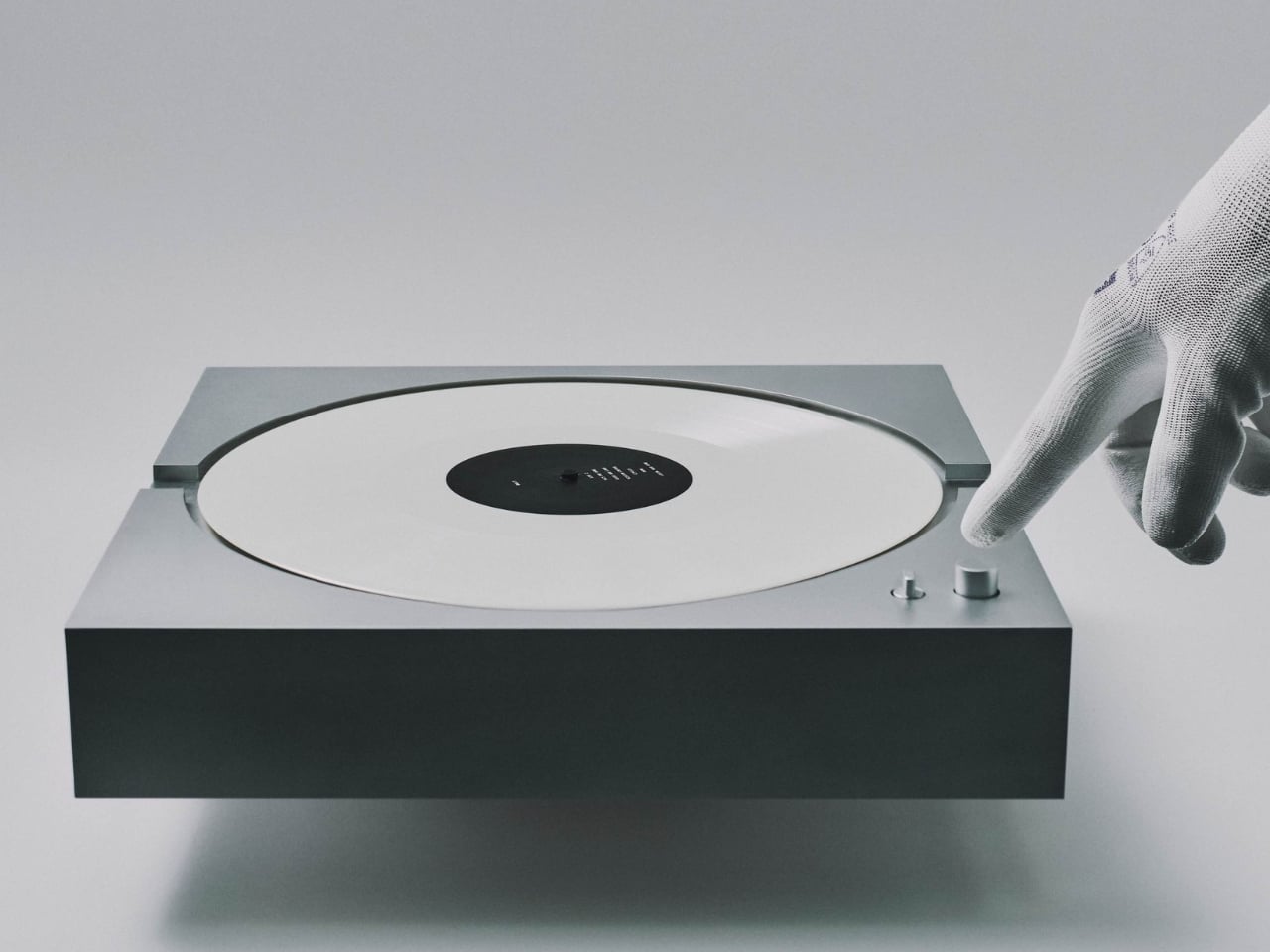
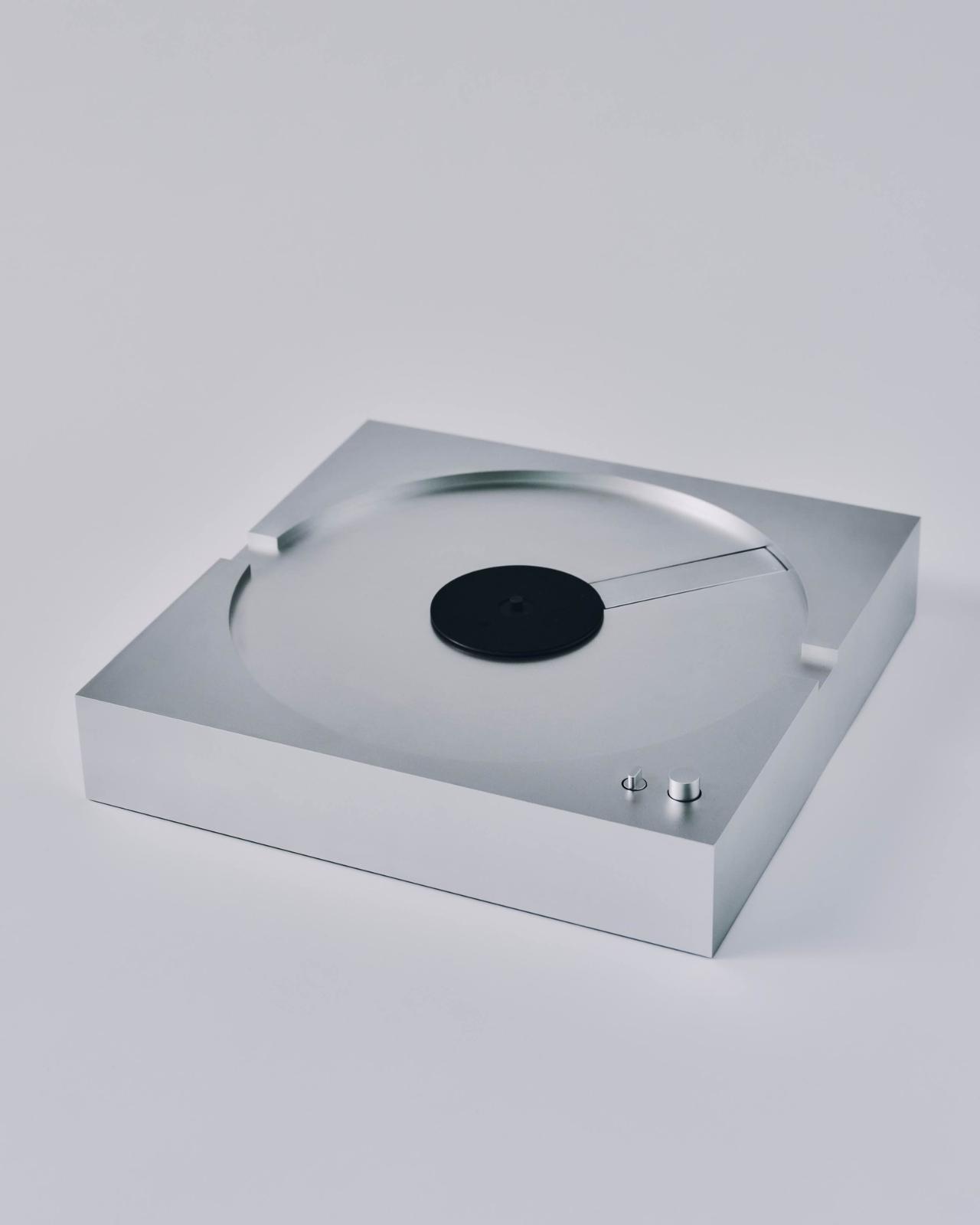
Among the most striking interpretations of physical media mechanics is the PP-2 turntable, created by the Paris-based design studio Waiting for Ideas. The PP-2 retains the classic medium of the vinyl record while dramatically hiding much of the complex machinery traditionally associated with playing it. CNC-machined from a solid block of aluminum, the turntable features a sleek, minimalist silhouette with no exposed tonearm to manually position or balance. Instead of placing a needle down in the traditional manner, the user places the record upside down on the chassis and presses play, leaving the hidden mechanism underneath to navigate the groove.
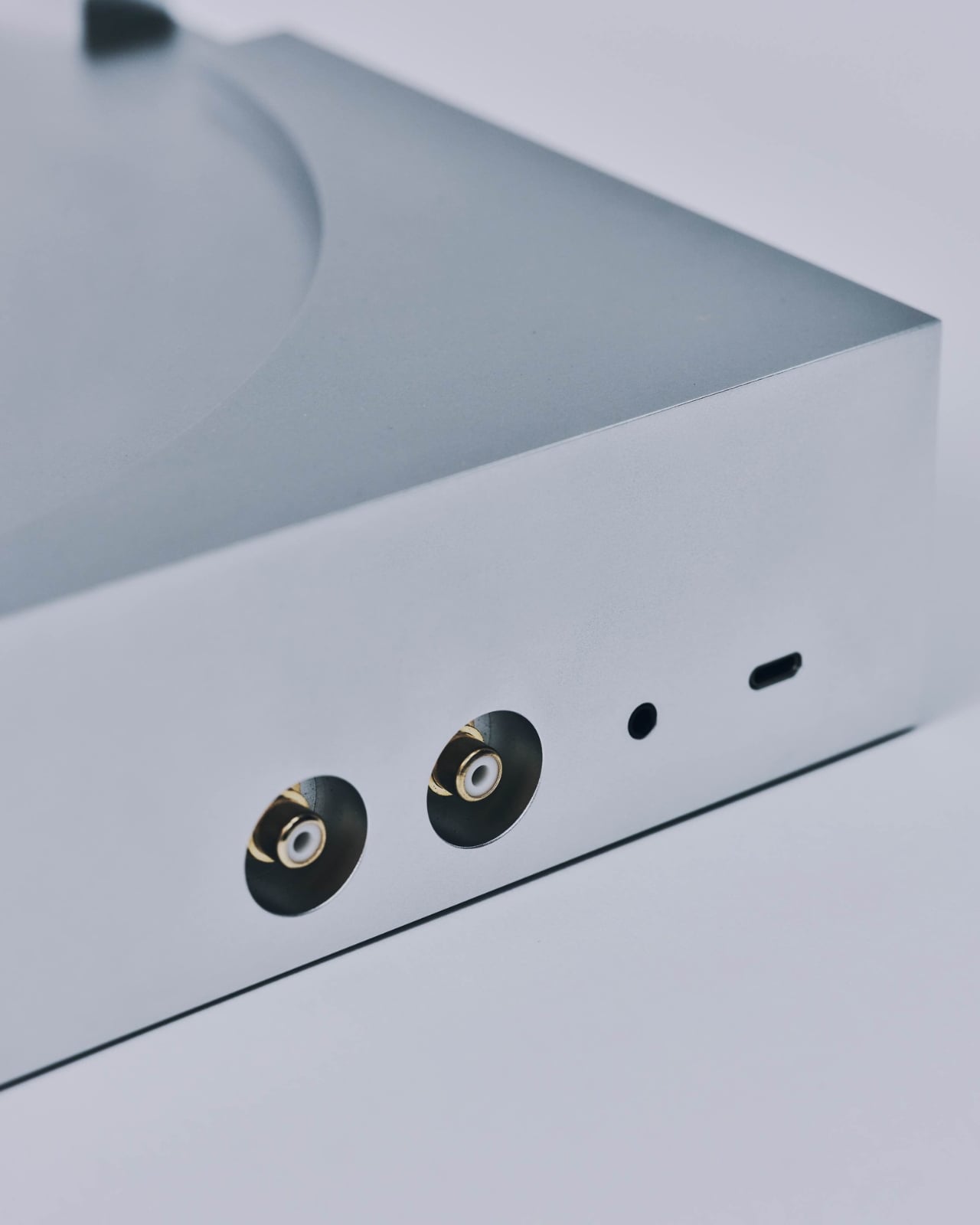
This design offers a compelling distinction for anyone drawn to the tactile and ritualistic nature of vinyl, but who feels less enthusiastic about turning cartridge setup, anti-skate calibration, and tonearm adjustment into a complicated second hobby. Despite its minimalist exterior, the engineering underneath remains sophisticated. The optical pickup still relies on a stylus physically touching the record, but internal light sensors measure its movement rather than relying strictly on traditional electromagnetic coils and magnets. Furthermore, a built-in Harmony preamplifier allows the PP-2 to connect directly to an amplifier line input or active speakers without requiring a separate, standalone phono stage.
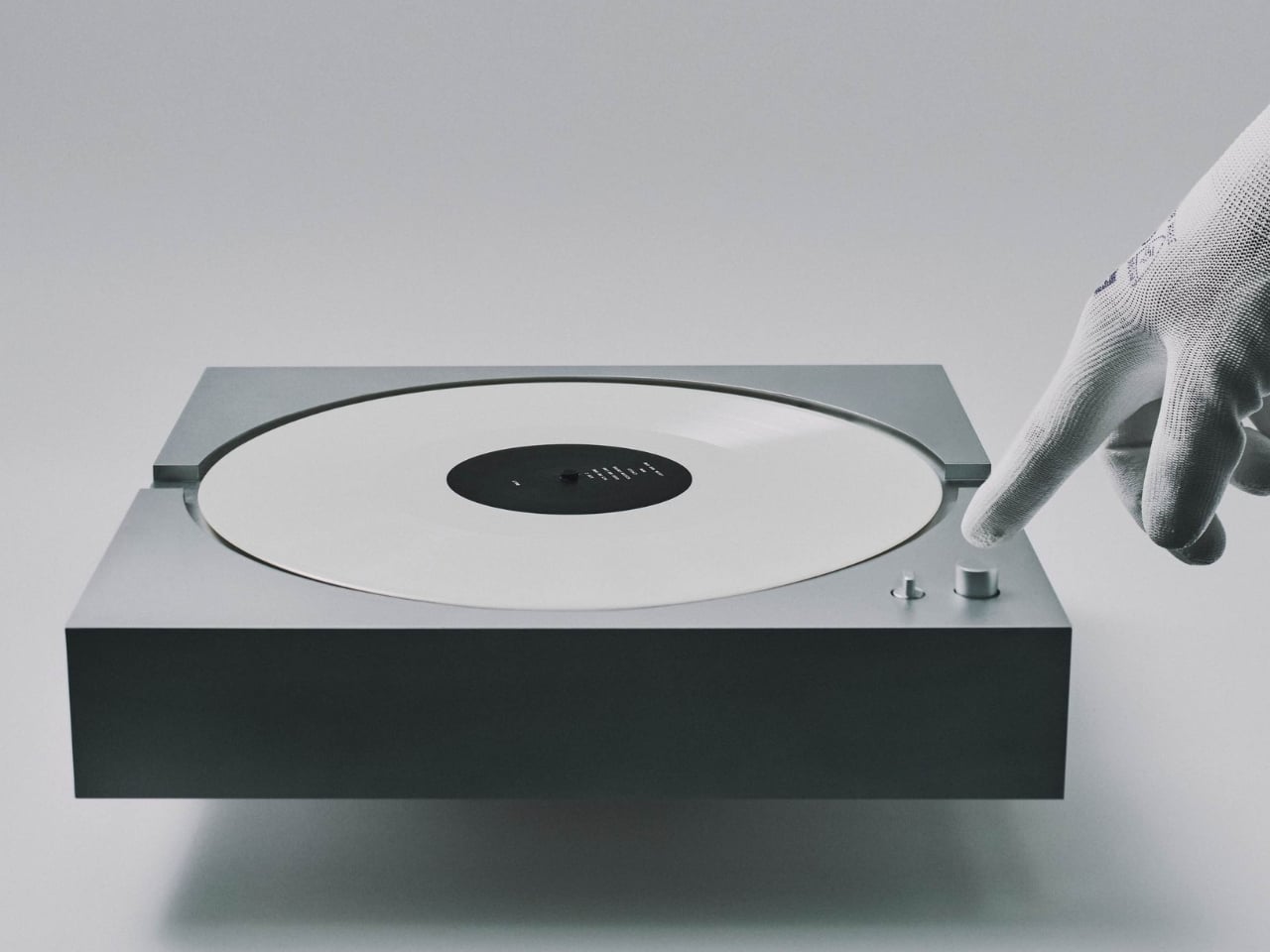
That functional simplicity makes the design more than just a cosmetic exercise, though its luxury status is underscored by its pricing. Currently listed for preorder, the system is positioned firmly in the upper echelon of audio hardware, making it a considered, long-term system purchase rather than a casual, impulse route into playing records at home. For collectors willing to invest in its unique form factor, the PP-2 strips away the intimidation factor of traditional turntables while preserving the physical intimacy of handling a record.
2. Portable CD Cover Player
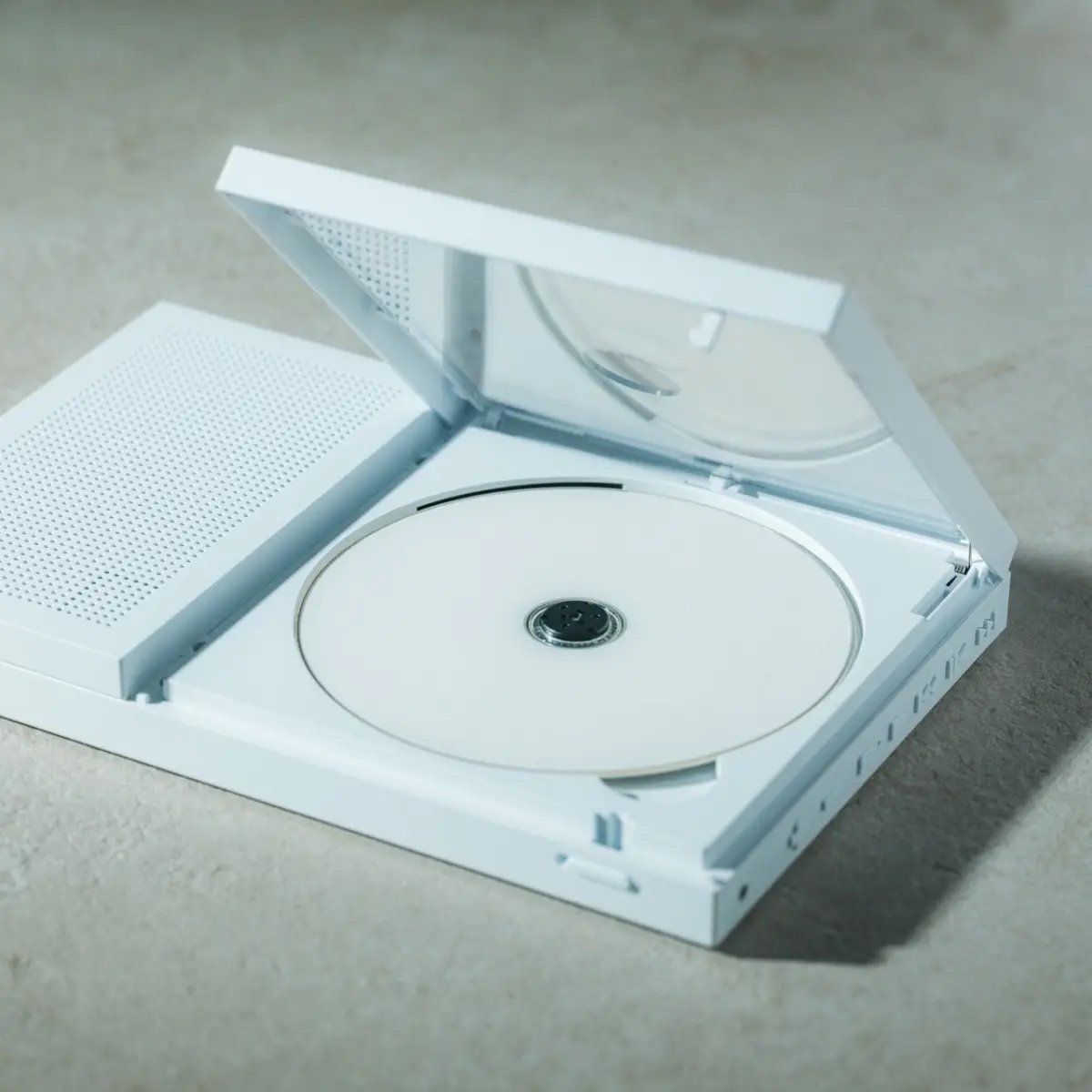
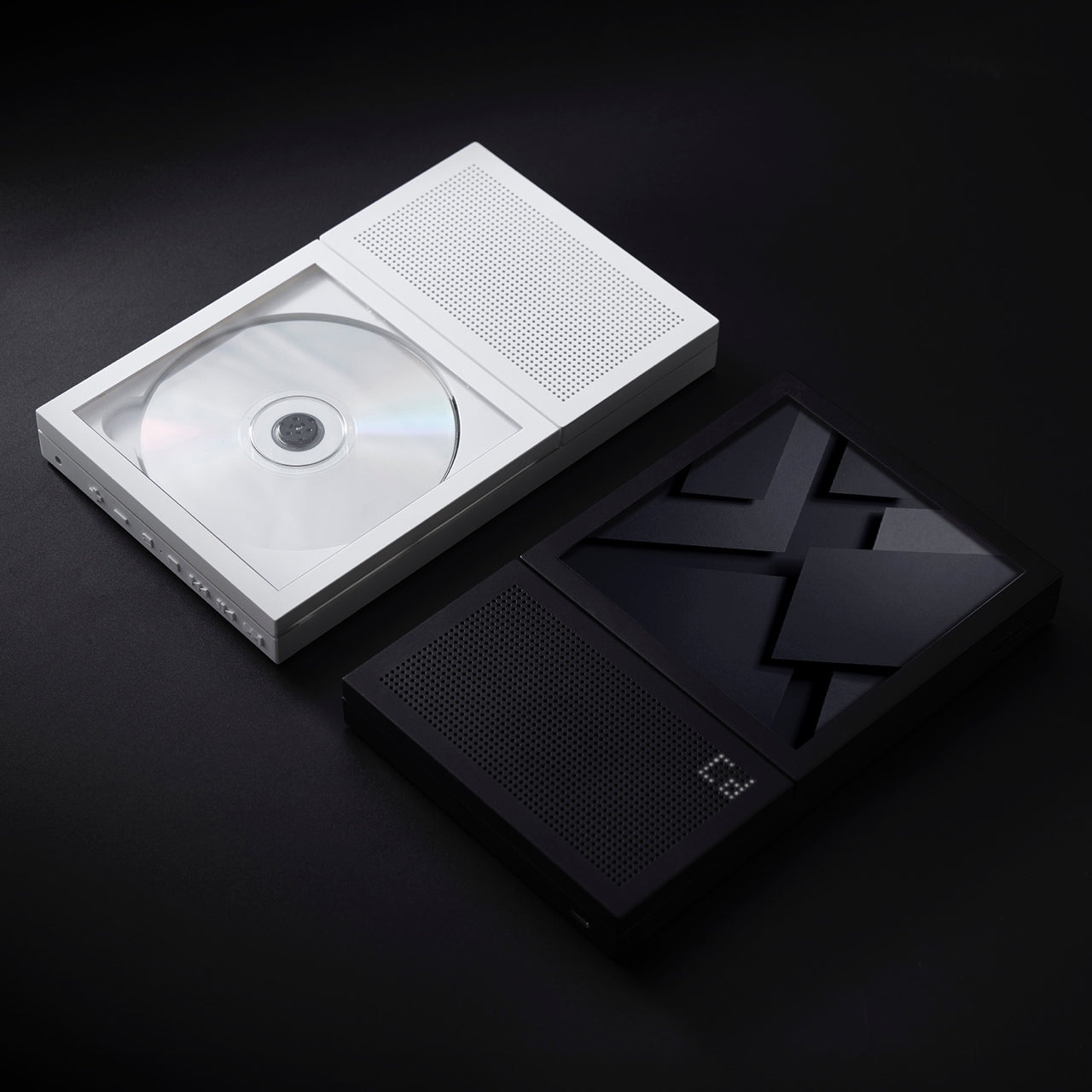
While vinyl reimagines the turntable, the Portable CD Cover Player tackles a different format by giving the album sleeve a distinct, active job after you have already taken the compact disc out to play it. Rather than shoving the cardboard or plastic jacket away into a storage drawer or bookshelf, this hardware incorporates a dedicated transparent pocket that prominently displays the jacket artwork while the internal player handles the audio data. This design decision successfully integrates the visual art back into the listening experience, turning the cover into an integral part of the physical object rather than a forgotten piece of packaging.
This configuration is particularly well suited for placement on a living room shelf or a bedside table. Users can immediately see which album is spinning without needing to wake up a phone screen or navigate a digital queue, and the physical artwork receives significantly more visual presence than a tiny digital thumbnail floating on a crowded streaming interface. To maximize its utility in domestic spaces, the player comes equipped with a built-in speaker, a rechargeable internal battery, USB-C charging support, and a standard 3.5mm headphone output jack.
These integrated features allow the device to function entirely on its own without requiring a permanent tether to a wall outlet or a separate, complex speaker setup. According to manufacturer specifications, the internal battery provides roughly six to seven hours of continuous speaker playback per charge, offering decent portability around the house. Additionally, wall-mounting capabilities are supported via a separately sold bracket, effectively transforming a favorite compact disc and its jacket into a modest, rotating piece of functional musical decor.
3. We Are Rewind GB-001 Boombox
Moving from compact discs to magnetic tape, the We Are Rewind GB-001 Boombox—commercially known as the Blaster Curtis—makes a much larger and louder design gesture. Capitalizing on the enduring nostalgia for 1980s audio equipment, its cassette deck sits proudly between prominent speaker grilles, complete with satisfying physical transport buttons and a heavy-duty folding metal handle that completes the classic boombox arrangement.
One of the standout features of the GB-001 is its pair of backlit VU meters, which give playback and recording levels a vibrant, real-time visual presence. Coupled with dedicated physical knobs for bass, treble, and balance controls situated right on the machine, the device appeals directly to anyone who misses the tactile joy of operating a true stereo system rather than swiping through a software application. Beyond its retro aesthetic, it is a fully functioning cassette player and recorder that supports both Type I and Type II tapes, while also offering modern Bluetooth connectivity for moments when a user’s physical tape collection runs dry.
Equipped with four internal speakers and a rechargeable, user-replaceable battery, the boombox operates as a completely self-contained audio system rather than a deck waiting for auxiliary components. However, its portability requires some realistic perspective: the manufacturer lists the weight at a substantial 6.81 kilograms, translating to roughly 15 pounds. While the robust metal handle is certainly useful for moving the unit between rooms or out to a patio, it remains a heavy, substantial object to carry around, even before factoring in the weight of a handful of cassettes.
Give the Player a Job
Before making room in a living space for any dedicated physical music player, it is worth pausing to consider which specific part of the listening experience you actually want back in your daily routine. For some, it might be the deliberate act of choosing a single album and reading through its liner notes; for others, it might involve the analog ritual of recording a mixtape for a friend. Simply purchasing expensive hardware will not magically supply that mindful habit on its own.

Ultimately, a physical audio object earns its place in a modern home when its physical controls, storage requirements, and everyday setup make that particular engagement easier to return to, rather than serving as just another maintenance project waiting for attention. This balanced perspective leaves plenty of room for digital streaming as well. There is no absolute need to turn every hurried commute, background dinner party, or casual background playlist into an elaborate vinyl or cassette ceremony.
A dedicated physical player can simply serve a smaller, more focused purpose: giving a cherished album a dedicated place and a stretch of uninterrupted time that belongs entirely to it. In the end, these modern audio designs succeed when the physical act of picking up a record, a disc, or a tape feels genuinely worth doing, even when a perfectly convenient smartphone sits within easy reach.