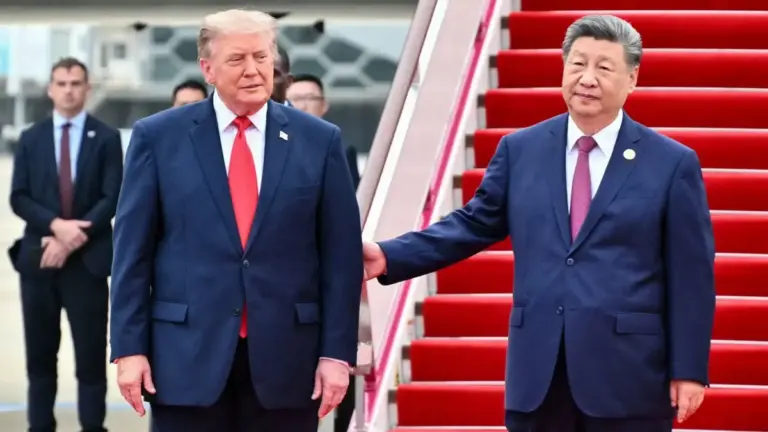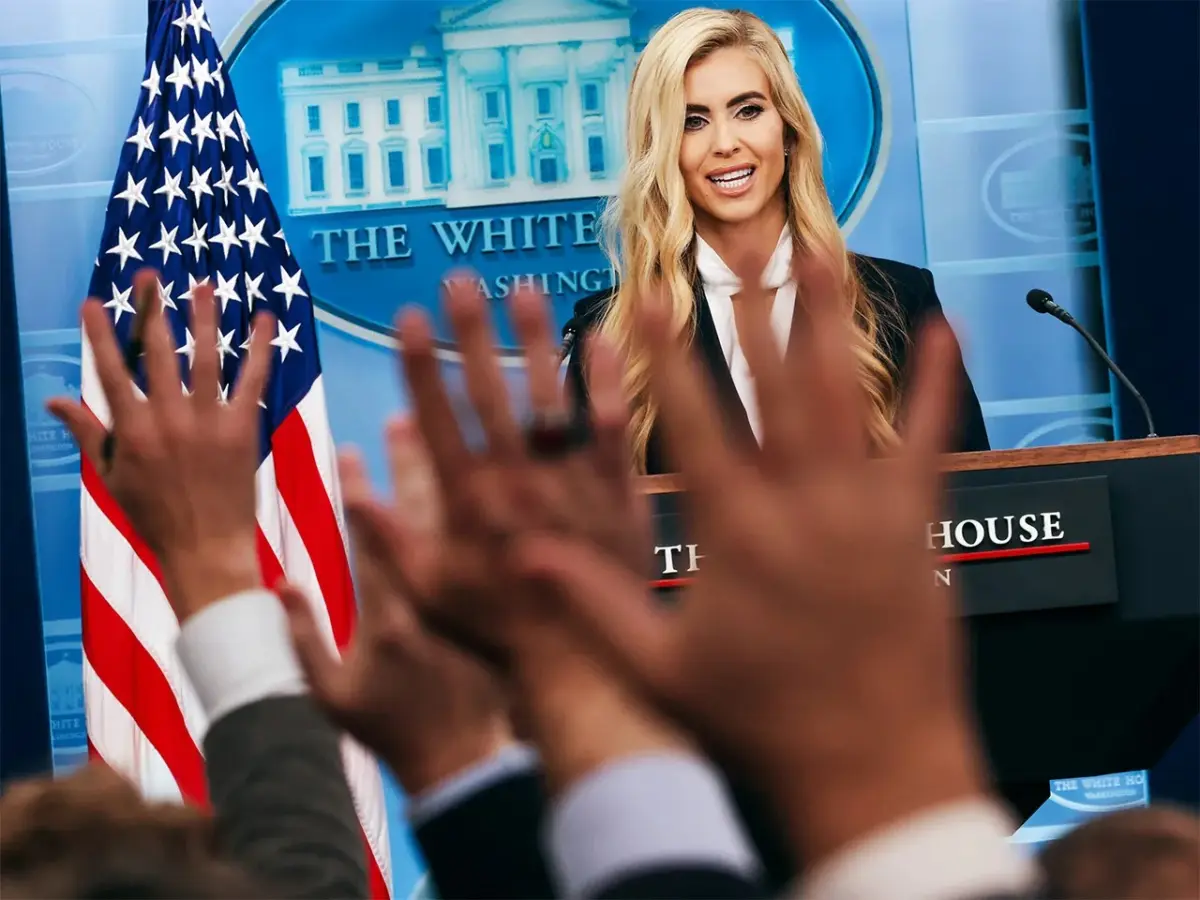
As public support for the president continues to dwindle following a bruising political cycle, the West Wing finds itself facing an acute internal crisis: a desperate need for a stable, functioning press secretary. With the administration struggling to regain its footing, the central question echoing through Washington corridors is how the Republican leadership can possibly find and retain a candidate capable of lasting in the grueling role for more than a handful of days.
The urgency of the vacancy was thrown into sharp relief last Friday. As the US Federal Aviation Authority issued its longest nationwide ground stop since the tragic events of September 11, disrupting travel for millions and throwing the national transportation network into chaos, the public was left searching for answers. Panic rippled across the country as citizens wondered whether commercial planes were facing an unprecedented threat or if the airspace system was suffering a catastrophic failure.
Yet, amid the mounting public anxiety, the president remained entirely silent on the matter. It presented a textbook scenario for a functioning administration—the absolute ideal opportunity for a White House press secretary to take to the podium in the James S. Brady briefing room, calm public fears, and begin answering the cascading questions of journalists and citizens alike. Instead, the podium sat empty, a stark symbol of a communications operation in total disarray.
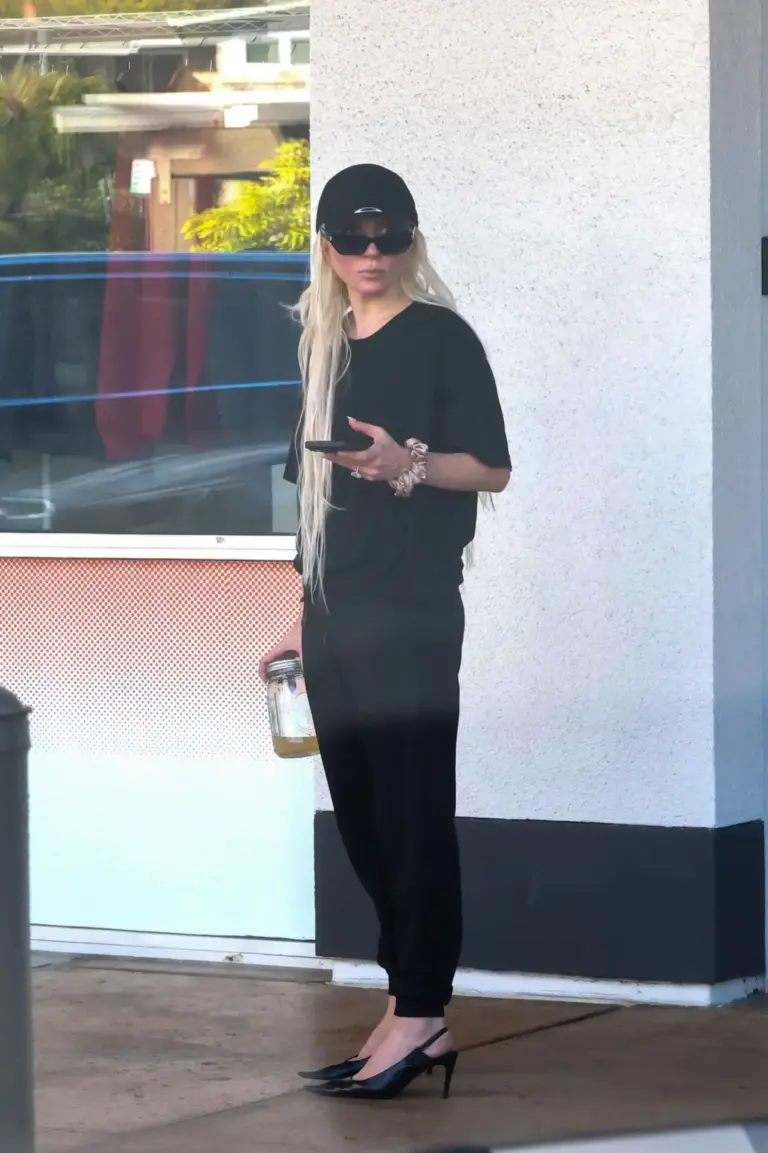
As of November 19, the White House has gone 34 days and counting without a designated press secretary. The void left by the departure of previous staffers has created an administrative vacuum at the very heart of government transparency. The most recent occupant of the post, Katie Zacharia, managed a record-short tenure of just five days before her abrupt exit. Her brief time in office followed an already astonishing vacancy period of 46 days—itself setting a modern record for the administration.
The instability began in earnest when Karoline Leavitt formally quit her post on August 27, citing a desire to spend more time with her family. During her tenure, Leavitt had proven remarkably adept at distilling Donald Trump’s unfiltered messaging, mastering the delicate art of sparring with the White House press corps, and defending the administration’s policies against relentless questioning. Her high level of competence has made her a remarkably tough act to follow, which political analysts suggest is a primary reason why qualified professionals now seem reluctant to touch the job.
While various high-profile names have frequently been floated by the US media as potential replacements, those rumors tend to evaporate almost as quickly as they emerge. Over the past couple of weeks, names such as UFC CEO Dana White and prominent sports journalist Stephen A. Smith have surfaced in news reports as unconventional contenders for the role. The speculation reached a head after Smith held a meeting with Trump last week, prompting reporters to corner him and ask whether he had any interest in stepping behind the podium. Smith offered a characteristically blunt response, telling reporters, "No way in hell."
The growing reluctance of public figures and communications professionals to step into the role raises a fundamental question for the administration: How can the White House possibly fill a post that currently appears completely unfillable?
Political observers and media critics have pointed to several structural and cultural issues within the West Wing that have contributed to the unprecedented turnover. Chief among them is the traditional casting call that the White House has heavily favored for its public-facing roles. There has been an undeniable preference for platinum blondes when selecting individuals to represent the administration to the cameras. Leavitt possessed the requisite bouncy hair, certainly, but she also combined it with a fierce, formidable intelligence that elevated her to one of the most effective press secretaries to ever command the podium. Zacharia, by contrast, appeared to rely almost exclusively on superficial styling during her single, ill-fated briefing, raising questions about whether the administration is prioritizing aesthetics over substantive communications capabilities. Widening the aesthetic and professional expectations of the role could potentially invite a much broader pool of qualified applicants who might otherwise dismiss the administration.
Compounding the hiring crisis is a more fundamental problem: ensuring that there is actually a substantive job for the press secretary to perform. In theory, the press secretary is meant to act as a vital gatekeeper between the administration and the media, managing the flow of information and providing a measured, official perspective on executive actions. However, when the president routinely bypasses official channels to take directly to social media, and when he answers journalists’ phone calls on his private mobile device, the official office can easily begin to feel obsolete. A degree of presidential mystique has historically served administrations well, and every chief executive benefits from having a professional filter—a reality that is particularly acute for Trump. Reinstalling the traditional gatekeeper role is seen by many as essential, given that serious candidates generally want to step into positions where they feel genuinely needed, valued, and empowered to do their jobs.
Furthermore, the working environment inside the briefing room has deteriorated to a point where few seasoned professionals are willing to subject themselves to the pressure. While no one entering West Wing communications expects a conventional nine-to-five desk job, cultivating constructive working relationships with the press corps remains a core requirement of the profession. When the commander-in-chief regularly hurls personal insults at reporters and bans entire media outlets on a whim, taking on the role of spokesperson can quickly feel akin to being thrown unprotected to a pack of hungry wolves. Restoring a baseline level of mutual respect for the press corps would go a long way toward making the briefing room environment a little less hostile and intimidating for whoever eventually takes the job.
At the core of the administration’s hiring difficulties, however, is a persistent philosophy regarding loyalty. Trump has consistently maintained that absolute personal loyalty to him is the single most important quality a candidate can possess, citing it as a primary reason for appointing Zacharia in the first place. Yet that strategy yielded disastrous results on the podium, exposing the limitations of prioritizing fealty over operational expertise.
Looking toward a broader skill set—such as a proven, extensive track record in strategic communications and practical politics—would arguably serve the administration far better, particularly given Trump’s dismal public approval ratings and the Republican Party’s disastrous performance in the midterm elections. Yet, if all else fails and absolute devotion remains the unyielding priority within a rapidly dwindling pool of remaining loyalists, observers note that Zacharia’s recent, slavish social media posts suggest she might very well be willing to give the embattled role a second shot.