While some people appreciate the natural look of a shadowy under-eye or have simply learned to live with the occasional trace of fatigue, many of us hope to find a reliable solution. This is precisely where the search for the best eye cream for dark circles begins. However, treating this delicate area is rarely a one-size-fits-all endeavor, as skincare professionals are quick to point out.
"Not all eye creams are created equal, because not all eye problems are equal," explains board-certified dermatologist Dr. Shereene Idriss. When a person is looking to treat dark circles, the fundamental question to ask is simple yet challenging: Why do you actually have dark circles in the first place?
The answer varies significantly from person to person. For some individuals, the issue is excess pigment, which can be entirely genetic or the lingering result of inadequate rest. For others, the skin beneath the eyes is exceptionally thin, causing the underlying blood vessels to show through with a distinct bluish or purple cast. If you are regularly experiencing puffiness, that swelling can cast its own shadow over the contours of the face, particularly in the morning hours. Finally, as we navigate the natural aging process, a minor loss of volume where the lower lid meets the cheek can make the entire eye area appear much darker than it truly is, purely as a matter of shadowing and light reflection.
Because the root causes are so diverse, the ingredient list on your eye cream matters profoundly. Vitamin C, niacinamide, and licorice root are widely regarded as stellar picks for addressing stubborn pigment. Meanwhile, formulas that incorporate retinol and peptides help thin skin look firmer and less translucent over time, while caffeine remains every skin expert’s go-to ingredient for temporarily constricting blood vessels and minimizing puffiness. While true anatomical hollowing is notoriously difficult for a topical cream to fix entirely, the right formulation can still smooth and brighten the surrounding skin texture to optimize light reflection.
To help consumers navigate the crowded beauty market, dermatologists, estheticians, skin experts, and editors have evaluated and rounded up the top-performing eye creams that target dark circles. Among these selections, several standout products have earned high praise for addressing specific skin concerns.
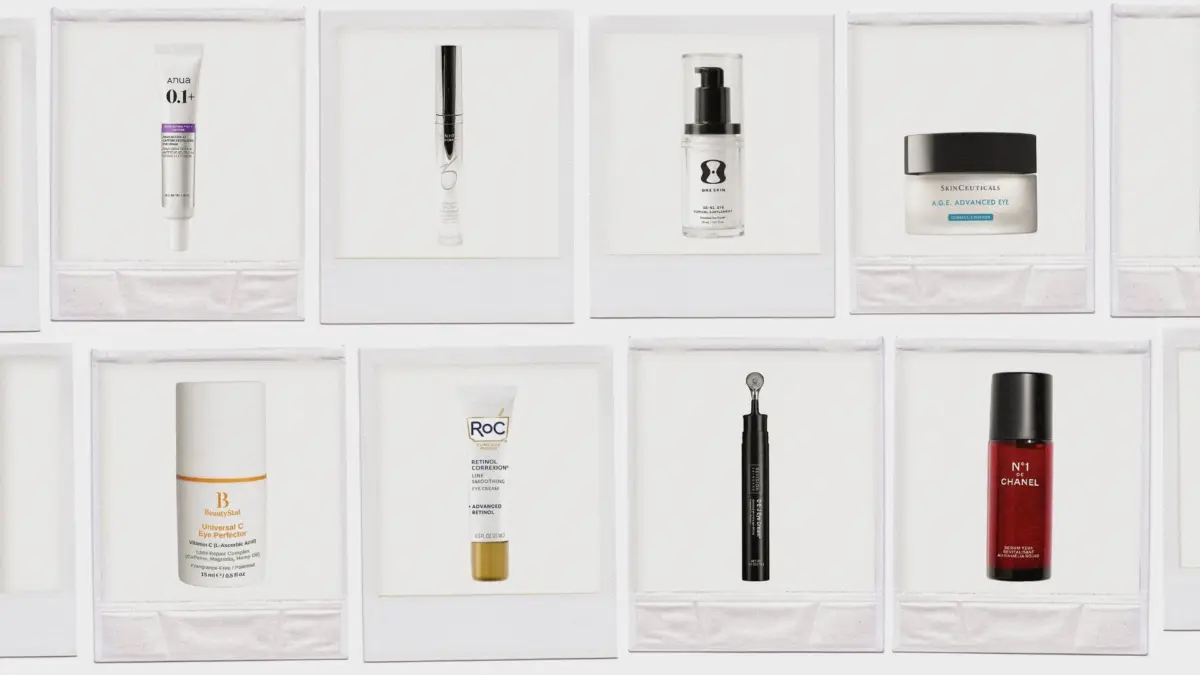
For those dealing with dry under-eyes, the OneSkin OS-01 Peptide Eye Cream has emerged as a notable contender, retailing around $109. When it comes to powerful retinoids, British Vogue’s Jessica Diner relies on the Medik8 Crystal Retinal Ceramide Eye Serum, priced at approximately $54, which offers the skin-smoothing benefits of retinal alongside soothing ceramides. Another favorite in the peptide category is the ZO Skin Health Growth Factor Eye Serum, retailing for $129, designed to support skin density and resilience.
For mature skin showing deeper signs of aging, Vogue’s Kiana Murden turns to SkinCeuticals A.G.E. Advanced Eye, which retails for around $125 and is specifically formulated to target glycation-related aging and dark circles. On the international front, the Anua Retinol 0.1 Caffeine Revitalizing Eye Cream offers an accessible option at roughly $22, blending gentle retinol with de-puffing caffeine.
Application method can also play a major role in product efficacy and user experience. For those prioritizing a cooling, effortless application, Chanel N°1 De Revitalizing Eye Serum, priced at $105, is favored by editors like Kiana Murden for its specialized applicator and revitalizing formula. When vitamin C is the primary objective, the BeautyStat Universal C Eye Perfector, retailing between $52 and $65, provides a potent dose of antioxidant brightening power.
For comprehensive care across the entire eye area, Revision Skincare D.E.J. Eye Cream, priced at $125, offers robust multi-targeted support. Meanwhile, classic options like the RoC Retinol Correxion Eye Cream, available for around $22, remain enduring drugstore favorites for effective retinol integration. Finally, for those whose primary concern is underlying vascular redness, Isdin Isdinceutics K-Ox Eyes, retailing at approximately $106, utilizes specialized ingredients to improve the appearance of dark, discolored blood vessels.
Despite the multitude of products available on the market, dermatologists emphasize the importance of understanding the limitations and expectations of topical skincare. When evaluating whether eye creams can truly reduce dark circles, Dr. Hadley King and other specialists note that clinically proven ingredients do offer genuine, visible benefits when matched correctly to the underlying cause.
Dark circles caused by vascular congestion can be effectively targeted with ingredients like caffeine, vitamin K, and arnica. Conversely, dark circles driven by true hyperpigmentation respond better to retinol and vitamin C formulations that work to brighten and fade discoloration over time. However, for those with prominent structural pigmentation or significant volume loss, topical solutions alone may fall short of providing a complete transformation. In these instances, in-office treatments such as injectable dermal fillers are often necessary to alter the contours of the area and help it reflect light more effectively.
While eye creams can significantly soften the appearance of dark circles and improve overall skin quality, experts caution that they are not a magic wand capable of erasing every concern overnight. The skin around the eyes is among the thinnest and most delicate on the entire human body, making moisturization and barrier protection paramount. The right eye cream can minimize the visibility of dark circles, but maintaining realistic expectations is key to a successful skincare journey.
Determining the ideal approach to bright-eyed radiance is a deeply personalized process. Because factors such as natural aging, bone resorption, fat-pad redistribution, chronic sun damage, and seasonal allergies all contribute to what we see in the mirror, dermatologists strongly recommend consulting with a professional to tailor a routine to your specific skin type and physiological needs.
Beyond over-the-counter creams, dermatologists frequently utilize advanced clinical interventions for patients with stubborn under-eye concerns. These can range from prescription topical medications—particularly when dark circles are secondary to chronic allergies—to energy-based treatments like lasers, radiofrequency, and hyaluronic acid fillers designed to correct structural shadowing and volume depletion. For structural concerns like prominent under-eye bags, surgical procedures such as a lower blepharoplasty are sometimes recommended to remove or redistribute excess fat.
Establishing a consistent application routine is equally critical for both treating existing discoloration and preventing future concerns. Experts recommend applying eye cream once or twice daily, incorporating it as the foundational first step in your morning and evening skincare regimens. Mornings, of course, should always conclude with the application of facial sunscreen to protect the vulnerable eye area from further UV-induced pigmentation.
When applying any product to this region, technique matters just as much as the formula itself. Skincare professionals universally advise using the ring finger to gently tap the product into the skin rather than rubbing or pulling, ensuring that the delicate tissue is treated with maximum care.
Ultimately, while topical treatments and professional interventions offer powerful tools for managing dark circles, lifestyle factors also play a foundational role in skin health. Adequate rest, proper hydration, managing dietary sodium intake, and consistent sun protection can all yield noticeable improvements in the appearance of the under-eye area. By combining an understanding of the root causes of dark circles with targeted ingredients and professional guidance, individuals can navigate the vast array of available treatments to find a regimen that supports healthier, brighter skin over the long term.