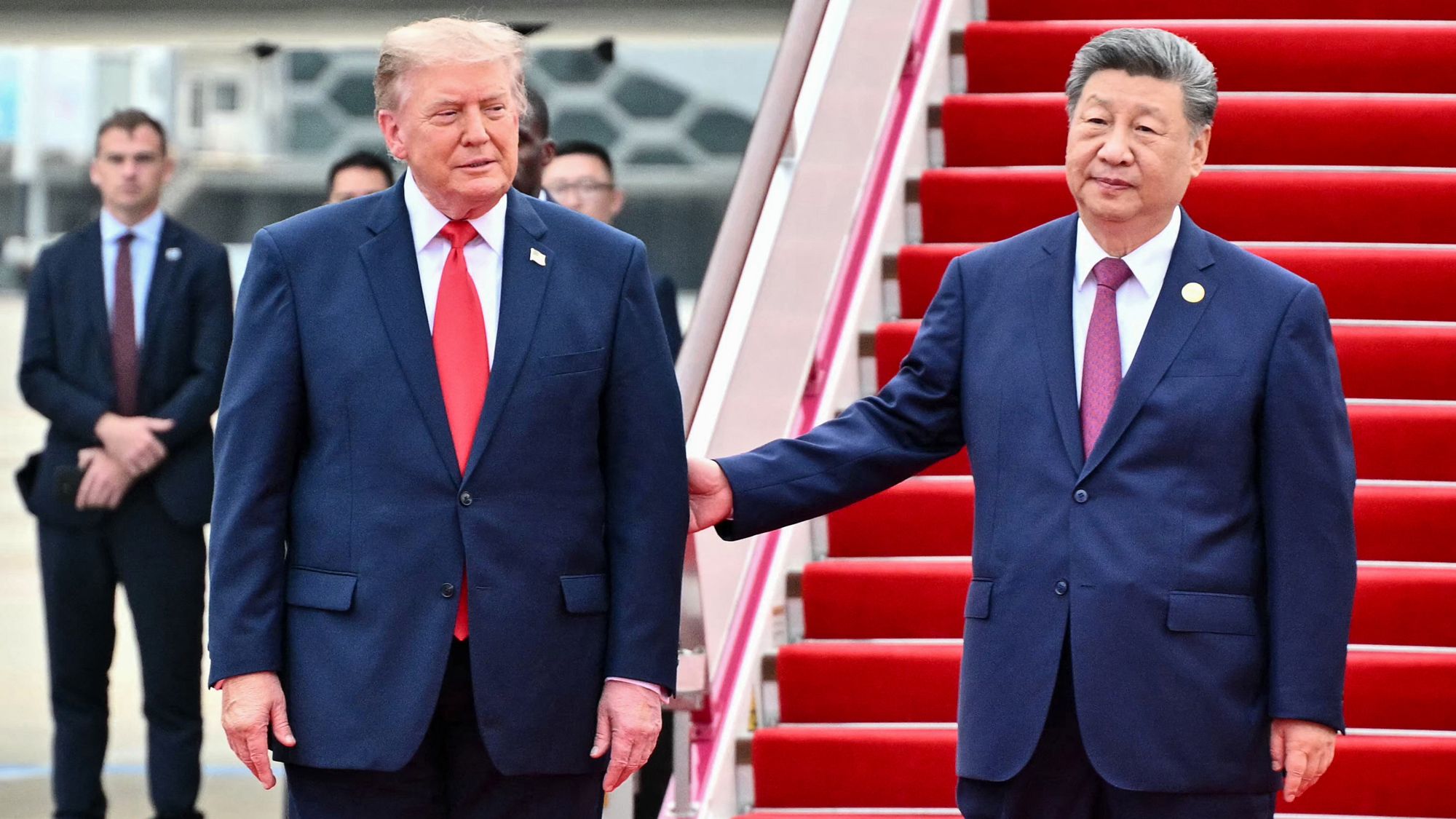
President Donald Trump has made history as the first sitting United States president to visit Shenzhen, the rapidly expanding Chinese tech metropolis that serves as the global headquarters for drone giant DJI. Arriving in the region for the high-profile APEC Forum, Trump’s presence in the booming industrial powerhouse has drawn intense international scrutiny, particularly given the tense trade dynamics and technological restrictions that have defined U.S.-China relations in recent years.
Shenzhen itself represents a staggering modern phenomenon. Just four decades ago, the area was little more than a collection of quiet farming and fishing villages. Today, it has transformed into a towering technological center that boasts more skyscrapers than New York City and a thriving population of approximately 18 million people. As Chinese diplomats coordinate a meticulously planned itinerary for the visiting American leader, the city is presenting its most advanced innovations to the world stage, showcasing an industrial capacity that commands global attention.
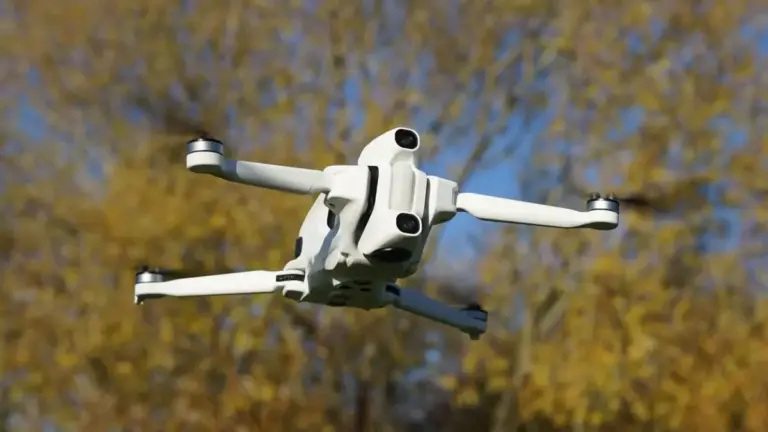
Ahead of the official APEC summit events, regional media gatherings in Guangdong province featured striking displays of technological prowess from Shenzhen’s leading corporations. Among the heavily featured products were cutting-edge electric vehicles from BYD, advanced smartphones from Honor, and, notably, industry-leading drones from DJI. The prominent exhibition of these consumer and commercial technologies underscored the region’s dominant role in global hardware manufacturing and signaled the immense pride local leaders take in their technological achievements.
Rumors quickly circulated that Trump’s packed schedule might include a direct tour of DJI’s futuristic SkyCity complex, the striking corporate headquarters designed by architectural firm Foster + Partners. While confirmation of such a visit remained elusive, the very notion sparked widespread speculation and discussion among international observers and American technology enthusiasts alike. Had a visit to SkyCity materialized, it would have carried profound symbolic weight, especially considering that high-ranking officials within the U.S. government have previously instituted stringent regulatory hurdles and effective bans on the importation and deployment of new DJI products within the United States.
The presence of DJI drones at major showcase events leading up to the APEC summit has been interpreted by some analysts as a subtle expression of Chinese frustration regarding ongoing American trade restrictions. Yet, a potential tour of SkyCity could easily have been motivated as much by architectural appreciation as by industrial diplomacy. The sprawling corporate campus features two impressive office towers connected by an expansive sky bridge, designed to accommodate a workforce of roughly 15,000 employees. Interestingly, reports noted that many of these employees were instructed to work remotely during Trump’s visit to the city—a city-wide directive aimed at easing logistical pressures during the high-security international conference, rather than a specific measure related to rumors of a presidential walk-through.
This convergence of high-level diplomacy and commercial friction highlights the complex landscape of international trade. Observers have noted the irony that while Washington maintains strict regulatory barriers against specific Chinese technology firms, the products themselves remain foundational to global markets. Commentators discussing the situation have occasionally joked that bridging the divide might require unorthodox diplomatic gestures, such as presenting senior leaders with specialized hardware to inspect firsthand. In all seriousness, however, events like the APEC conference offer a critical platform for bilateral engagement, creating an environment where trade barriers and technological restrictions inevitably find their way onto the negotiating table.
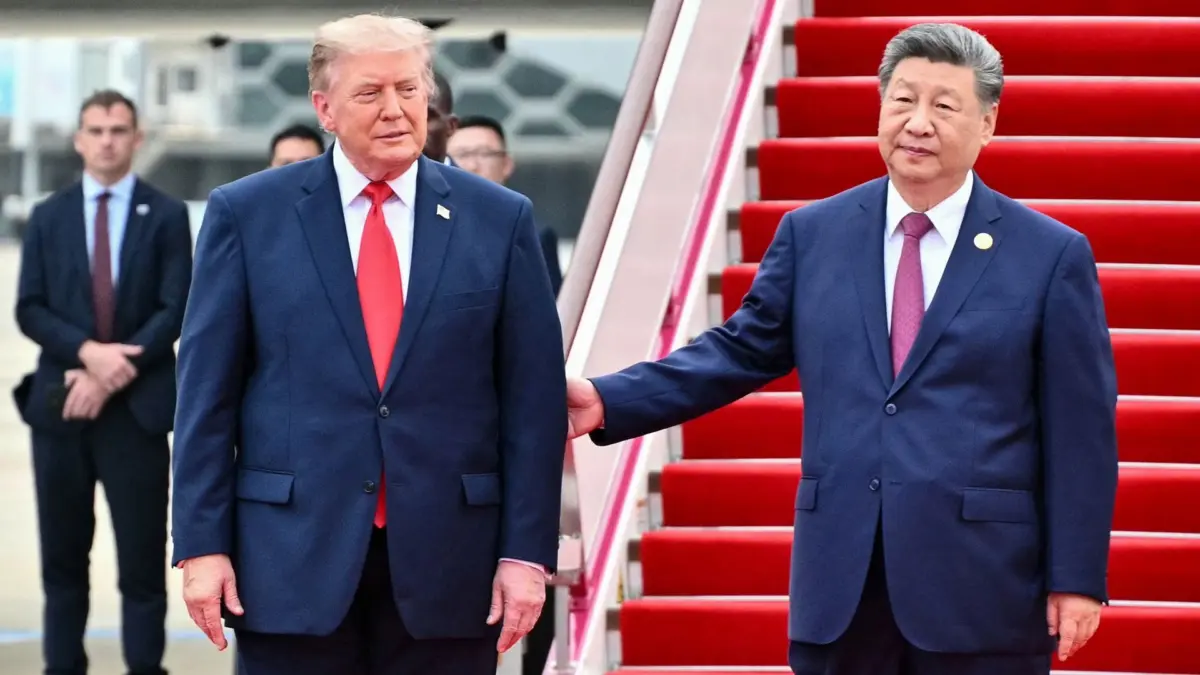
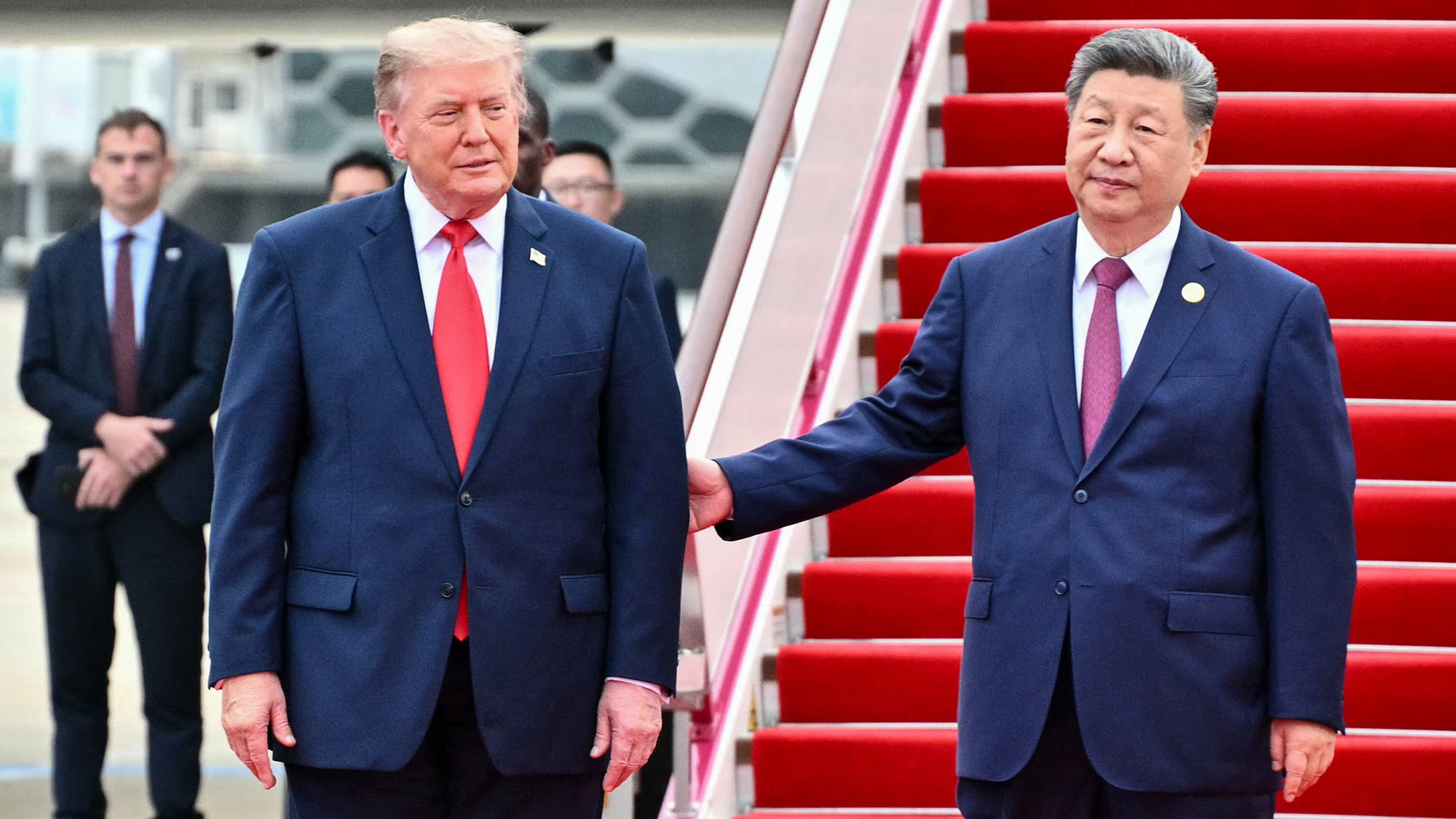
President Trump is currently serving the latter portion of his presidential term under shifting legislative dynamics, a period that historically prompts executives to place a heavier emphasis on international diplomacy and global summits. Following high-profile diplomatic engagements addressing major geopolitical conflicts in regions such as Ukraine and the Middle East, the focus has shifted toward economic summits and bilateral trade discussions. The reception extended to Trump by Chinese President Xi Jinping was notably warm, beginning with a personal greeting at the airport that departed from standard protocol and signaled a high degree of mutual diplomatic respect.
As these international dialogues unfold, economists and trade experts continue to debate the long-term efficacy of sweeping technology and trade prohibitions. Historical precedents, such as the persistent presence of mid-century automobiles in Cuba resulting from decades of strict import limitations, serve as a cautionary tale about the potential unintended consequences of isolating domestic markets from rapid technological advancements elsewhere in the world. While such restrictions are designed to address strategic and security concerns, they also risk leaving domestic consumers and industries detached from the fastest-growing sectors of international innovation.
Despite these broader systemic questions, the inclusion of Shenzhen’s premier companies in high-level summit showcases offers a glimmer of hope for consumers and professionals who rely on specialized equipment. For American enthusiasts and industries longing for unrestricted access to the world’s most advanced aerial photography tools and specialized hardware, the high-level visibility of brands like DJI during a presidential visit keeps the conversation alive. Whether these diplomatic exchanges will ultimately translate into a loosening of trade restrictions remains to be seen, but the sheer spectacle of an American president touring the beating heart of China’s technological revolution marks a notable chapter in modern international relations.