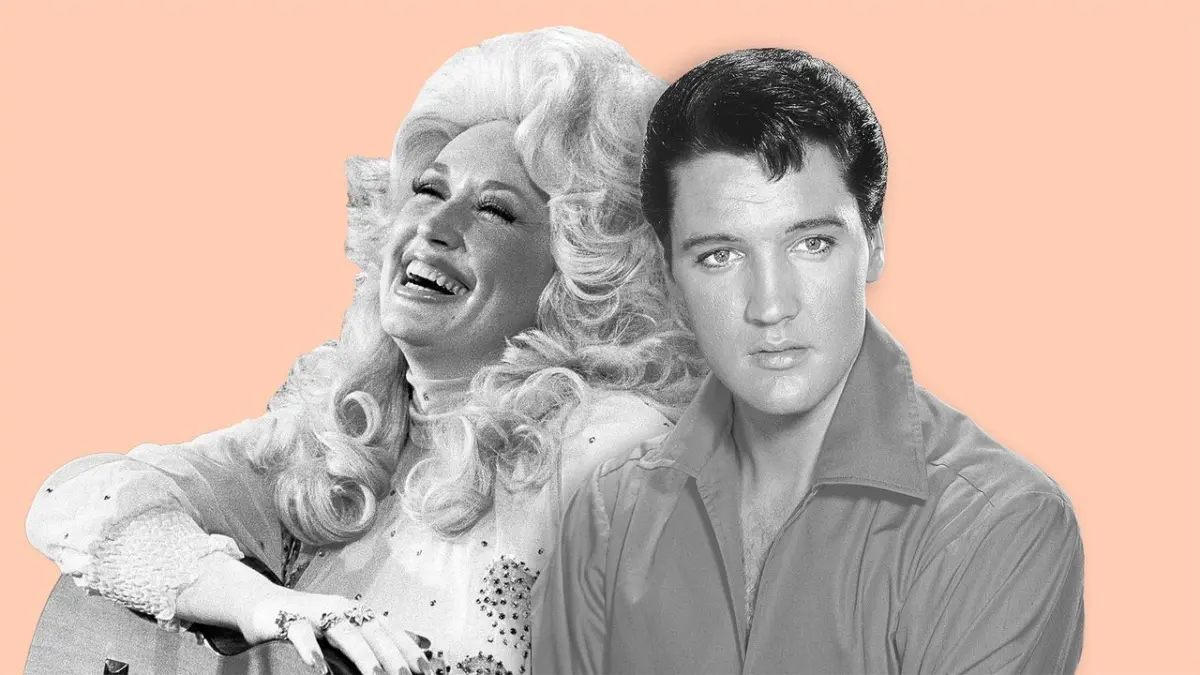
Even in death, Dolly Parton showed up entirely on her own terms. Last month at the Americana Honors, the legendary entertainer accepted a Lifetime Achievement Award through a video recording she had meticulously prepared before her death in August at the age of 80. The poignant appearance served as a final, striking reminder of how deliberately Parton shaped her own story throughout a career spanning more than six decades, proving that her mastery of self-presentation extended right up to her final curtain call.
For millions around the globe, Parton’s presence was a constant, comforting, and revolutionary force. First encountering her as a preteen in a crowded movie theater alongside friends to watch the iconic workplace comedy 9 to 5, many viewers realized immediately that the film was both hilarious and culturally subversive. Raised in households that championed progressive values where young minds were encouraged to believe they could achieve anything they set their minds to, audiences found in Parton a living embodiment of resilience, wit, and formidable business acumen.
Parton’s extraordinary trajectory proved that a personal brand works best when it is built authentically on who an individual actually is, rather than bending to the rigid expectations of others. Her remarkable life, sprawling business empire, and enduring cultural impact offer profound lessons for modern leaders navigating the complexities of public identity and influence.
1. Decide whether you’re a role model or an activist.
In the timeless anthem “9 to 5,” Parton’s character deals with the exhausting realities of workplace sexism. Her boss looms large and oversteps boundaries, yet she rebuffs his advances in a way that is brilliantly humorous. Women sitting in movie theaters across the world instantly understood the subtext, laughing in shared recognition of the systemic hurdles they faced daily.
Cultural figures often approach social change from different angles. Observers might naturally categorize someone like Gloria Steinem as a traditional activist, while viewing Parton more comfortably as a role model. Yet, despite their contrasting methods, both women were ultimately advancing the very same cause of women’s empowerment, making it a foundational pillar of their respective public identities.
Parton consistently showed girls and women that they could look precisely the way they wanted—embracing hyper-feminine glamour, rhinestones, and wigs on their own terms—while still achieving massive professional success. Her message was never about adhering to a prescribed mold; instead, it was always focused on what an individual could accomplish through talent and hard work, rather than what society dictated they should do. Furthermore, she wielded humor with surgical precision. People naturally let their guard down when you make them laugh, making comedy a powerful vehicle for delivering deeper truths without causing immediate defensiveness.
When evaluating the concept of a personal brand, professionals must examine their own unique strengths and driving passions. The critical question involves communication: How do you articulate those values to the world? Whether a person aligns with a cause as a thought leader, a supportive ally, a role model, or an outspoken activist, the authenticity of the approach remains paramount. Parton’s enduring legacy demonstrates that true influence is not born from playing a part written by someone else, but from authoring one’s own narrative with unwavering clarity and grace.