As a child growing up in Wuhan, China, Yuan Minghui spent his days immersed in the vibrant life of local wetlands. He picked heavy lotus pods alongside his mother, watched gulls launch themselves into the sky over sweeping lakes with his father, and chased darting dragonflies at sunset with his sister. Those early childhood memories, rooted deeply in the rhythm and biodiversity of the natural world, laid the foundation for a lifelong passion. Decades later, Yuan can still be found in those very same wetlands. But the setting has shifted: rather than running through the reeds, he now lies prone in the mud, waiting patiently for hours with a camera just for a damselfly to lift a single leg or a tiny larva to shift its position.
This meticulous, uncompromising dedication to macro photography has earned Yuan international acclaim. He secured his first major Wildlife Photographer of the Year award in 2014, a milestone that convinced him the following year to leave his traditional job and pursue nature photography full-time. Since then, his work has continued to collect prestigious accolades across the globe, including honors from the International Garden Photographer of the Year, Nature’s Best Photography, and Germany’s Glanzlichter competitions.
Now, a new hardback photography book titled Nature in Close-Up: The Secret World of Wetlands, published by ACC Art Books, gathers the finest examples of Yuan’s career-defining work. Priced at $45 / £40, the 228-page volume measures 250 x 250mm and offers viewers an intimate look at ecosystems that are frequently overlooked by the casual observer. More than anything, the collection teaches us a fundamental lesson about what happens when we slow down, look closely, and examine the extraordinary details hidden within everyday things.
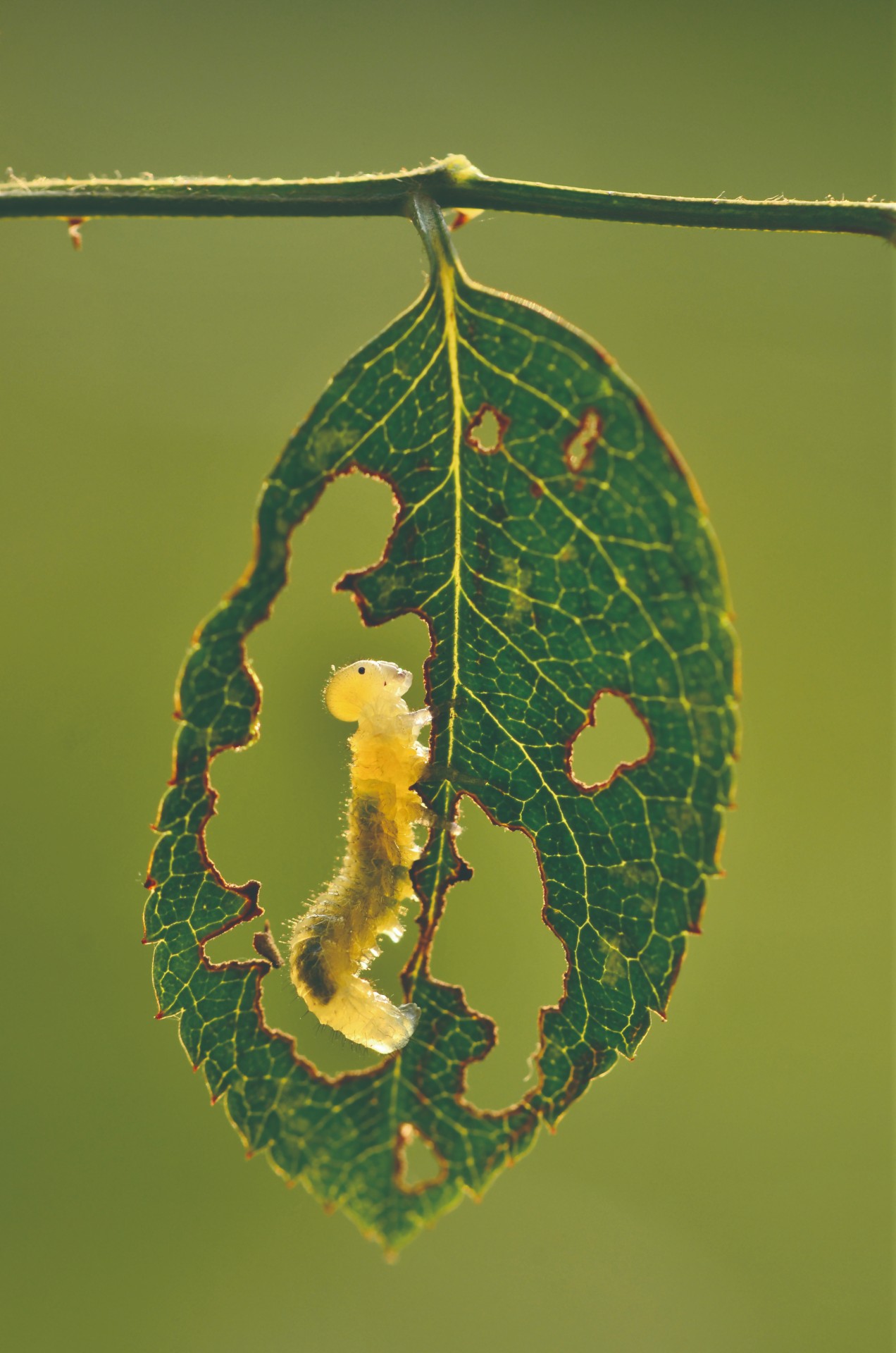
Consider one of the striking images featured in the book: a sawfly larva, having just completed a fresh molt, resting quietly inside a circular hole it has meticulously chewed through a green rose leaf. Backlit by the soft, warm rays of a low sun, the insect’s body glows with a pale, translucent yellow, while the ragged edges of the leaf frame it like a carefully designed stage set.
This photograph is entirely representative of Yuan’s signature approach. By making calculated use of strong backlighting and an exceptionally shallow depth of field, he is able to isolate a microscopic subject from a chaotic, busy natural environment. In doing so, he transforms the inherent messiness of reality into something clean, clear, and strikingly graphic.
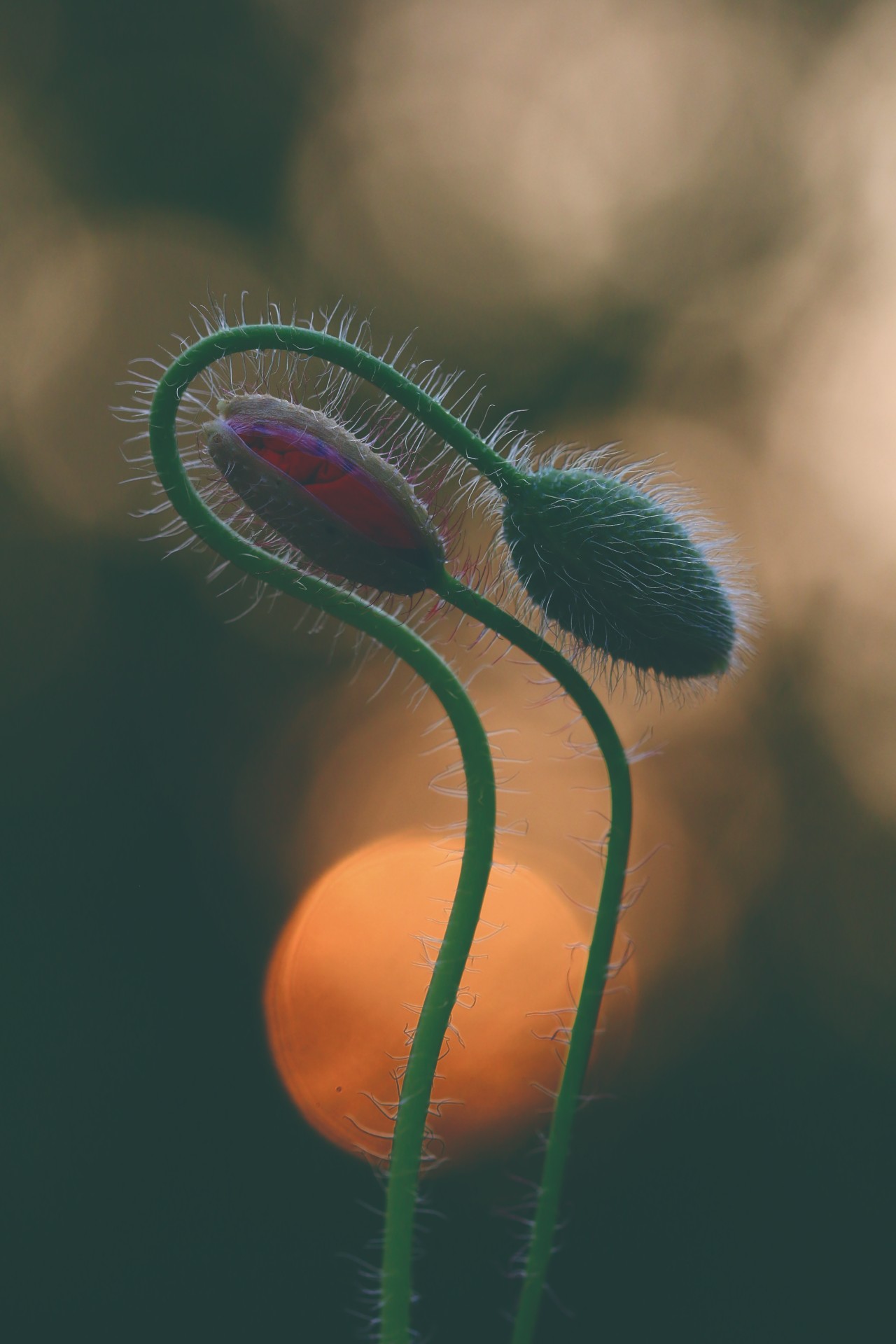
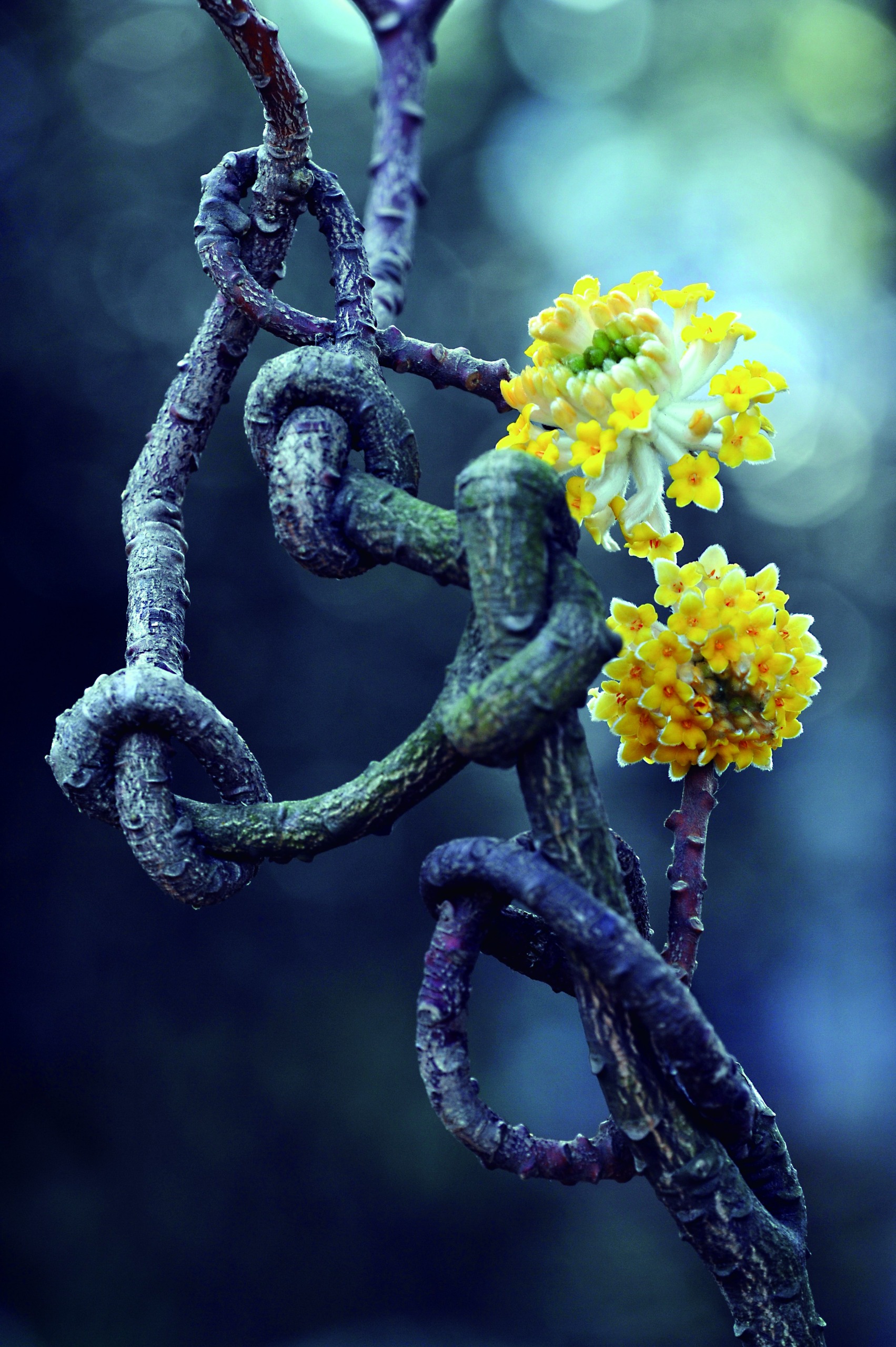
Achieving this level of visual clarity, however, demands extraordinary patience and technical precision. Discussing another standout image from the book, titled Embrace of the Sun—which features winding, delicate vines resembling the shape of a treble clef—Yuan explains the arduous process behind the shot. To capture the scene precisely as he envisioned it, he shot with a wide-open aperture specifically designed to dissolve the cluttered background into a soft blur. He took approximately a hundred individual frames before finally capturing the exact composition he was looking for.
Embracing the Everyday
In the foreword to Nature in Close-Up, Greek nature photographer Ioannis Schinezos reflects on the formidable challenges inherent in this style of photography. He notes that while it is relatively straightforward to shock or surprise an observer with an image of an exceptionally rare and exotic subject, it is infinitely more difficult to succeed in visually elevating an everyday subject that people pass by without a second glance.
It is also worth noting that Yuan rarely presents his photographs as mere clinical or straightforward records of natural history. Each image in the collection is accompanied by a carefully chosen title and a short, poetic text that constructs an imaginative little story about the scene unfolding before the lens.
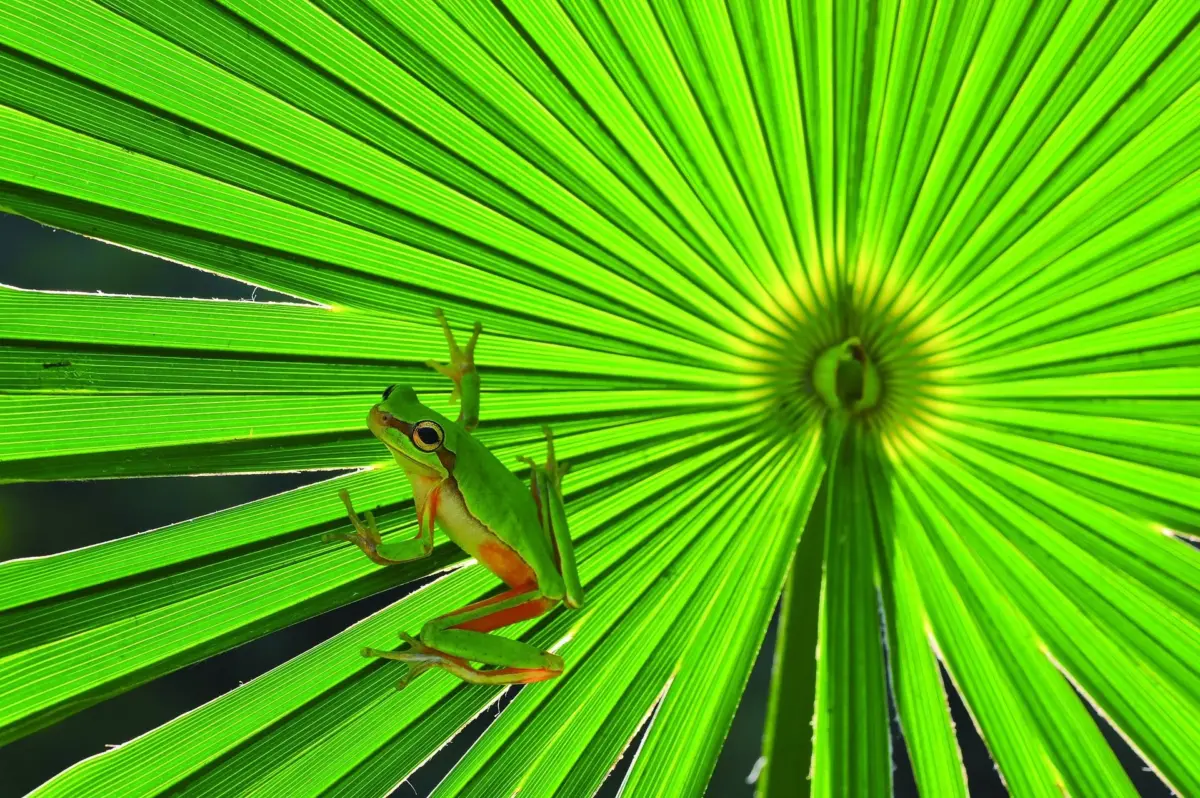
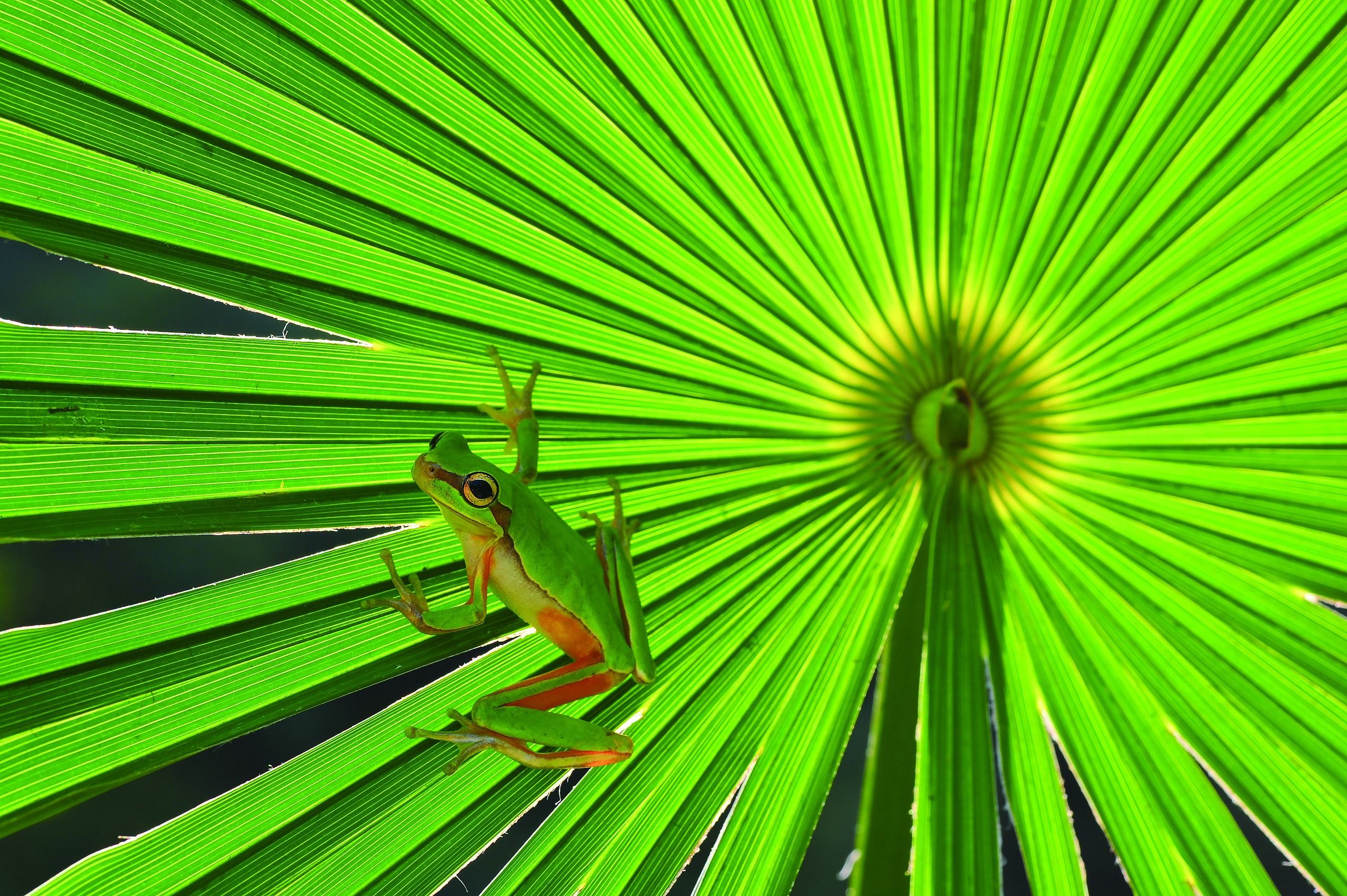
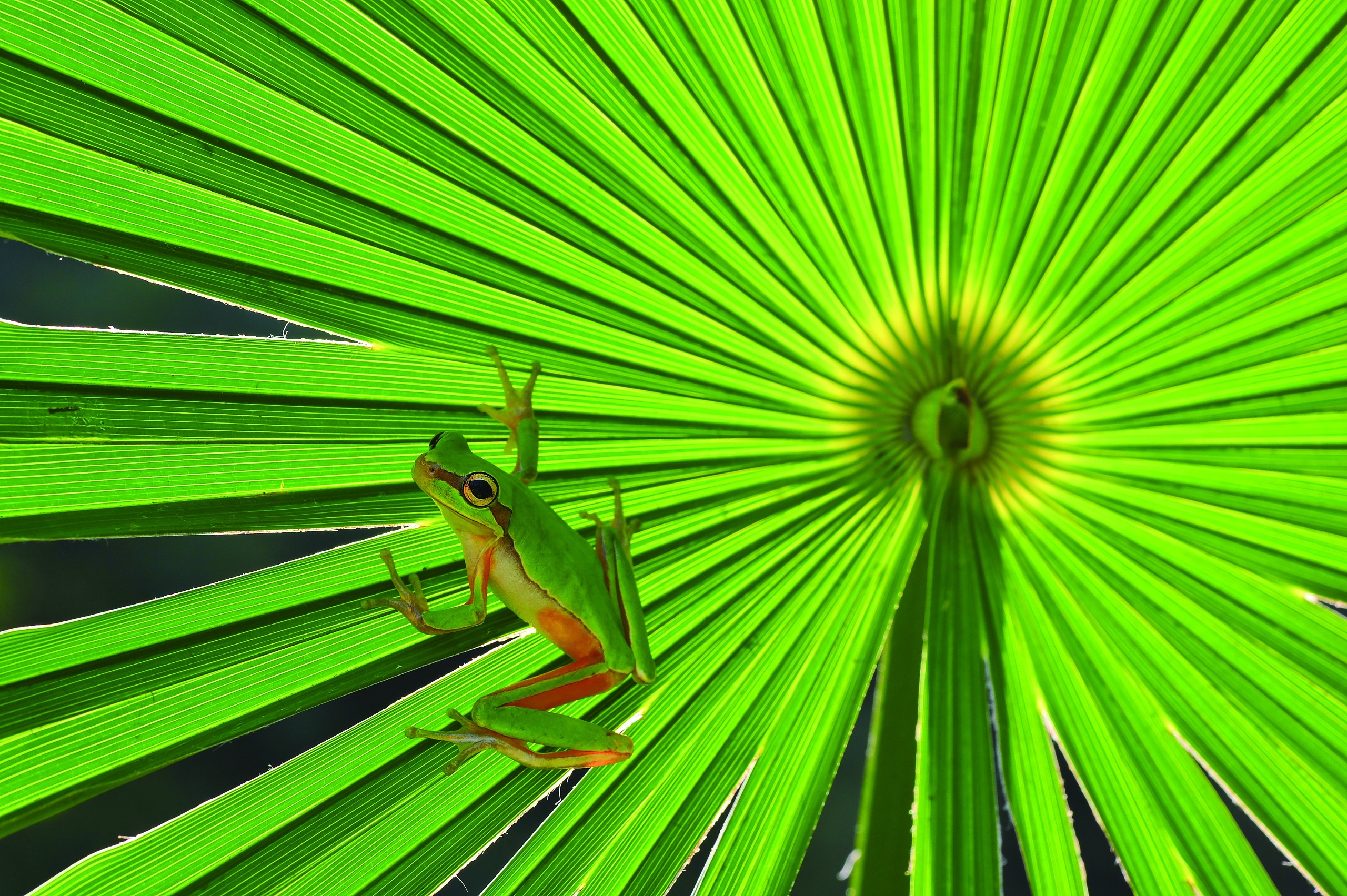
Two budding corn poppies, leaning gently toward one another against the backdrop of an out-of-focus setting sun, are transformed into a pair of lovers locked in a tender embrace. Japanese maple seeds, illuminated at dusk by what the photographer describes as the flickering waves of light passing through his lens, are reimagined as graceful dancers spinning across a grand ballroom floor. Meanwhile, a South China tree toad, photographed resting on a palm frond deep within Hubei province’s Dabie Mountain, is cast as a solo dancer performing under the dramatic illumination of a spotlight created by the radiating leaves.
Another celebrated piece, titled I Have a Dream, offers a striking head-on portrait of a red-faced damselfly perched delicately atop a fragile dandelion seed head, facing the camera directly with one foreleg raised. This particular image earned Yuan top honors in the Nature in China category of the National Geographic Global Photography Competition in 2015.
To capture the frame, Yuan spent a considerable amount of time lying flat on the ground, slowly and silently creeping up on the insect while shooting in continuous high-speed mode. Back in his studio, he meticulously sorted through the captures to select the exact fraction of a second where the damselfly’s foreleg was elevated, giving the tiny insect the striking posture of a passionate speaker addressing a crowd.
A Mission for Conservation
Conservation remains a vital, running theme throughout Yuan’s work. For him, the camera is not merely an artistic tool, but a vehicle for advocacy and awareness.
"For me, nature photography has become a mission; that is to capture more meaningful images to show people the fate of these ordinary creatures," Yuan writes in the book. "Their beauty and dignity is just like the simplicity and life of people."
While many of Yuan’s subjects are captured during the golden hours of dawn and dusk, others require venturing into the wetlands after dark. In Stage of Life, a dragonfly is documented in the dead of night as it slowly emerges from its nymph shell upon a floating lily pad. Nearby, a green frog looks on, watching the transformation with an air of complete and quiet indifference, all dramatically lit against a stark, pitch-black background.
Other images push further into the realm of pure abstraction. In Reflection on Reflection, Yuan challenges the viewer’s perception by turning a photograph of a dawn redwood—mirrored perfectly in a duckweed-covered pond—completely upside-down. The creative inversion makes the dense blanket of green duckweed appear as though it is floating weightlessly in the open air, subverting traditional expectations of landscape photography.
In his foreword, Ioannis Schinezos acknowledges that in a purely technical sense, modern photographic equipment has made capturing nature easier, faster, and more accessible than ever before. Yet, he emphasizes that the most crucial elements of great photography cannot be purchased at a camera store.
"What no shop can ever sell you is your inner way of seeing nature," Schinezos writes. "Photography is not a simple matter of cameras, lenses, apertures, speeds and tripods; it is a question of inner sensibility and philosophy. This is the difference between one photographer and another."