Walk into any major consumer electronics retailer this holiday season and try to purchase a decent, reliable tablet without committing to a monthly payment plan or spending the equivalent of a car insurance premium. The base-model Apple iPad now starts at $449, the compact iPad mini sits firmly at $599, and stepping up to an 11
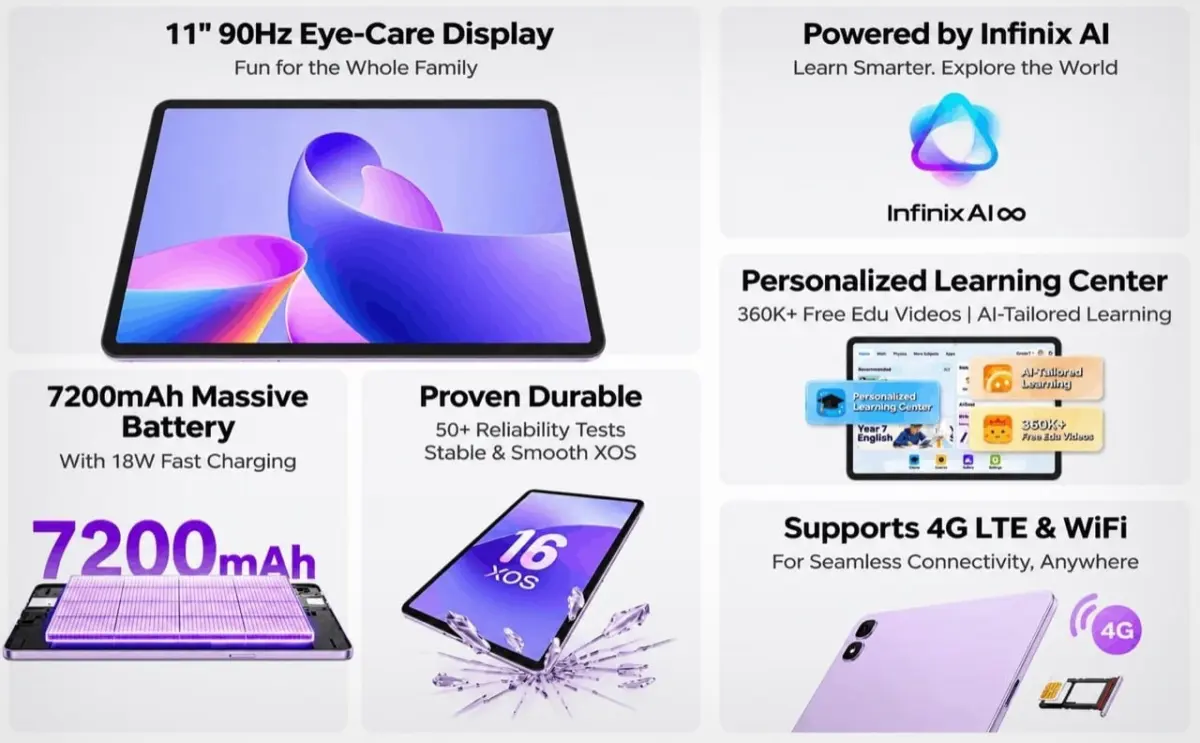
-inch iPad Air will run you $749 before you even glance at an Apple Pencil or a protective keyboard folio. Meanwhile, over in the Philippines, smartphone and tech brand Infinix has just launched the XPAD 30 for PHP 9,149, which translates to roughly $145 USD. For that remarkably modest price tag, buyers receive an 11-inch display with a smooth 90Hz refresh rate, built-in 4G LTE cellular connectivity, a robust 7,200mAh battery, and a dedicated microSD card slot capable of expanding storage up to a massive 1TB.
The debut of the XPAD 30 makes a compelling and disruptive case that today’s notoriously pricey consumer technology is often a calculated business decision dressed up as economic destiny. Industry giants are quick to point out that memory chips have grown exceptionally expensive over the past year, and executives frequently claim they have never witnessed component prices climb at such an aggressive pace. Yet, a brand that primarily caters to price-conscious consumers across developing markets in Africa and Southeast Asia still managed to engineer and ship a large-screen Android tablet complete with cellular connectivity for less than the cost of a premium pair of wireless earbuds. This stark contrast suggests that the $150 tablet remains entirely feasible, and that most mainstream global brands have simply lost interest in manufacturing an affordable entry-level device. Unfortunately for Western consumers, the device is currently limited to a regional rollout in the Philippines, meaning shoppers in the United States and other major markets will have to admire it from afar while weighing whether to invest in significantly more expensive alternatives.
Where Your $145 Actually Goes
A closer examination of the device reveals precisely how Infinix managed to allocate its tight manufacturing budget, with the display consuming the largest and most noticeable slice of the financial pie. The hardware features an expansive 11-inch panel with a resolution of 1,920 by 1,200 pixels running at a 90Hz refresh rate. Interestingly, this provides a noticeably faster refresh rate than the standard 60Hz screen found on Apple’s entry-level $449 iPad. That technological advantage becomes immediately apparent during daily use, whether a user is scrolling through a digital recipe, reading a lengthy online article, or navigating an intensive research project, as motion graphics and text scrolling simply appear smoother and more fluid.
Infinix rates the panel at a respectable 450 nits of typical brightness, ensuring adequate visibility indoors and under standard lighting conditions, alongside TÜV Rheinland Dual Eye Protection certification designed to reduce eye strain during late-night streaming sessions. Supplementing the visual experience are built-in stereo speakers and a physical SIM card slot that enables 4G LTE connectivity, transforming the device into a versatile tool capable of maintaining an internet connection on a crowded commuter bus, inside a bustling classroom, or on a living room couch where home Wi-Fi signals might falter.
The obvious financial trade-offs required to hit this price point are found within the internal silicon. Rather than utilizing cutting-edge processors that drive up retail costs, Infinix relies on the MediaTek Helio G88, an older octa-core chipset paired with Mali-G52 graphics, 4GB of physical RAM, and 128GB of internal storage. This configuration handles routine tasks such as media streaming, e-reading, video conferencing applications, and word processing documents without difficulty, though pushing the hardware with heavy, graphically demanding 3D games will naturally strain the processor.
To mitigate memory constraints, Infinix includes an Extended RAM feature that borrows a portion of the internal storage to act as virtual backup memory, expanding the working capacity to 8GB. While this software trick keeps more background applications open simultaneously, it operates at speeds noticeably slower than dedicated physical RAM. To compensate for the modest 128GB baseline storage, the inclusion of a 1TB microSD card slot ensures users can store entire seasons of downloaded television shows, extensive music libraries, or a full semester of digital lecture recordings without ever worrying about exhausting internal capacity.
Built for Homework, Priced for Students
Students represent the primary target demographic for the hardware, and the XPAD 30 ships running Android loaded with Infinix’s proprietary XOS software skin alongside a suite of integrated artificial intelligence tools. These utilities include features designed to assist with coursework, such as Snap for Answers, One-Tap Ask Screen, and AI Writing assistance. Furthermore, a built-in Personalized Learning Center provides access to more than 360,000 free educational videos and digital resources. Essential productivity and learning suites like Google Classroom, Google Play Books, and YouTube Kids come preinstalled out of the box, allowing students and parents to complete initial setup simply by signing into a Google account.

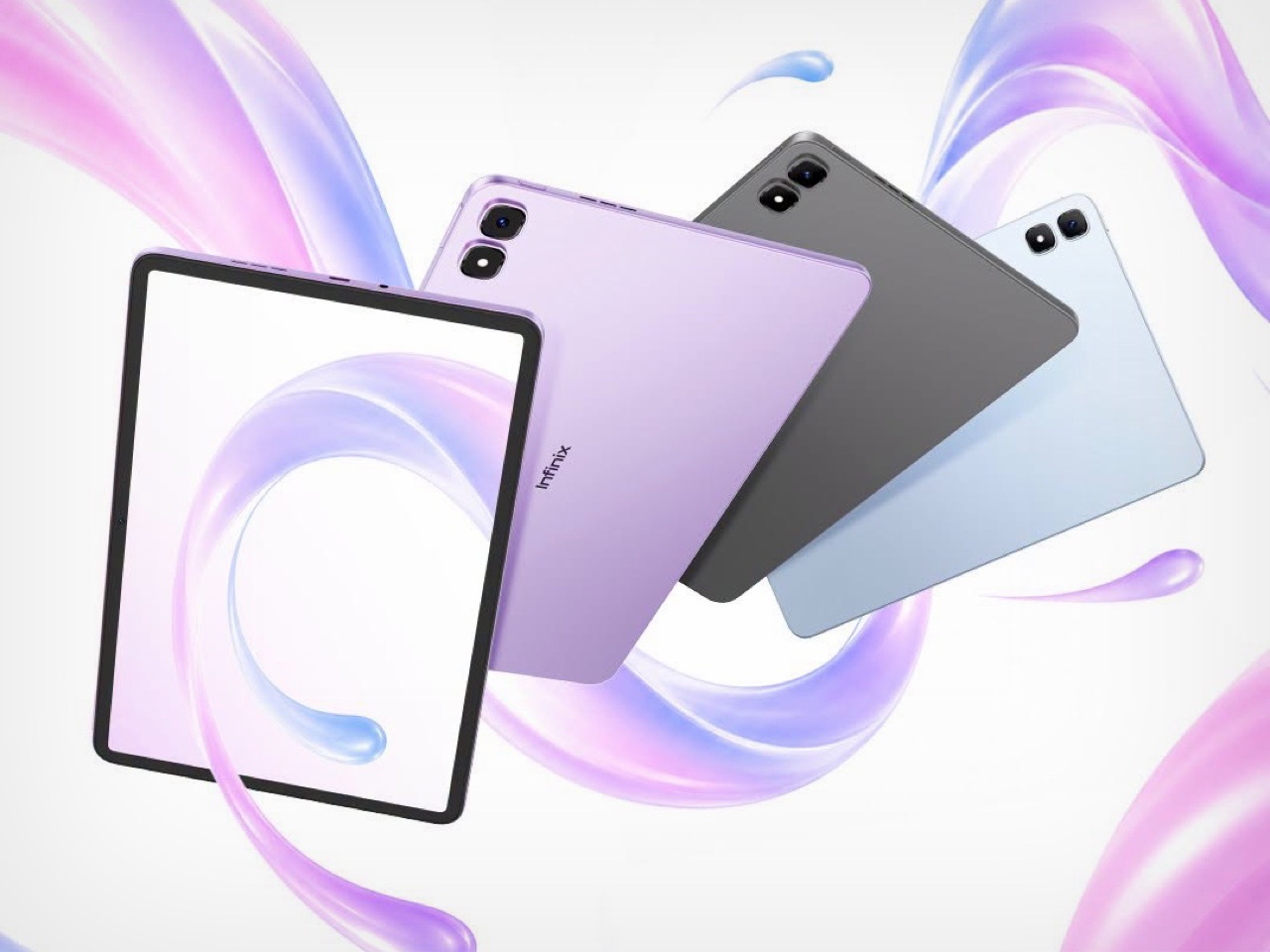
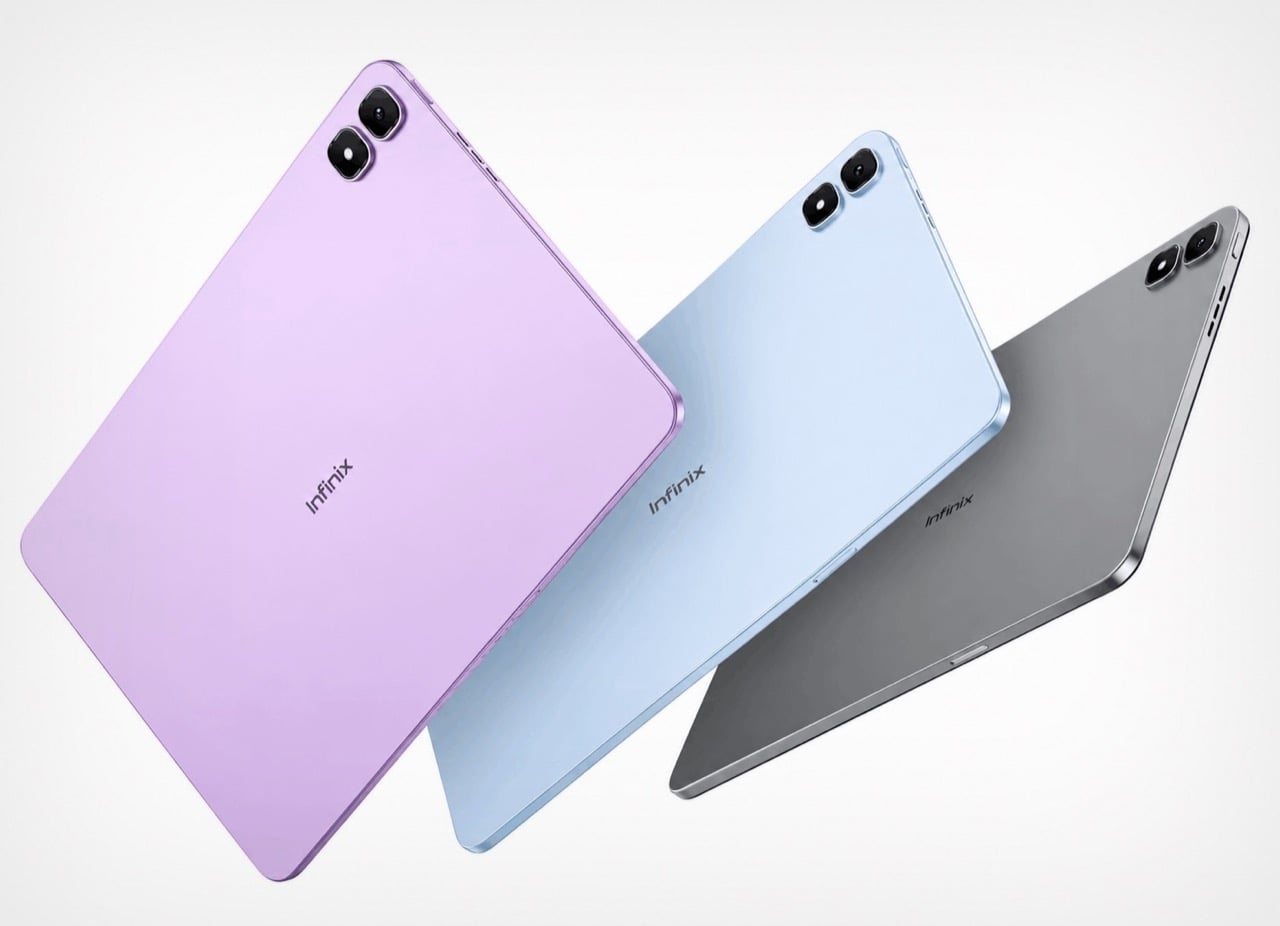
For families, the inclusion of robust parental controls allows guardians to remotely manage daily screen time limits, restrict unauthorized applications, and filter age-appropriate content, addressing the practical features that households look for when shopping for shared technology. Aesthetically, the hardware is offered in three distinct colorways—Lunar Lilac, Stellar Grey, and Cloudline Blue—that present a friendly, modern visual appeal without resembling a children’s toy.
When compared against competing budget options in global markets, the competitive landscape varies significantly. Amazon’s Fire HD 10 serves as a common alternative for shoppers seeking low-cost entertainment tablets, but that device runs on the restricted Fire OS platform, omits the official Google Play Store, and aggressively integrates Amazon’s retail storefront into the user interface. Meanwhile, mainstream alternatives from prominent manufacturers often command substantially higher prices. Samsung’s Wi-Fi-only Galaxy Tab models and comparable entry-level releases from competitors frequently start well above the $200 threshold, with cellular-enabled variants pushing prices even higher. By comparison, the XPAD 30 delivers full Google Android compatibility, mobile LTE connectivity, and a high-refresh-rate screen at a fraction of those costs. For buyers seeking upgraded specifications, Infinix also offers an advanced model known as the XPAD 30 Pro, which features a sharper 2.5K display resolution, a more powerful Helio processor, and a larger 8,200mAh battery for a similarly competitive price point.
Cheap Tablets Are a Choice, and Most Brands Stopped Making It
The broader economic context surrounding the manufacturing of affordable consumer electronics reveals systemic pressures within the semiconductor industry. Memory manufacturers have experienced an exceptionally profitable financial period, driven largely by massive corporate demand for artificial intelligence data centers that consume unprecedented amounts of high-bandwidth memory. In response, major fabrication firms have pivoted their production lines heavily toward enterprise-grade components, inadvertently squeezing the global supply of standard RAM chips traditionally utilized in consumer smartphones and affordable tablets. Prominent component suppliers have reported extraordinary operating margins and multi-billion-dollar quarterly revenues as a result of this market shift.
As component costs escalated, major device manufacturers quickly passed those expenses along to consumers, with global brands raising retail prices across entire product ecosystems, spanning from entry-level tablets to home entertainment media hubs. Even Infinix’s parent company, Transsion, felt the financial squeeze, noting that memory component costs consumed nearly half of its total cost of goods sold earlier in the fiscal year. Despite these widespread industry challenges, the company successfully engineered and distributed a fully functional $145 tablet, demonstrating that affordability remains achievable when corporate strategy prioritizes accessibility.
Looking back at the historical trajectory of the consumer technology market, the current pricing environment contrasts sharply with industry trends from previous decades. The introduction of low-cost mobile computing devices more than a decade ago established an industry baseline where capable, inexpensive tablets were considered the default option—accessible gadgets that could be purchased or gifted without financial strain. The release of the XPAD 30 serves as proof that this accessible baseline can still exist within the modern marketplace, provided a manufacturer makes the deliberate commercial choice to pursue that segment. Currently available through official online retail channels in its launch region, the device highlights a path forward for budget-conscious buyers, even as the rest of the consumer technology industry continues to target higher-margin purchases.