Italian photographer Giovanna Silva has spent years reflecting on the changing spaces of club culture, documenting everything from historic Italian discotheques to the improvised dance floors of contemporary nightlife. Her extensive visual exploration, which began as a commission for the Venice Architecture Biennale, traces how spaces dedicated to nocturnal revelry have evolved over the decades, adapting to shifts in fashion, musical tastes, and rapid advancements in lighting and sound technology.
The project, which ultimately culminated in the publication of her book NIGHTSWIMMING: Discotheques from the 1960s to the Present, offers a unique architectural and cultural perspective on spaces that are typically experienced only under the veil of darkness and heavy bass. For Silva, entering this world initially came with a distinct sense of unfamiliarity. Commissioned by Monditalia to create a project on the architecture of Italian nightlife for the 2014 Venice Architecture Biennale, the subject was entirely new to her.
Looking back on the genesis of the project, Silva notes that her lack of prior familiarity with club culture ultimately granted her an unconventional and detached eye. However, approaching a subject deeply embedded in subculture required a deliberate extra effort and a reinining-in of her own creative compulsions. To build a comprehensive foundation, she and her team began by collecting previously published books on the subject.
Gathering historical literature served a dual purpose. On one hand, it provided essential factual and architectural information. On the other hand, it acknowledged a fundamental reality of club architecture: discotheques are buildings that change their appearance remarkably often. To survive and remain relevant, these venues must constantly adjust to the whims of fashion, the evolution of musical genres, and progress in lighting and sound engineering. Because physical clubs are continuously gutted, remodeled, and repainted, books served as the primary archive for viewing the past incarnations of spaces they were tracking down. Through these printed pages, historical figures began to emerge, breathing human life into the architectural blueprints—critics, architects, DJs, art directors, and club owners whom Silva affectionately refers to as the "night swimmers."
Expanding the Lens: From Italy to the Capitals of Europe
After thoroughly examining the Italian landscape, Silva and her collaborators realized that a complete picture required analyzing the state of the art across four major European cultural capitals: Berlin, London, Paris, and Barcelona. Selecting specific locations within each of these dynamic cities proved to be a formidable challenge. While the research presented at the Venice Biennale needed to be exhaustive, the subsequent book required a much more selective and curated approach.
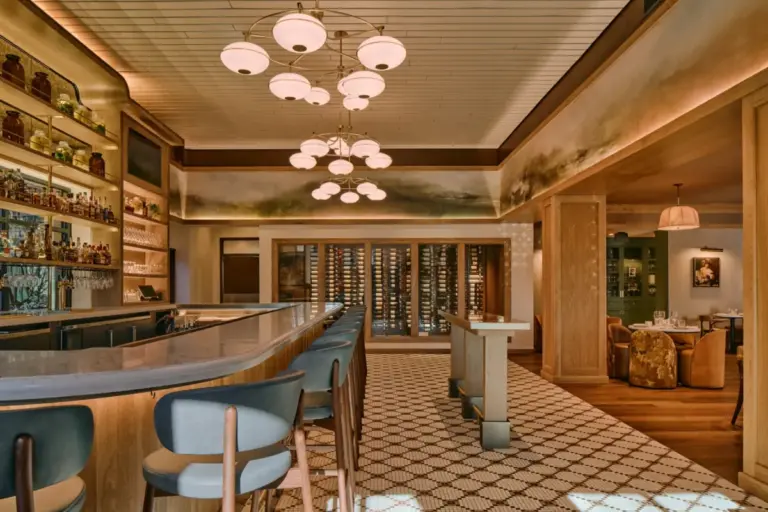
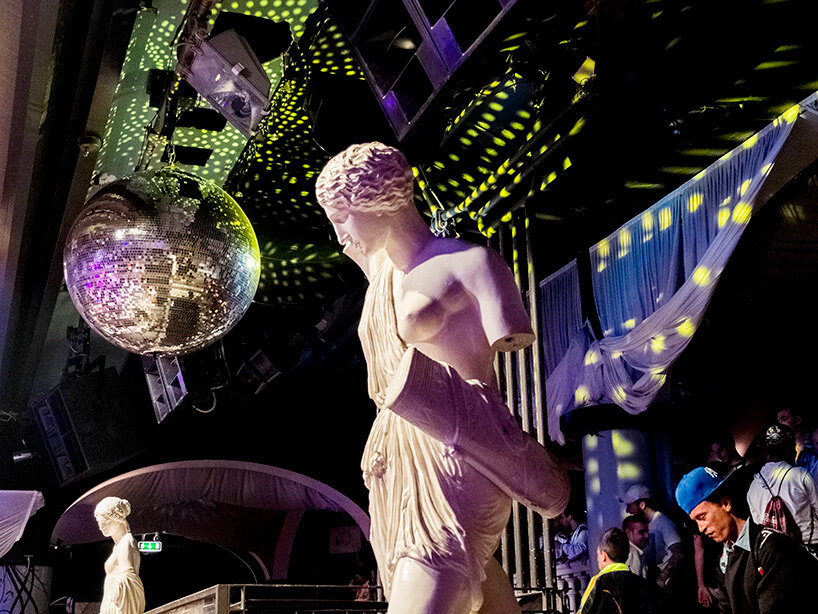
The goal was to catalog clubs that held significant social and musical importance while simultaneously offering compelling architectural characteristics. Silva focused on photographing discotheques that collectively outline a specific, contemporary perception of the night. Her lenses captured a notable modern shift: increasingly, spaces not originally designed or zoned to be discotheques are being occupied and temporarily transformed into party locations. This phenomenon functions as a sort of institutional legalization or mainstream evolution of the 1990s rave concept, where temporary spaces are repurposed for mass gathering.
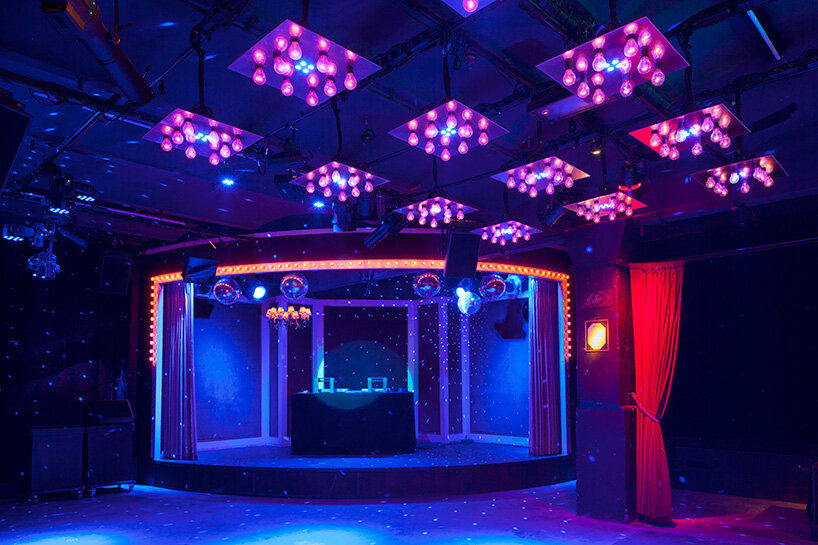
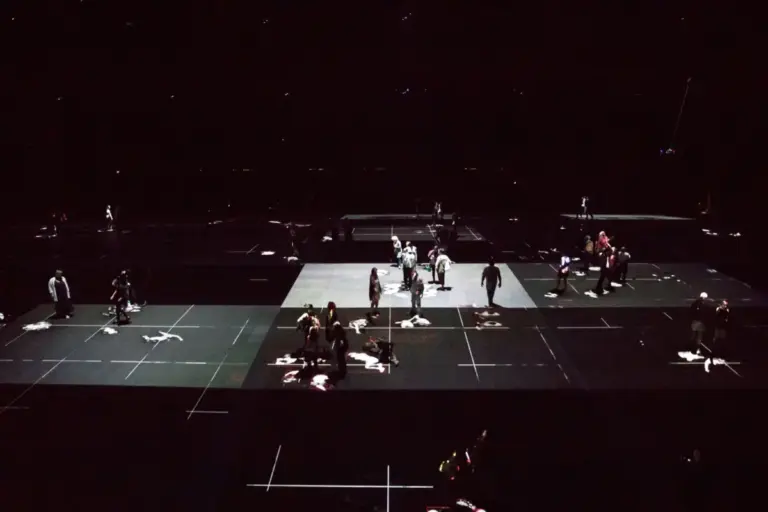
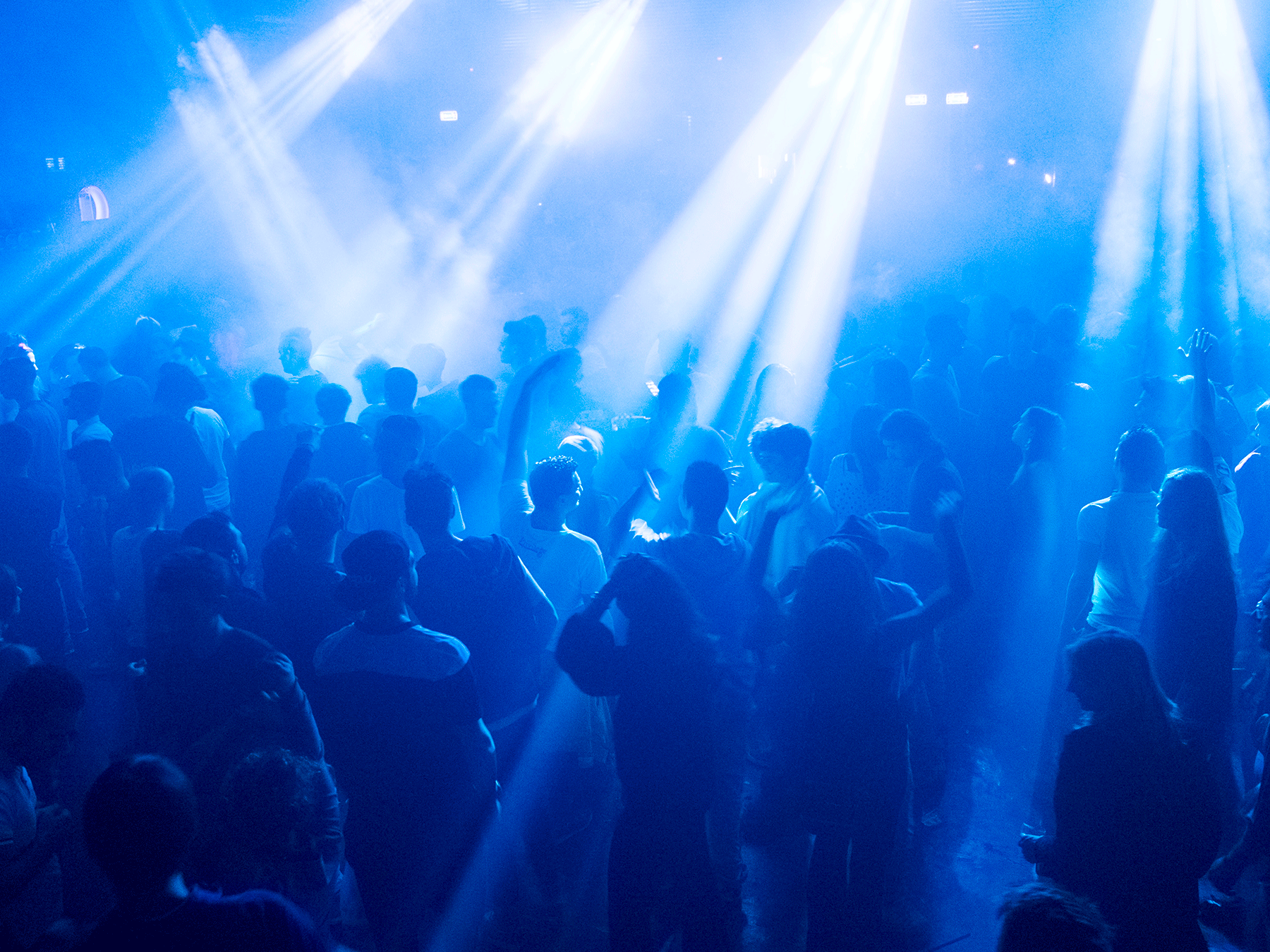
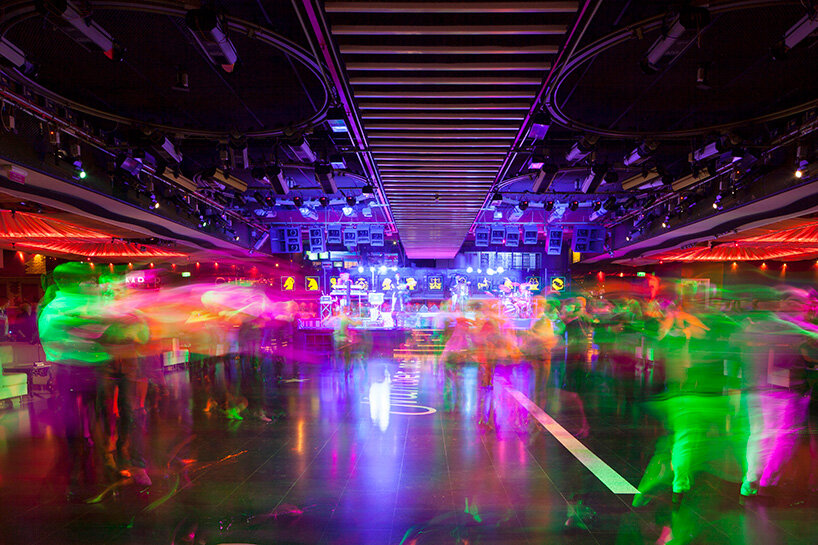
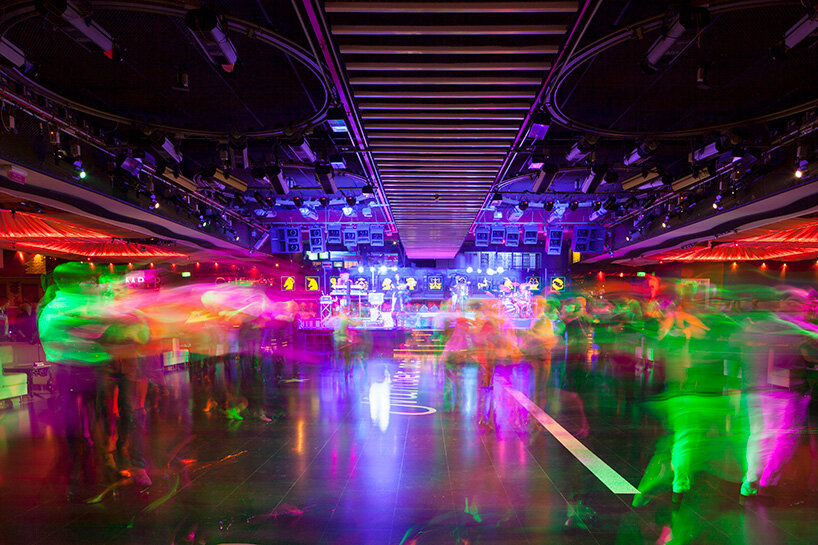
The resulting photographs depict these venues in varying states—sometimes captured completely empty during daylight hours, and other times shown packed with crowds. Through these contrasting images, Silva highlights how human presence and collective movement can completely alter, and at times temporarily erase, the very concept of architectural space.
The Sensory Markers of the Night: Smell and Light
When visiting and photographing a club during off-hours, Silva discovered that certain sensory elements immediately defined the experience. Above all else, the first thing to strike her upon entering any club was the smell. Because she photographed the vast majority of these locations during the day when the music had stopped and the crowds had cleared, the scent lingered as a ghostly reminder of the night before.
Describing it as a sort of Proustian madeleine, Silva noted that this scent was a constant across nearly every venue she visited. She has often pondered its exact origins, trying to determine whether it is simply the lingering smell of industrial cleaning products used after closing, or if it constitutes the true, authentic smell of the night itself—a distinct mixture of human bodies, residual smoke, and heavy-duty detergents.
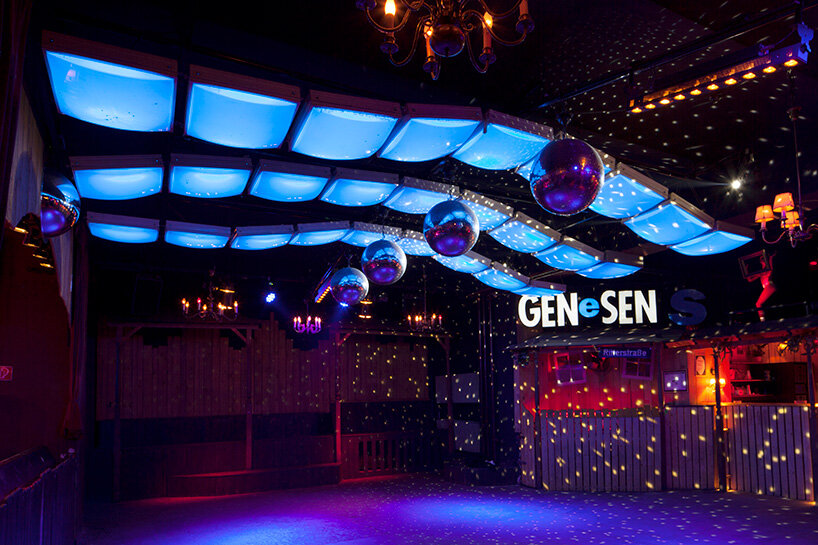
Following the olfactory impact, the second defining element of any club interior is illumination. In the world of discotheques, lights are everything. Silva recalls being told by industry veterans that discotheques are much like older ladies: they should never be seen without their makeup. She completely agrees with this assessment, noting that artificial lighting performs a vital theatrical trick, capable of entirely rewriting the geometry and atmosphere of a space at the simple touch of a switch.
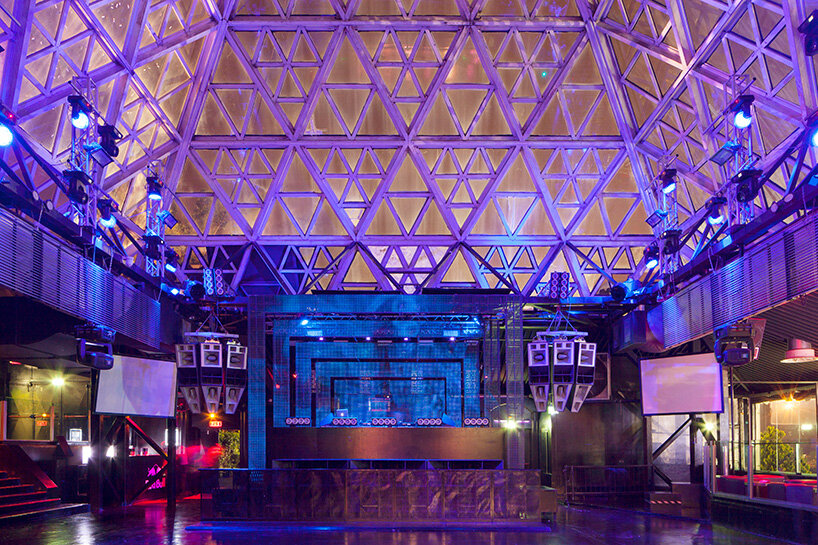
To capture the raw architecture beneath the theatricality, some of Silva’s photographs were intentionally shot using stark white light—an illumination choice that makes everything look flat, clinical, and exposed. Through this rigorous photographic process, something that began as a detached artistic assignment gradually transformed into a familiar landscape. Along the way, Silva’s initial outsider perspective gave way to a deeper understanding, aided by the many individuals within the industry who took the time to explain the complex, ephemeral nature of the night.
Documenting Nightlife Through an Architectural Lens
Based in Milan, Giovanna Silva has built a diverse career bridging photography, publishing, and architectural discourse. Born in 1980, she contributed regularly to Domus magazine between 2005 and 2007 and served as the photo editor for Abitare from 2007 to 2011. Her extensive bibliography features numerous photography and travel books published by Mousse Publishing, Nero Editions, Bruno, Art Paper Editions, Motto Books, and Hatje Cantz, exploring urban landscapes and geopolitical spaces around the globe.
Beyond her individual photography projects, Silva is the founder of Humboldt Books and San Rocco Magazine, and she shares her knowledge through teaching roles at NABA in Milan and ISIA in Urbino. Her work has been showcased in prominent cultural institutions, including the MACRO in Rome, Fondazione Bevilacqua la Masa in Venice, the Triennale in Milan, and the American Academy in Rome.
Her documentation of discotheques continues to stand as a vital record of how physical architecture accommodates ephemeral human desire, charting the physical evolution of spaces where millions have gathered to dance, disconnect, and inhabit the dark.