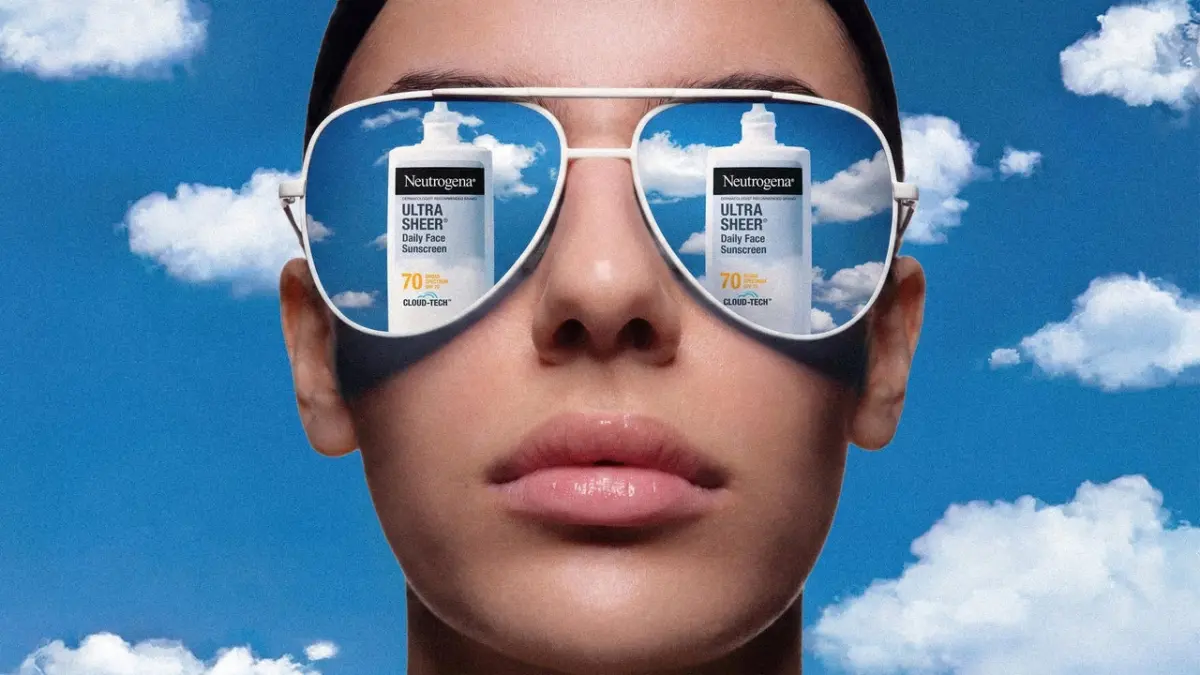
For the first time in more than a quarter-century, American consumers have a brand-new option when shopping for sunscreen: an advanced skin-protecting chemical that has long been a go-to option for sun protection in Europe and other parts of the world.
Following a landmark regulatory decision by the U.S. Food and Drug Administration, which approved the chemical known as bemotrizinol—frequently referred to as BEMT—in June, the first wave of sunscreens containing the ingredient is officially hitting store shelves across the United States. Major beauty and personal care manufacturers, including brands like Neutrogena, are rolling out their latest formulations featuring the chemical, marking a significant shift in a domestic sunscreen market that has seen little modernization in active ingredients for decades.
Dermatologists and skin health experts say the introduction of bemotrizinol fills an important market gap that has persisted in the United States for generations. For years, American consumers have had to choose between older UV-filtering chemicals that offered robust protection but came with frustrating cosmetic drawbacks, or newer mineral alternatives that often fell short of providing seamless application across diverse skin tones. BEMT bridges this divide by offering broad protection comparable to the most well-established sunscreen ingredients on the market, but without the traditional aesthetic downsides—most notably, the stubborn white streaking and heavy residue that have historically alienated many consumers, particularly those with darker skin tones.
Beyond its cosmetic advantages, the chemical arrives with a robust safety profile that has been thoroughly evaluated internationally. BEMT has decades of safety data behind it, including extensive scientific studies demonstrating that it has minimal absorption into the skin. The issue of chemical absorption has long been a significant concern for health-conscious consumers and researchers alike when evaluating older sun-blocking chemicals currently permitted in the United States.
“It’s not a brand-new ingredient that you’re going to be the first person to try,” said Dr. Jennifer Stein, a dermatologist at NYU Langone Health, emphasizing the extensive history of real-world use and clinical evaluation the chemical brings to the U.S. market.
Here is what consumers need to know about this major evolution in American skin care and sun protection.
New ingredient offers broad protection without streaks
To be truly effective in preventing both short-term discomfort and long-term cellular damage, sunscreens must protect against two distinct forms of ultraviolet light emitted by the sun that can damage human skin. These include UVB rays, which are primarily responsible for causing painful sunburns, and UVA rays, which penetrate more deeply and pose the greatest risk of skin cancer and premature skin aging, such as wrinkles and loss of elasticity.
Historically, U.S. regulators have been slow to approve new ultraviolet filters compared to their international counterparts in Europe and Asia, leaving American consumers with a limited selection of active ingredients that could successfully block both bands of UV radiation without degrading rapidly in sunlight or leaving behind unwanted cosmetic effects. Bemotrizinol is exceptionally photostable, meaning it does not break down quickly when exposed to sunlight, allowing it to maintain its protective efficacy over extended periods outdoors. This stability, combined with its ability to absorb both UVA and UVB rays efficiently, makes it a powerful addition to modern sunscreen formulations.
The arrival of BEMT on American shelves represents a potential turning point for public health messaging around sun protection. Dermatologists have long noted that cosmetic unappealingness—such as greasy textures, eye irritation, and conspicuous white casts on medium to dark complexions—remains one of the primary reasons people skip daily sunscreen application. By eliminating these barriers while maintaining high standards of safety and broad-spectrum defense, the new generation of sunscreens aims to encourage more consistent, everyday use of sun protection across the entire population, ultimately helping to reduce the incidence of skin cancers nationwide.