Buying a lamp has traditionally been a rigid exercise in permanence. You pick a shape, you select a spot, and you quietly hope that both choices still make sense after your next move, a room redesign, or a simple furniture shuffle. When circumstances inevitably change and the fixture no longer fits, the outcome is usually predictable: the lamp is relegated to a dark closet, and the cycle of consumer shopping begins all over again.
Designer Joanne Odisho is offering an entirely different paradigm with "Mod-u," a lighting fixture engineered to be continually rearranged as a room evolves over time. Beyond its innovative modular capability, the lamp boasts a startlingly unconventional material composition, with its primary blocks constructed almost entirely from discarded eggshells.
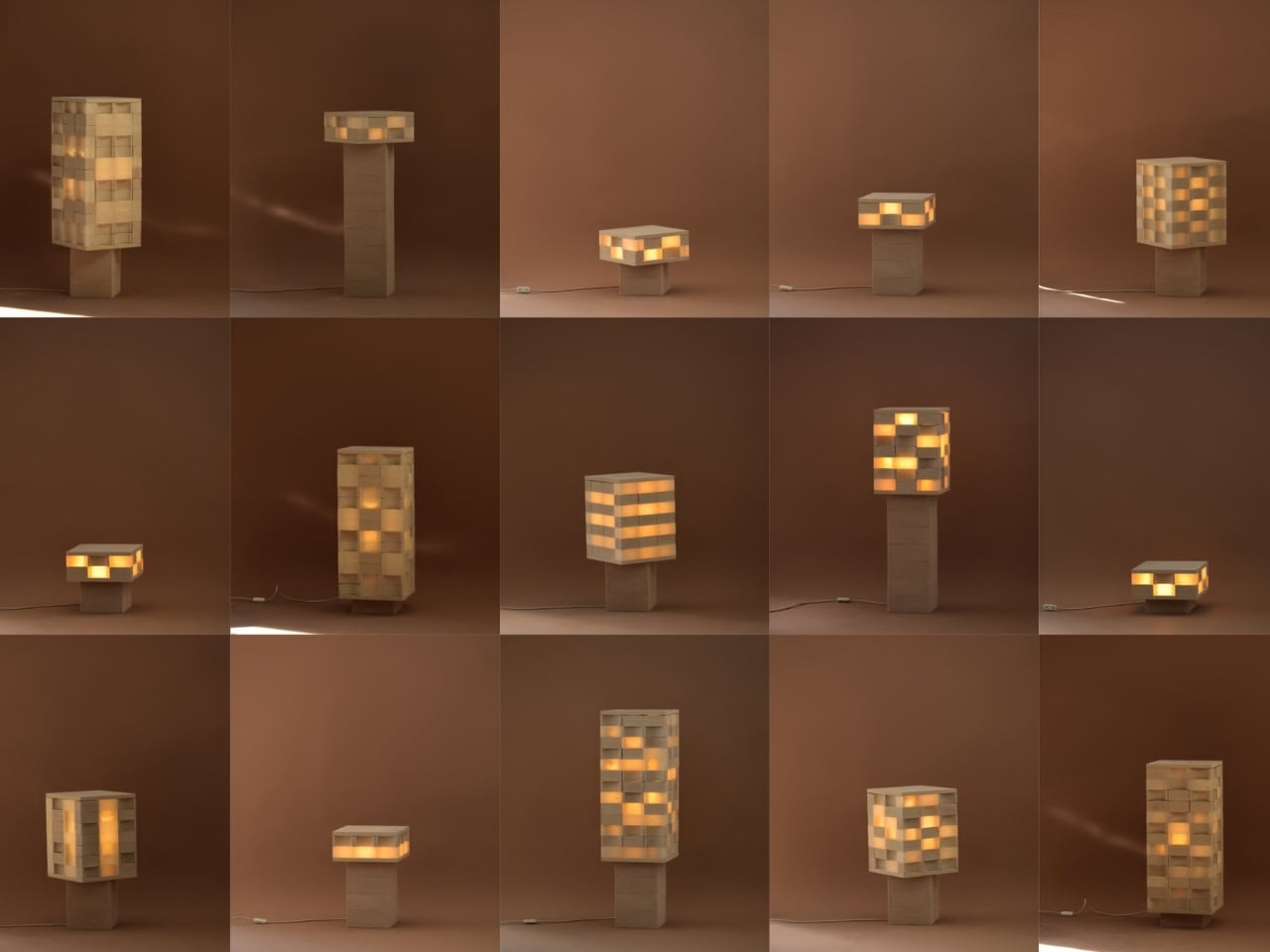
Derived from a combination of the words "modular" and "you," the name Mod-u clearly establishes where Odisho intends the creative control to rest. Rather than arriving in your home with a fixed, immutable silhouette, the lamp is built from rearrangeable blocks that invite ongoing customization. One configuration might provide the ideal warm glow beside a living room sofa, while an entirely different stacked arrangement could later serve as a striking focal point in a bedroom. This design intentionally makes room for a change of mind. While most lighting fixtures require consumers to accept a single shape for the duration of ownership, Mod-u treats that design decision as an ongoing, revisable dialogue between the user and their space.
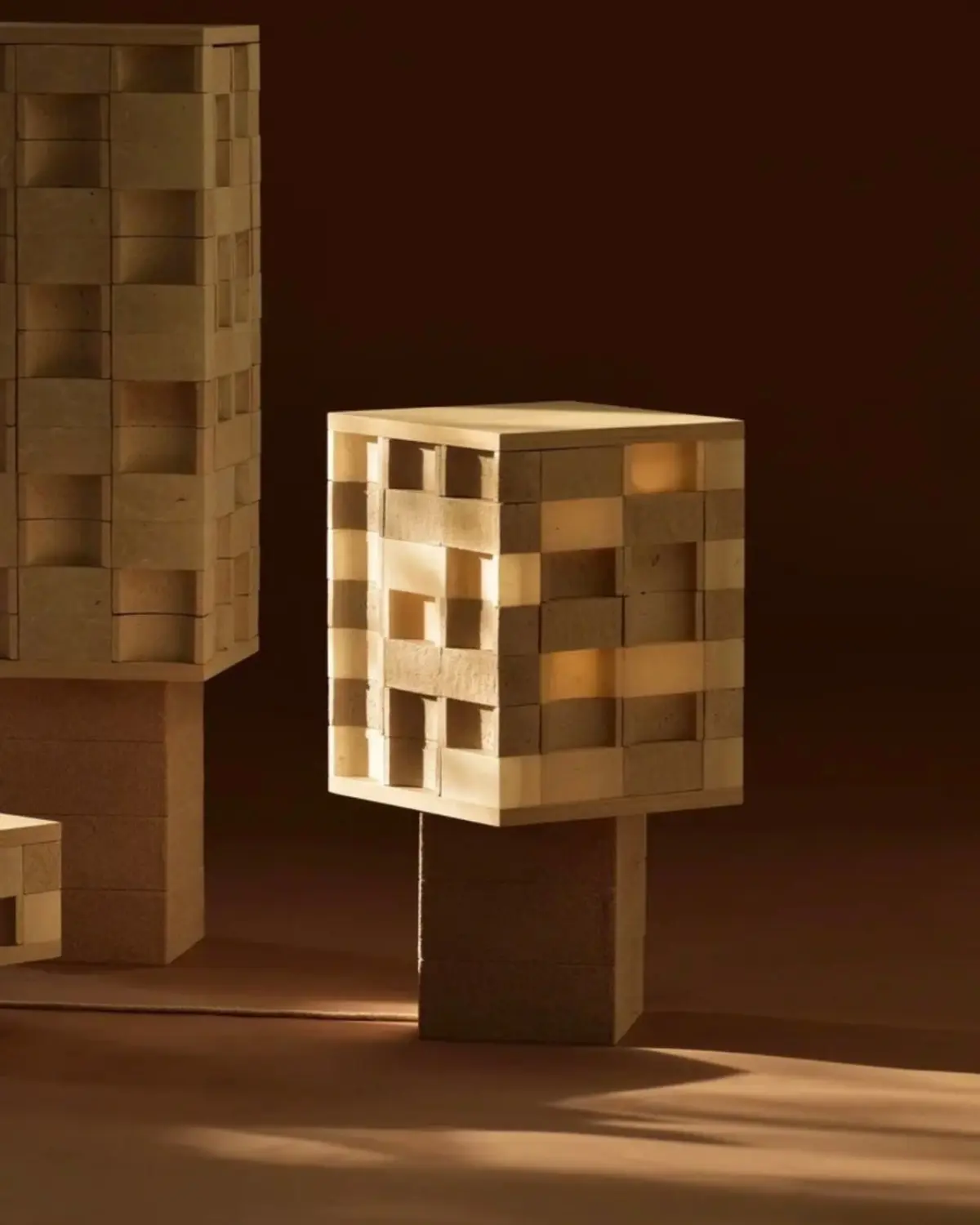
With a chunky, stacked profile, the blocks give Mod-u the distinct presence of a tactile tabletop sculpture. This inherent playfulness is a vital component of its appeal. Modular furniture and home goods can frequently feel like complicated puzzles that require mental labor to solve before a user is even allowed to enjoy them. In contrast, Odisho’s creation looks inviting and approachable even before one fully understands its mechanics.
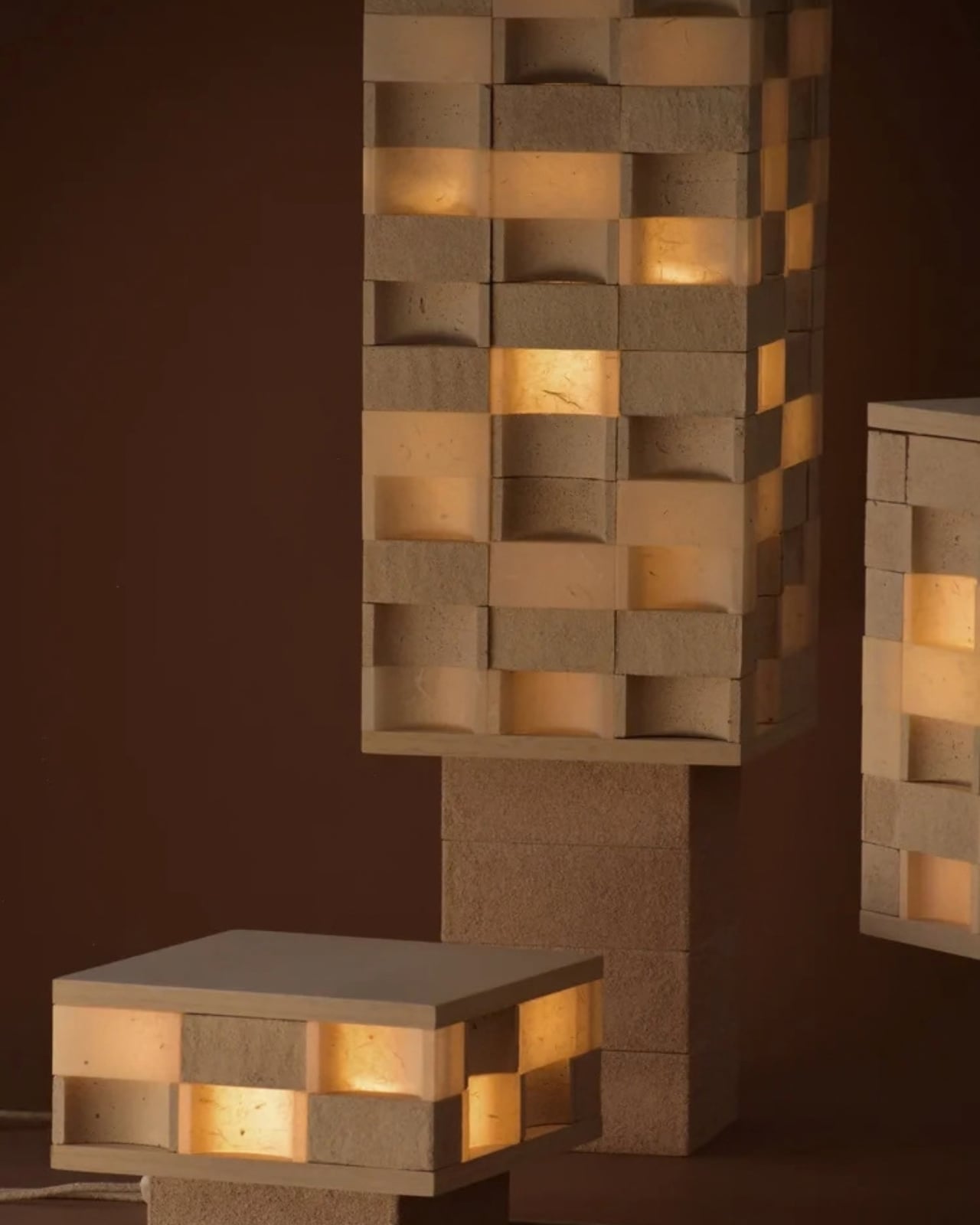
Odisho has frequently described the project as a lighting solution capable of growing, shrinking, and morphing alongside the ever-changing environments inhabited by people. It is effortless to visualize adjusting the blocks after a major life event like moving to a new apartment, but the design is equally responsive to much smaller, subtle shifts in daily life—such as deciding that a specific corner of a room requires less visual weight on a Tuesday afternoon.
The most chemically and environmentally intriguing aspect of Mod-u, however, lies in its raw ingredients. Odisho sources discarded eggshells directly from local cafés, thoroughly sterilizing and drying the kitchen waste before grinding it down into a fine powder. This powder is then combined with a biopolymer to form a highly moldable material that sets successfully without the energy-intensive process of firing. Once cast, the pieces are left to dry naturally in the open air for approximately a week.
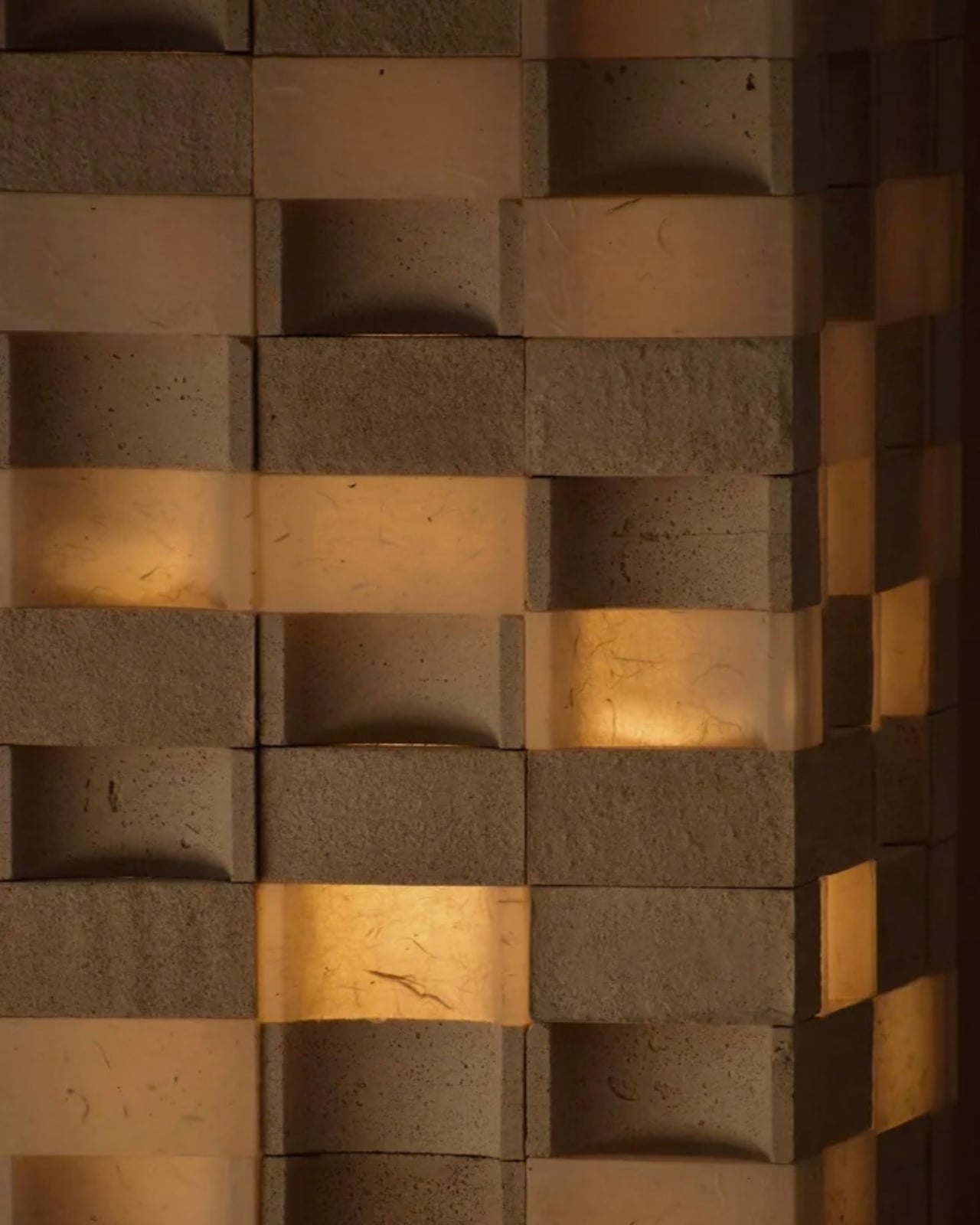
Crucially, Odisho chooses not to add any synthetic dyes to the mixture, allowing the finished blocks to retain the subtle, organic variations inherent to the original eggshells. This restraint proves to be a defining design choice. The material possesses an authentic origin story that is well worth highlighting, and its warm, uneven tones grant the lamp significantly more character than a uniform, mass-produced plastic or ceramic finish ever could.
While utilizing discarded biological material provides an undeniably compelling entry point, eggshells alone do not tell the entire story of the product’s longevity. Any sustainable product can utilize unusual or eco-friendly ingredients and still easily fall victim to the modern trap of consumer fatigue, becoming just another object that owners tire of and discard quickly. Mod-u presents a much more convincing long-term sustainability argument through its functional design, which actively gives the owner a practical reason to keep using it rather than replacing it.
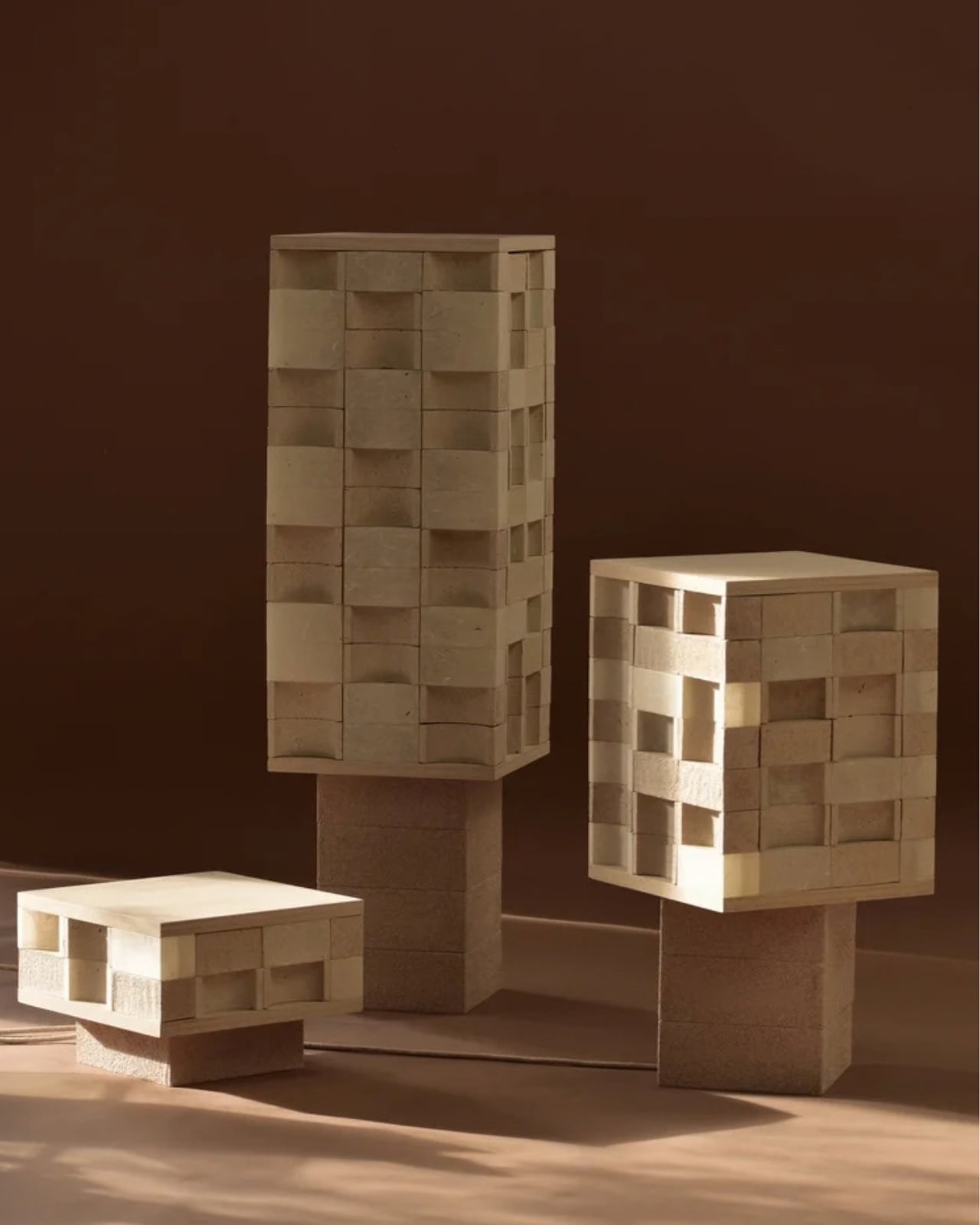
Reconfiguration alone will not magically make a single lamp fit every conceivable room or match every future aesthetic taste, nor does it entirely eliminate the broader industrial question of what happens to a complete product at the very end of its lifecycle. However, it successfully challenges the deeply ingrained modern assumption that simply wanting a fresh visual look in your home requires acquiring an entirely fresh object from a store.
This core dynamic is precisely why Mod-u feels remarkably more compelling than many contemporary home goods that merely advertise their unusual ingredients as a marketing gimmick. The eggshell composite successfully captures a buyer’s initial attention, but the continuous invitation to physically rearrange the modular blocks is what ultimately holds it. Discussions surrounding adaptable design in the modern marketplace are frequently dominated by pure functionalism, focusing heavily on raw efficiency and clever engineering feats. Mod-u, by contrast, possesses a deeply personal appeal. It empowers users to respond directly to the emotional and physical realities of their own living spaces rather than attempting to meticulously preserve the exact static arrangement captured in a designer’s promotional photographs. The resulting aesthetic might be less clinically polished than factory-standard decor, but it belongs entirely to the inhabitant.
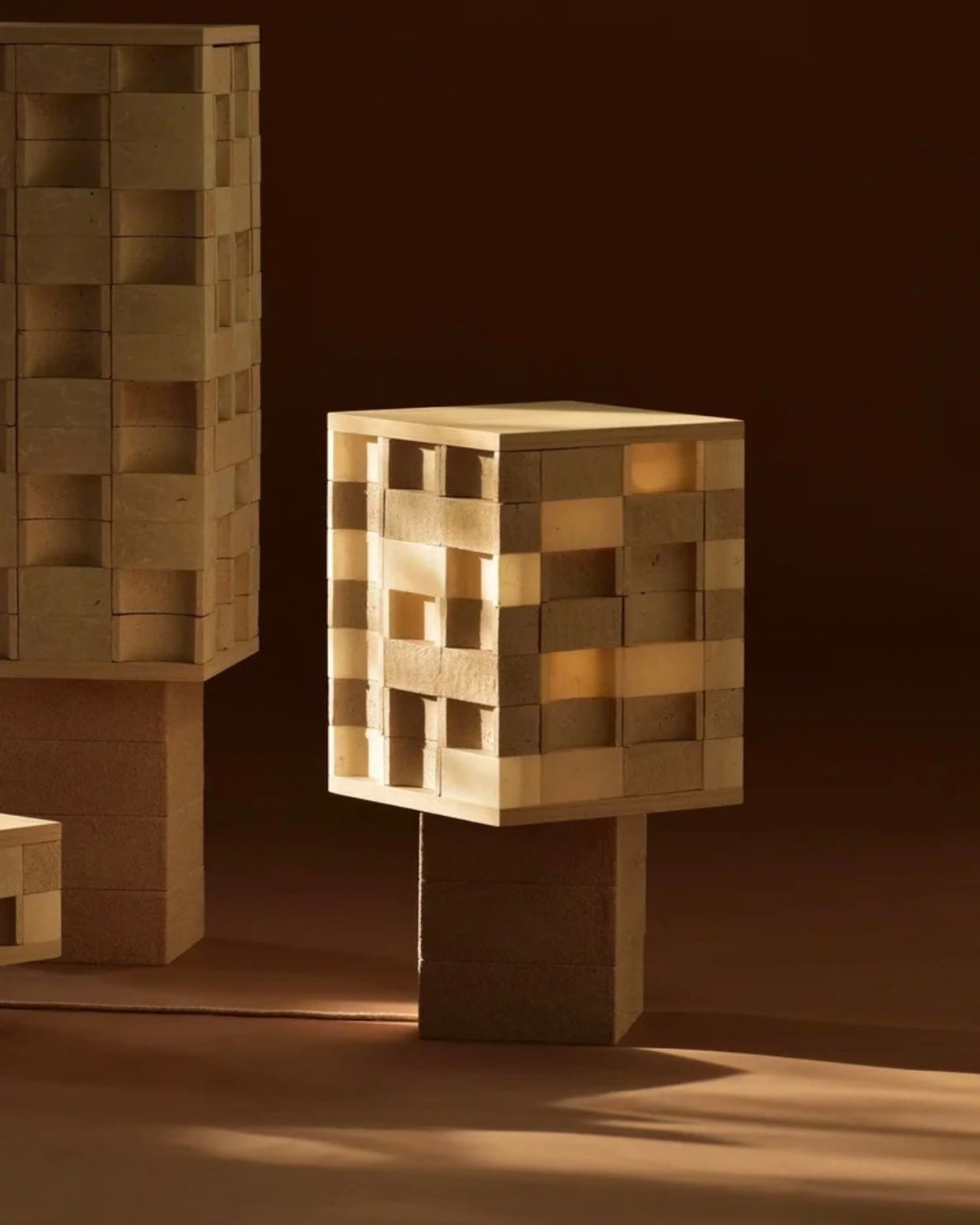
Odisho’s inventive concept has already earned significant recognition within the design community, notably capturing the 2026 Australian Furniture Design Award. That prestigious accolade includes a valuable opportunity to collaborate directly with the established furniture company Stylecraft to work toward commercial production, raising fascinating questions about the product’s future. Transitioning a compelling, small-batch design concept into the rigorous commercial realities of manufacturing, widespread distribution, and everyday consumer use is always a delicate hurdle. Observers and design enthusiasts alike will undoubtedly be curious to see how much of Mod-u’s tactile, experimental quality survives the scaling process if it eventually reaches homes on a larger scale. That raw, organic quality remains entirely central to its distinct charm rather than being a minor detail meant to be smoothed away by industrial standardization.
For the present, Mod-u provides a wonderfully practical framework for rethinking a familiar and often overlooked household purchase. Lamps are frequently treated as the final, static finishing touch in interior decorating—something chosen only after the rest of a room is fully settled. Yet, real human rooms rarely stay settled for very long, and neither do the lives of the people who inhabit them. Joanne Odisho has successfully crafted a light source that gracefully acknowledges both types of change. The eggshells grant the object a memorable narrative history, while the movable blocks give it a sustained, practical reason to remain on the table. Between those two foundational ideas, Mod-u makes a remarkably thoughtful case for keeping the belongings we already own interesting just a little bit longer.