While the high-speed f/2.8 zoom has long been held up as the gold standard for optical excellence and professional performance, shifting consumer habits are rewriting the rules of the marketplace. Recent retail data from Japan reveals a surprising twist in what photographers are actually buying: the country’s top-selling interchangeable lens is not an expensive, ultra-bright professional zoom, but rather an accessible, five-year-old telephoto model that trades maximum aperture for a budget-friendly price point.
According to sales figures released by Kitamura Camera, one of Japan’s leading photography retailers, for September 2026, the number one spot belongs to the Canon RF 100-400mm f/5.6-8 IS USM. While fast f/2.8 zooms still occupy a significant portion of the top ten rankings—alongside a pair of f/1.8 prime lenses and a solitary teleconverter—the triumph of Canon’s entry-level telephoto highlights a broader, sustained shift toward accessibility, portability, and value in the modern mirrorless market.
The Appeal of Reach on a Budget
The Canon RF 100-400mm f/5.6-8 IS USM achieves its remarkable market position by making calculated compromises. In order to deliver substantial telephoto reach in a lightweight package that appeals to hobbyists and beginners, the lens utilizes a narrower variable maximum aperture. This design choice dramatically reduces manufacturing costs and physical bulk compared to professional-grade telephoto glass.
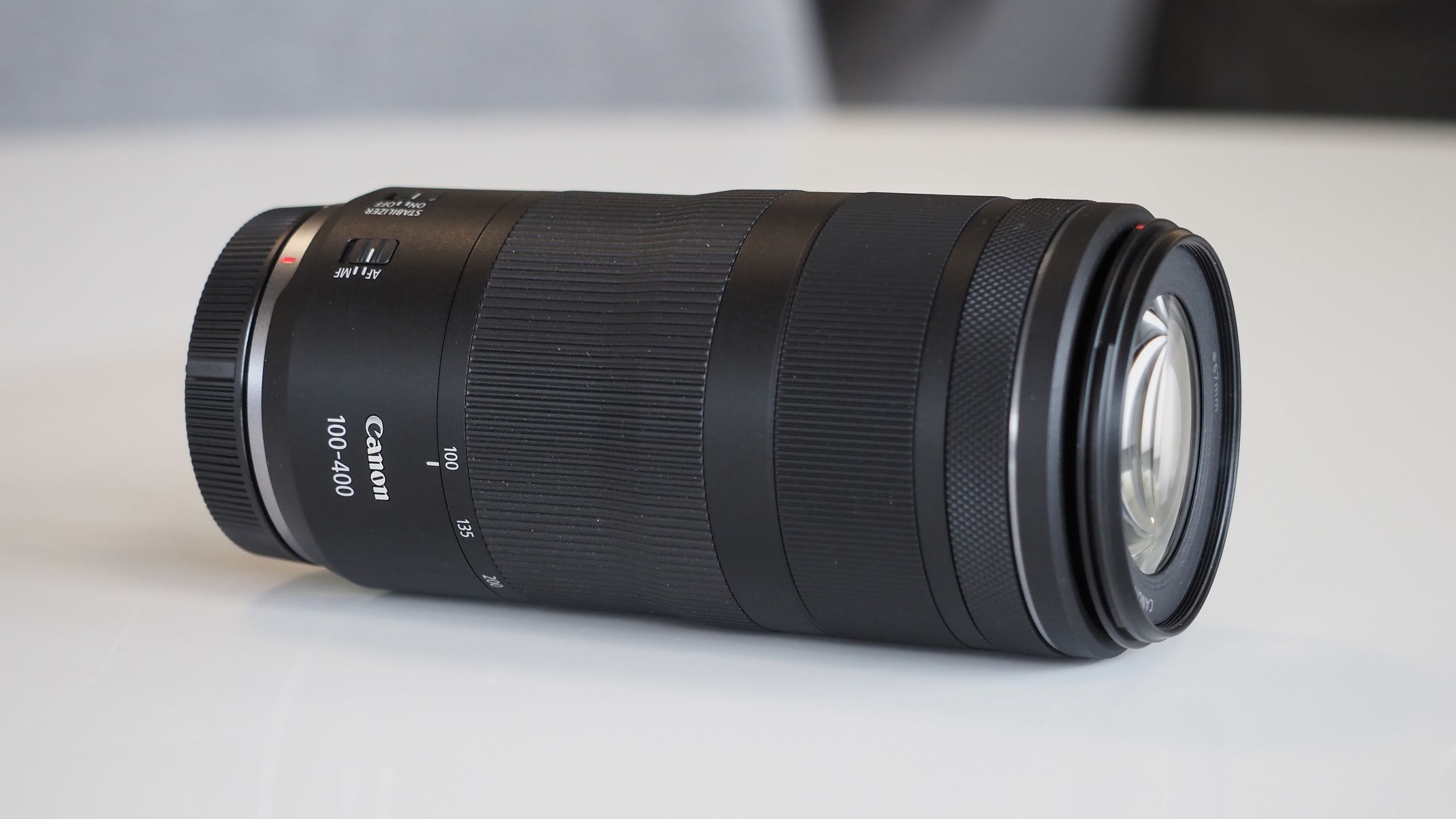
The resulting optic gives photographers access to a massive focal range without the punishing financial investment or physical weight traditionally associated with wildlife and sports photography. By making long-range shooting accessible to a wider demographic of consumers, Canon has managed to turn a relatively modest, aging lens into a retail powerhouse.
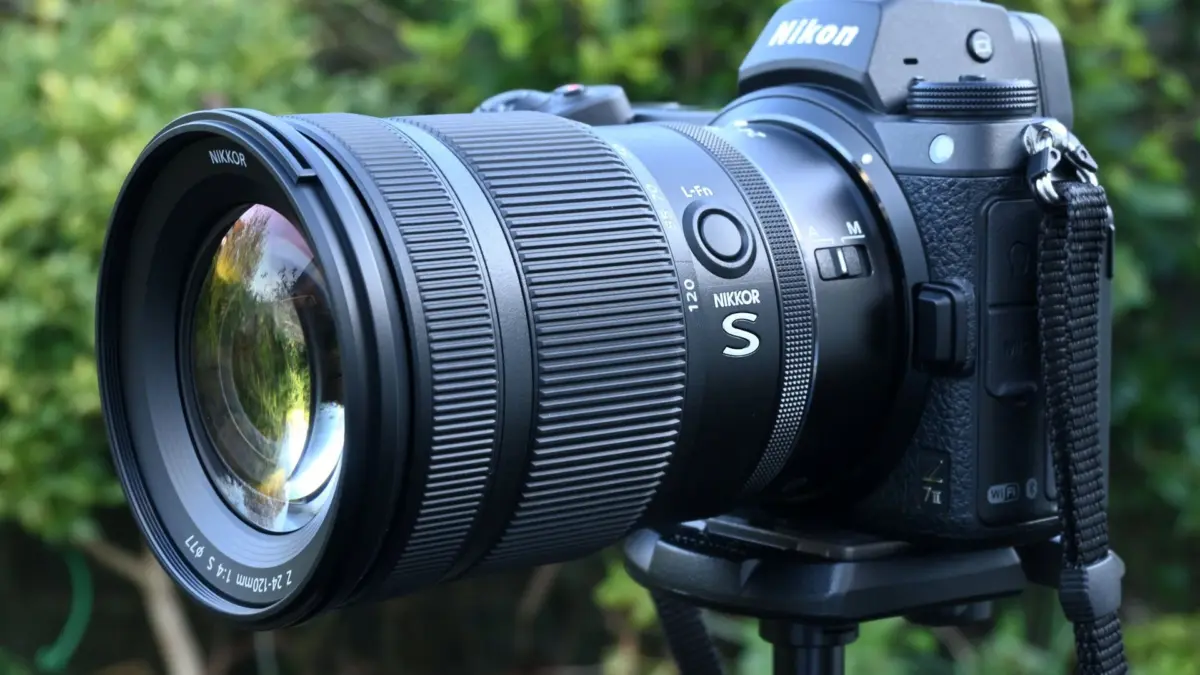
A similar philosophy is evident elsewhere on the sales charts, most notably with the Nikon Z 24-120mm f/4 S. Like its Canon counterpart, this lens breaks away from the conventional f/2.8 formula by adopting a constant f/4 maximum aperture. However, it uses that design trade-off to extend its zoom capabilities well beyond the standard 24-70mm range, stretching all the way to a versatile 120mm on the telephoto end. It offers users a broader creative canvas in a single, highly portable barrel, proving that many modern photographers value everyday versatility just as much as background blur.
The Endurance of the Lightweight f/2.8 Zoom
Despite the surprising victory of budget telephotos, the f/2.8 zoom remains the most frequently purchased category of lens in the Japanese market. However, a closer look at these popular f/2.8 options reveals a common denominator: almost all of them prioritize compact dimensions and reduced weight over traditional, heavy-duty professional builds.

Third-party manufacturers are playing a massive role in this trend. The Sigma 18-50mm f/2.8 DC DN Contemporary, an APS-C standard zoom that has made multiple appearances on Kitamura Camera’s monthly sales charts, exemplifies this shift. Weighing a mere 290 grams, the lens delivers the coveted low-light performance and shallow depth of field of an f/2.8 aperture without weighing down the photographer or requiring a bulky camera bag.
Similarly, Fujifilm’s updated version of its workhorse standard zoom—the XF 16-55mm f/2.8 R LM WR II—focuses heavily on shedding the bulk of its predecessor. By engineering a significantly lighter second-generation body, Fujifilm has made a professional-grade focal range far more appealing for daily carry and travel.
For full-frame shooters utilizing Sony E-mount and L-mount systems, the Sigma 28-70mm f/2.8 DG DN offers another masterclass in space-saving design. By trimming four millimeters off the wide end compared to a traditional 24-70mm lens, Sigma successfully engineered a noticeably smaller and lighter optic that still delivers the bright aperture professionals demand.

Even variable-aperture standard zooms are leaning into the lightweight trend. The Sigma 20-60mm f/2.8-4 DG Contemporary bridges the gap by offering a fast f/2.8 wide end that steps down to f/4 at the 60mm mark, all while maintaining a compact length of just 3.5 inches. Meanwhile, Canon’s best-selling f/2.8 zoom in Japan is not its heavy-duty professional 24-70mm, but rather the RF 28-70mm f/2.8 IS STM—an alternative explicitly designed to be lighter, more compact, and substantially more affordable than typical pro-tier glass.
Primes and Niche Optics Find Their Niche
Prime lenses occupy a modest footprint on Kitamura Camera’s latest trends list, represented primarily by a standard "nifty fifty" for Canon’s mirrorless ecosystem and a compact 17mm optic designed for the Micro Four Thirds format.
The presence of the Micro Four Thirds prime may also point to wider hardware trends within the Japanese market. Industry reports noted that OM System’s retro-styled PEN F camera recently surged to the top of best-selling camera charts in Japan, outperforming even high-end full-frame competitors. It is widely suspected that compact prime lenses are riding a wave of renewed consumer interest in small, aesthetically driven, highly portable mirrorless systems.

Rounding out the broader lens market trends, the appearance of a teleconverter on the retail rankings might seem unconventional at first glance, but industry analysts note that demand for lens extenders has seen a steady upward trajectory. As wildlife, aviation, and sports photography continue to attract enthusiast shooters looking to maximize their existing gear without purchasing dedicated super-telephoto primes, teleconverters offer a cost-effective path to extra reach.
Ultimately, the data from Japan suggests that while the f/2.8 aperture remains an industry favorite, the modern photographic landscape is increasingly defined by smart compromises. Whether through budget-conscious variable apertures like the Canon RF 100-400mm or lightweight, travel-friendly standard zooms from manufacturers like Sigma and Fujifilm, consumers are voting with their wallets for gear that balances performance with everyday practicality and affordability.