In the summer of 2020, as a renewed wave of social justice movements swept across the United States, students and alumni across various creative and academic institutions began utilizing digital platforms to demand institutional accountability. Among these initiatives was the launch of an Instagram account that would quickly capture the attention of the New York art and design community. On June 28, 2020, an account operating under the handle @blackatsva published its inaugural post, extending a clear and supportive message to its intended audience.
"This is a safe space for current and former black students at SVA to share their stories," the post read, alongside an open invitation for Black students attending the School of Visual Arts (SVA) in New York to submit anonymous accounts of their personal experiences at the college. The message concluded with words of validation: "You are heard. Your stories matter. You matter."
In the weeks that followed, the account published a steady stream of user-submitted testimonies, shedding light on the systemic challenges, microaggressions, and overt racism Black students allegedly encountered at the hands of faculty, staff, and peers. For many readers navigating the platform, the sheer volume of consistent accounts pointed to a pervasive reality: racism was deeply rooted within the culture of the institution, and the voices of Black creatives had historically been marginalized or ignored entirely.
The movement at SVA did not emerge in a vacuum. It was part of a broader, nationwide phenomenon inspired by similar student-led digital campaigns at prominent creative institutions, including the Rhode Island School of Design (@blackatRISD) and the ArtCenter College of Design (@blackataccd). These platforms served as digital town halls where individuals could bypass traditional administrative channels to speak their truths directly to the public.
Public awareness surrounding the @blackatsva initiative expanded exponentially following a post concerning well-known illustrator and SVA professor Chris Buzelli. An anonymous student alleged online that Buzelli had treated them in a demeaning and racially biased manner. The post generated widespread discussion and debate across creative circles online, thrusting the newly formed account into the spotlight and driving thousands of new followers to the page.
While the viral nature of the post brought unprecedented visibility to the account, the creator emphasized that the overarching mission extended far beyond a single incident or individual. The true focus remained centered on the systemic barriers faced by Black artists, the institutional reforms required to create genuinely safe learning environments, and the accountability of educators within the arts.
Origins and Inspirations Behind the Platform
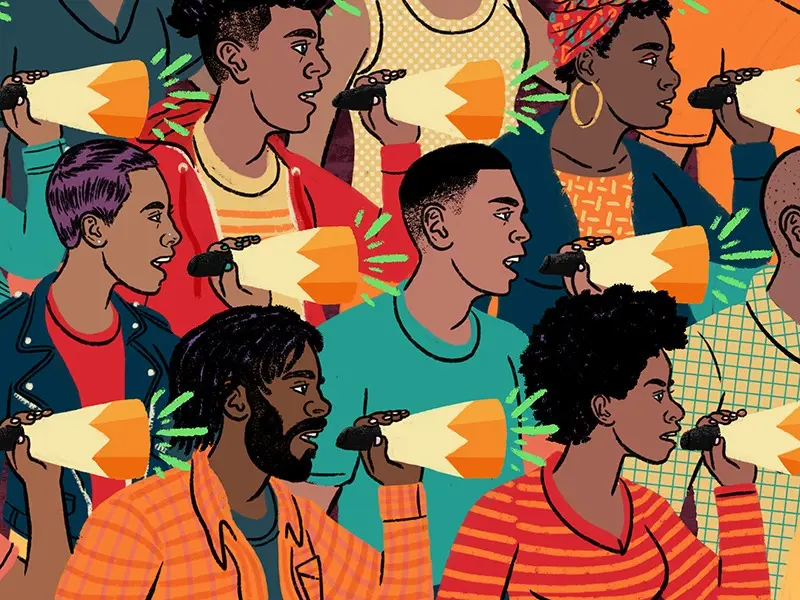
Reflecting on the motivations that drove the launch of the project, the anonymous creator of @blackatsva explained that the platform was conceived as a vital resource for Black students, alumni, and faculty members seeking to articulate how racism had affected their educational and professional development at the college.
The idea itself was sparked when the creator noticed a similar accountability account established at a younger sibling’s high school. Further research revealed a dense network of parallel accounts across various high schools and universities. Observing the glaring absence of such a space for the School of Visual Arts, the creator took the initiative to establish a dedicated, protective digital environment where individuals could share their testimonies without fear of immediate professional or academic reprisal.
When asked whether the primary objective was fostering community among Black artists or driving structural changes within art education, the creator noted that the vision encompassed both elements, with an explicit emphasis on long-term institutional reform. Recognizing the historical precedent of student activism, the creator began exploring archival documents from the civil rights era, specifically reviewing demands made by Black college students during the late 1960s and early 1970s.
This historical inquiry yielded a sobering realization: many of the fundamental demands for equity, representation, and protection that Black students fought for decades prior remained unfulfilled by modern academic institutions.
Community Response and Institutional Reaction
The initiative quickly garnered an outpouring of support from current SVA students, alumni, family members, friends, and sympathetic observers from external universities and creative industries. However, the response from the administration and faculty at SVA presented a stark contrast.
According to the creator, while several individual faculty members reached out privately to express support and acknowledgment, the official institutional response fell short of addressing the specific grievances aired on the platform. SVA administration reportedly issued a mass communication indicating awareness of the public discourse surrounding its faculty and operations, while asserting a commitment to addressing the issues. However, the administration’s request that students come forward publicly to substantiate their claims was met with deep skepticism and frustration.
The creator described the administrative stance as invalidating and emotionally taxing, noting that the persistent fear of retaliation had prevented students from speaking out through official channels in the first place. For years, the lack of secure and impartial reporting mechanisms on campus had left students feeling unprotected, ultimately necessitating the creation of an independent, anonymous platform. Navigating an environment where white faculty members were perceived as protected by institutional structures made public disclosure a risk many traumatized students were unwilling to take.
Facing Adversity and Online Backlash
Speaking out against entrenched power dynamics within any specialized industry invariably attracts friction. For the creator of @blackatsva, the visibility brought by the account also invited significant hostility.
Throughout the course of managing the platform, the creator reported receiving legal threats, severe online harassment, death threats, and instances of racial gaslighting. Despite these intimidation tactics, the creator maintained a resolute stance, choosing to overlook malicious interference in favor of prioritizing the community’s narratives.
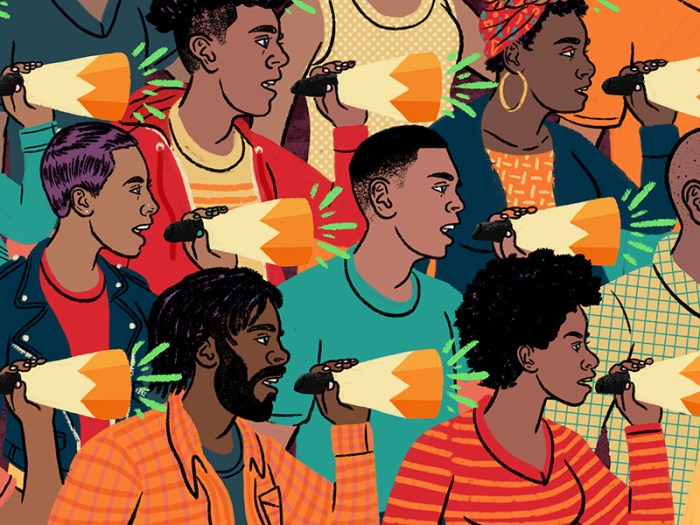
Reiterating the core humanity at the heart of the project, the creator emphasized that the campaign was driven by a fundamental desire for basic dignity and recognition. Rather than retreating in the face of adversity, the experience fueled a determination to continue amplifying marginalized voices and pressing for accountability across all sectors of the arts and higher education.
The BlackAtSVA Aid Fund and Immediate Relief
In an effort to translate digital solidarity into tangible support, the creator established the BlackAtSVA Aid Fund via PayPal to assist current and former BIPOC students associated with SVA. The initiative was designed to provide short-term, immediate financial relief to individuals navigating acute economic distress.
The fund operates on a first-come, first-served basis, disbursing financial grants of $500 per person. A primary motivation behind the fund was addressing a recurring and systemic barrier faced by many economically disadvantaged students: financial holds placed on academic transcripts and degrees due to unpaid institutional balances.
For numerous BIPOC, international, undocumented, and first-generation students, outstanding financial obligations to the college frequently prevent them from obtaining necessary documentation to pursue further education, secure employment, or advance their artistic careers. The creator noted the profound heartbreak of witnessing peers locked out of their credentials due to debt.
Beyond clearing institutional debt, the aid fund was established to offer flexible financial assistance that recipients could utilize according to their immediate needs, whether that involved funding creative projects, covering rent, purchasing groceries, or general subsistence living. The creator expressed a personal aspiration that such a resource had existed during their own time at SVA, while voicing hope that similar grassroots support structures could be expanded to benefit students at institutions nationwide.
Reflecting on the Movement and Future Outlook
Reflecting on the period since the account’s inception, the creator highlighted the educational value of engaging with the history of Black student movements, specifically citing scholarly works such as The Black Campus Movement: Black Students and the Racial Reconstitution of Higher Education, 1965-1972 by Dr. Ibram X. Kendi.
While external resistance, administrative inertia, and hostile communications presented ongoing challenges, the creator noted that these obstacles were reflective of the broader lived experiences of navigating society as a Black individual. Rather than yielding discouragement, these trials served as a catalyst for sustained advocacy and increased pressure for systemic reform.
The ongoing efforts of the @blackatsva initiative continue to highlight the complex realities faced by marginalized artists within elite educational spaces, serving as a reminder of the persistent work required to foster genuinely inclusive and safe environments throughout the arts and higher education sectors.