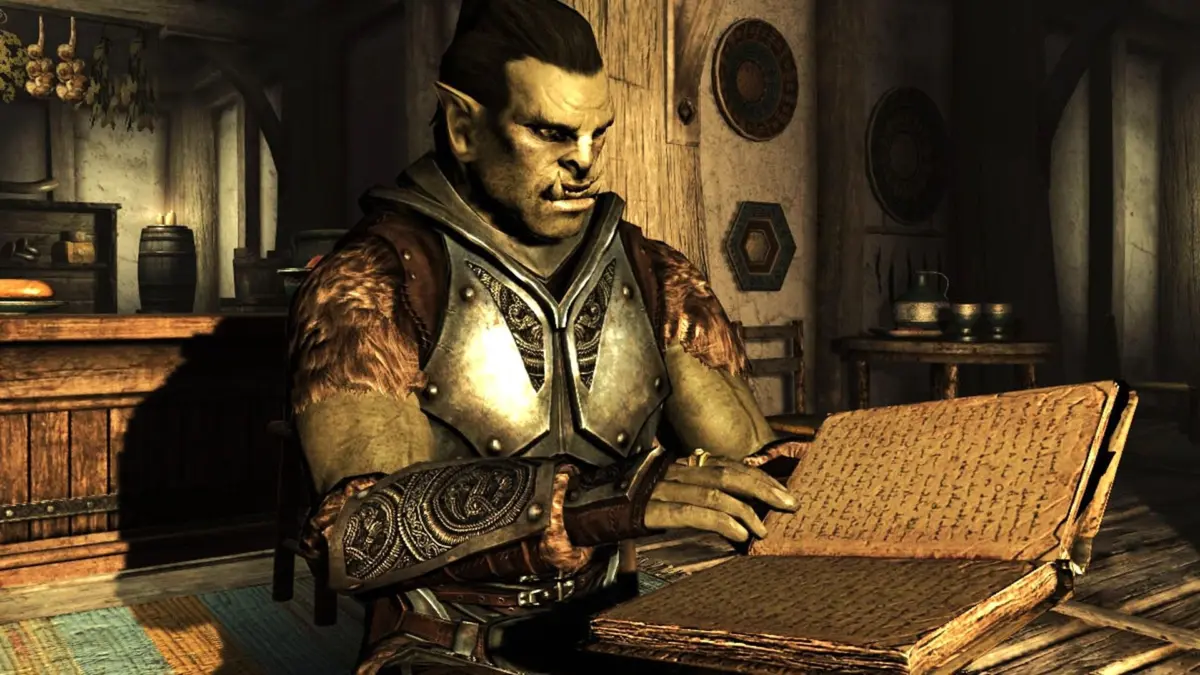
Speaking on the FRVR Podcast last week, former Bethesda Softworks writer and designer Kurt Kuhlmann shed light on one of the most fascinating and lore-heavy concepts in video game history: the "Dragon Break." For decades, fans of The Elder Scrolls series have puzzled over, debated, and theorized about these chaotic metaphysical anomalies where time completely shatters, bends, and breaks down. According to Kuhlmann, however, the foundation of this intricate piece of fantasy lore can be traced back to what was likely a simple, mundane workplace error during the development of the franchise’s early days.
The conversation on the podcast naturally gravitated toward the series’ most famous Dragon Break, known widely among the community as "The Warp in the West." This monumental event was Bethesda’s clever post-facto narrative solution to a massive continuity problem following the release of 1996’s The Elder Scrolls II: Daggerfall. Unlike its predecessor, Daggerfall featured multiple branching storylines and vastly different possible endings. When it came time for the studio to look toward the future and plot out a sequel, they were faced with a classic role-playing game dilemma: how do you honor a player’s choices when those choices directly contradict one another?
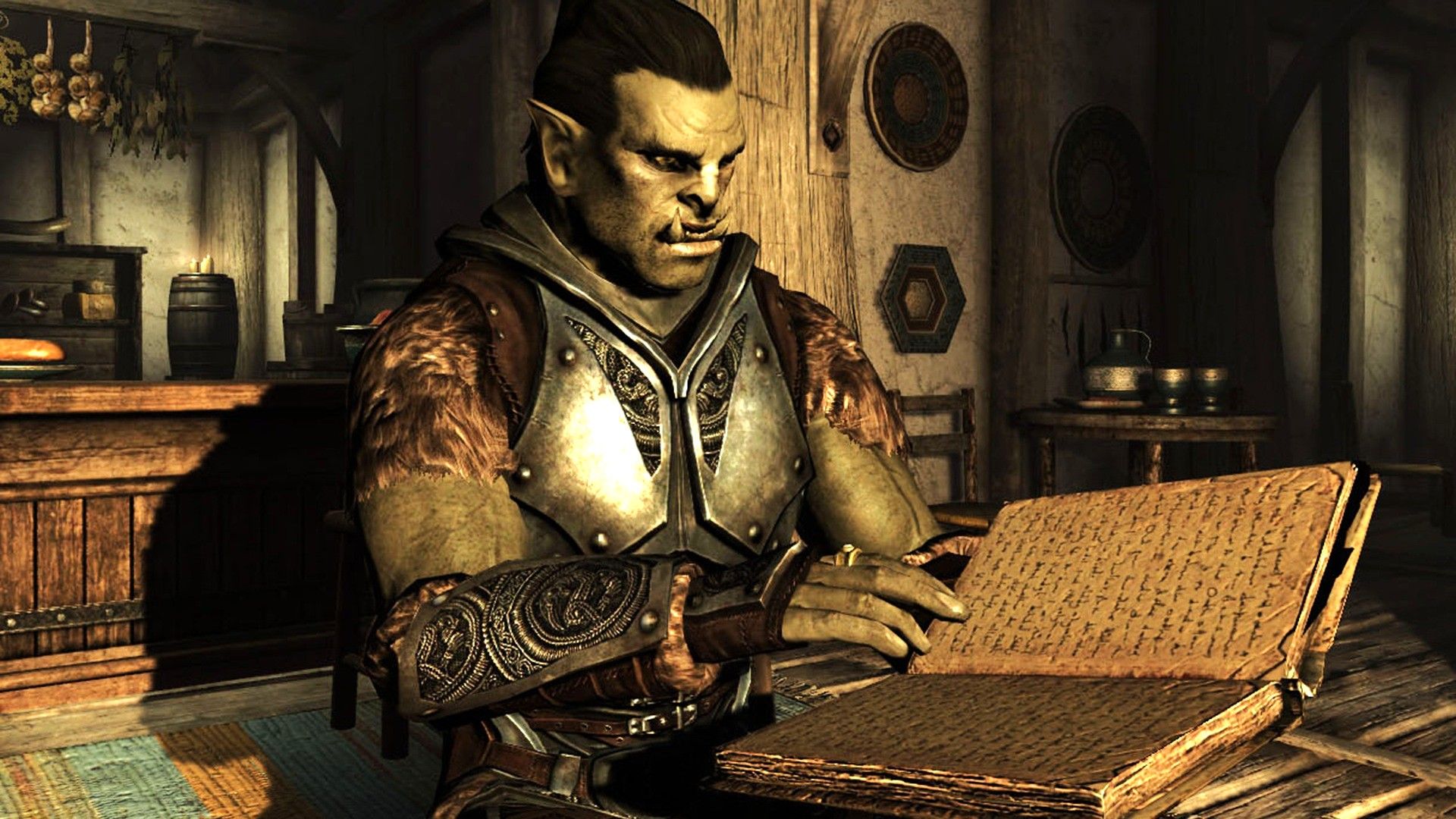
Normally, game development studios handle this kind of narrative hurdle by simply declaring one specific ending to be the official canon, discarding all other outcomes, and moving forward. But the creative minds behind The Elder Scrolls chose a much wilder, more imaginative path. Instead of choosing just one winning scenario, they decided that every single ending of Daggerfall happened simultaneously during a localized collapse of space and time. By invoking ancient in-universe magic and the reality-warping power of a colossal ancient golem called Numidium, Bethesda explained that all possible outcomes occurred at once, leaving the inhabitants of Tamriel to pick up the pieces of a fragmented, contradictory reality.
As Kuhlmann explained during his podcast appearance, the inception of this brilliant narrative workaround had remarkably humble origins. It all started with an internal timeline document created during the production of Daggerfall. Somewhere within the massive chronological record, there was a glaring, inexplicable gap in time. Looking back on it, Kuhlmann admitted he is completely convinced that the anomaly was nothing more than a basic typo. Someone simply typed a date wrong, inadvertently skipping thousands of years right between the final day of one year and the first day of the next.
Rather than quietly fixing the administrative mistake, fellow Bethesda writer Michael Kirkbride saw the accidental chronological void and recognized an opportunity. Kirkbride, who has long held a legendary status among the fanbase as a boundary-pushing loremaster known for injecting strange, metaphysical, and surreal flavor into the world of Morrowind, thought the gap was brilliant. Facing the immediate problem of how to reconcile Daggerfall‘s multiple endings without alienating players who achieved different results, Kirkbride leaned entirely into the accidental timeline gap to invent the concept of the Dragon Break.
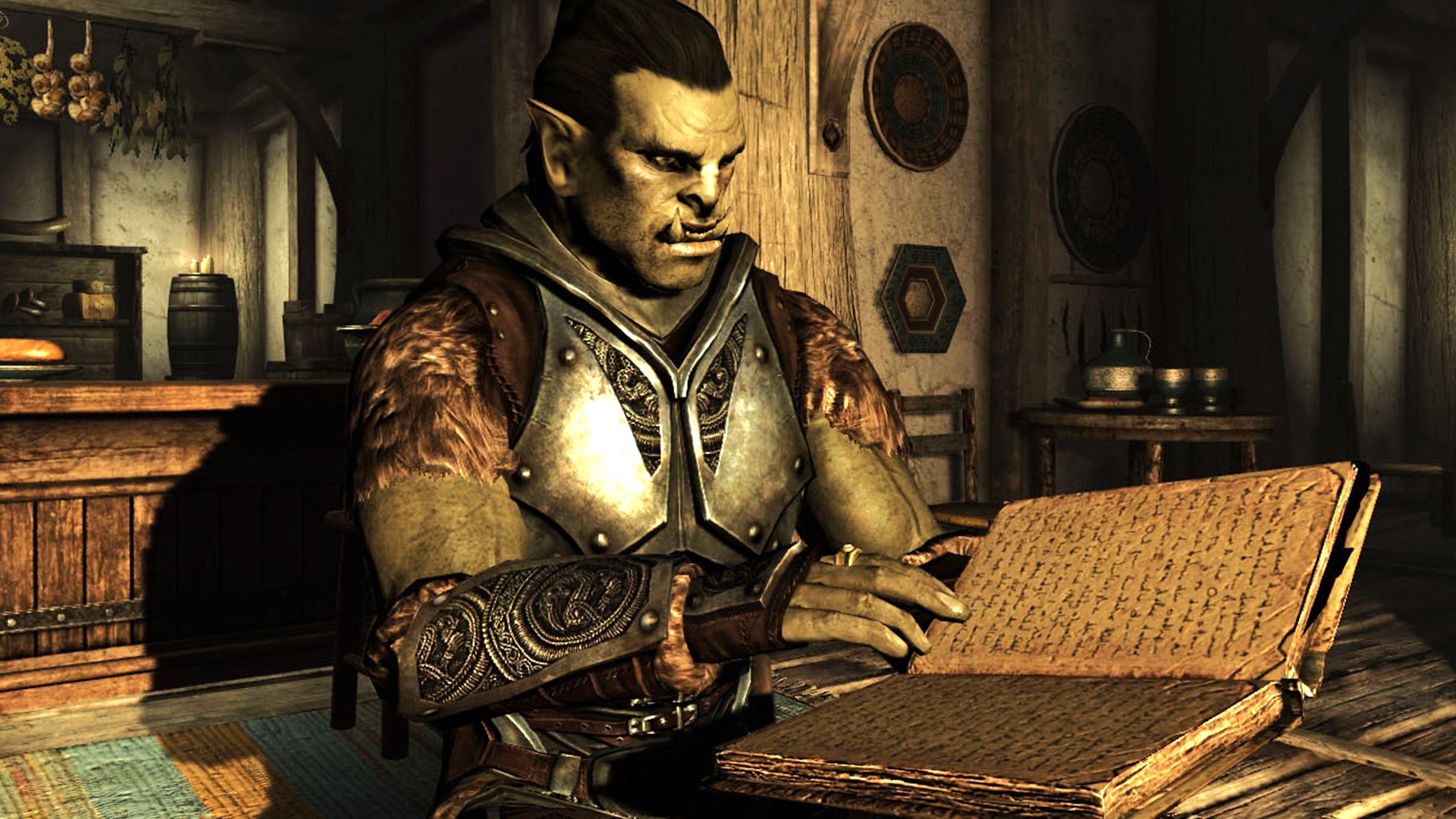
The rationale behind the decision was simple yet radical. As Kuhlmann noted, traditional game design dictates that sequels must eventually pick a lane. But Kirkbride’s philosophy was vastly different. What if all the conflicting endings happened at the same time? What if the universe itself cracked open through wild metaphysical machinations, allowing every player’s version of history to be simultaneously true and false? The resulting concept ensured that everyone saw different outcomes, leaving the actual historical truth obscured behind a veil of cosmic confusion.
While the general fanbase is intimately familiar with the lore, the specific timeline document Kuhlmann referenced does not appear to have ever been made publicly available, suggesting it was part of an internal studio lore bible utilized by the development team. The concept quickly transitioned from a behind-the-scenes narrative fix into a core pillar of the franchise’s identity. While original Daggerfall designer Ted Peterson would later author the in-game book titled "The Warp in the West" for The Elder Scrolls IV: Oblivion, it was Kirkbride and Kuhlmann who formally embedded the mechanics of temporal fractures into the series with The Elder Scrolls III: Morrowind.
During Morrowind’s development, Kirkbride and Kuhlmann contributed foundational texts that expanded on the lore, penning the in-game books "Where Were You When the Dragon Broke" and "Dragon Break Re-Examined," respectively. Interestingly, Kuhlmann noted on the podcast that he attempted to introduce a different layer of narrative texture to his writing by injecting a sense of historiographic ambiguity. Rather than relying solely on overt, magical forces to explain away inconsistencies, Kuhlmann toyed with the idea that the confusion could stem from ordinary human error, political bias, poor record-keeping, and conflicting transcriptions.

True to the spirit of the series, however, Kuhlmann’s supposedly skeptical in-game text, "Dragon Break Re-Examined," managed to deliberately reference major events from Morrowind’s distant future as if they were already part of the past. This clever writing choice subtly implied that the analytical book itself was yet another product of time-bending anomalies, proving that the developers thoroughly enjoyed playing with the very fabric of their fictional universe.
Beyond the boundaries of The Elder Scrolls, the challenge of preserving, honoring, and representing player choice across multiple installments of an expansive role-playing game franchise remains one of the industry’s most persistent hurdles. Few studios have ever truly managed to solve the problem of continuity when player agency is involved, making Bethesda’s unapologetic, embrace-the-chaos attitude toward the timeline all the more remarkable. Similar bold approaches to continuity can be seen across the broader RPG landscape, such as when Larian Studios’ Divinity: Original Sin 2 dramatically restructured and practically contradicted the narrative established by Divinity 2: Ego Draconis nearly a decade prior.
Ultimately, what began as a routine administrative oversight—a misplaced keystroke on an internal studio timeline—accidentally birthed one of the most distinctive and enduring narrative devices in gaming history. By turning a workplace mistake into a metaphysical cornerstone, the creators of The Elder Scrolls transformed a stubborn continuity trap into a boundless playground for myth, mystery, and imagination.