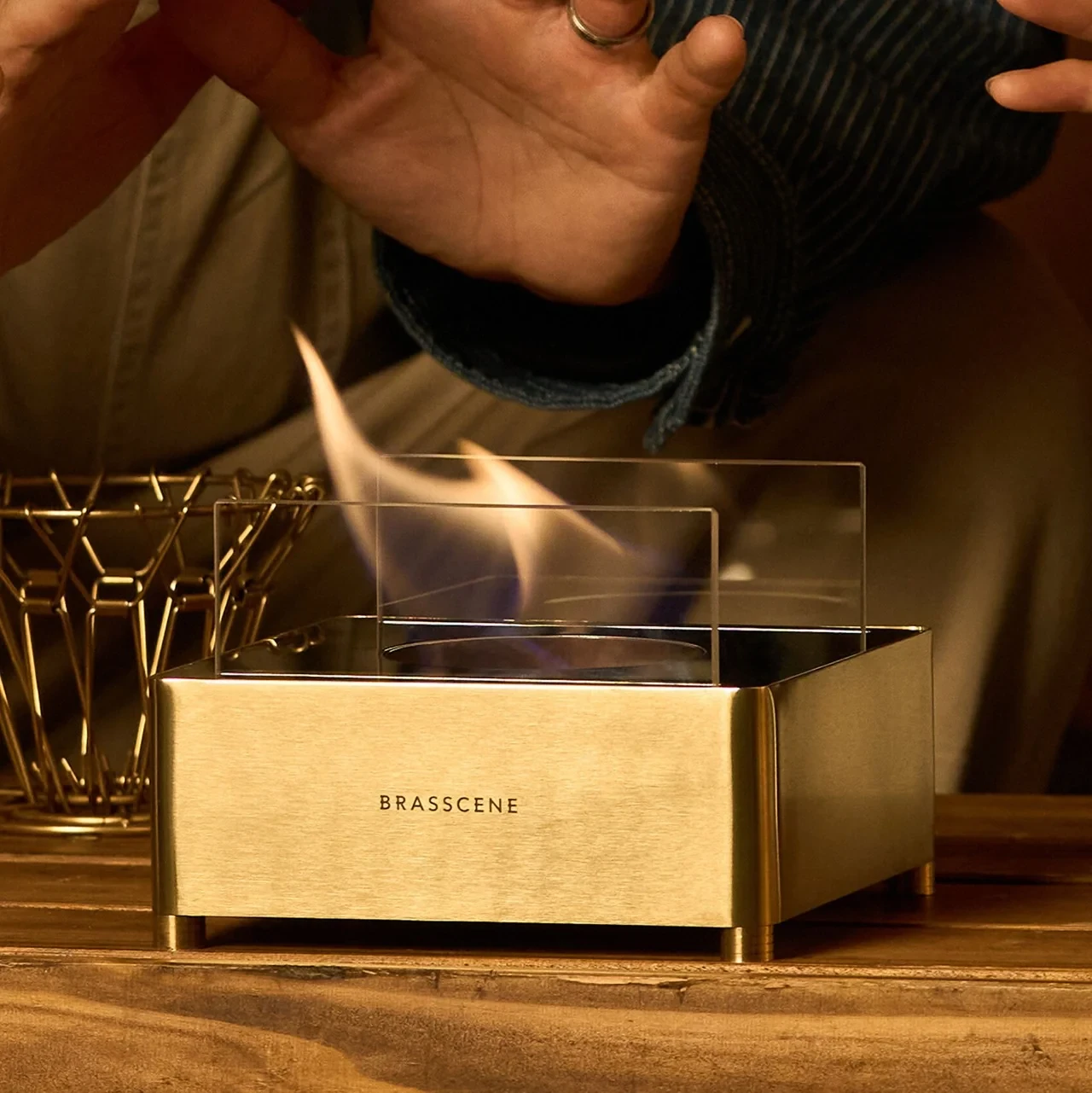
As the crisp air of autumn settles in each year, the timeless appeal of an open flame naturally reasserts itself, drawing people toward the comforting glow of a fireplace during long, chilly evenings. For many homeowners and urban dwellers, however, this seasonal desire runs into a persistent architectural barrier. Most modern residences, particularly rental units, apartments, and townhouses, were never constructed with traditional fireplaces in mind. Introducing a standard wood-burning or gas fireplace into these spaces is rarely a simple weekend project; it typically demands a complicated chain of events involving a new gas line, a dedicated ventilation flue, local municipal permits, and the coordination of specialized contractors whose schedules can easily consume far more free time than any resident has to spare.
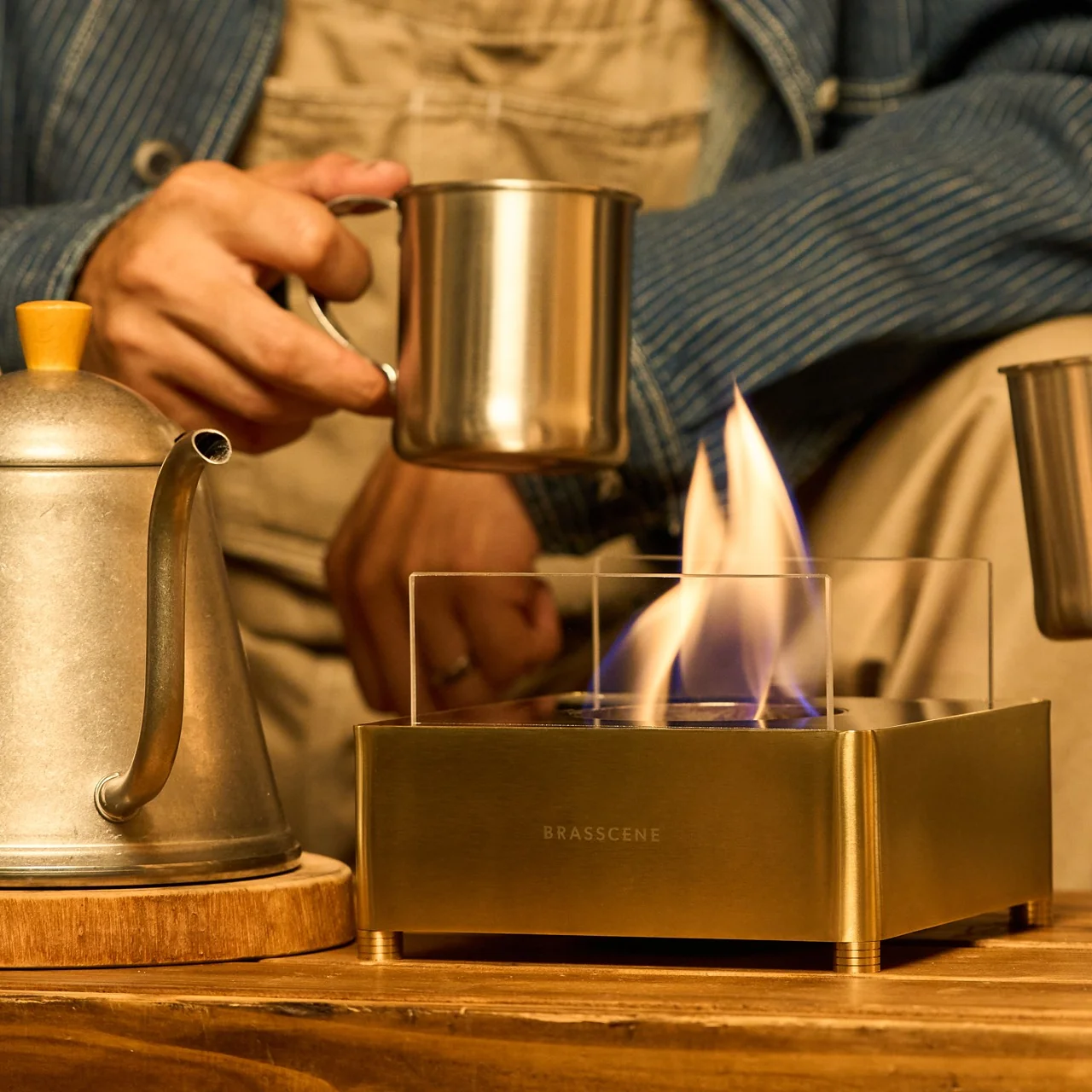
This perennial gap between the deep-seated desire for ambient fire and the logistical impossibility of installing traditional infrastructure in non-traditional spaces is precisely the problem addressed by the Harmony Flame Lamp. Designed as a sophisticated brass tabletop fireplace, the unit offers a pragmatic yet elegant solution that sits securely on any flat surface within a home. Operating on clean-burning bioethanol fuel, it generates a genuine, flickering flame without requiring any ventilation systems, gas hookups, or permanent structural alterations to walls and ceilings. Users can ignite it with the simple motion of lighting a candle, instantly filling the surrounding space with authentic warmth and a visual presence that artificial alternatives struggle to replicate.
What truly distinguishes the Harmony Flame from the vast majority of decorative home objects claiming high levels of craftsmanship is its unexpected pedigree of manufacture. Rather than being churned out in a typical automated decor factory, the lamp is hand-built by artisans whose primary trade is the crafting of brass musical instruments, specifically the complex tubing and polished curves of tubas and French horns. This professional background serves as far more than a clever marketing footnote. Instrument-grade brass requires rigorous adherence to precise acoustic properties and uncompromising structural integrity. It turns out that these exact metallurgical qualities make the material exceptionally well-suited for containing, managing, and reflecting an open flame. The highly polished surface catches the shifting tongues of fire and throws the illumination back into the room in dynamic, organic patterns of light and shadow, achieving a visual depth that fake LED flame gadgets simply cannot manage.
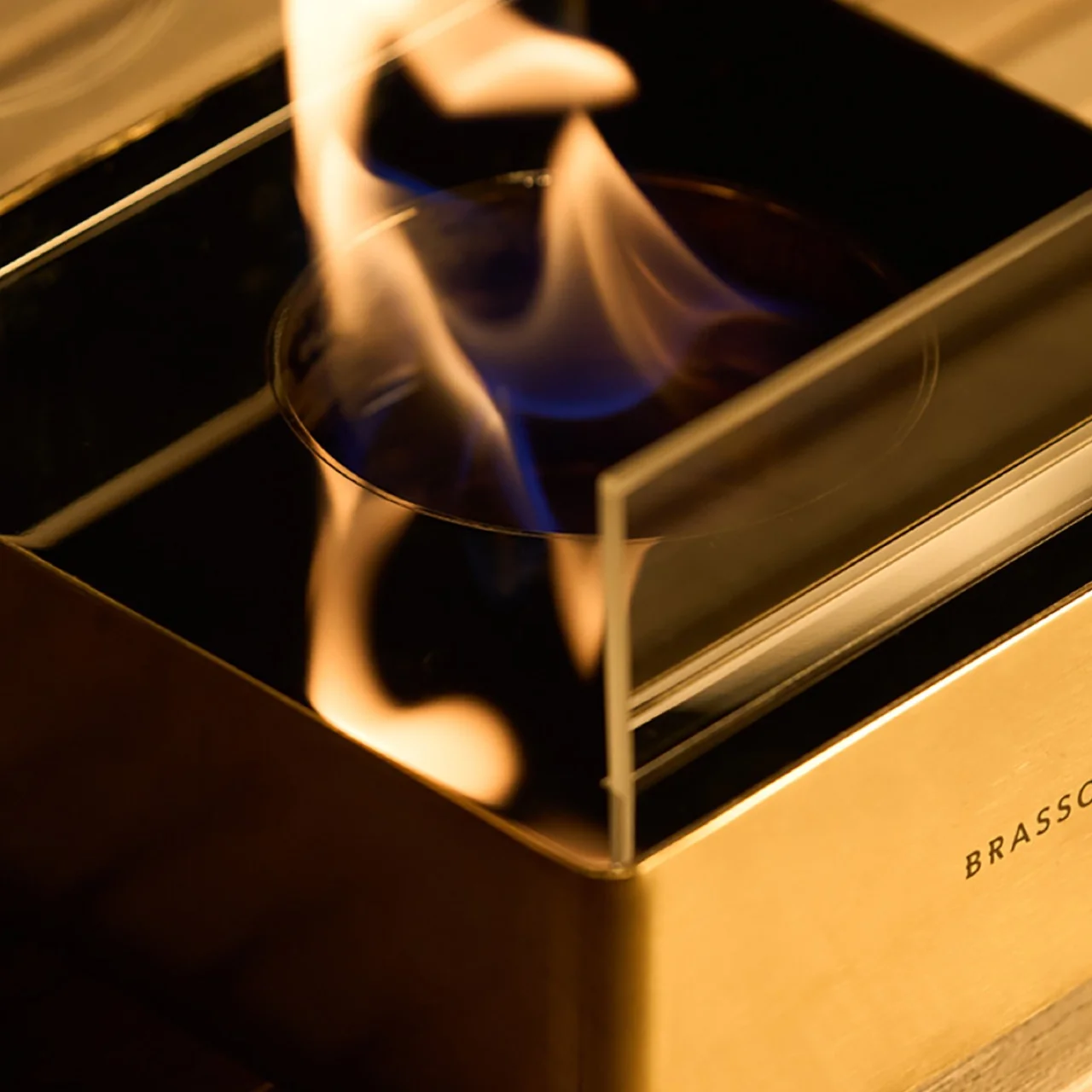
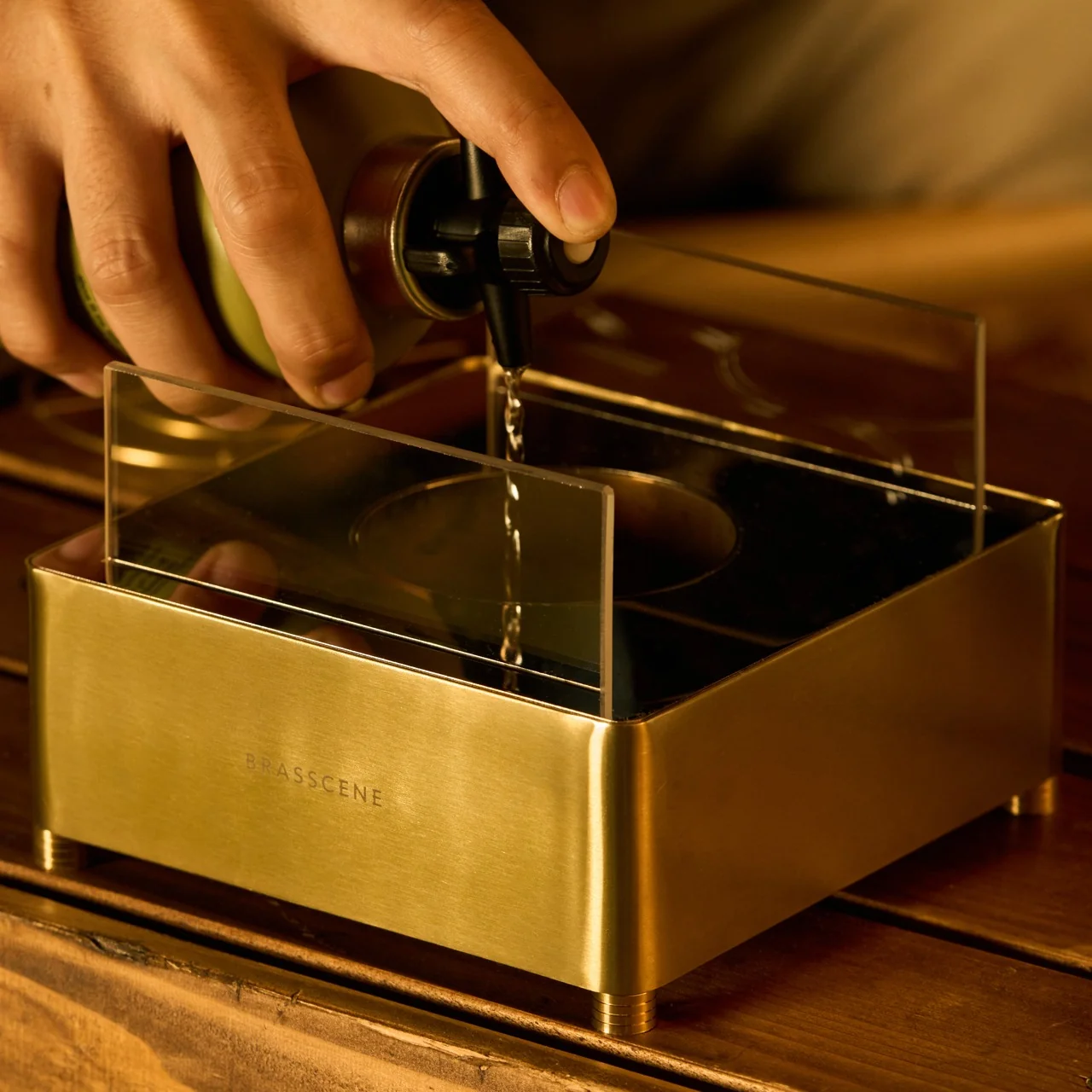
From a practical standpoint, the lamp is engineered to integrate seamlessly into the realities of contemporary entertaining and daily living. It transitions effortlessly from a dining room table during a dinner party to an outdoor patio or a quiet reading corner in a bedroom, requiring no complex setup procedures beyond a straightforward refill of liquid fuel. Because bioethanol burns cleanly, it produces neither smoke nor unpleasant odors. This smokeless combustion ensures that hosts and guests do not have to contend with lingering campfire smells on their winter coats the following morning, nor is there any messy soot to scrub away from surrounding surfaces after the flame has been extinguished. Furthermore, the genuine brass construction means the material naturally develops a distinct patina with continuous use. Rather than maintaining a sterile, factory-fresh appearance indefinitely, a lamp purchased at the beginning of the autumn season will evolve gracefully over time, looking visibly richer and more storied by the time the following fall arrives.
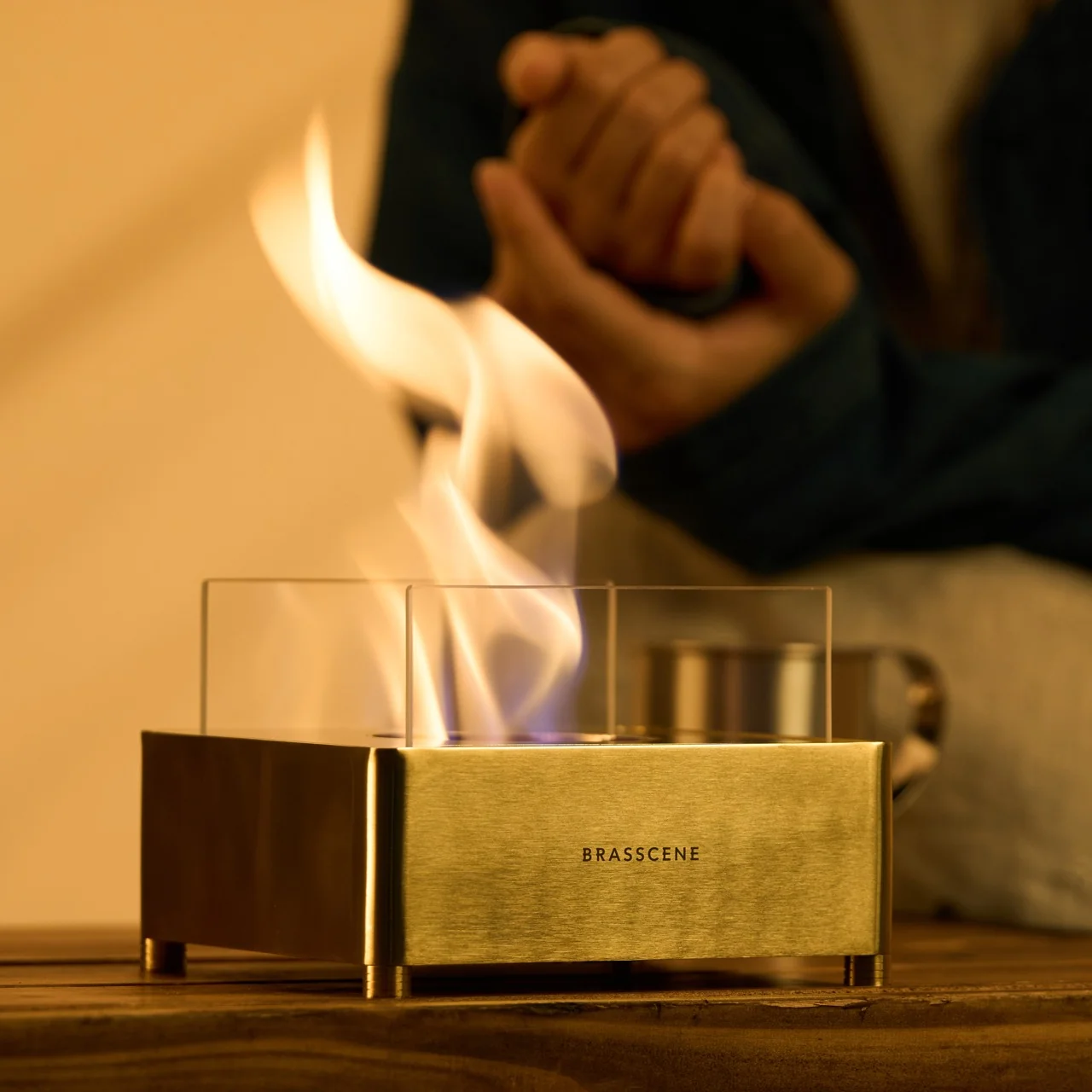
When evaluating the market landscape, it is helpful to place the Harmony Flame alongside other prominent portable fire products, such as those popularized by Solo Stove. Solo Stove successfully built an entire consumer category around smokeless backyard fires and deserves considerable credit for popularizing clean-burning outdoor recreation. However, those units are fundamentally wood- or pellet-burning outdoor appliances, meticulously sized for open patios and entirely unsuited for indoor environments. The Harmony Flame operates at a completely different scale. It is compact enough for an intimate dining setting, quiet enough for a residential bedroom, and refined enough to function primarily as a high-end design object that doubles as a heat source. While outdoor fire pits are engineered for weekend backyard gatherings, this brass lamp is intentionally built for the immediate room where someone might be sitting on an ordinary Tuesday evening in late November.
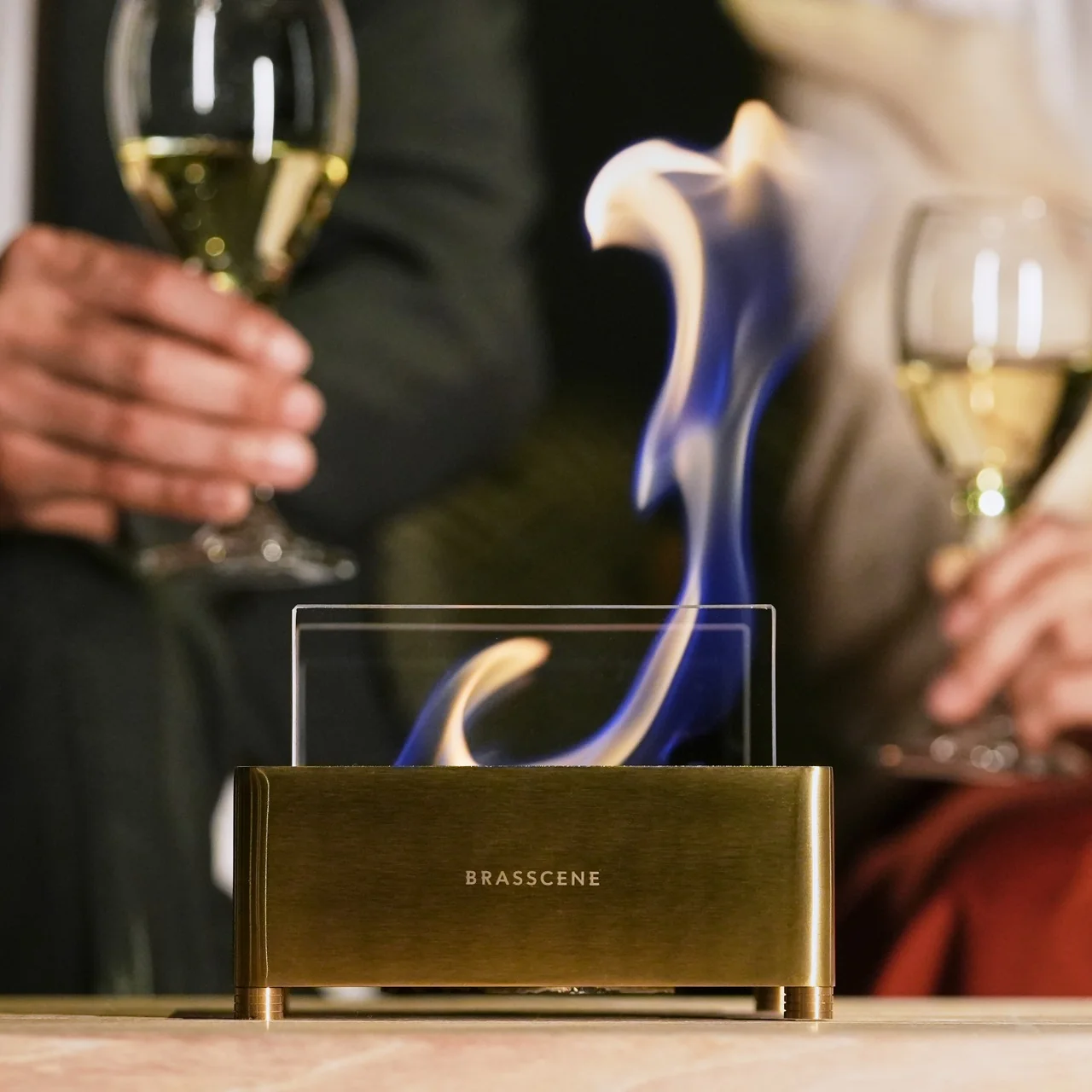
Priced at $240, the Harmony Flame is clearly not positioned as a thoughtless impulse purchase, nor does it appear to target that demographic. Buyers are investing in hand-finished instrument-grade brass and a specialized fuel system that entirely bypasses the complex safety and installation hurdles usually demanded by traditional hearths, a combination that remains rare within the current design market. When compared against luxury bioethanol fireplaces offered by mainstream home goods brands, consumers frequently encounter price tags two or three times higher for products that lack any comparable lineage of metalworking craftsmanship or artisanal heritage.
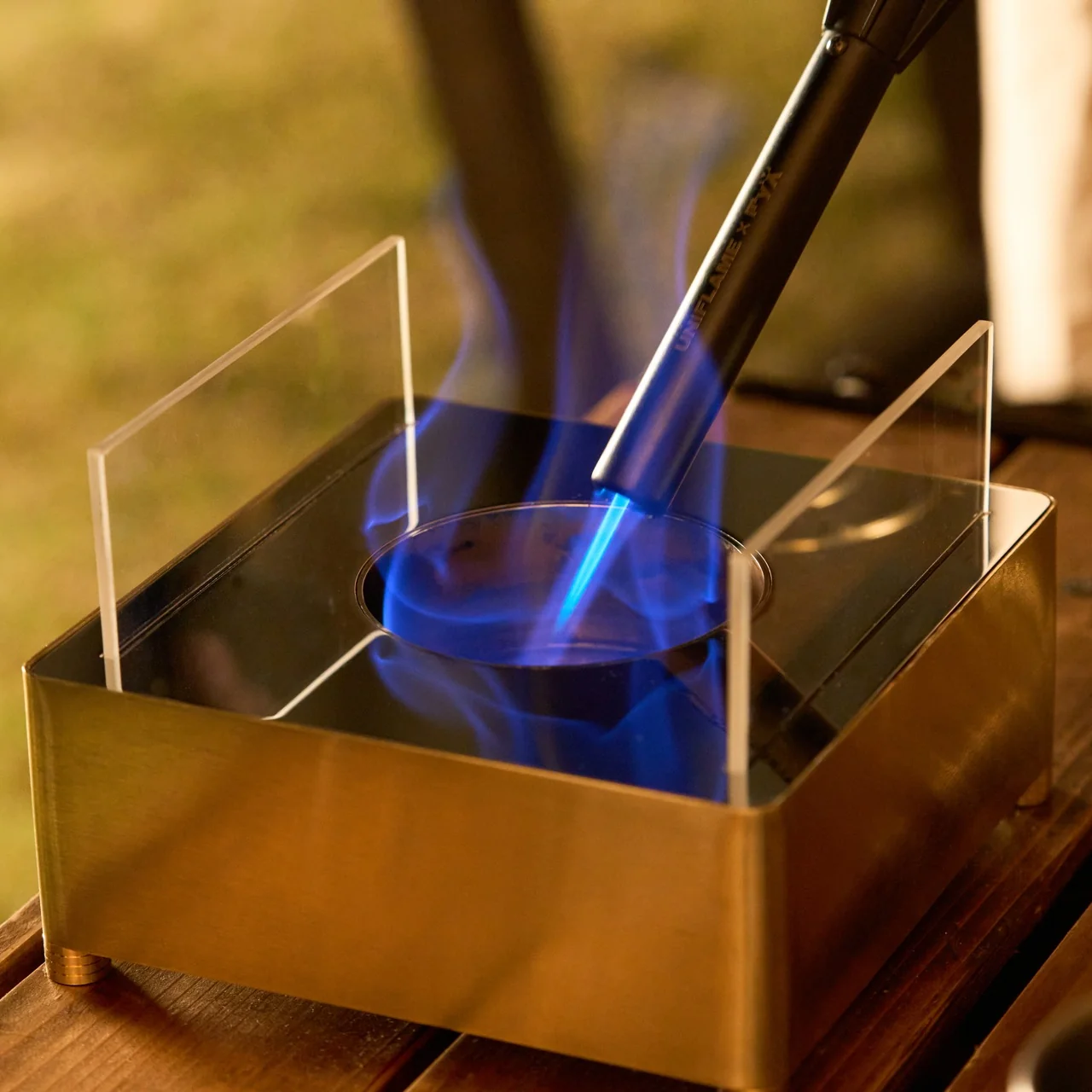
The true appeal of the object often reveals itself in the quiet domestic ritual that follows ownership. Striking a match, watching the solid brass catch the first amber glimmers of light, and observing how the temperature and mood of a room shift simultaneously creates an atmosphere that feels both luxurious and remarkably grounded. The Harmony Flame Fireplace occupies that rare category of home goods that naturally becomes the conversational centerpiece of a gathering without demanding forced attention. As autumn consistently prompts people to seek out controllable warmth and atmosphere without committing to disruptive home renovations, this lamp offers a compelling alternative for urban residents who have spent years wishing their living spaces could accommodate a real fire.