In the realm of contemporary architecture and urban design, recent developments showcase a fascinating blend of coastal residential innovation and large-scale cultural and entertainment transformations. From a striking multi-level home framing ocean views in Portugal to major museum expansions and innovative performance spaces worldwide, the architectural landscape continues to evolve in response to both environmental context and cultural demands.
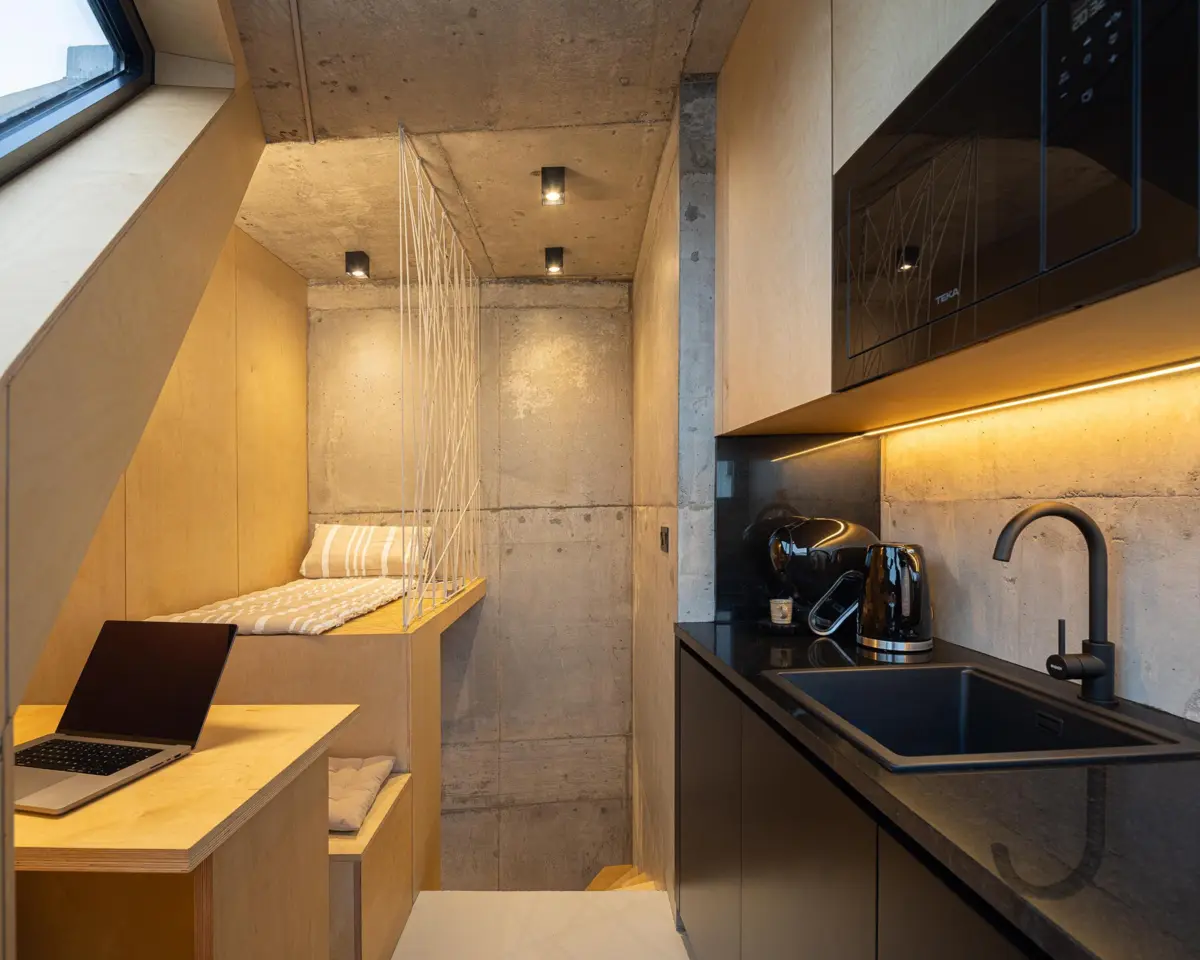
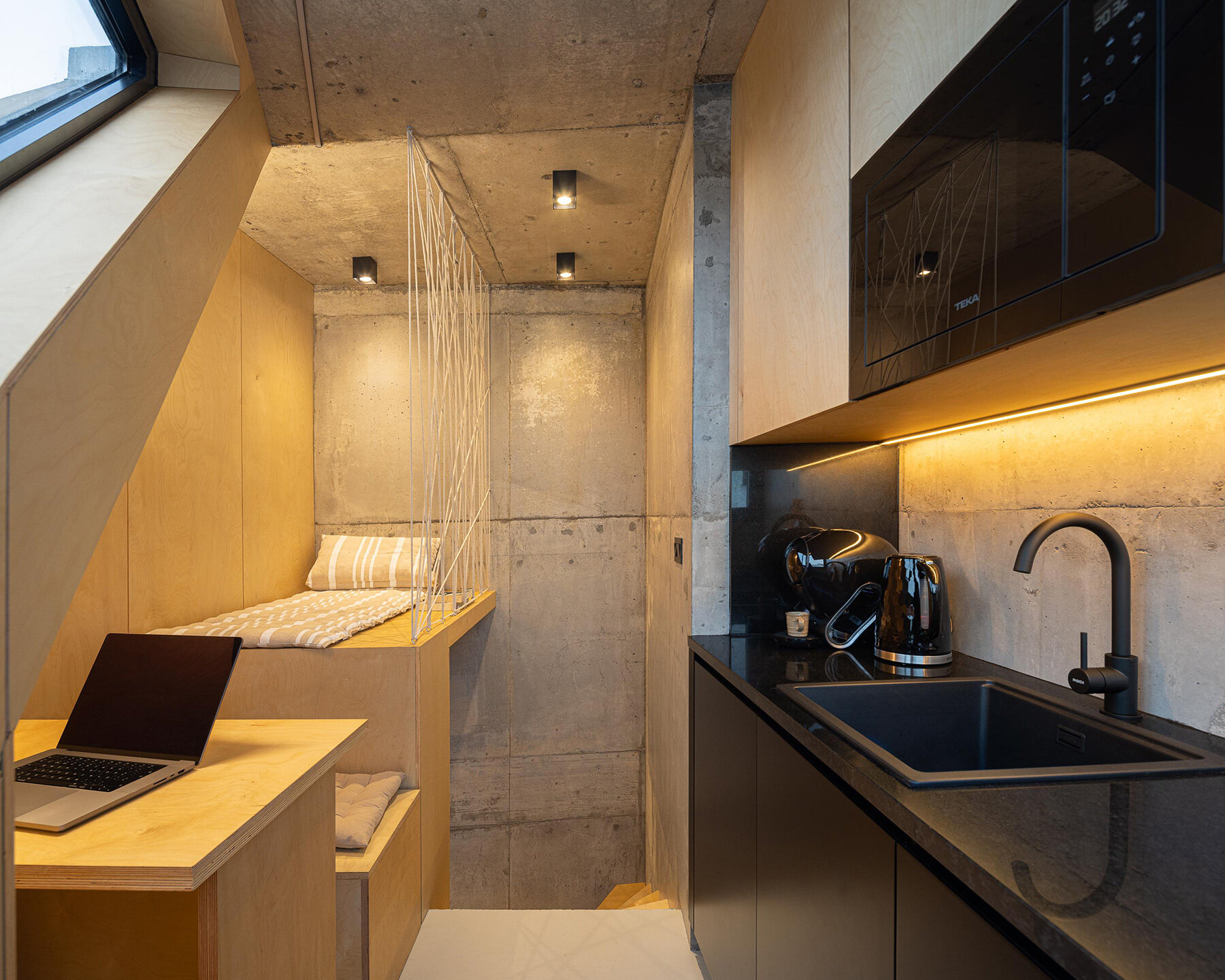
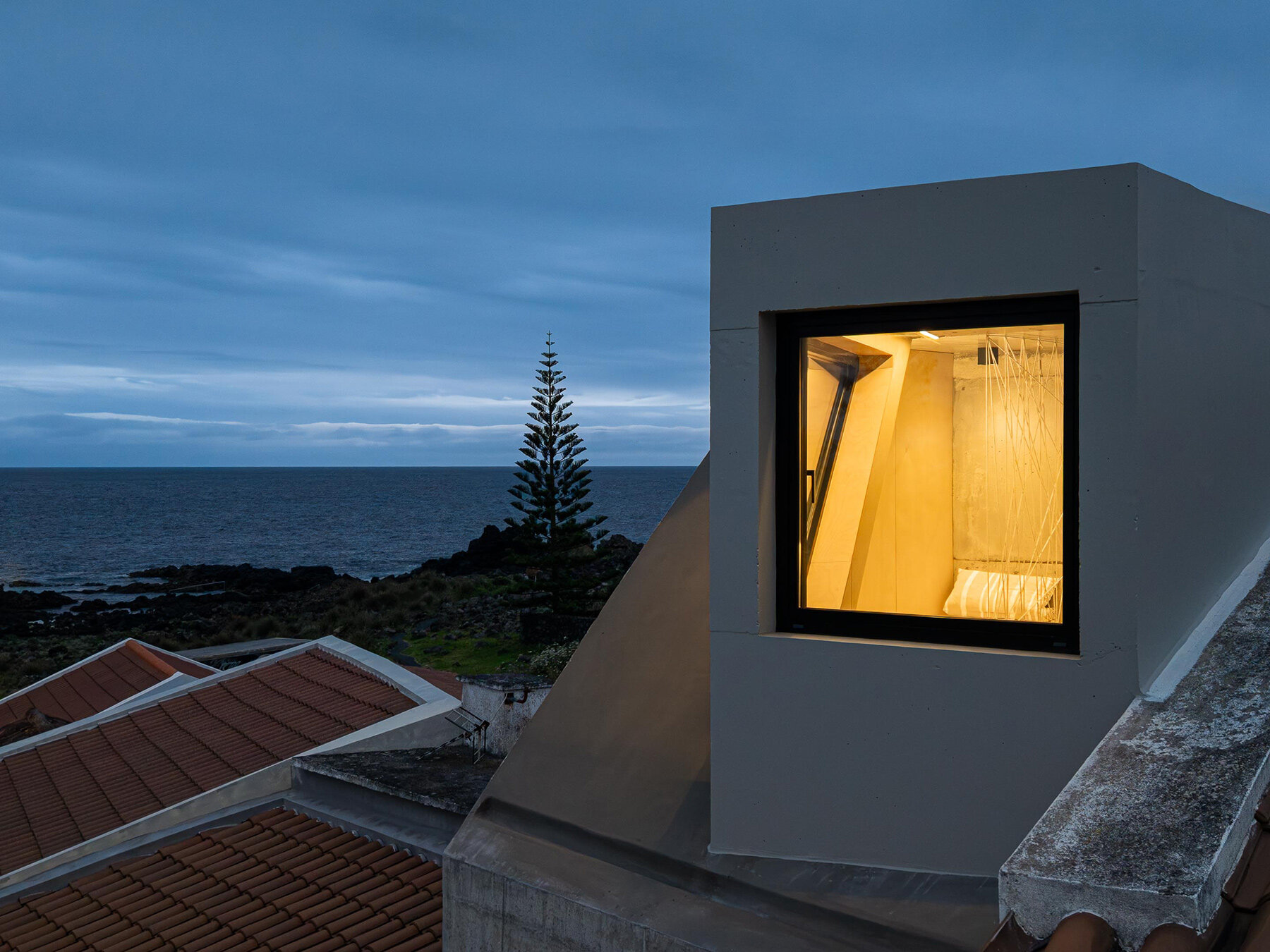
At the center of recent design discussions is a notable residential project by SO-arquitectura in Portugal. Known as ‘mini-atalhada,’ this contemporary dwelling demonstrates how compact footprints can achieve spatial richness through vertical stacking and thoughtful integration with the surrounding landscape. The top floor of the residence is strategically configured to place the main living space directly beside sweeping views toward the sea, creating an immersive living experience that connects the inhabitants with the coastal horizon.
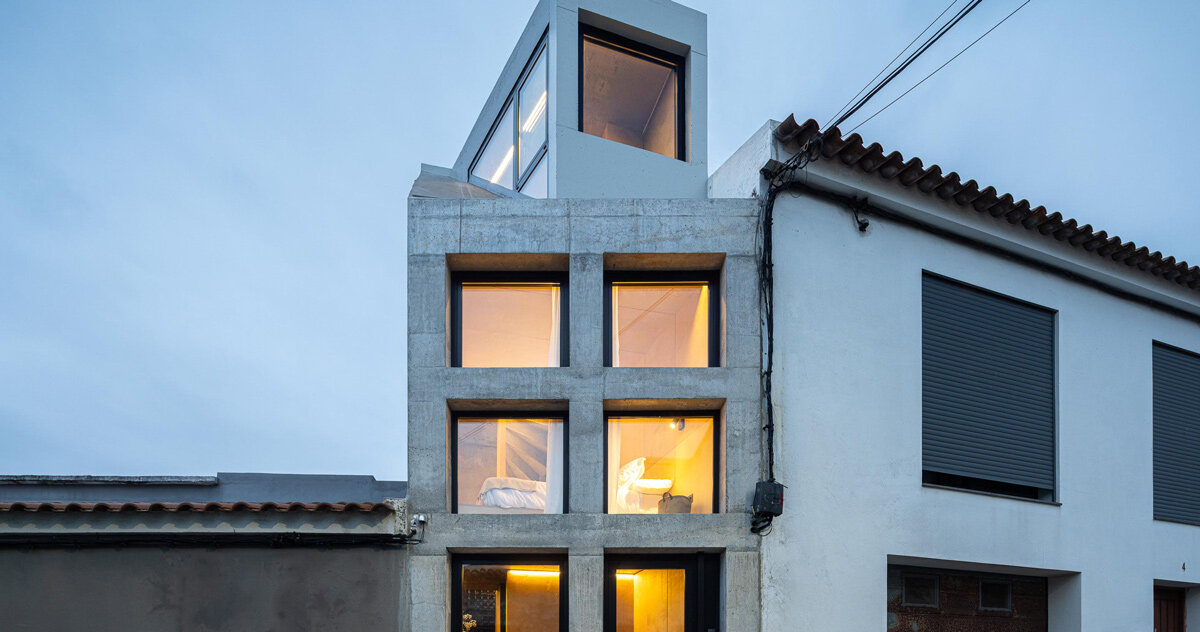
Beyond its daytime connection to the coastal views, the architecture of the Portuguese home takes on a distinct character after dark. Integrated lighting schemes make the stacked rooms visible through the facade, transforming the building into a luminous lantern that highlights its internal organization and structural clarity. This interplay between interior illumination and the exterior envelope underscores a growing trend in residential design where buildings function dynamically across different times of day.
This focus on innovative architectural integration arrives alongside a wave of significant global cultural and public space announcements. Among these is the completion and public opening of Peter Zumthor’s expanded Fondation Beyeler in Switzerland. The long-anticipated project introduces the new Wyss Museum, the Ammann Pavilion, and the Erlen Torhaus, collectively extending the museum’s architectural relationship with its surrounding landscape. Crucially, the intervention opens the former private park to the broader public, bridging the gap between exclusive cultural institutions and accessible urban environments.
In London, adaptive reuse continues to redefine industrial heritage. Apple has recently inaugurated a specialized 600-capacity music venue housed inside the iconic Battersea Power Station. This innovative space is designed to streamline the creative process for artists, allowing performers to play a live concert, record the audio, mix the tracks, and translate the entire production into a global broadcast without ever needing to leave the building. The project exemplifies the ongoing evolution of industrial landmarks into high-tech, multifunctional cultural hubs.
Meanwhile, temporary architecture and large-scale event staging are pushing sustainable boundaries in Spain. The Bjarke Ingels Group (BIG) has undertaken the design of a temporary city in Madrid centered around a venue for Shakira. Dubbed the Shakira stadium, the project transforms Madrid’s Iberdrola music venue through the deployment of temporary pavilions, recycled fabrics, and the incorporation of 500 trees. By emphasizing reusable structures and sustainable landscaping, the design offers a blueprint for temporary event architecture that minimizes environmental impact while accommodating massive crowds.
In South America, major institutional expansion is similarly making headlines. Frida Escobedo Studio has unveiled an ambitious expansion for the Museo de Arte Latinoamericano de Buenos Aires (MALBA). Rather than building outward, the new design takes the institution underground beneath Plaza Perú. This architectural strategy effectively doubles the museum’s exhibition space while carefully preserving the public square above, demonstrating a sensitive approach to densifying urban cultural amenities without sacrificing public green space.
Together, these diverse projects—from the compact coastal residence in Portugal to monumental museum expansions and adaptive reuse ventures—reflect a shared commitment among leading architects and designers to engage deeply with their specific contexts, whether natural landscapes, dense urban squares, or historic industrial structures.