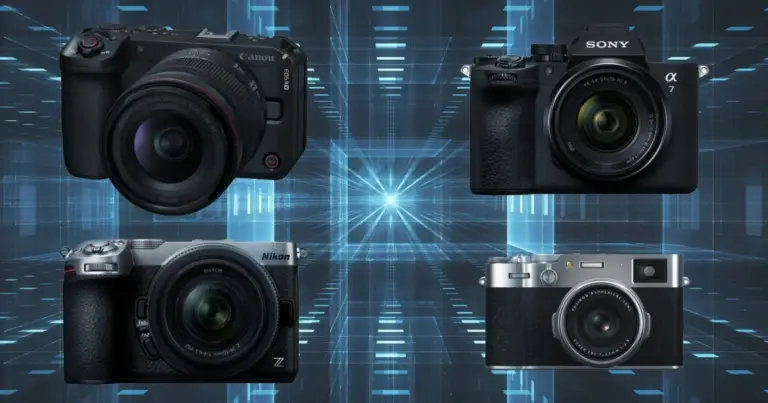
As the photography landscape continues its rapid evolution toward modern mirrorless ecosystems, assembling the ideal combination of camera bodies and glass has become a crucial pursuit for both newcomers and seasoned professionals. Whether a photographer is building an introductory kit from the ground up or upgrading an established workflow to tackle more demanding genres, the approach to acquiring equipment is shifting. Increasingly, photographers are turning to the pre-owned market to secure high-performance gear, maximizing their budgets and gaining greater flexibility across various disciplines, from wildlife and travel to fine art, sports, and commercial assignments.
Choosing a camera is typically just the first step in constructing a comprehensive system. While the camera body dictates technical capabilities such as sensor resolution, readout speeds, and autofocus tracking, the lenses ultimately determine what can be photographed, how an artist approaches a subject, and the distinct aesthetic rendering of the final image. This reality can make choosing an initial interchangeable-lens system feel overwhelming. Investing in a specific camera brand also means committing to a lens mount and an entire ecosystem that will shape a photographer’s trajectory over time. For those upgrading an existing setup, the decision often revolves less around replacing everything at once and more about identifying the singular piece of equipment capable of elevating their work to the next level.
Recent advancements in mirrorless technology over the past six years have introduced a wealth of powerful features to the pre-owned market, making sophisticated tools significantly more accessible. By focusing on recent mirrorless bodies and pairing them thoughtfully with dedicated lenses, photographers can construct cohesive kits tailored to specific genres.
For Beginners Building an Affordable First Kit
Entering the world of interchangeable-lens cameras can be a daunting prospect for beginners, yet the modern market proves that acquiring the most expensive flagship model is rarely necessary to get started. An effective beginner camera should offer an intuitive learning curve while leaving ample room for growth as an artist’s skills mature and creative interests expand.
When building an entry-level kit, looking beyond the camera body is essential. Lenses frequently outlive the digital bodies they are mounted on, remaining in a photographer’s bag for years. Consequently, the initial choice of brand and lens mount carries long-term weight. While switching systems later is always an option, it often requires costly replacements or adapters. Prioritizing budget efficiency means evaluating not just what serves a photographer’s immediate needs, but what system they may want to build toward in the future.
Opting for a recent APS-C mirrorless camera often leaves a larger portion of the budget dedicated to lenses. Experimenting with different focal lengths remains one of the most effective ways for a beginner to discover their preferred photographic genre. Furthermore, a high-quality lens retains its utility long after the user has upgraded their camera body.
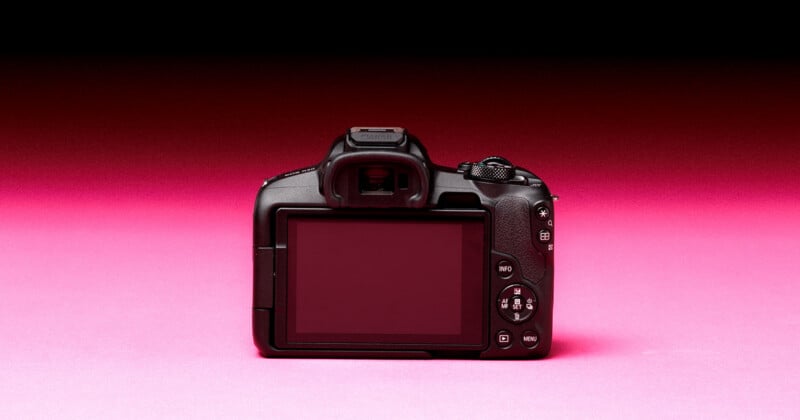
Several combinations stand out for those embarking on their photographic journey. The Canon EOS R50, introduced in 2023, provides an accessible entry point into modern mirrorless systems without requiring an immediate leap to full-frame hardware. Equipped with a 24.2-megapixel APS-C sensor, robust subject detection, and Canon’s Dual Pixel CMOS autofocus, it serves as a logical step up for creators transitioning from smartphones or fixed-lens cameras. Paired with the native RF-S 18-45mm lens for everyday travel and family scenes, along with the RF-S 55-210mm telephoto zoom for sports and wildlife, beginners gain immediate versatility.
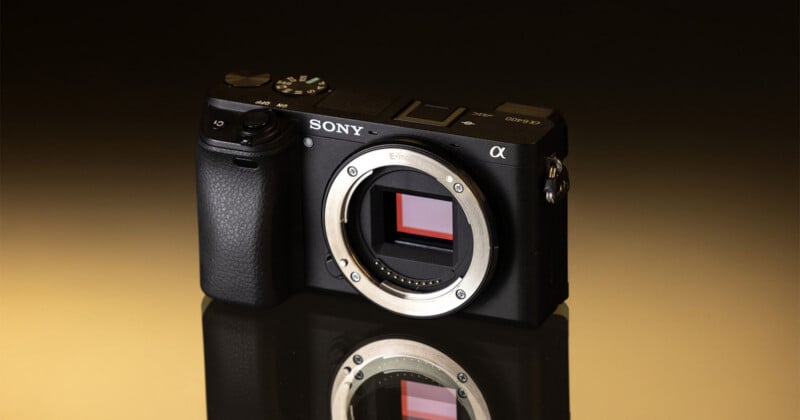
Similarly, the Sony a6400 remains a staple of Sony’s APS-C lineup, pairing a 24.2-megapixel sensor and rapid autofocus with access to a massive catalog of E-mount glass. When combined with the flexible Sony E 18-135mm f/3.5-5.6 OSS and the reach of the E 70-350mm G OSS, new photographers secure a comprehensive focal range without prohibitive costs.
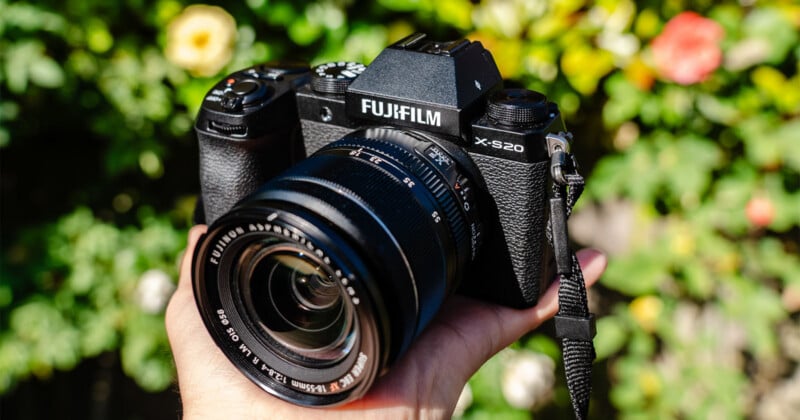
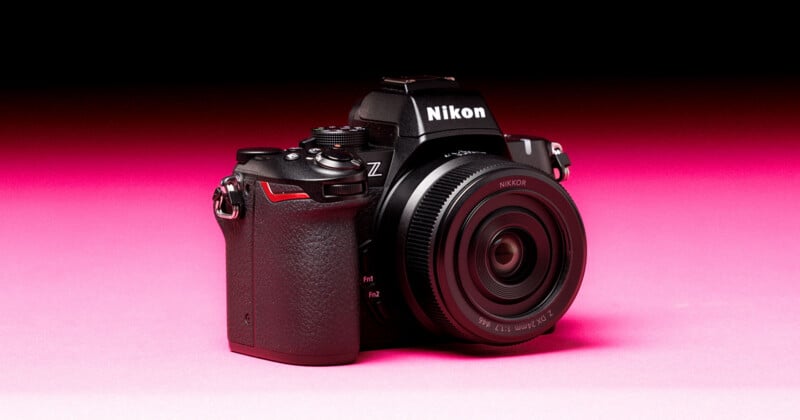
For those leaning toward Fujifilm, the X-S20 offers a 26.1-megapixel APS-C sensor, in-body image stabilization, and advanced subject-detection autofocus, catering to both stills and video enthusiasts. Paired with the XF 16-50mm f/2.8-4.8 R LM WR and the XF 70-300mm telephoto, the kit bridges wide landscapes and distant wildlife effectively. Meanwhile, Nikon’s Z50 II provides another compelling APS-C option, frequently paired creatively with the NIKKOR Z DX 12-28mm for architecture and landscapes alongside the bright 24mm f/1.7 prime for low-light environments and portraiture.
For Nature and Wildlife Photography
Wildlife photography places extraordinary demands on a camera system. Because subjects are often distant and entirely unpredictable, autofocus tracking, burst shooting performance, sensor resolution, and lens reach are paramount. In this arena, the choice of lens frequently outweighs the camera body in its impact on the final image. A high-resolution sensor cannot compensate for a telephoto lens lacking sufficient reach, just as an ultra-long lens requires a responsive body to maintain focus on a moving animal.
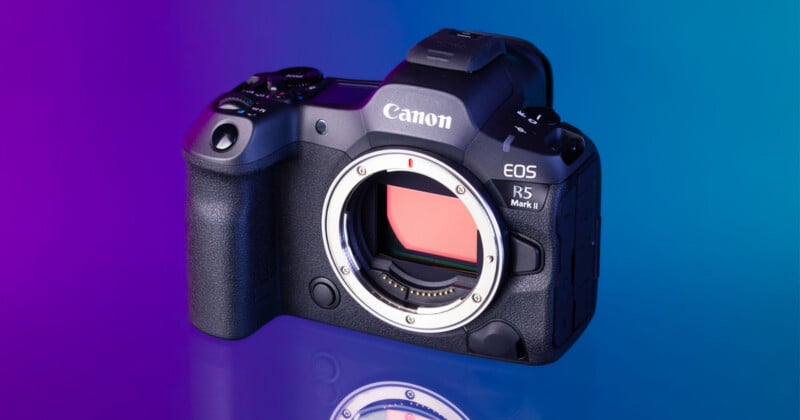
For Canon shooters, the EOS R5 Mark II—introduced in 2024 as a high-performance full-frame body—balances high resolution, speed, and advanced autofocus. Pairing this body with the versatile RF 100-500mm f/4.5-7.1L IS USM allows for dynamic adjustments as animals change distance, while the RF 200-800mm f/6.3-9 IS USM pushes the system into extreme telephoto territory, ideal for distant birds and small wildlife.
Sony addresses these rigorous demands with the a1 II, a body engineered to deliver both high resolution and rapid firing rates, providing ample detail for cropping. When paired with the FE 100-400mm GM OSS for flexible general wildlife work and the specialized FE 300mm f/2.8 GM OSS for low-light performance and professional background separation, the kit covers virtually any field scenario.
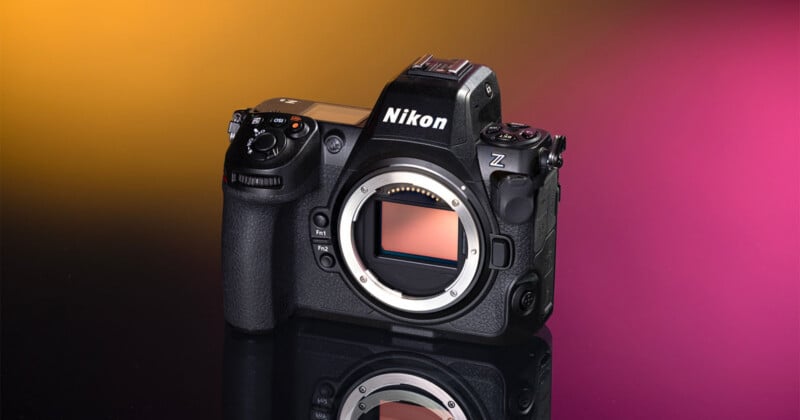
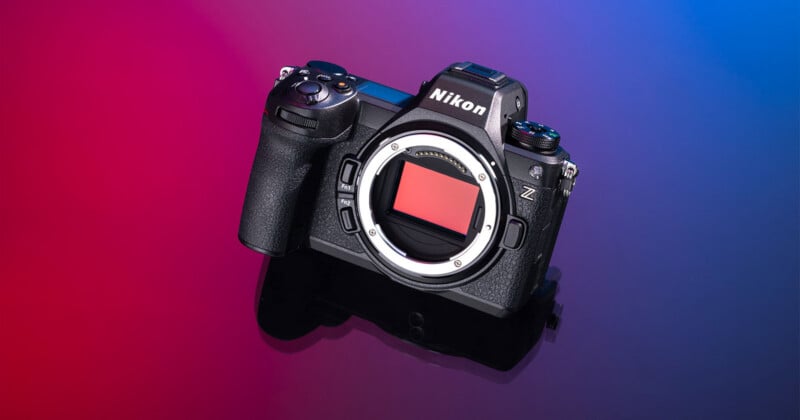
Nikon offers a comparable powerhouse in the Z8, which packs a 45.7-megapixel full-frame sensor and sophisticated autofocus algorithms into a body more compact than the flagship Z9. The high resolution proves invaluable when a subject does not completely fill the frame. By coupling the Z8 with the NIKKOR Z 180-600mm workhorse lens for distant subjects and the NIKKOR Z 100-400mm for closer encounters, wildlife photographers gain immense flexibility in the field.
For Travel Photography
Travel photography requires navigating multiple genres within a single day, shifting fluidly from morning landscapes to urban architecture, street portraits, and local cuisine. Versatility is the ultimate asset for a travel kit, which must cover unexpected subjects without weighing down the photographer with redundant specialized equipment.
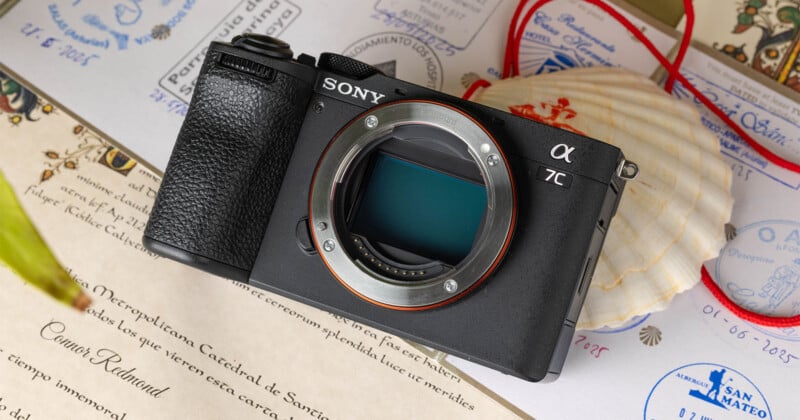
Sony’s a7C II addresses this need by housing a 33-megapixel full-frame sensor inside a compact mirrorless chassis. Pairing it with the FE 20-70mm f/4 G lens provides a genuinely wide 20mm perspective for expansive vistas and tight interiors, alongside a 70mm setting suited for street scenes and portraits. Adding the FE 70-200mm f/4 G OSS II extends the reach for distant details and compressed landscape compositions.
Fujifilm offers an alternative travel solution with the X-T5, combining a 40.2-megapixel APS-C sensor with traditional physical dials. The high-resolution sensor affords significant cropping flexibility, while the standard XF 16-50mm and telephoto XF 70-300mm lenses offer a lightweight, highly capable travel pairing.
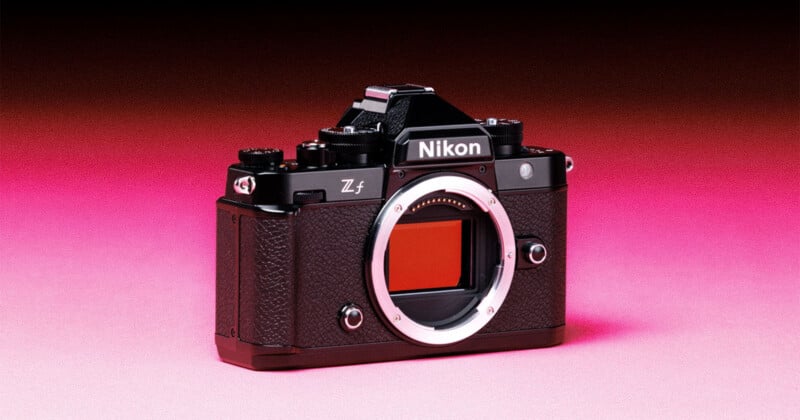
For enthusiasts drawn to a classic shooting experience, the Nikon Zf marries a full-frame sensor with vintage-inspired physical controls. Configured with the NIKKOR Z 24-120mm f/4 S as an all-purpose travel zoom and supplemented by the compact 40mm f/2 prime for low-light street photography and restaurants, the system delivers modern performance wrapped in a deliberate, tactile design.
For Portrait Photography
Portrait photographers often find that investing in superior glass yields more impactful results than simply chasing maximum resolution. A fast prime lens grants precise control over depth of field and background separation, whereas a versatile zoom can place a subject directly into their surrounding environment.
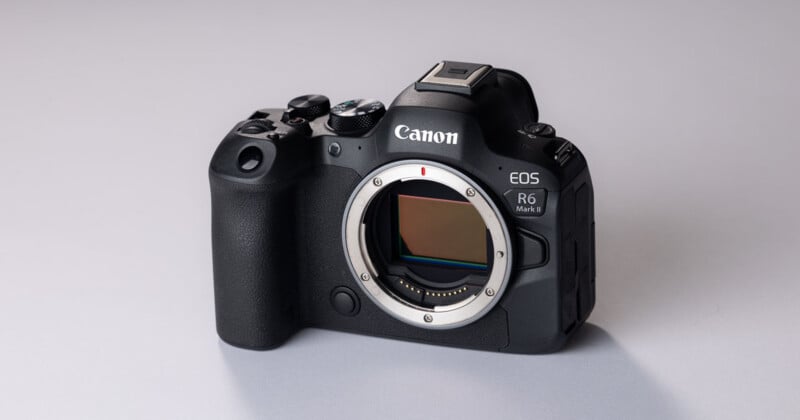
Canon photographers frequently look to the EOS R6 Mark II, a 24.2-megapixel full-frame body equipped with sophisticated subject-detection autofocus. Pairing this body with the dedicated RF 85mm f/2 Macro IS STM delivers classic portrait compression and close-working capabilities, while the RF 24-105mm f/2.8L IS USM Z offers flexibility for environmental portraits and group shots.
Sony’s a7 IV provides a similar 33-megapixel foundation, which pairs exceptionally well with the FE 85mm f/1.4 GM II for shallow depth-of-field isolation and the FE 35mm f/1.4 GM for storytelling environmental portraits. Nikon users achieve comparable results with the Z6 III, a 24.5-megapixel full-frame camera featuring a partially stacked sensor design. When matched with the NIKKOR Z 85mm f/1.2 S for ultimate subject isolation or the versatile 35mm f/1.4 prime, portrait artists gain a formidable toolkit for both studio and location work.
For Fine Art Photography
Fine art photography emphasizes unique priorities, where sensor resolution, dynamic range, lens rendering precision, and the capability to produce large-format physical prints take precedence. High-resolution sensors grant artists greater freedom during post-processing, allowing for aggressive cropping or the preservation of minute surface textures.
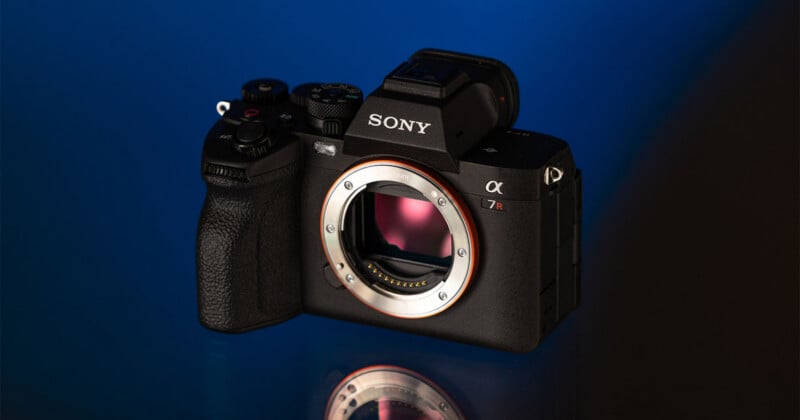
Sony addresses these high-end requirements with the a7R V, featuring a 61-megapixel full-frame sensor that captures immense detail for large prints. Paired with the FE 50mm f/1.2 GM for selective focus and the FE 20-70mm f/4 G for wide environmental views, the kit handles meticulous artistic visions with ease.
For those seeking even greater scale, Fujifilm’s GFX100S II introduces large-format imaging via a 102-megapixel sensor housed within a comparatively approachable body. Utilizing the GF 55mm f/1.7 for selective compositions and the GF 32-64mm f/4 LM WR II zoom for expansive landscapes, this system targets artists whose work centers on printmaking and uncompromising detail. Panasonic’s Lumix S1R II offers another high-resolution full-frame alternative within the L-Mount alliance, opening doors to optics from Panasonic, Leica, and Sigma.
For Sports and Action Photography
Sports photography highlights the necessity of treating the camera body and lenses as a unified system. Fast autofocus tracking and high burst rates are vital, but so are sensor readout speeds to combat rolling shutter, responsive lens motors, and adequate telephoto reach from the sidelines.
Sony’s a9 III approaches this discipline with a global shutter design, enabling extreme electronic shutter speeds without rolling-shutter distortion. Combined with the FE 70-200mm f/2.8 GM OSS II for close-range action and the FE 300mm f/2.8 GM OSS for low-light stadium environments, it represents peak speed.
Canon fields the professional EOS R1 flagship, engineered specifically for high-speed action and paired with the RF 70-200mm f/2.8L IS USM Z and RF 100-500mm lenses. Nikon answers with the Z9, combining flagship autofocus and a 45.7-megapixel sensor that allows sports photographers to crop heavily when athletes move far across the field, utilizing the NIKKOR Z 70-200mm f/2.8 VR S II and 180-600mm lenses.
Commercial, Editorial, and Macro Disciplines
Commercial and editorial assignments demand extreme adaptability, as requirements frequently shift from wide establishing environmental shots to tightly framed product details. Combinations such as the Canon EOS R5 Mark II paired with the RF 24-105mm f/2.8L IS USM Z and RF 100-500mm, or the Nikon Z8 paired with the 24-120mm f/4 S and 70-200mm f/2.8, provide professional-grade reliability across unpredictable schedules. Panasonic’s Lumix S5II paired with its S Pro f/2.8 zooms also offers a robust stills and video hybrid solution for working professionals.
In the realm of macro photography, specialized equipment dictates success. The OM SYSTEM OM-1 Mark II, utilizing a Micro Four Thirds sensor and computational tools, pairs with the M.Zuiko 90mm f/3.5 Macro IS PRO to deliver high magnification and comfortable working distances for easily disturbed subjects. Similarly, Nikon’s Z8 paired with the NIKKOR Z MC 105mm f/2.8 VR S and Panasonic’s Lumix S5II equipped with the S 100mm f/2.8 Macro provide dedicated close-up capabilities alongside general-purpose zoom lenses for broader nature scenes.
Ultimately, constructing or upgrading a photography kit is less about acquiring the newest item on the market and more about aligning equipment with an artist’s evolving vision. By leveraging the used market through platforms that rigorously evaluate pre-owned inventory, photographers can transition seamlessly between systems and focal lengths, unlocking new creative avenues without exhausting their resources.